Having pets like cats around can be therapeutic as you most likely have someone around to talk to without worrying about getting judged. Cuddling with them can also make you feel warm and fuzzy inside. However, they can also bring you unpleasant surprises like your allergies and overwhelmingly expensive vet bills. For one 23-year-old man from Belgium, a cat has caused him to suffer from erectile dysfunction.

Young Man Suffers From Erectile Dysfunction After Getting Scratched By A Cat
By
Sughra Hafeez in
Bizarre
On 16th September 2017
advertisement
#1 Pets have long been lauded for the health benefits they bring owners.
Research has shown that owning a pet can lower stress, blood pressure, and cholesterol levels, according to the Centers for Disease Control and Prevention (CDC). Of course, pet ownership can come with some pretty unpleasant surprises, like allergic reactions, vet bills—and, apparently, erectile dysfunction.

#2 A 23-year-old man was left unable to get an erection after he was scratched by a cat, a bizarre case study has revealed.

advertisement
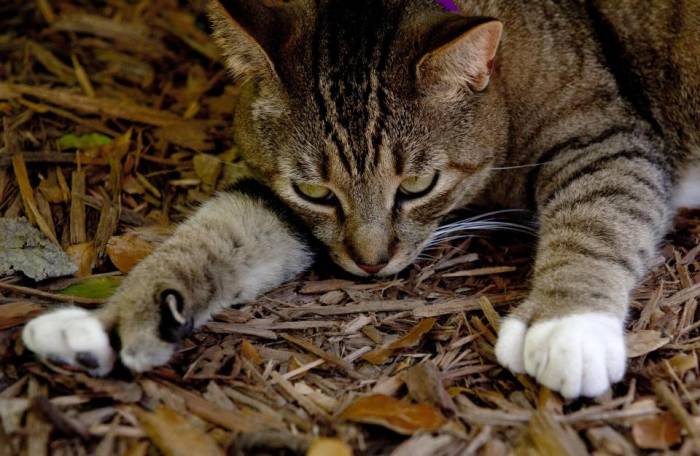
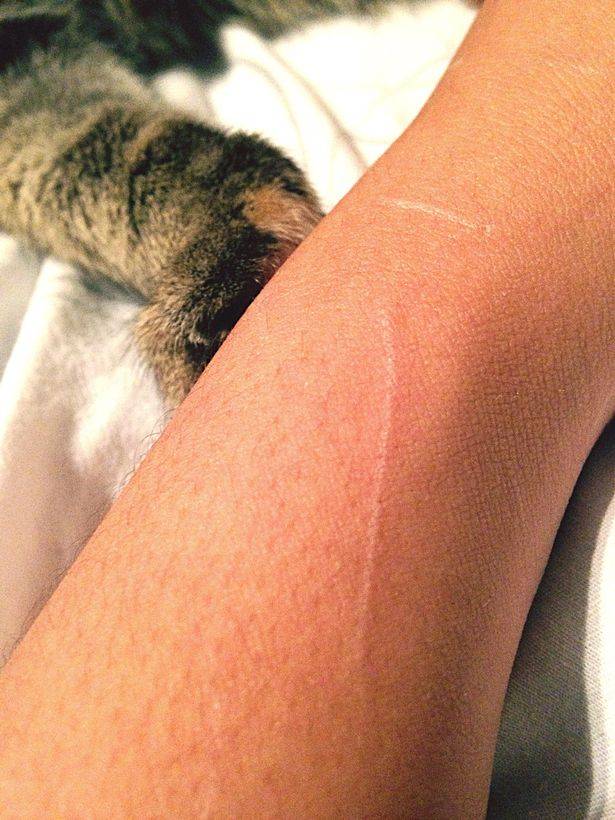
#3 The unidentified patient, from Belgium, was injured by the claws of a feline in his own home - but it is unknown how.
#4 Doctors document this case of what’s known as a cat-scratch disease in a report published September 12 in BMJ (formerly British Medical Journal).
advertisement
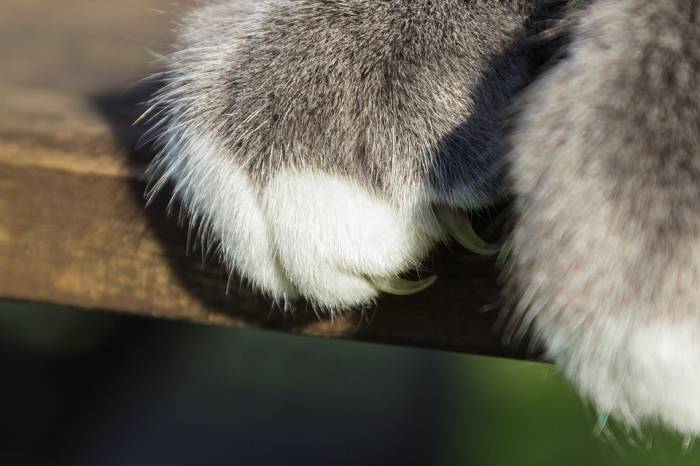
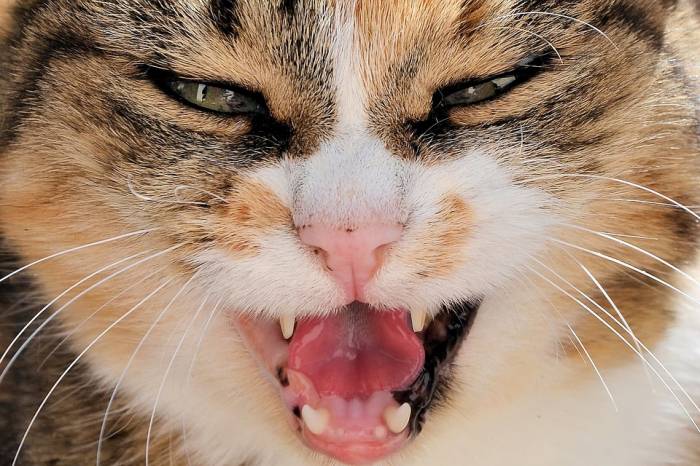
#5 It is caused by bacteria called Bartonella henselae found in the mouth and claws of cats.
advertisement
#6 Those coming into contact with the disease can suffer fevers, pustules with complications from the illness even becoming fatal.
advertisement
#7 The young man told doctors he suffered the general symptoms including pain in his testicles.
advertisement
#8 He later revealed he was injured by the claws of a cat in his own home after further consultation.

advertisement
#9 Despite not changing his diet or fitness routine, the patient lost about 22 pounds in six months.

advertisement
#10 A physical exam showed no abnormalities other than,
swollen lymph nodes and tests cleared the patient of sexually transmitted diseases like HIV, hepatitis, and syphilis.
advertisement
#11 It was only when the man revealed that he’d been scratched by a young cat.
Doctors were able to diagnose him with cat-scratch disease, caused by the Bartonella henselae bacterium. A bone marrow and lymph node biopsy confirmed the presence of the bacteria.

advertisement
#12 The patient was successfully treated in three weeks after a course of antibiotics.

#13 Doctors wrote in the report:
"The symptoms quickly vanished and he fully regained his erectile function.
"In this case, the patient was unable to provoke erection despite his will even during periods of calm symptoms."

advertisement
#14 Warnings have been released in the US.
12,000 Americans being diagnosed with the disease and suffering from fever, fatigue, headaches and swollen lymph nodes.
Five hundred of those required hospital attention, with some even suffering from brain swelling and heart infections.
#15 Cat scratch disease facts*
Cat scratch disease (CSD) is a bacterial disease caused by Bartonella henselae.
It is often caused by a bite or scratch from a cat. Kittens are more likely to pass on the bacteria. Cats who carry B. henselae do not show any signs of illness, so you cannot tell which cats could spread the disease to you.

advertisement
#16 Symptoms and signs of cat scratch disease include:
A bump or blister at the site of the scratch followed by
swollen lymph nodes (especially around the head, neck, and arms),
fever,
headache,
fatigue,
malaise,
A sore throat,
weight loss, and
loss of appetite.
People with suppressed immune systems, such as people undergoing chemotherapy, organ transplant patients, and people with HIV/AIDS, are more likely to have complications of CSD
#17 Diagnosis:
Diagnosis of cat scratch disease is made by a history of a wound caused by a cat, physical exam showing signs of lymph node swelling, indirect fluorescence assay (IFA), and enzyme-linked immunoassay (ELISA) blood testing, and possibly lymph node biopsy.
advertisement
#18 Treatment:
Treatment for cat scratch disease includes antibiotics such as azithromycin (Zithromax), clarithromycin (Biaxin), rifampin (Rifadin), trimethoprim-sulfamethoxazole (Bactrim), and ciprofloxacin (Cipro).

#19 Reduce risk of getting CSD
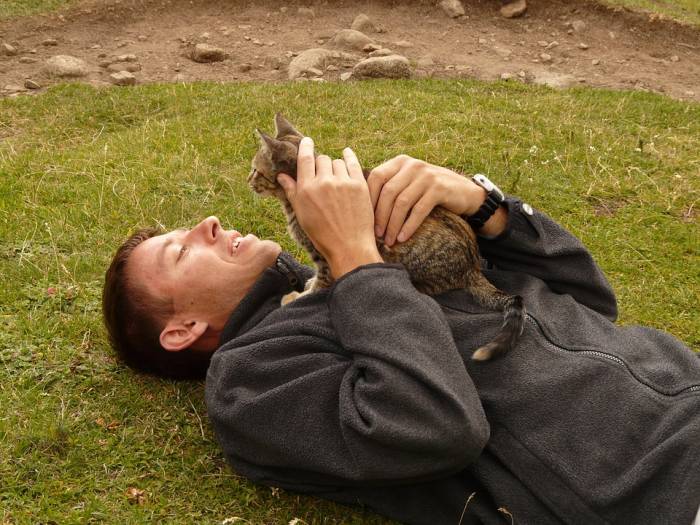
To reduce your risk of getting CSD, avoid rough play with cats and kittens, wash cat bites and scratches thoroughly, don't allow cats to lick any open wounds you have, and contact your physician if you develop any symptoms or signs following a cat bite or scratch.
advertisement
#20 It is unsure how many Britons develop the infection.
Watchdogs have previously warned that cat bites and scratches can be 'devastating in terms of infection and permanent disability' if left untreated.

#21 Animal bites
While dogs are responsible for the vast majority of animals bites, ones from cats are twice as likely to become infected, it is believed.

advertisement
#22 A woman nearly licked to death
The new case follows the tale of an elderly British woman who became critically ill after her dog licked her and triggered sepsis. The unidentified patient, 70, ended up in intensive care with multiple organ failures after contracting a rare infection from her Italian greyhound.