

At just 14 years old, George Stinney Jr. was the youngest person ever to be executed by an electric chair in the United States, yet 70 years later, he was formally acquitted of all charges.
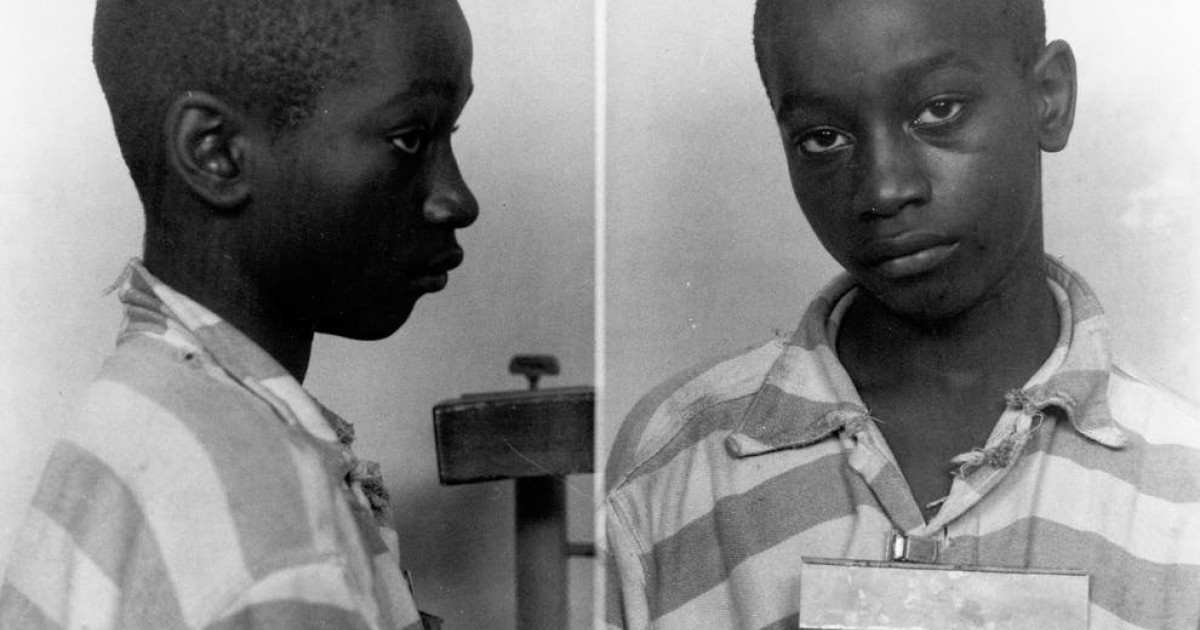
Youngest Person To Be Executed In US History Was Proven Innocent 70 Years Later
By
Haider Ali in
News
On 27th February 2023
advertisement
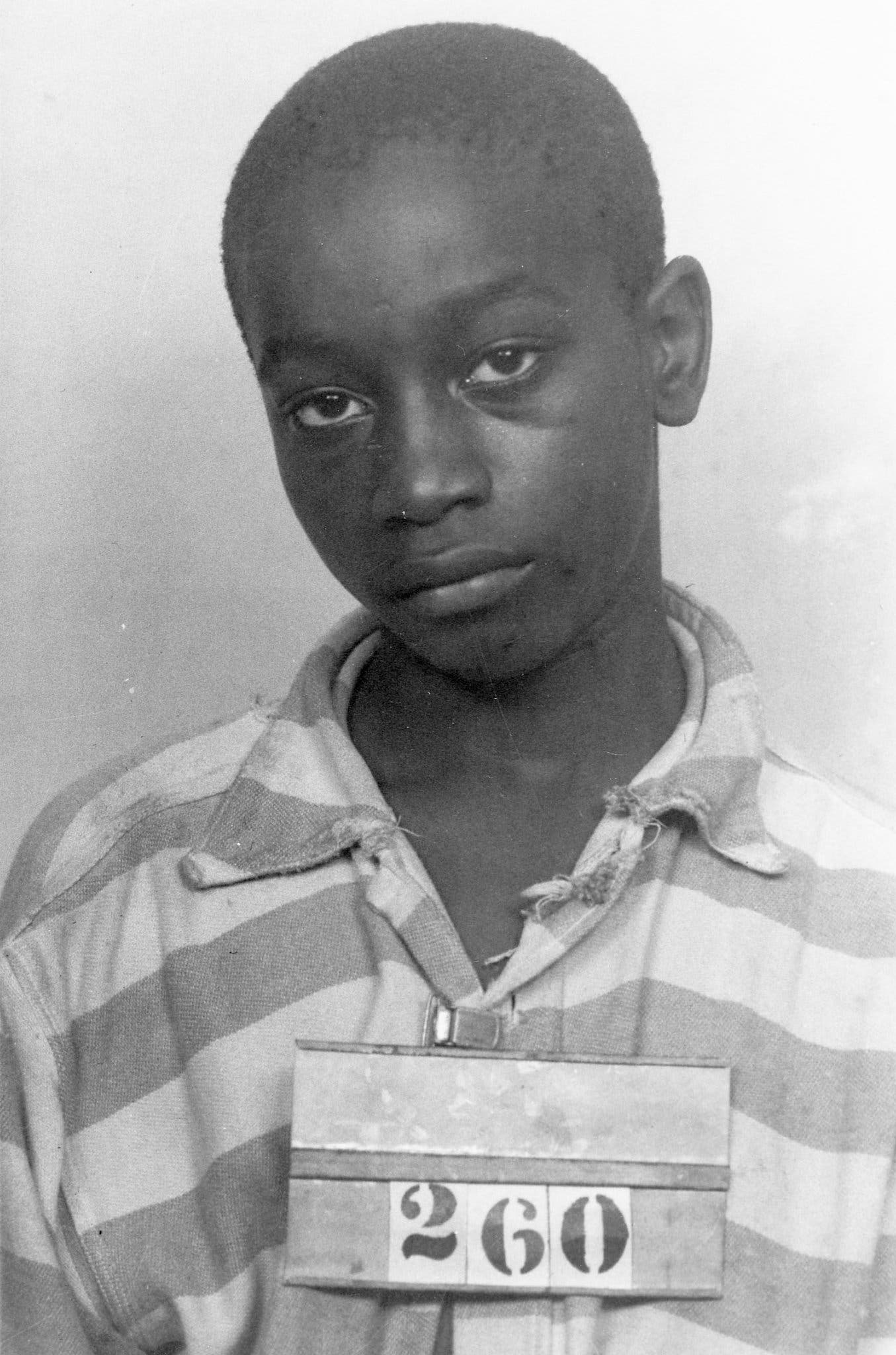
The young boy was convicted by an all-white jury.
Reuters
In the South during the Jim Crow era, the Black man George was executed in 1944 after being charged with the killing of two white girls, Betty June Binnicker, 11, and Mary Emma Thames, 7.
The two girls are reported to have stopped to ask George and his younger sister Aime where they could get maypops, the golden fruit of passionflowers, while on their bicycles in Alcolu, South Carolina, where they were last seen.
The missing girls' bodies were found the following day in a ditch with multiple head injuries, and George's father was one among those who helped search for them.
advertisement
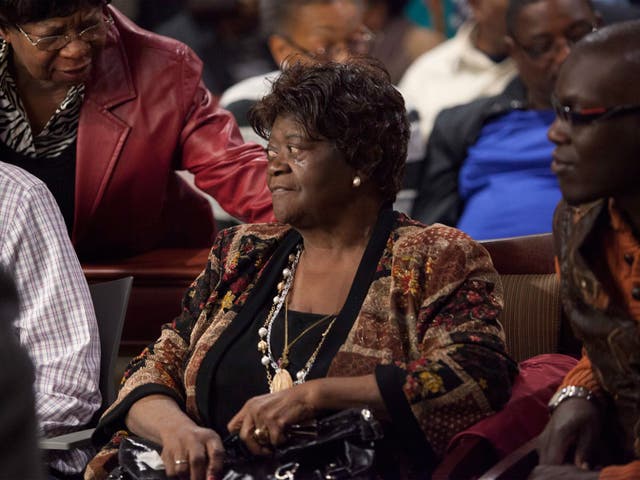
Aime Ruffner receives support from family and friends.
Reuters
Police went to George's house, handcuffed him, and interviewed him without informing his parents, a lawyer, or any witnesses after learning the girls had been observed talking to George.
George later underwent a trial that lasted about two hours, according to police claims that he confessed to killing the two girls.
No witnesses were called to the stand, and no evidence was offered by a court-appointed attorney to challenge the prosecution's case against George.
advertisement
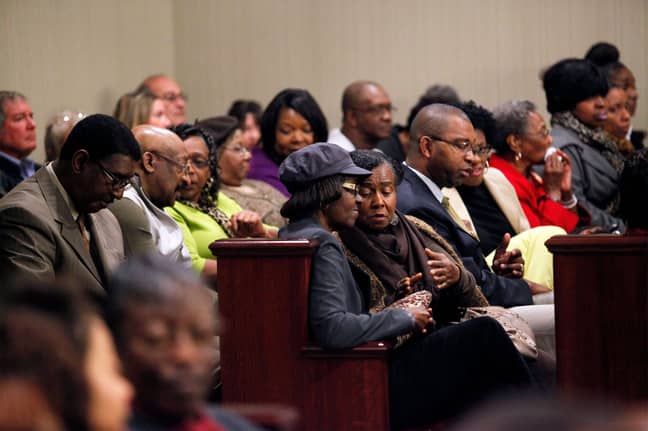
Crowds gathered to hear about George's case 70 years later.
Credit: REUTERS / Alamy Stock Photo
Although there was no physical evidence against George, an all-white jury found him guilty of murder after less than 10 minutes of deliberation.
advertisement
Governor Olin Johnston was petitioned by protesters for clemency, but the requests were unsuccessful, and on June 16, 1944, the boy was put to death.
Before George's innocence was ultimately recognized, a shocking 70 years had passed.
advertisement
Aime Ruffner, Katherine Robinson, and Charles' attorneys initiated a judicial challenge to the verdict, and in January 2014 his murder conviction was reversed.
George's siblings claim that he was with Aime when the murders happened and that his confession was forced upon him.
advertisement
In addition, Wilford "Johnny" Hunter, who claimed to be Stinney's cellmate, stated that the teen had denied killing Binnicker and Thames, according to George's relatives.
George's execution sentence was deemed a "great and fundamental injustice" by Judge Carmen T. Mullen.
advertisement
The exoneration, according to Katherine, George's sister, seemed "like a cloud just moved away."
“When we got the news, we were sitting with friends… I threw my hands up and said, ‘Thank you, Jesus!’ Someone had to be listening. It’s what we wanted for all these years," she said.