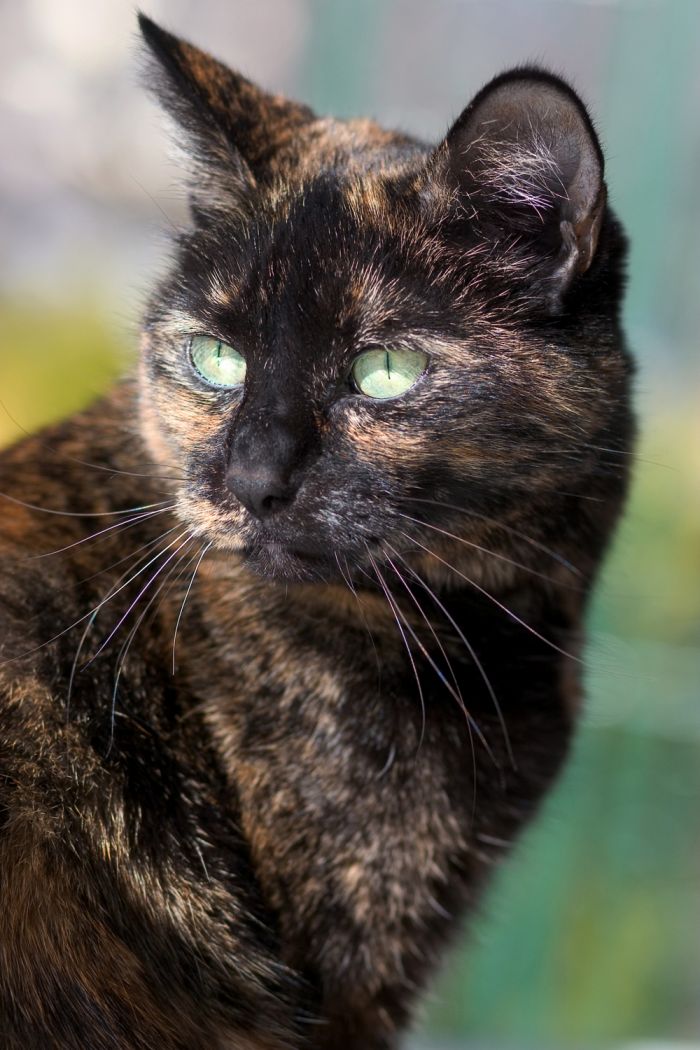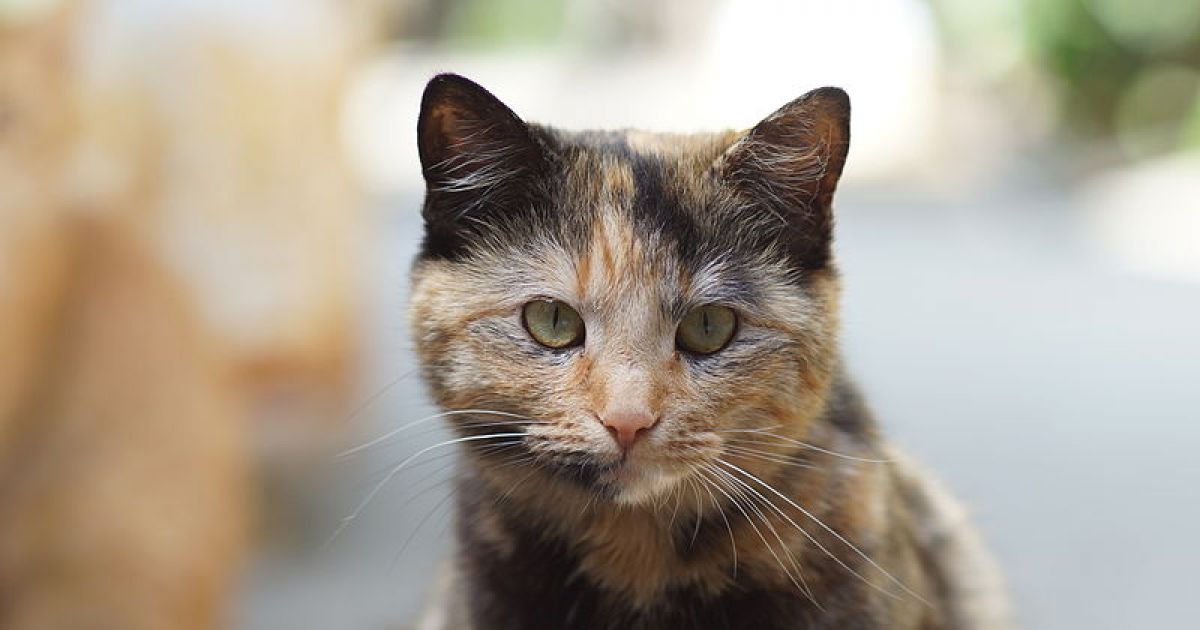
Is your calico cantankerous or your tortie a tad touchy? Researchers at UC Davis Veterinary Medical Teaching Hospital say you aren't imagining things. They are.
advertisement
Does cat color influence cat behavior and cat personality?
Most owners recognize their special cats have a distinct cat personality. But are there behavior differences between a black cat and an orange kitty?
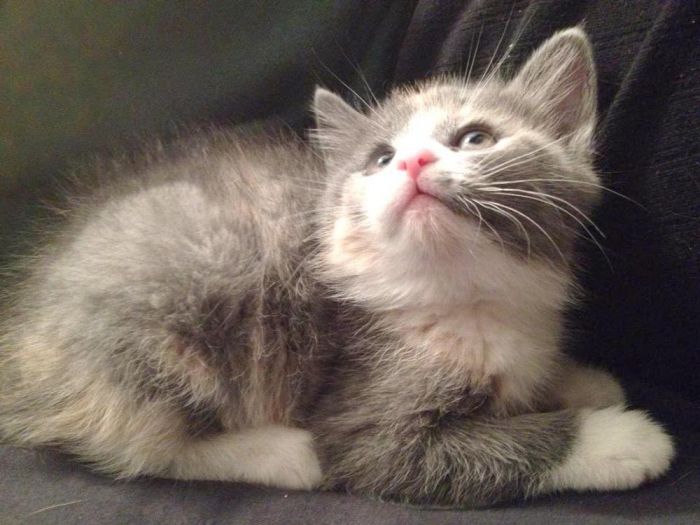
A cat’s color can tell us something about her personality:
It sounds fantastic, but as early as 1872, people tried to link certain kitty colors and patterns with different personality types. There were temperamental torties, placid tabbies, and great white mousers.
advertisement
If your feline friend has a bad "cattitude," the color of its fur might be a factor.
Researchers at UC Davis have found a correlation between a cat's markings and its level of feistiness.
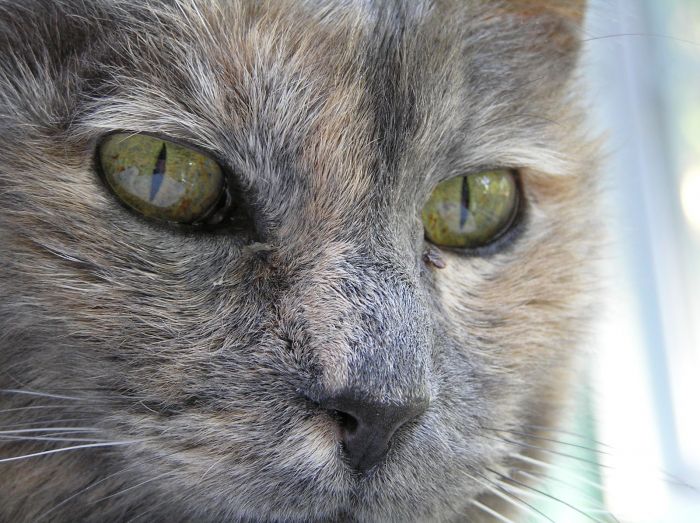
The "cattitude" study, recently published in the Journal of Applied Animal Welfare Science, supported what some vets have long maintained
cats with distinctive patterns tend to be more of a handful than cats with simpler color markings.

advertisement
Dr. Elizabeth Stelow, an expert in animal behavior at UC Davis, led the study that focused on the observations of 1,200 cat owners.
Respondents answered questions about their cats' behavior using a scale of zero to five to rate frequency of particular behaviors and provided their feline's color and pattern.
advertisement
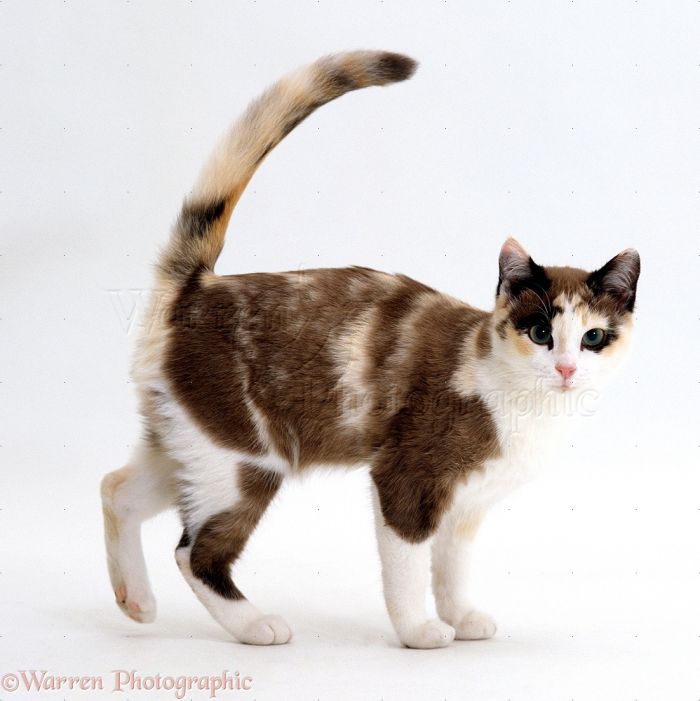
Researcher Liz Stelow tells the Aggie that the study aimed to explore the "long-standing assumption" among vets and cat owners that "calicos and tortoiseshells are somehow different."
As it turns out, "they were significantly different from most other coat colors for aggression toward humans."
advertisement
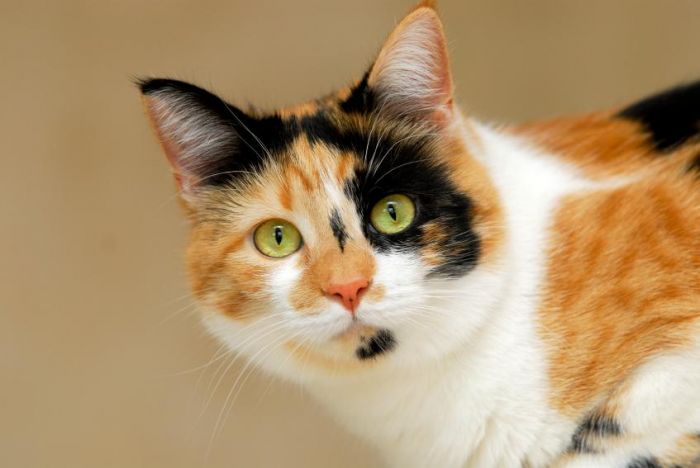
The findings showed, to put it bluntly, that calicos and torties are more likely to hiss, bite, scratch, swipe at and behave aggressively toward humans.
That doesn't mean they all do, but that confrontational tendency is more prominent in those cats.
advertisement
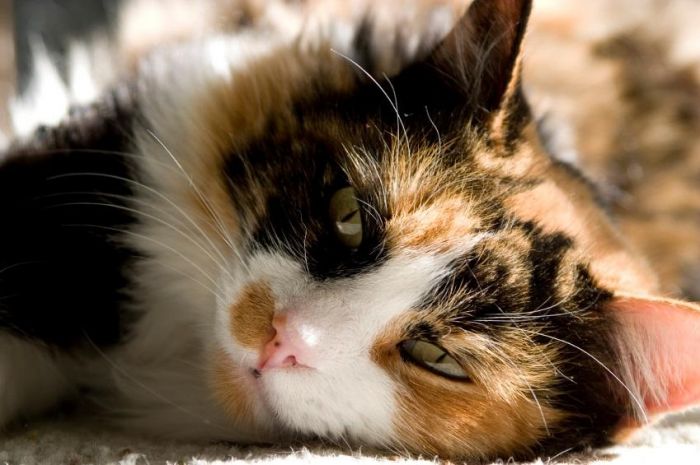
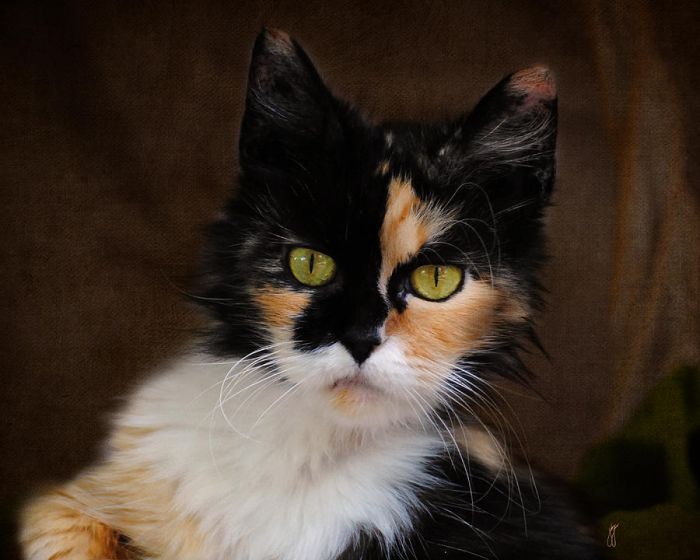
Calicos and torties have reputations for being feisty and unpredictable, characteristics that the study appears to confirm.
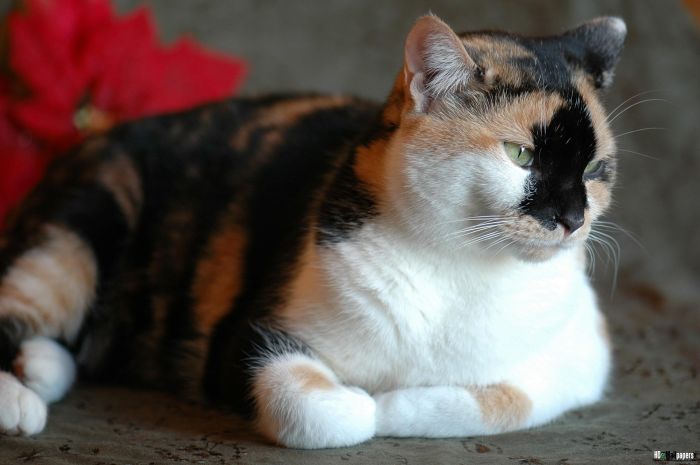
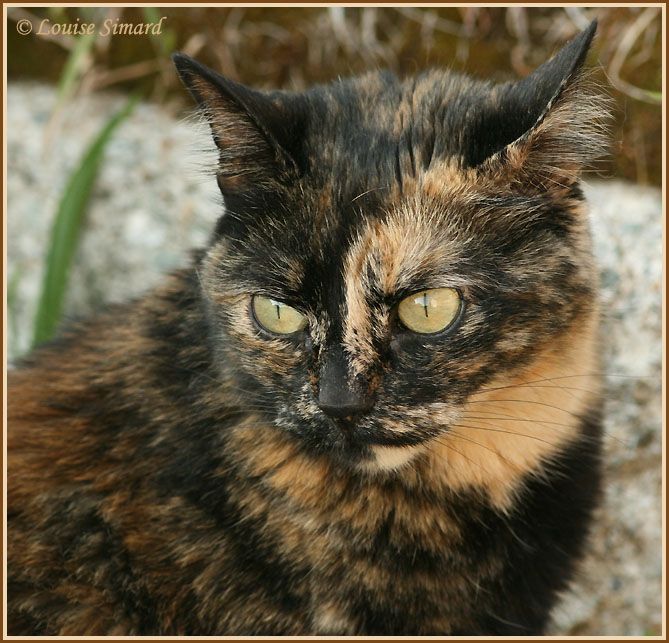
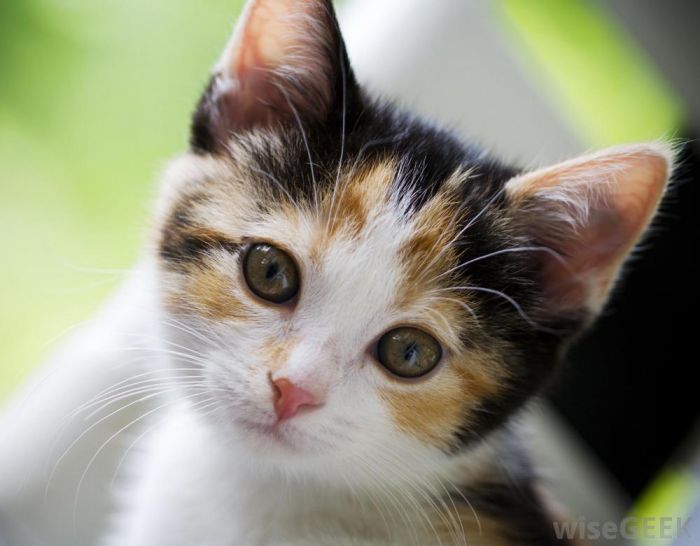
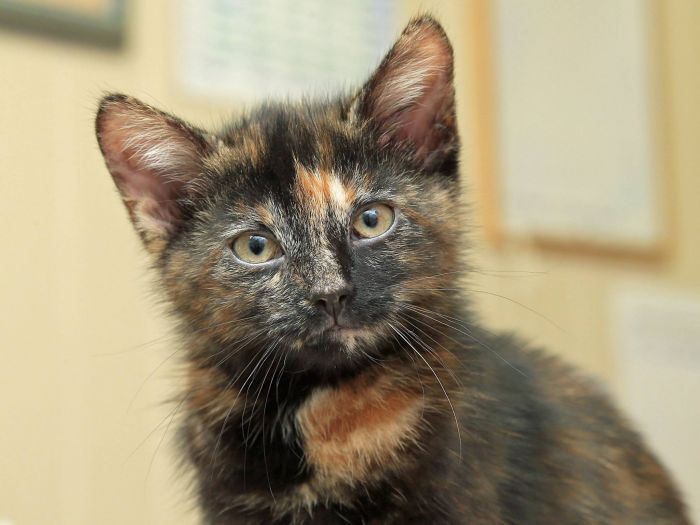
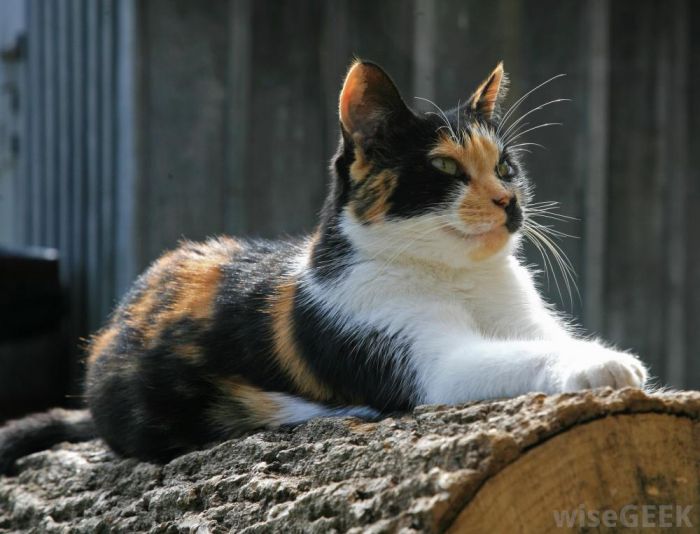
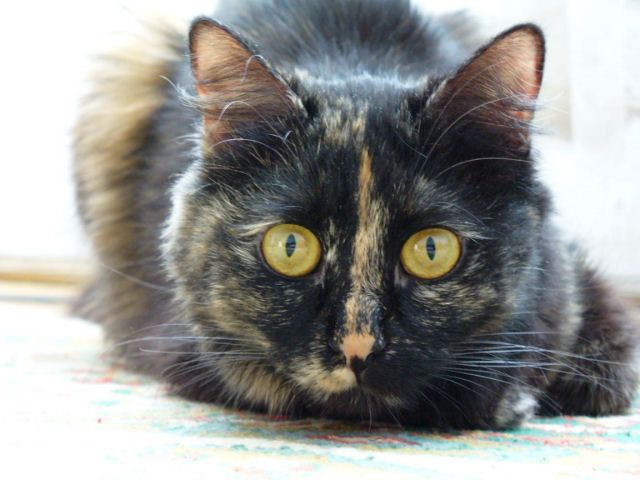
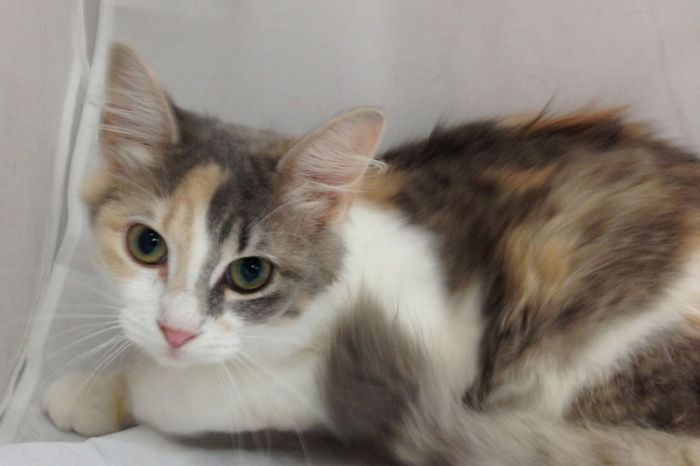
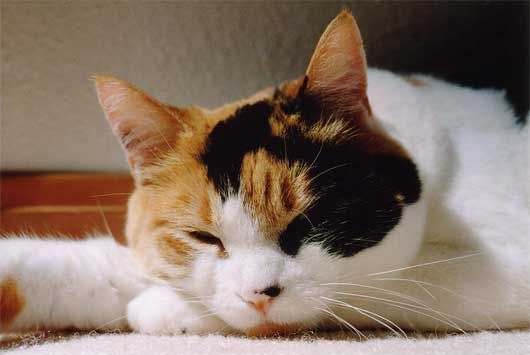
Calicos are mostly white with patches of orange and black. Tortoiseshells have coats that feature a constellation of black, brown, amber and red patches. Because two X chromosomes are necessary to produce their coloring, the vast majority of both types of cats are female.
advertisement
The theory behind the calico and tortie's spunky attitude may have to do with genetics, researchers say.
In both cats, the color combination can only be produced by having two X chromosomes, which make the vast majority of the cats female. Those same genetics may play a role in their personality.
advertisement
“They’re fiery,” said Front Street animal shelter manager Gina Knepp.
"They've got a little spirit and zip to them. If you want a cat that will keep you on your toes, a calico or tortie is the way to go."
advertisement
On the flip side, the study found that cats with solid black, gray, or white coats are less aggressive.
The survey results also indicated that cats with solid colors are much more mellow and less likely to display the temperaments that can give a cat a bad reputation.
advertisement
In the UC Davis survey, cat caretakers used a scale from 0 to 5 to assess the frequency of behaviors such as hissing and biting
A complex data analysis of answers to the survey found statistically significant differences between the frequency of such behaviors in "orange females" including torties and calicoes and most other cats, Stelow said. She said the research suggests that the same genetics that dictate coat color may play a role in aggression, but that more study needs to be done to explore that theory.
Aggression in cats, Stelow noted, rarely is violent.
"It's very different from dogs. Dogs show a very, very wide range from not aggressive at all to capable of killing. The overwhelming majority of cats are not the least aggressive," and those that are usually display it in "very subtle ways," she said.
advertisement
Researchers want to be sure their findings don't discourage people from adopting calicos and torties.
Just because they're more aggressive, another researcher tells the Aggie, "does not mean they are a problem."
Potential adopters tend to gravitate toward colorful cats, research has shown, while black cats tend to linger longer in shelters.
The key, said Doty and Knepp, is finding the right personality match. Black cats, Knepp said, "seem to have the most balanced personalities, from my observations. For the most part they are very stable."
advertisement
Researchers stress that the cats are not dangerous, only feisty, and that people shouldn't avoid adopting them.