

It's kind of gross. But you can learn a lot about what's going on inside your body by paying attention to the stuff it produces.
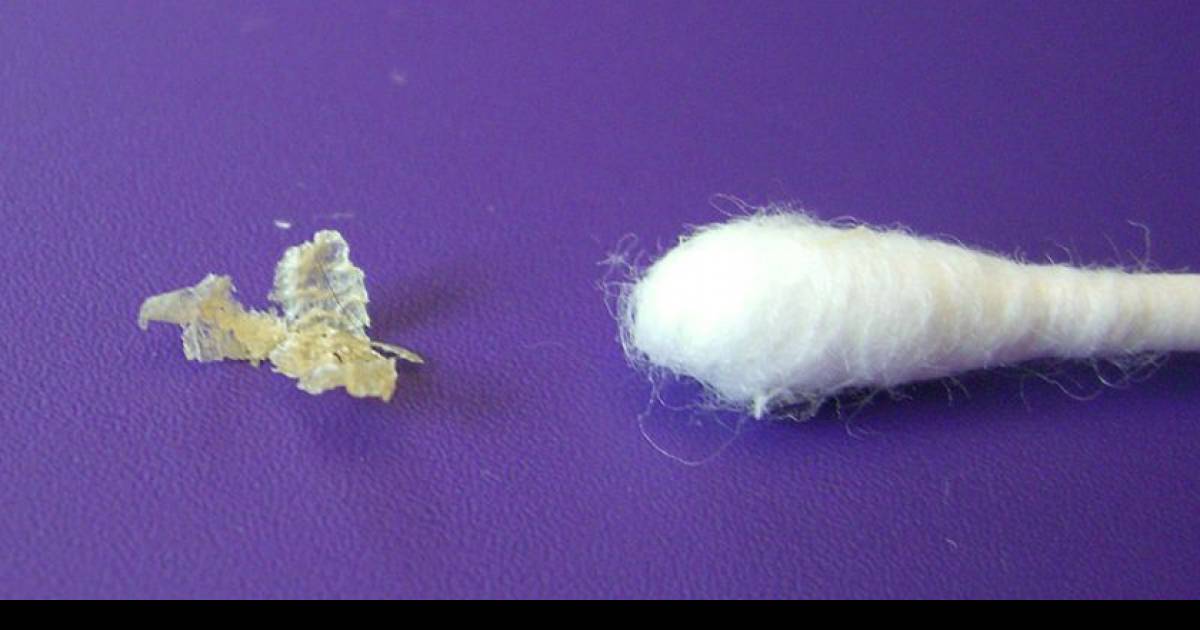
Your Earwax Is An Alarm Signal, 7 Things It Will Tell You About Your Health
By
Editorial Staff in
Health and Fitness
On 3rd May 2017
advertisement
#1
"To be honest, earwax doesn't warrant a lot of attention in our practice," said Dr. Brett Comer, an assistant professor and otolaryngologist (ear, nose, and throat doc) at the University of Kentucky.
Earwax—or "cerumen," to use what Comer calls its "50-cent term"—helps keep dirt and bacteria from getting too far inside your ear canal.
"People seem to worry about it a lot, and they ask if they're making too much or too little, or about the color," he said. "But it's not like snot where those little things can tell us a lot” (like these 6 things the color of your mucus can mean).
While earwax may not excite your doctor the way boogers do, there are still some things your ear goop can tell you about your health.

#2 It's sticky, or dry.
For all of us, it's one or the other. And your type can provide clues to your genetic ancestry. Research appearing in the journal Nature Genetics finds most people of Asian decent have dry earwax, while people of African or European descent have sticky or "wet" wax. The authors of that study say this was a genetic adaptation to the climates in which our ancestors evolved.

advertisement
#3 What if your earwax is itchy?
If you regularly scratch your ears and dig deep into your ear holes, then you can contract an infection.
#4 It's watery, and has a greenish tint.
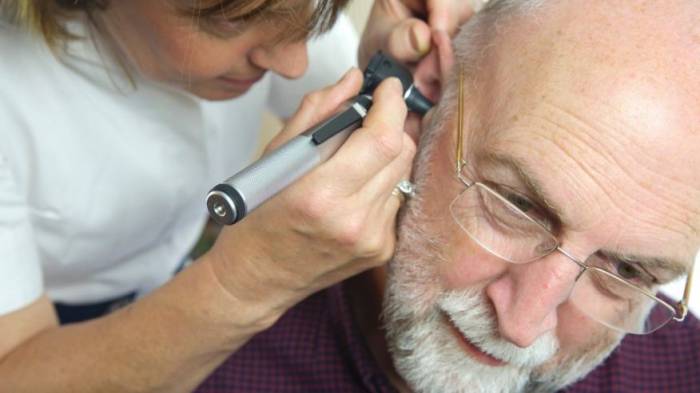
If you've been sweating, a watery discharge from your ear is probably the result of your perspiration leaking down into your ear and mixing with the wax, Comer says. But if you haven't been sweating, and the watery wax is greenish or dark yellow, that could indicate an ear infection, he says.

advertisement
#5 Your earwax is flaky
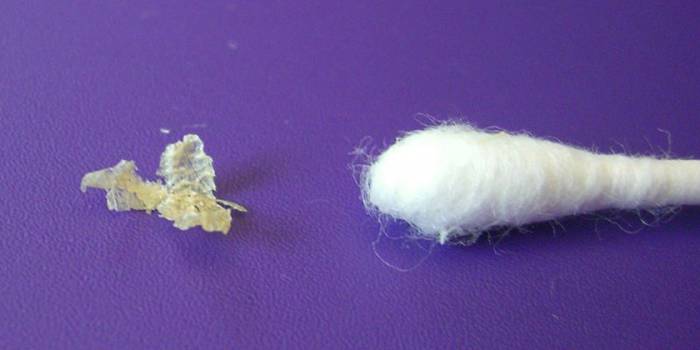
If your earwax and ear canal skin is flaky and dry, it could actually be eczema. “People can actually get eczema in the ear, too, but it’s pretty easily treated,” says Dr. Tweel. This earwax consistency, possibly accompanied by soreness, could also be a sign of psoriasis, though this is less common. “Patients usually already know they have this because they’ll see rashes elsewhere, but it’s definitely worth bringing up,” he says. These remedies can give you eczema and psoriasis relief.
advertisement
#6 It has a strong odor.
You may have an infection or damage in the middle part of your ear. This can lead to a number of symptoms that, together, doctors refer to as "chronic otitis media." One of those symptoms: "You could get a foul-smelling drainage from your ear," Comer said. If your middle ear is messed up, you may also notice problems with your sense of balance, a ringing in your ears, or the sensation that your ear is full or blocked. See your doc.

advertisement
#7 Dark Brown Or Black
While black or very dark brown wax is scary looking, it is probably no cause for alarm.
Dark earwax could be a sign of the overproduction of wax from stress as mentioned above.
It is also a sign that it has been in your ear for a while. The fats in your earwax react to oxygen, causing the substance to darken. The longer the wax is in your ear canal, the more oxygen it’s exposed to, leading to a darker hue.

advertisement
#8 What if you don't get earwax at all?
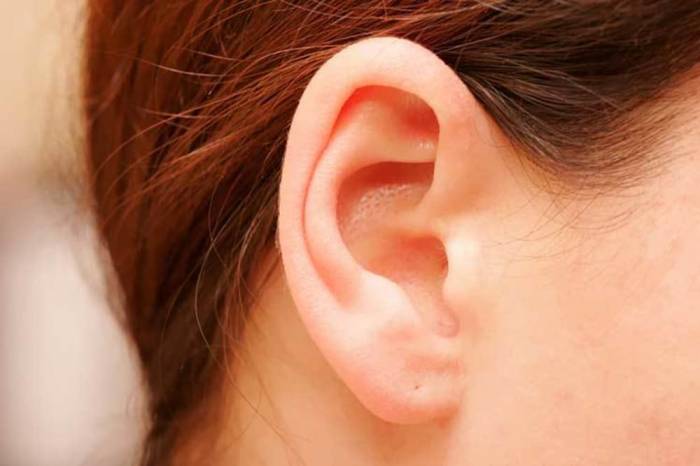
Take doctor's advice, if earwax doesn't occur. It may be a condition of keratitis obturans.
advertisement
#9 Wet And Runny
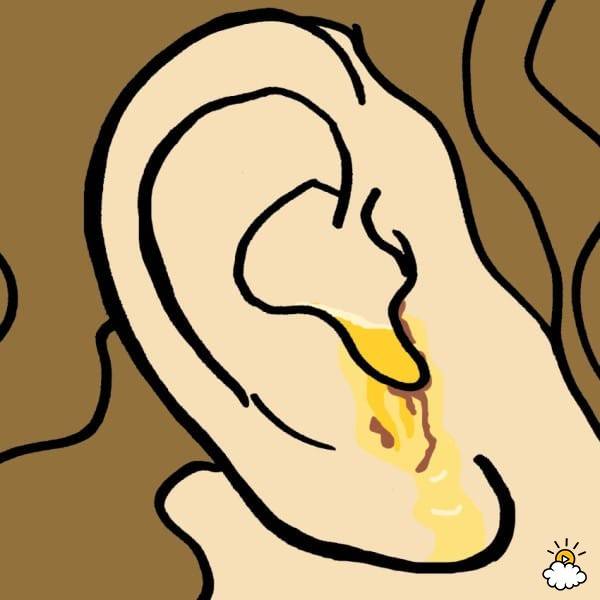
It is normal for ear wax to leak from the ear canal from time to time in small degrees, as this is your ear’s natural cleaning mechanism.
However, large volumes of drainage with blood and pus in them is a sure sign of a ruptured or perforated ear drum.
see a doctor immediately.
advertisement
#10 How Should I Safely Clean My Ears?
Before anyone reaches for a cotton swab, it’s important to know how to safely clean your ears.
A cotton swab should never be inserted into the ear canal. In fact, your ears have their own way of self cleaning by pushing out wax on their own.
Sometimes this can cause earwax to build up on the external part of the ear, which can be gently cleaned using a cotton swab or wet cloth.
Resist all urges to place a foreign object inside your ear canal.

Keep an eye on your body's functions because precaution is better than cure and early treatment can prevent serious ailments.