Having pets is possibly the best feeling in the world but studies suggest that more than 60% of Americans are allergic to cats or dogs. As these fluffy little things are our companions and if re-homing is not on your list, then a few home remedies and preventive measures may help you stay in with that fur ball of yours! Read about cat allergies and all that you wanted to know about them.

Your Pet May Mean The World To You But You Need To Know About Cat Allergies To Stay Healthy And Safe Too!!
By
Editorial Staff in
Facts
On 26th February 2016
advertisement
#1 What is cat allergy and what causes it?
Cat allergens include cat hair, cat saliva and cat urine. This is collectively known as cat dander. Allergic reactions to cat hair, cat saliva and other proteins cause our body to release histamine which results in the allergic symptoms. When our immune system releases histamine to protect us against these allergens, we might suffer from discomforts such as rubbing our nose, itching etc. The most common reactions to these allergens are coughing, wheezing, chest tightening, itching, nasal blockage, rashes, watering eyes, constant sneezing and other such discomforts.
People suffering from asthma are more likely to suffer from cat allergy.
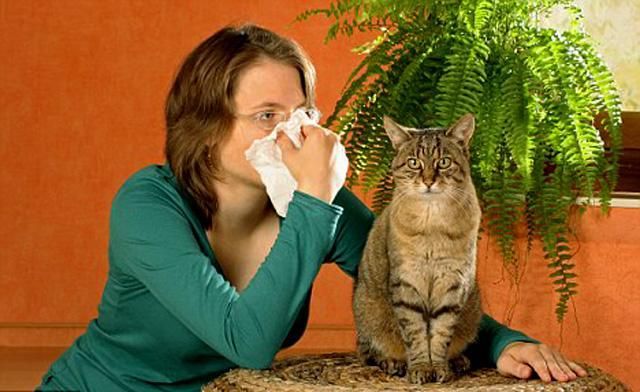
#2 Symptoms of cat allergies and how to test yourself!
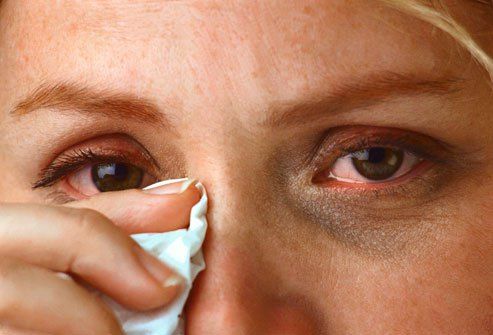
Cat allergy commonly shows itself in form of itching and swelling around the eyes and nose. This might happen shortly after you have been exposed to cat dander. The swelling and itching is one of the milder reactions to the allergens. The skin around the area touched by dander may turn red and you may develop rashes on neck, face and chest.
Serious problems may occur if cat dander gets into the lungs. The allergens may then cause difficulty in breathing, coughing and constant wheezing. If left uncontrolled, the allergy may develop into chronic asthma.
advertisement
#3 How to get cat allergy diagnosed?
Diagnosing cat allergy is a swift and easy process. The most common test is skin prick test, in which the skin's surface usually the back or forearm is rubbed with a little amount of cat dander and the reactions are observed by the doctor. The tests may be done separately or together for different cat dander. If the site becomes red or if excessive itching is observed, the allergy is confirmed.
If the skin prick test is ambiguous then the doctors may go for blood test. In this case the blood is tested for antibodies to common allergens such as cat dander.
#4 How to cope up with cat allergies?
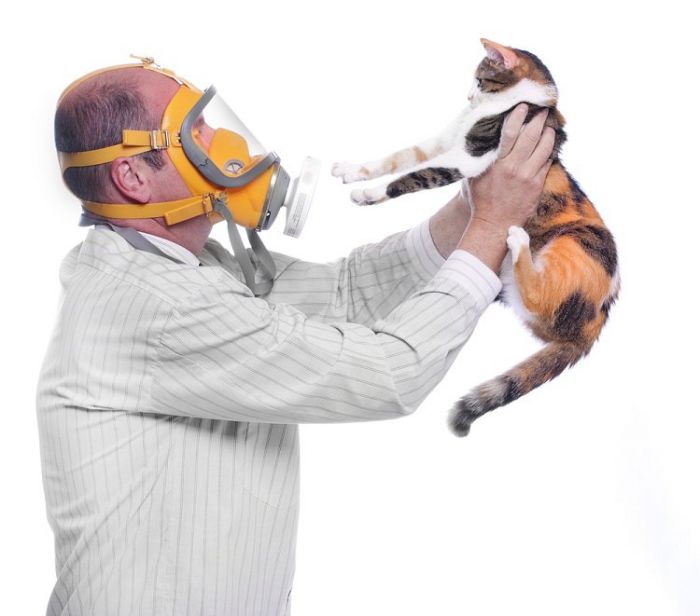
Avoiding allergens is the best possible way to keep healthy but if you really are a cat person and re-homing the cat is not an option then you can go for the following treatments and remedies to prevent cat allergies-
Allergy shots or medication- Visit a doctor and consult for medicines such as Antihistamines, corticosteroids, leukotriene modifiers or decongestant sprays. Immunotherapy is a course or series of shots to desensitize a person to the allergens.
Salt Water Home remedies are handy and one such solution is salt water. Saline water helps in decongesting the nasal passages and provides comfort in sneezing. Investing in a saline nasal drop may also be a handy solution.
Air purifiers Air filters provide great comfort from cat allergies. The filters reduce cat allergens in the air and decrease the reactions.
Get your male cat fixed. If you can go for this option then do think about it as neutered cats produce less allergen and reduce your risk of allergy.
Prohibit or prevent the cat from entering your bedroom. This will reduce from spreading the allergens in the air and on your bed.
Wash your hands and keep your sanitizer handy after touching the cat.
Reduce the wall to wall carpeting and upholstery furniture. Say bye bye to that soft chair as tiles or wooden flooring store less allergens.
Wash rugs and blankets frequently in hot water to get rid of cat dander on a regular basis.
Use a face mask. Cover your face whenever possible and try to keep the place clean generally.
Keep your cat clean with regular bathing and grooming.
So, now you can try out these steps and make handle your allergies and also love your cat.
Also take a look at diseases you can get from your pets.