

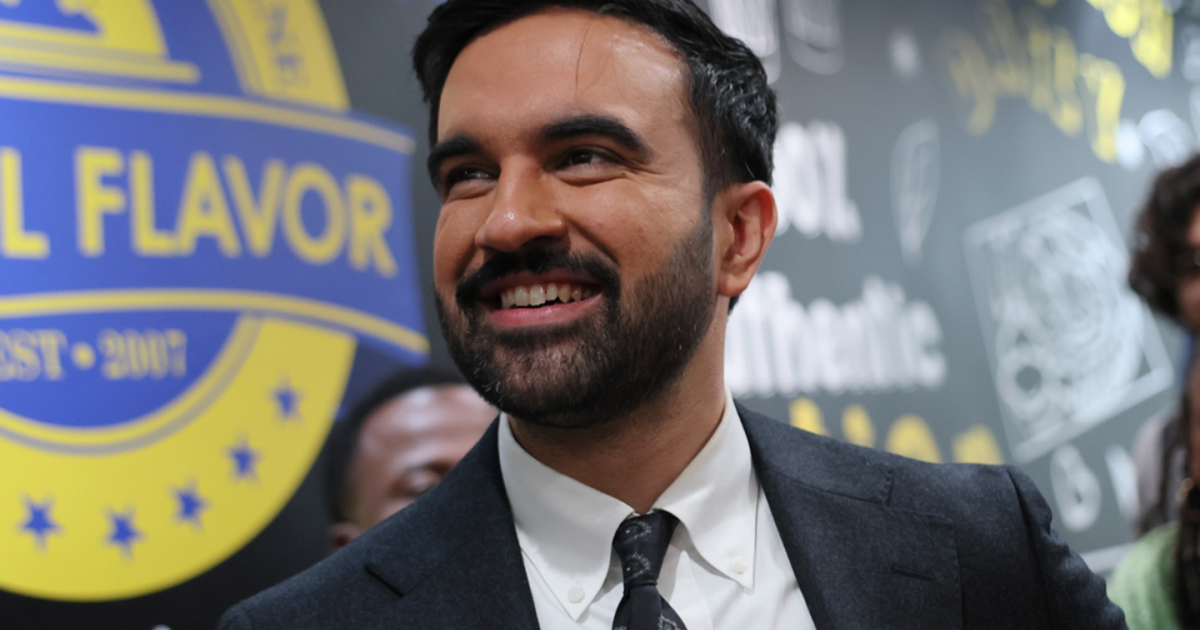
The claim appeared on social media soon after Mamdani’s win in the New York City mayoral race
advertisement
People online have been claiming that Zohran Mamdani plans to ‘introduce Arabic numerals’ into New York City schools, but the situation is not as dramatic as it sounds. The phrase spread quickly and sparked a lot of reaction, so it’s worth taking a closer look at what is actually being said.
Mamdani won the New York mayoral election after running a campaign centered on making the city more affordable and improving daily life for residents. His focus on cost of living struck a chord with many voters who felt the pressure of rising expenses.
Shortly after Donald Trump won the 2024 presidential election, Mamdani went out into the streets to speak directly with New Yorkers about their votes. He noted that the high cost of living was one of the most common concerns he heard from the people he approached.
During his campaign, Mamdani—who has openly embraced being the first South Asian and first Muslim mayor in New York City’s history—faced several attacks that targeted his religion. These comments often had little to do with his policies and became a repeated theme throughout the election season.
Once he won, new claims began to pop up online suggesting that the mayor-elect wanted to introduce ‘Arabic numerals’ into public schools. The idea gained traction mostly because people misunderstood what the phrase actually referred to.
So the question is: what does this claim really mean, and why did it spread so quickly?
advertisement
Arabic numerals explained
The idea that Mamdani is planning something unusual started out as a joke among his supporters. They were poking fun at the fact that the number system used around the world today in math and everyday life actually comes from what are known as Arabic numerals.
Arab scholars played a major role in bringing this style of writing numbers to Europe, and over time it became the foundation for the digits we still use today. This is why the numbers 0 through 9 are called ‘Arabic numerals’ in the first place.
In other words, students in New York—and everywhere else across the United States—already use ‘Arabic numerals’ every single day in school. Nothing new is being added, and nothing about the school curriculum is changing because of this online rumor.
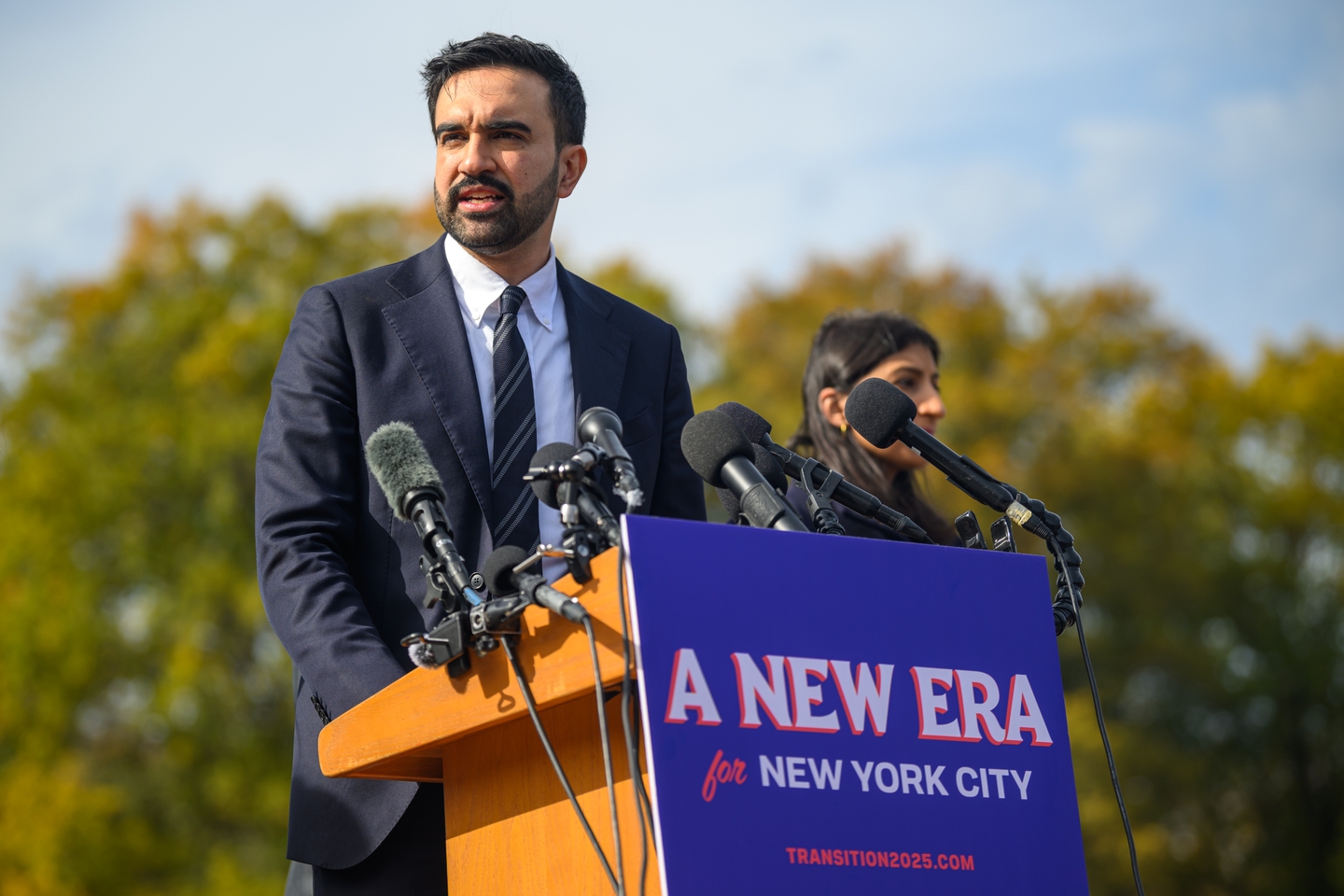
Zohran Mamdani is the mayor elect of New York City
Alexi J. Rosenfeld/Getty Images
There is one difference worth noting. In modern Arabic, the symbols for digits look different, so the numbers ‘1 2 3 4 5’ appear as ‘Ù¥ Ù¤ Ù£ Ù¢ Ù¡’. These symbols serve the same function but simply evolved in a different direction over time.
Still, the underlying system of using digits from 0 to 9 to form numbers comes from Arabic origins. The symbols we use today changed as the system spread through Europe, but the structure behind the numbers stayed the same.
This was very different from the Roman numeral system once used in Europe. Roman numerals rely on letters with designated values, and the order of the letters determines whether you add or subtract numbers. For instance, V (5) placed before I (1) makes IV (4), but when reversed, VI becomes 6. The system is far more complicated and not nearly as efficient as the digit-based one used now.
advertisement
Is Mamdani really introducing 'Arabic numerals' in NY schools?
As explained earlier, the claim is not true. It began as a joke on social media to highlight how extreme some of the comments about Mamdani had become. But like many internet jokes, it eventually reached people who didn’t understand the reference and took it at face value.
One person who appeared to take the claim seriously was West Virginia House Delegate Derrick Evans, who was involved in the January 6 Capitol riot and later faced charges tied to that event. His reaction helped the rumor gain even more attention.
Mr Evans wrote: "BREAKING: Zohran Mamdani is expected to require ALL New York Elementary school students to learn Arabic numerals."
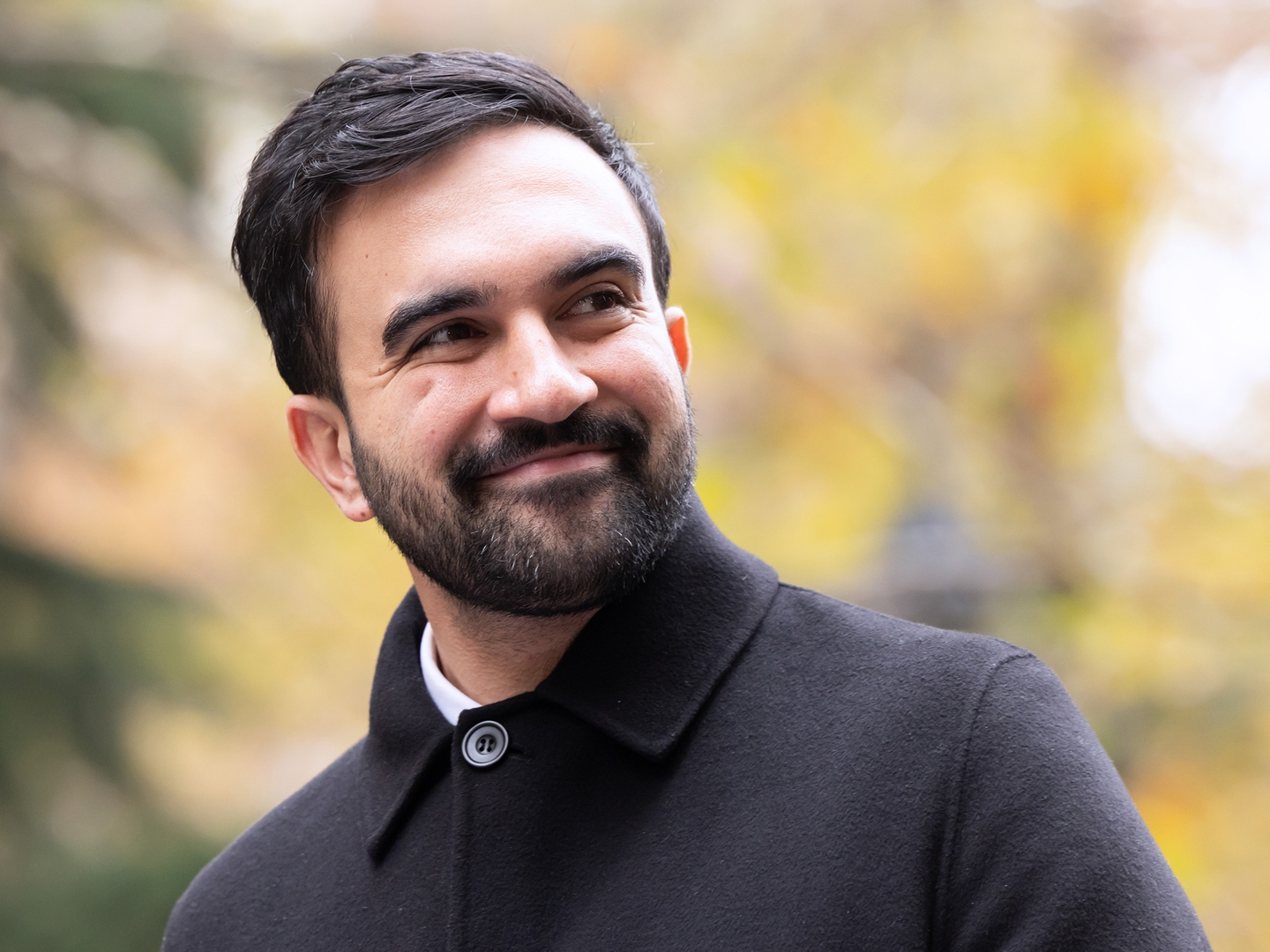
Mamdani won the New York City mayoral election
BG048/Bauer-Griffin/GC Images
advertisement
Mamdani’s campaign, however, involved much more than references to Arabic numerals. In fact, he released an entire campaign video spoken in fluent Arabic, smoothly switching between Modern Standard Arabic (fus'ha) and regional dialects. The video showed the range of languages and communities he wanted to reach during his run for office.
He did not stop there. His team also produced campaign videos in Spanish, Hindi, and Urdu to connect with even more New Yorkers, highlighting his goal of speaking directly to a wide and diverse audience.