Take A look at the fads that lost their way between 2006 and the present day.
10 Gaming Trends That Died This Generation
By
Editorial Staff in
Geeks and Gaming
On 26th November 2015
advertisement
Introduction
Gaming tends to go through cycles. Console cycles, patterns in genres and the all important gamer habits are just some of the trends that grip the industry from time to time. Trends rock the industry at regular intervals but, as the name implies, they seldom last any length of time at all.
Whether they were just flashes in the pan or those rare long held trends within gaming, there were plenty of habits that died out in the seventh console generation. As we look back at the end of the PS3/Xbox 360/Wii era, we've listed ten of these dead trends for you.
Do you agree with our list? Do you have anything else to add? Let us know in the comments section below.
1. Visual Gimmicks
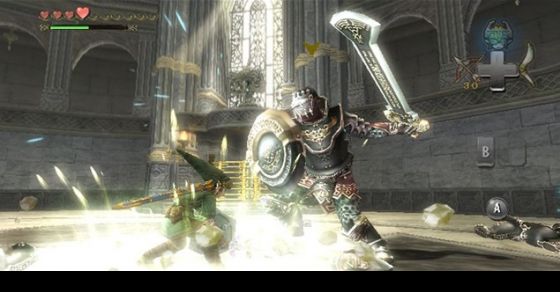
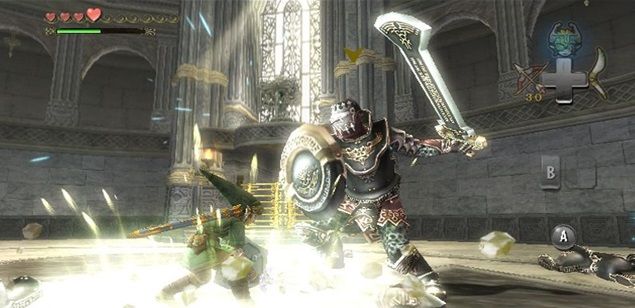
Nintendo began the visual gimmicks of this generation with their introduction of a second screen on the DS. During the handheld's initial year, too many games wasted this potential to create mediocre dual screen experiences. There has been far more visual monotony than this though. Zelda: Twilight Princess and Elder Scrolls: Oblivion were two titles that criminally overused bloom lighting; a trend many 2006 games abused. Though it died out fairly quickly over the coming years, Nintendo and Sony's push into 3D gaming hasn't taken off in quite the way they expected, resulting in a late generation trend that arguably finished before it even started. 3D is still prominent in the film industry, but it never quite gained traction in gaming.
advertisement
2. Unnecessary Motion Controls
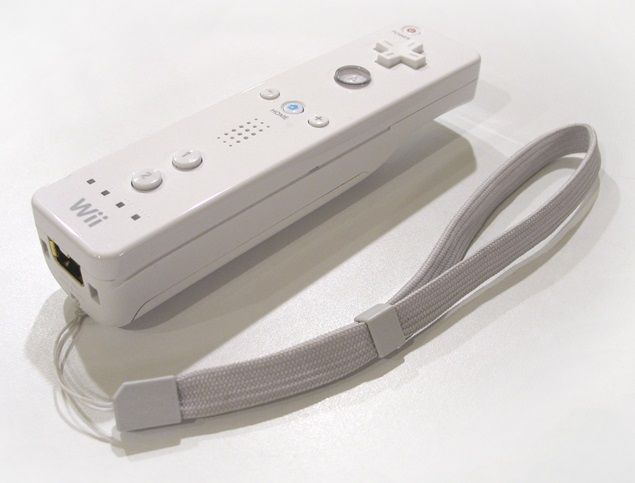
Another frustrating trend we can only blame Nintendo for, no handheld or Wii title was safe from useless motion controls in 2006. Things got better as developers realised what was expected of games on these systems, but unnecessary motion functionality crept back into early PS Move and Kinect games when Sony and MS joined the waggle wars in 2010. The unveiled design of the PS4 controller may prompt inexperienced devs to once again waste the motion control potential of the joypad, but I'm sincerely hoping this is one trend we can consider laid to rest.
3. Offline Multiplayer
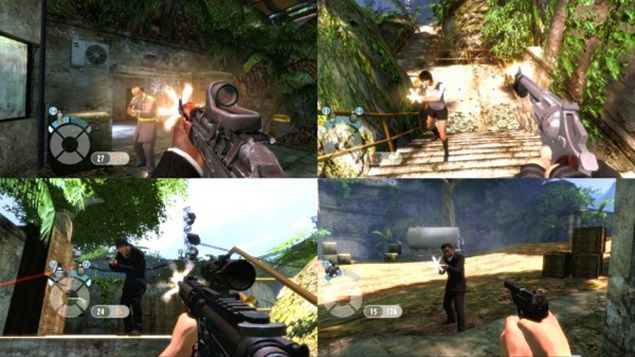
And what a sad element of games to leave us. The growing prominence of online gaming on consoles has really driven the nail into the offline multiplayer coffin. Whilst some titles still boast prominent local multiplayer such as the Lego series and Rayman Origins, others are stripping down these elements in favour of online experiences. Even worse is the decline of LAN play, with many high-profile PC developers totally removing LAN functionality from their upcoming games. My old Diablo and Starcraft years are long behind me it would seem.
advertisement
4. Good Instruction Manuals
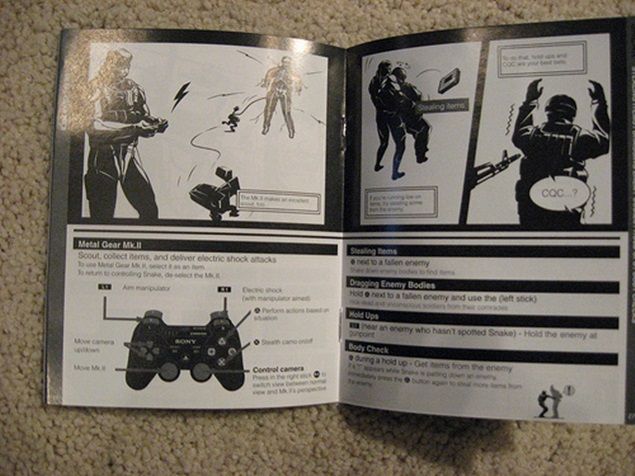
In rare down time over the Easter week I picked up a slew of (moderately priced) games in town, for fun rather than for work. Once I got home, I eagerly tore the cases open hoping to read through the manuals with the same relish I did in my youth. I couldn't though, because each manual was an average of three pages long. I understand the need to conserve paper and printing costs, but a game should be a total experience, and the experience starts with the instruction manual. All we have in their place are tutorials and endless handholding, definitely more a curse than a blessing in many titles.
advertisement
5. Portable Storage
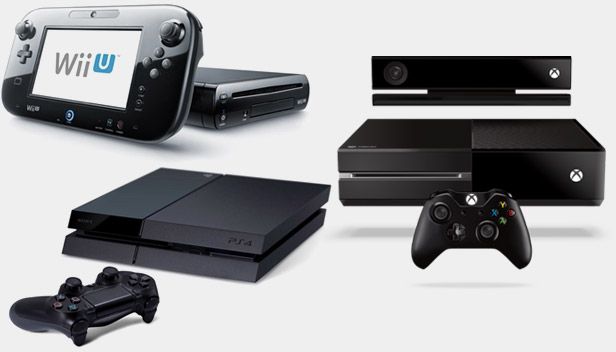
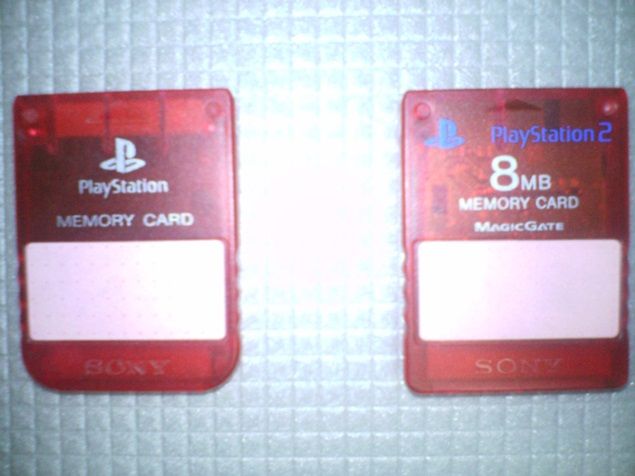
Considering memory cards only really came into prominence with the launch of the original PlayStation, they haven't really been around all that long. Despite this, portable storage persisted on the PS2 and Gamecube in a major way, with the Xbox being the only sixth generation console to lack removable storage as standard (though it was optional). Though older 360 models used removable hard drives, neither the Wii or PS3 offered similar designs, and next gen looks set to follow suit with internal hard drives only.
advertisement
6. Horror
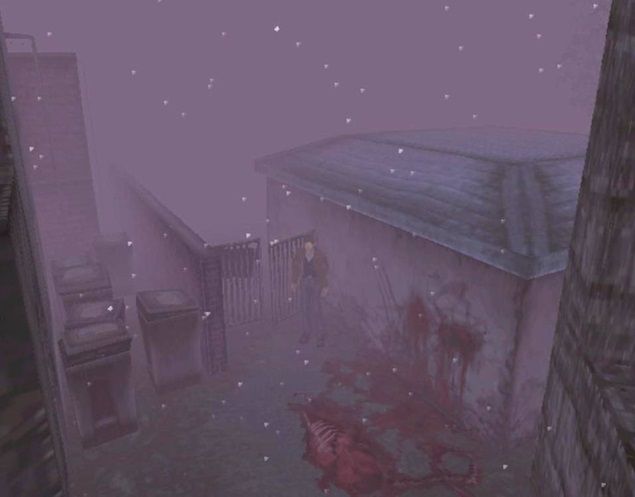
Though it may sound like a counter-productive claim, I truly believe that hardware limitations produced the greatest horror games ever seen. Those pixelated zombies, the wooden Pinter-esque voice acting and the draw distance-masking fog in Silent Hill are all examples of the ambiguity that horror needs to be truly effective. The moment these limitations were no longer necessary on modern hardware, scares just failed to exist in games. Dead Space and Deadly Premonition are the only examples of actually scary games released this gen, and the former has gone the way of the recent Resident Evil games with later iterations while the latter had beautifully restrictive ambiguity throughout on account of its budget development.
advertisement
7. Handheld Console Dominance
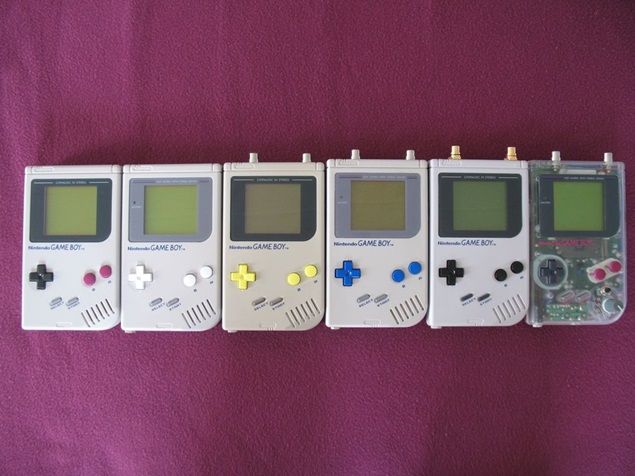
The first ever console I owned was a Gameboy, a system I coveted like nothing else during my tender infant years. No product engendered such brand loyalty like the Gameboy, purely because there was nothing else like it at the time. As phone gaming has become a more viable platform, handheld consoles have struggled to retain their influence over the years and, though the DS was a resounding success, it was crippled by mass piracy. The 3DS and Vita have got off to a slow start that is only improving slowly, so we can only hope things keep getting better for them in their never ending battle against the iPhone.
advertisement
8. True Backwards Compatibility
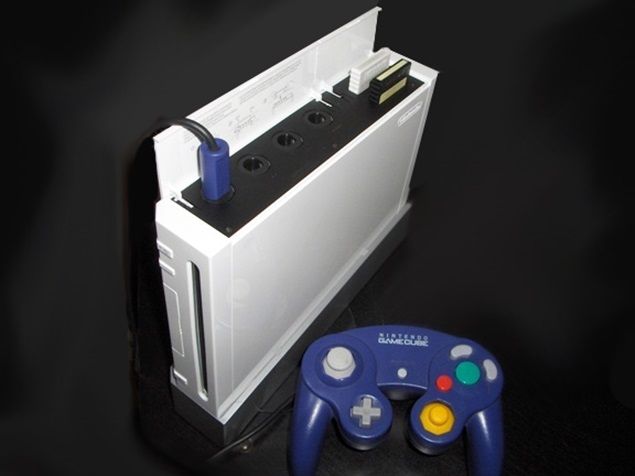
This one was short lived but, what with the PS2 being the primary console of influence during the sixth generation, there was a time when it felt backwards compatibility was here to stay. Even on the consoles where this wasn't the case, BC was an all or nothing affair. This generation saw the 360 put in weak and half-arsed Xbox support that, along with the rise in HD remakes, has led to BC becoming a money driven affair rather than a bonus in the hardware.
advertisement
9. Plentiful Exclusives
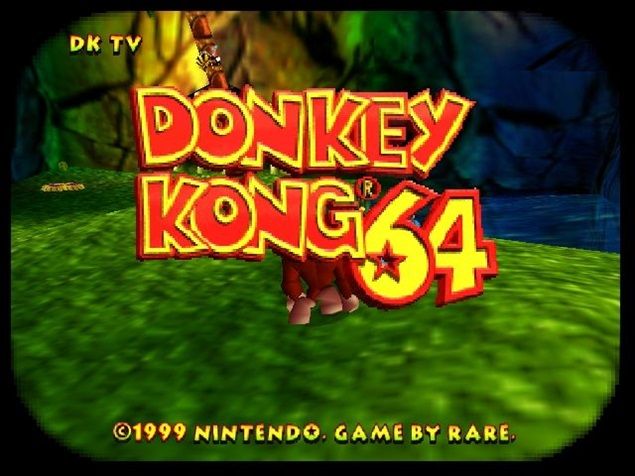
You could tell a lot about someone by what console they had in years gone by. PC players, PS1 fans and N64 devotees all played totally different games and in totally different ways. The different games media, controllers and developers made for totally different experiences. The dawn of the standard dual analogue stick setup and the death of the cartridge removed this barrier between systems though, leading to far fewer exclusives. This trend was pushed even further this generation, to the point where truly decisive system exclusives can often be counted on one hand.
advertisement
10. Complete Packages
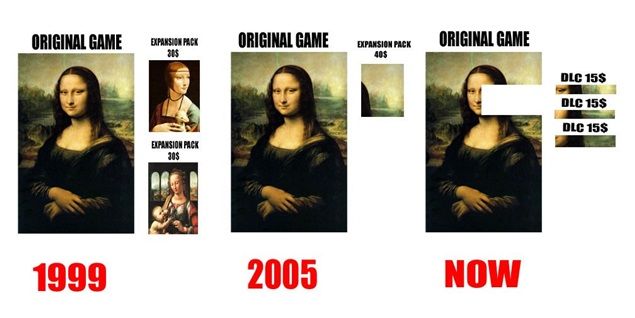
The rise of all-encompassing online services has led to far more content being delivered digitally. Whilst this leads to great little additions when used correctly, it has also broken up plenty of games into a series of micro-experiences. Only five or six years ago you would take a game home and enjoy it in its entirety. No DLC, patches, multiplayer unlock codes, micro-transactions, season passes etc. Now it seems few games are ever released as a complete package.