

Some trans men, transmasculine people, and non-binary individuals are using a term that can sound contradictory at first, while others argue that it conflicts with the established meaning of lesbian.
advertisement
There is still a long way to go on LGBTQ+ rights, but people in 2026 have access to more language for describing their gender and sexuality than past generations did.
Traditional labels do not fit everyone. Some people feel comfortable using familiar words, while others combine identities or choose newer terms that better reflect how they see themselves.
With so many labels now in use, it might seem as though everyone could find one that works. Yet identity can be more complex than a single word, and that is where one debated term has entered the discussion.
Many people in the queer community do not identify within simple pairs such as male or female, or gay or straight. Their gender, attraction, or both may sit outside those older categories.
Even newer labels such as demisexual and pansexual do not describe every person's experience. As a result, some people use combinations of words that may appear to clash when first heard.
One example gaining attention on social media is "Male Lesbians". A growing number of people are using the label, even though its two words seem contradictory under the most common definitions.
advertisement
There is no standard dictionary definition that explains exactly what a male lesbian is. There is also no agreement across LGBTQ+ communities about who can use the term or what it must mean.
Some members of the queer and lesbian communities reject the label. They understand lesbian to mean a woman, or someone who is not a man, who is attracted to women or other non-men.
From that view, adding the word male changes the identity so much that the two terms no longer fit together. People who use the label, however, often understand lesbian as more than a basic description of gender and attraction.
Why the label can sound contradictory at first
The disagreement begins with how people define the word lesbian. When it is treated only as a sexuality label, the addition of male can appear impossible to reconcile.
Some people also use lesbian to describe a culture, community, personal history, and way of relating to others. Under that meaning, the word may remain important even when a person's understanding of their gender changes.
This difference explains why the term can make sense to the person using it while still sounding inaccurate or upsetting to someone who holds a narrower definition.
advertisement
The label has divided people within lesbian communities
Sexologist and educator Kiki Maree said the meaning of male lesbian remains the subject of debate both inside LGBTQ+ communities and among people outside them.
She told BoredPanda: "There isn't a single definition or community consensus, which is one of the reasons the term generates so much discussion."
Maree also explained why many people do not view it as an established identity: "Today, many LGBTQ+ people would say that 'male lesbian' is not a standard or widely accepted identity, as lesbian is commonly understood to refer to someone who is not a man and who is primarily or exclusively attracted to women or other non-men."
advertisement
There is no shared definition for everyone using it
Because the term has no agreed meaning, two people who call themselves male lesbians may not be trying to express the exact same identity.
For one person, the label may describe a connection to lesbian culture that began before a gender transition. For someone else, it may express a gender experience that does not fit neatly into male, female, or non-binary categories.
This personal use makes the term difficult to define from the outside. It also helps explain why discussions often become tense when people expect one fixed meaning that applies to everyone.
advertisement
For some people who do not fit within binary gender identities, male lesbian expresses both sexuality and gender at the same time.
The label allows them to acknowledge a masculine or male identity without giving up the word lesbian as part of how they understand themselves.
That approach treats identity as something personal and layered rather than a checklist where one label must cancel out another. It does not mean every trans, non-binary, or lesbian person accepts the term.
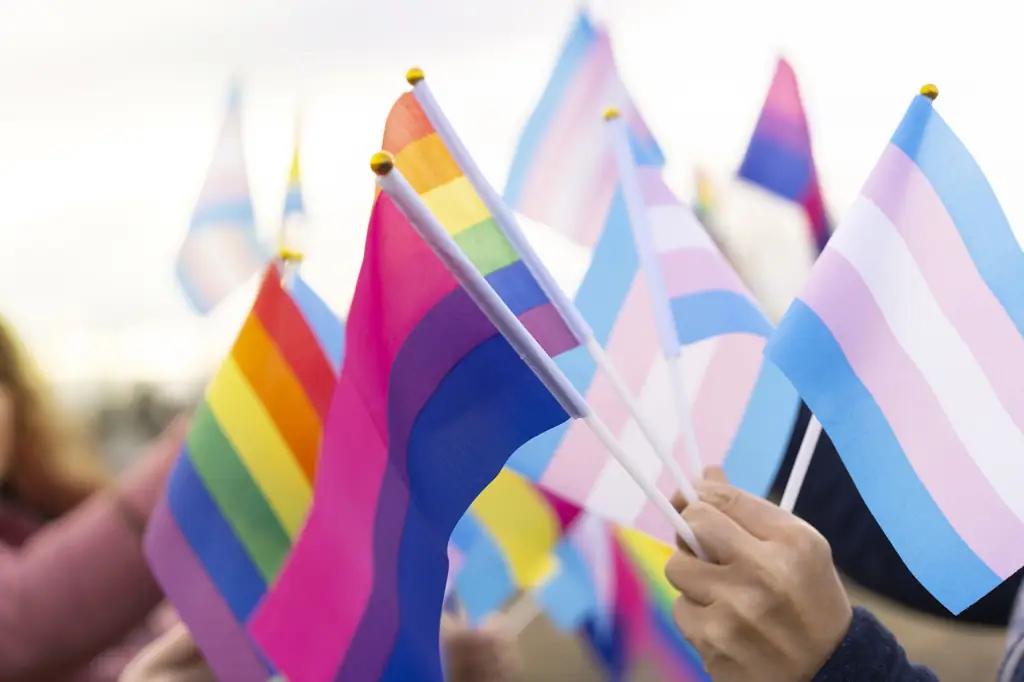
Male Lesbians is becoming a popular term on social media.
Credit: Vladimir Vladimirov / Getty
advertisement
Gender and sexuality are not always described separately
Gender identity describes how a person understands their gender, while sexuality usually refers to who they are attracted to. Many common labels keep those two parts separate.
People who use male lesbian may not see such a clear line between them. For those individuals, being lesbian can shape how they experience gender as well as attraction.
This is also why a definition based only on the words male and lesbian can miss what the user is trying to express. The meaning may depend on personal history and belonging as much as it does on attraction.
advertisement
Some trans men continue identifying as lesbians
An LGBTQ+ and gender studies expert said the controversial label is most often used by "transgender men, transmasculine people, or some non-binary individuals who identify and live as male or masculine but who identify as lesbian," particularly when older identity categories no longer describe their experience.
The expert explained that some people keep using lesbian during and after a transition, "usually because of [their] attraction to women and/or because lesbian describes a community, history, or way of relating that might predate [their] transition."
They added: "Within trans communities, it's largely understood as a self-descriptive term."
advertisement
A transition does not always erase an earlier community
Someone may spend years building friendships, relationships, and a sense of belonging within lesbian spaces before understanding themselves as trans or transmasculine.
For some, dropping the lesbian label after transitioning would feel like losing a major part of their history. Keeping it can recognize the community that shaped their life before and during that change.
Others believe a male identity should place someone outside the lesbian label regardless of that history. The disagreement is not only about attraction; it is also about who belongs within a community and who can name that connection.
advertisement
Not everyone accepts that explanation. The expert noted: "Yet, some lesbians push back on any man, trans or cis, using the label because they see it as blurring a category that takes work to defend."
A TikTok user who identifies as a lesbian trans man described the objections they often receive: "When I tell people that I am a lesbian trans man, one of the most common arguments I get against my identity is that if I was just trans masculine, or just non-binary, that would okay, but being a trans man is too far."
They also explained that being a trans man does not mean they fit fully within a binary male identity. They identify as non-binary as well, which adds another layer to how they use the label.
advertisement
The argument centers on identity and community boundaries
People on both sides are placing importance on the word lesbian, but they are protecting different parts of its meaning.
Those who oppose male lesbian may feel that allowing men to use the term weakens a category created for people who are not men. Those using it may feel that excluding them erases years of personal history, attraction, and belonging.
Neither position creates a definition accepted across the whole community. For now, male lesbian remains a personal label used by some people and rejected by others.
For the TikTok user, lesbian is not only a word that describes who they are attracted to. They see it as part of their gender and their deeper sense of self.
They explained that connection by saying: "I view lesbian as part of my gender, lesbian is a part of my gender experience, like lesbian exists in the depths of my soul, it's way more than just a s*xuality for me."
The statement captures why the label can be hard to understand through a strict dictionary meaning. To the person using it, lesbian may describe identity, community, history, and sexuality all at once.