As a society, we are now used to seeing huge budgets attached to Hollywood blockbusters, but when it comes to television show budgets, we’re usually a bit (or a lot) surprised at the staggering costs attached to each episode. A combination of cast salaries, elaborate costume designs, detailed sets, special effects, exotic shooting locations, and extensive post production requirements add up to hefty price tags for the following fourteen most expensive television series ever made. For some of these shows, the high budget was completely worth it given the success and popularity of the show – but for others it was an ambitious flop.
advertisement
1. TERRA NOVA
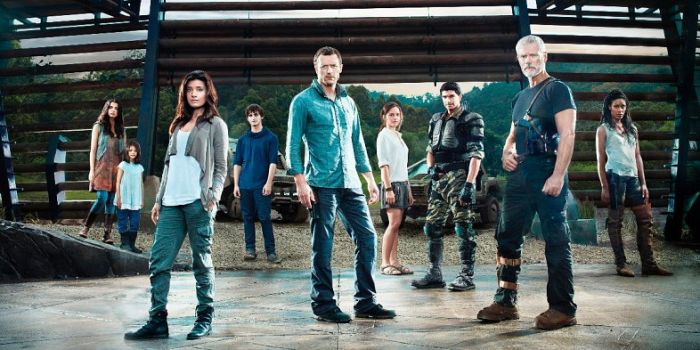
Fox was ambitious when they ordered the time-travel/dinosaur sci-fi series to be picked up in 2011. Possibly due to the attached Steven Speilberg stamp-of-approval, the network skipped the standard litmus test of a pilot episode. Instead, they purchased a 13 installment season of Terra Nova, including a two-hour premiere episode that cost $14 million USD to produce.
With massive sets, incredible amounts of special effects, and cast travel to Australia, the financial burden of the show prompted Fox to cease production after the first season. However, with a relatively decent fanbase of about 10 million viewers, the show spent a few years being shopped to other networks to continue the series.
At this point, however, Terra Nova is unlikely to return to the small screen.
2. DEADWOOD
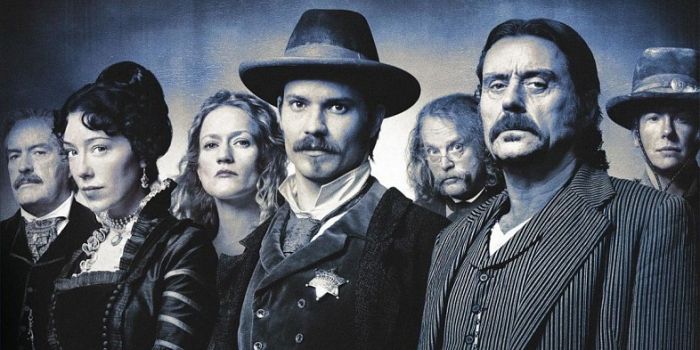
Starring Timothy Olyphant in a Western period drama, HBO committed hard to this series, and went so far to build an actual old west town, not just a set with building fronts. As The New York Times put it "When one of the residents of the town needs a fancy new house, HBO builds a fancy new house, from the stone foundations to the lacy curtains." Featuring stores, two saloons, stables, and homes, the town of Deadwood cost a small fortune to create but gave the show a truly authentic feel.
advertisement
3. BOARDWALK EMPIRE
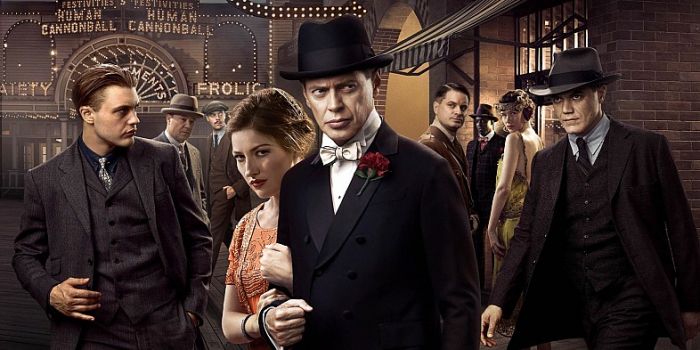
Borrowing from the Deadwood school of doing it real, the pilot episode of Boardwalk Empire cost $18 million to make, as it entailed the complete recreation of the 1920s Atlantic City boardwalk. Complete with authentic music, cars, clothes, and guns from the roaring twenties, the show became famed for its depiction of historical figures and America during the Prohibition-era. Telling the story through the lens of infamous politician/gangster Enoch "Nucky" Thompson (Steve Buscemi), Boardwalk Empire was a hit with both viewers and critics.
With famed filmmaker Martin Scorsese directing the pilot, and the star-power of Buscemi leading the series, the tale of prohibition era gangs wasn't as easy to kill as Deadwood or Rome. Having learned their lesson, HBO allowed a full five season run of Boardwalk Empire and gave the writers and producers the chance to end the story on their terms.
4. FRASIER
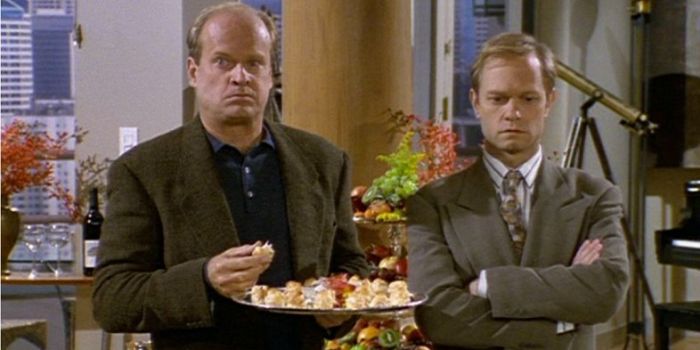
As noted in our list of highest paid TV actors, Frasier started with the main character & actor, Kelsey Grammer, firmly established with the network. Therefore, NBC didn't have the luxury of a few contract negotiations before Grammer earned a top level salary for his role of Dr. Frasier Crane. By the 11th and final season of the show, Grammer was making $1.6 million dollars per episode, or about 30% of the total budget.
Add to that the cost of co-stars David Hyde Pierce ($750,000), John Mahoney ($700,000), and Jane Leeves ($367,000) and it inflates the total production cost pretty dramatically. Even Moose and Enzo, the dogs who portrayed Eddie, earned $10,000 per episode. Combined, the stars took home 66% of the total per episode budget. No small wonder the show required such a strong investment to keep it on the air.
advertisement
5. GAME OF THRONES
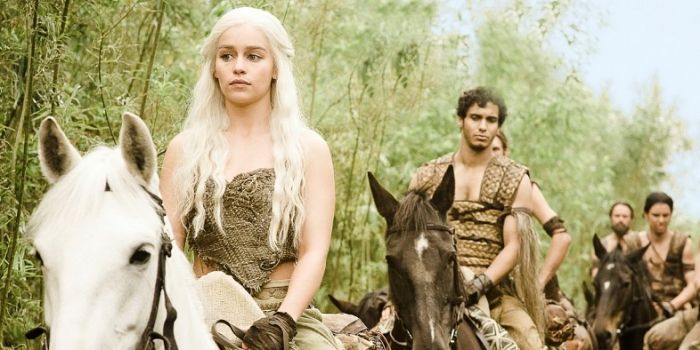
Often a series can quote one of a few reasons for high production costs; remote locations, massive sets, cast salaries, or special effects. HBO's Game of Thrones can boldly lay claim to conquering all of these issues, as well as requiring and satisfying a need for period dress for the large main cast and even larger numbers of extras in each battle sequence, mob, or city street scene.
Notably, the pilot episode of the series cost $10 million to make, mostly the costs of establishing the many sets used in the series. However, the episode had to be partially reshot before airing, as some important characters, including matriarch Catelyn Stark, were recast once HBO picked up a season of the extensive series.
advertisement
6. CAMELOT
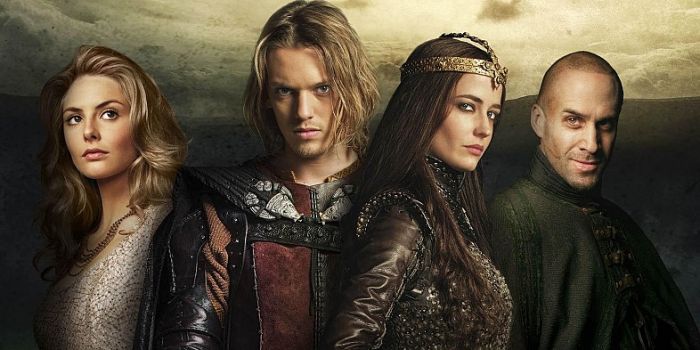
Timing, not investment, caused the downfall of this Starz series. With a cast made up of recognizable actors including Joseph Fiennes (Enemy at the Gates, American Horror Story), Jamie Campbell Bower (Twilight Saga, Harry Potter and the Deathly Hallows), and Eva Green (Kingdom of Heaven, Casino Royale), the Arthurian origin show received heavy promotion and good pre-launch reviews.
Unfortunately, the premiere episode aired only two months before HBO juggernaut Game of Thrones started and viewers in want of knights and swordplay seemed ready to wait for the George R. R. Martin series. As with all other period dramas mentioned, sets, costume, and transport proved to be a substantial burden on the budget, and without ratings to match, Starz opted to cancel Camelot after the first season.
advertisement
7. MARCO POLO
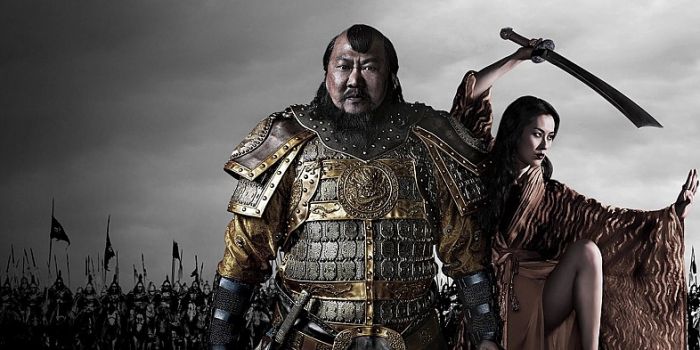
Like Game of Thrones, Camelot, and Rome demonstrate, creating a show in another period can be a costly endeavor. When incorporating elements of culture entirely foreign to the production, as Marco Polo does with Kublai Kahn's Mongolia of the 1200s, costs can rise even faster. Experts, materials, and techniques common to western producers may not be applicable for the production, and expensive specialists may be required.
With a budget of $90 million for the 10 episode 1st season, Marco Polo was a considerable gamble for Netflix, which is funded solely on small monthly subscriptions. Confident in its success so far (tracking numbers for Netflix are privately held), Netflix has ordered a second season of the show for release in 2016. With sets built, the per episode cost will likely decrease somewhat over the next few years.
advertisement
8. FRIENDS
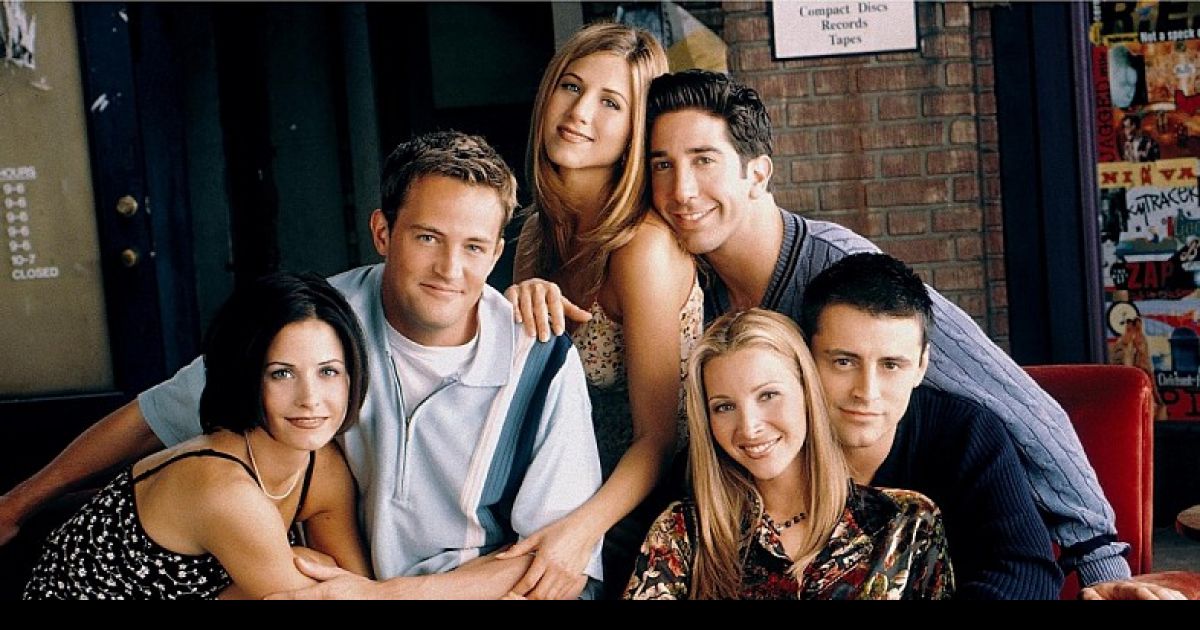
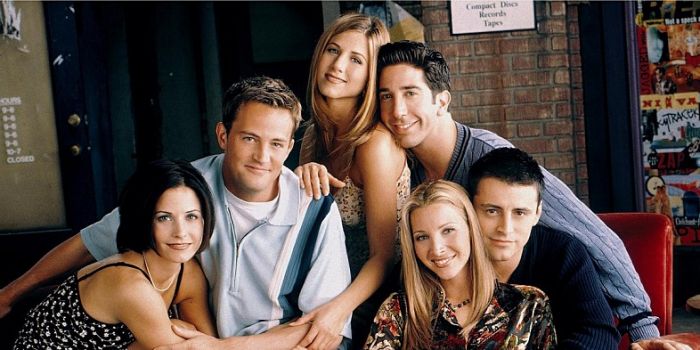
Comedies are often much cheaper than dramas due to fewer sets, smaller casts, and shorter episode lengths. However, Friends faced a particular financial obstacle rarely encountered in Hollywood: star-powered collective bargaining.
Entering into negotiations after early, almost predatory, contracts, the cast of Friends banded together and demanded to be paid at the same rate. This deal made working together more harmonious, but it also meant that, as the cast rose in fame, salaries rose across the board.
By the final season, Friends was the biggest show on TV, and stars David Schwimmer, Jennifer Aniston, Matthew Perry, Lisa Kudrow, Courteney Cox, and Matt LeBlanc were some of the biggest names in the world. With each star earning $1 million per episode, 60% of the per episode cost went to their paychecks, and without cancellation, the show likely couldn't have been able to afford another round of salary talks.
advertisement
9. ROME
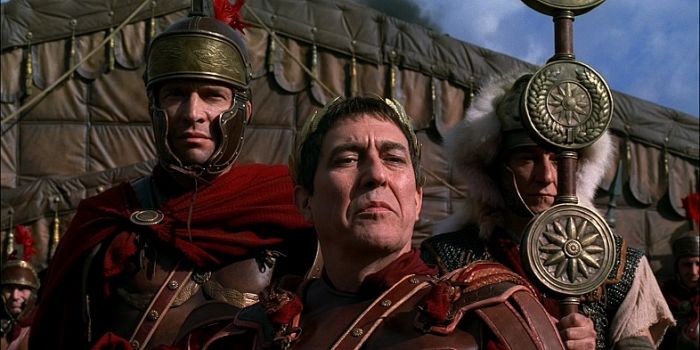
Overlapping Deadwood by a season, HBO was in the precarious position of airing two programs with massive production budgets, without the standard advertising money commonly found on most network and cable stations. Luckily for Rome, HBO partnered with the BBC, who contributed 15% of the cost of the first season for rights to air the program in the UK.
An enormous critical success, Rome won seven Emmys, was nominated for two golden globes, and was well received by both critics and historians. The show went to great lengths to recreate ancient Rome, with a massive set in Italy, a crew of hundreds, and huge numbers of extras. These details added up, and HBO tried to kept a tight reign on the production.
advertisement
10. ER
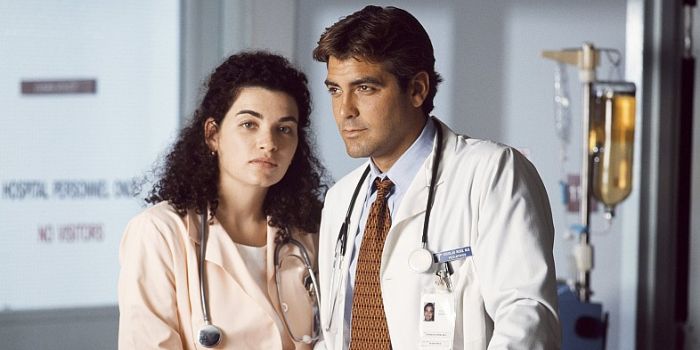
Credited with launching George Clooney's career, ER was a huge drama hit for NBC in the 90's and was the biggest hour on TV during that time. Created by Jurassic Park writer Micheal Crighton, the emergency medical nature of the series allowed for major guest stars on a regular basis and massive ratings.
Coming off two record-setting seasons in 1996 and 1997, NBC was faced with the possibility of losing one of the network's major stars, George Clooney, to an inevitably massive movie career, having already starred in Batman & Robin. To retain him and keep the ratings high, NBC agreed to an enormous two-year budget to pay the salary of the large cast while maintaining the explosive nature of the "special event" type episodes.