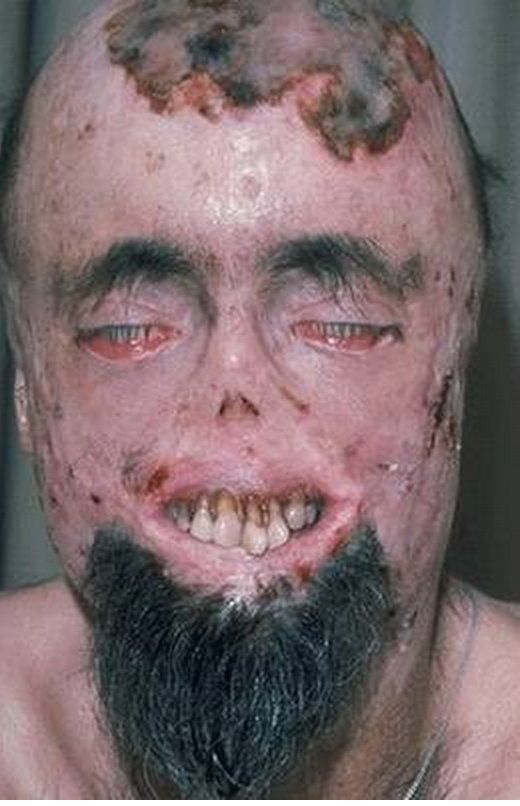
We have to warn out that the article you’re about to read includes some very graphic photos. Our thoughts go out to anybody who suffers from these rare diseases, it’s a burden they shouldn’t have to carry. But you can’t help but find it incredibly interesting to know these extremely rare diseases exist.
14 Extremely Weird Diseases That You Might Not Have Known Exist
By
Waleed Raza in
Bizarre
On 29th December 2015
advertisement
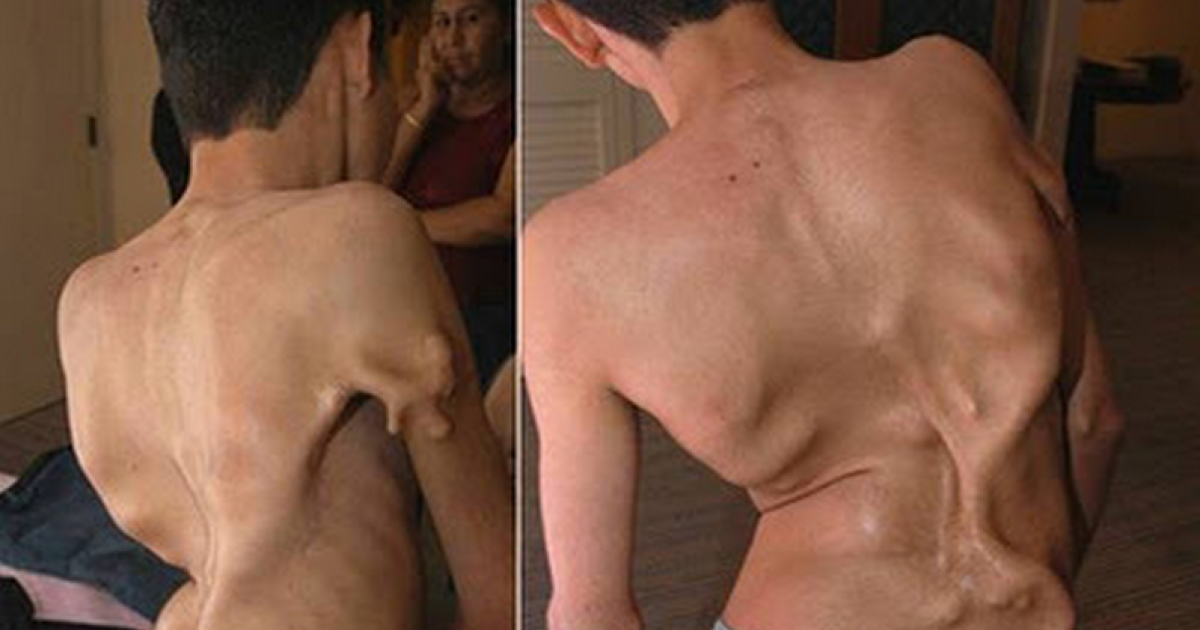
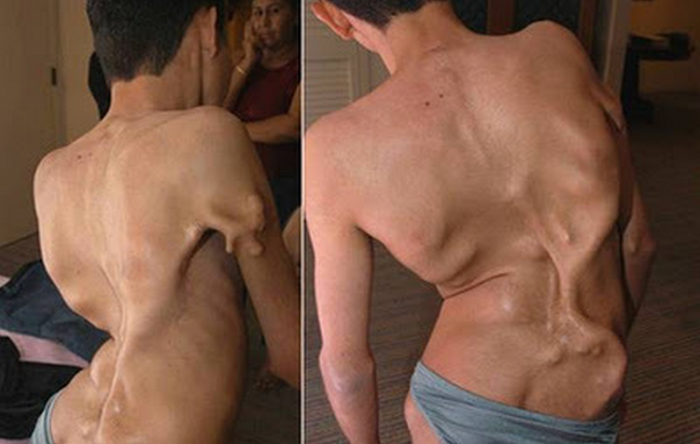
#1 Fibrodysplasia Ossificans Progressiva (FOP).
FOP is a rare genetic disorder that causes soft tissues to transform permanently into bone. These bones grow abnormally in the muscles, tendons, ligaments and other connective tissues, forming bridges of extra bone across the joints.
#2 Necrotising Fasciitis.
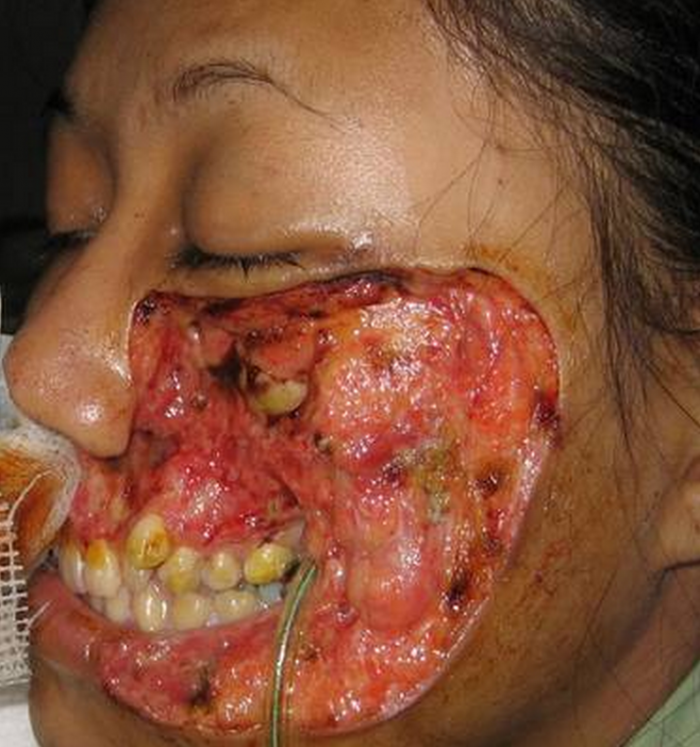
Necrotising fasciitis is an infection caused by bacteria. It can destroy skin, fat, and the tissue covering the muscles within a very short time.
About 1 out of 4 people who get this infection die from it. Many people who get necrotising fasciitis are in good health before they get the infection.
advertisement
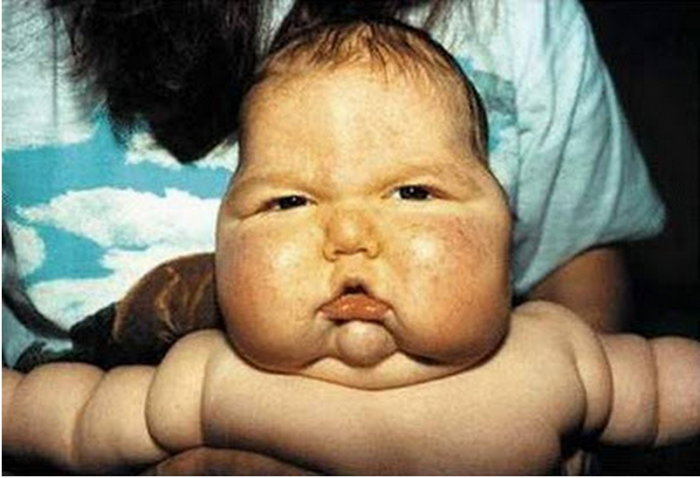
#3 Cushing syndrome.
Cushing syndrome occurs when your body is exposed to high levels of the hormone cortisol for a long time.
Too much cortisol can produce s fatty hump between your shoulders, a rounded face, and pink or purple stretch marks on your skin. Cushing syndrome can also result in high blood pressure, bone loss and, on occasion, diabetes.
#4 Trichotillomania
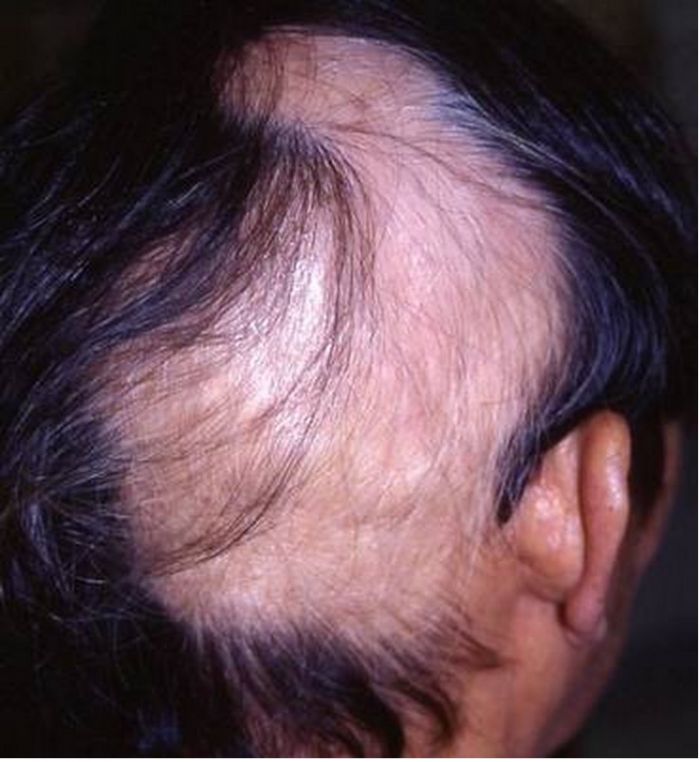
People who have trichotillomania have an irresistible urge to pull out their hair, usually from their scalp, eyelashes, and eyebrows.
People with these disorders know that they can do damage by acting on the impulses, but they cannot stop themselves. They may pull out their hair when they're stressed as a way to try to soothe themselves.
advertisement
#5 Argyria
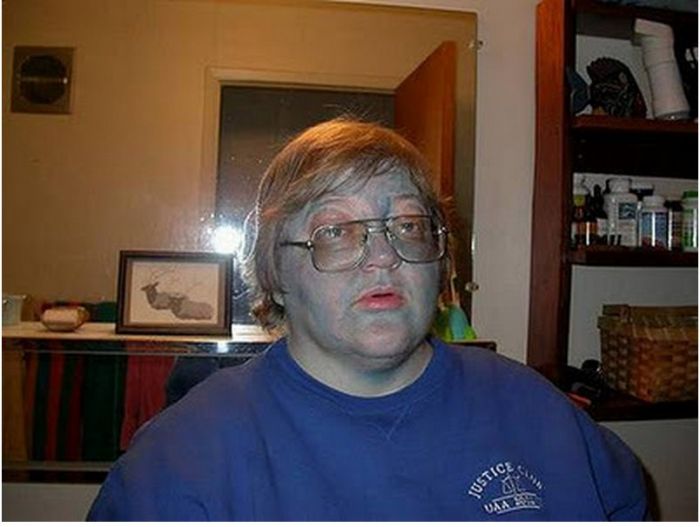
Argyria is characterised by gray to gray-black staining of the skin and mucous membranes produced by silver deposition. Silver may be deposited in the skin either from industrial exposure or as a result of medications containing silver salts.
advertisement
#6 Elephantiasis
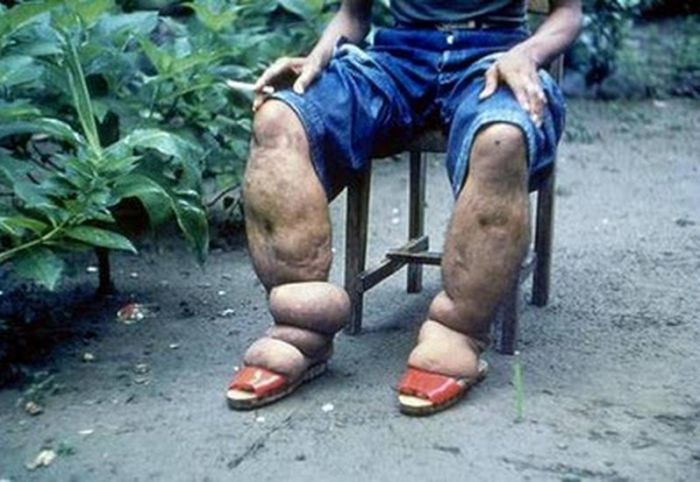
The disease is caused by the filarial worm, which is transmitted form human to human via the female mosquito when it takes blood. The parasite grows into an adult worm that lives in the lymphatic system.
advertisement
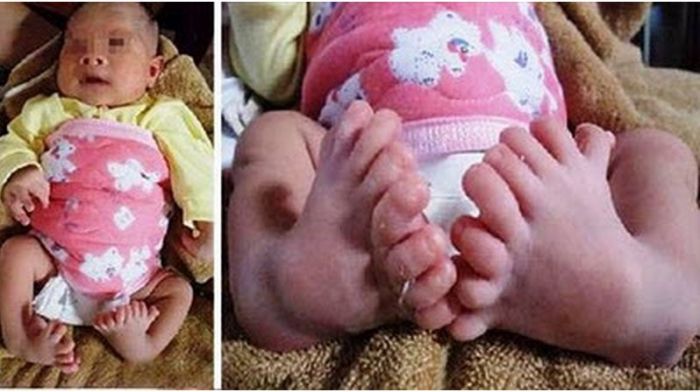
#7 Polydactylism
Polydactylism, or having one or more extra fingers or toes. Polydactylism is reported in about 2 per 1000 children.
advertisement
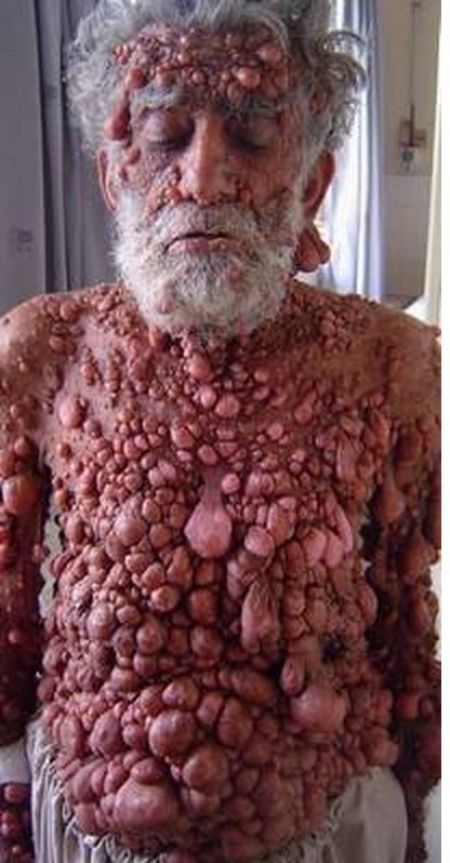
#8 Neurofibromatosis
Neurofibromatosis type is a multisystem genetic disorder that is characterised by cutaneous findings, most notably spots and axillary freckling, by skeletal dysplasia, and by the growth of both benign and malignant nervous system tumours.
advertisement
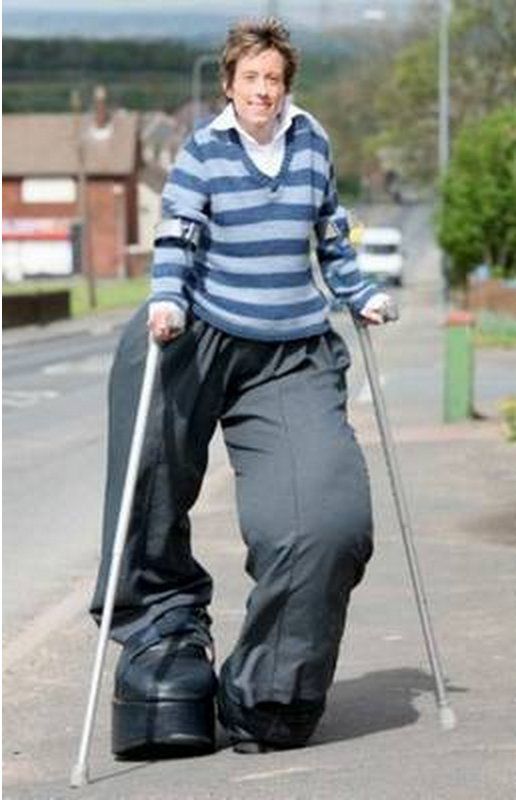
#9 Proteus Syndrome.
The overgrowth in Proteus syndrome can cause differences in the appearance and growth rate of various body parts. This overgrowth is also typically asymmetric, that is, it does not affect corresponding body parts similarly. The word "Proteus" comes from the name of the ancient Greek god of change; this name was chosen because the overgrowth in Proteus syndrome can cause changes in the shapes of body structures over time.
advertisement
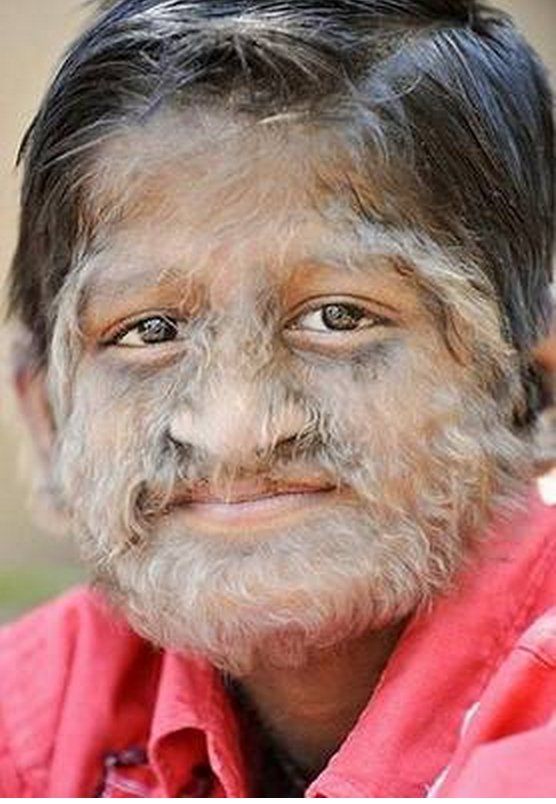
#10 Hypertrichosis – Werewolf Syndrome.
The two distinct types of hypertrichosis are generalised hypertrichosis, which occurs over the entire body, and localised hypertrichosis, which is restricted to a certain area. Hypertrichosis can be either congenital (present at birth) or acquired later in life.
advertisement
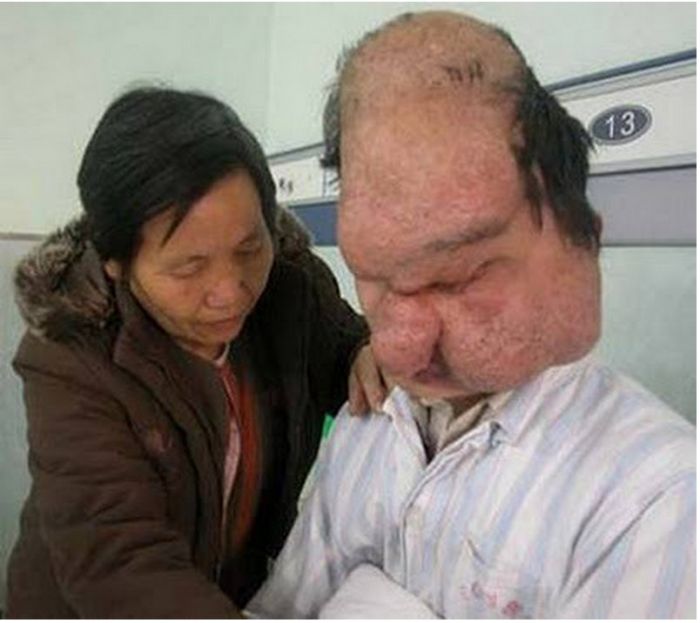
#11 Lion Face Syndrome.
n enlargement of the bones of the face, leading to a lionlike appearance. Osseous encroachment may cause obliteration of sinuses, blindness, and malocclusion.
advertisement
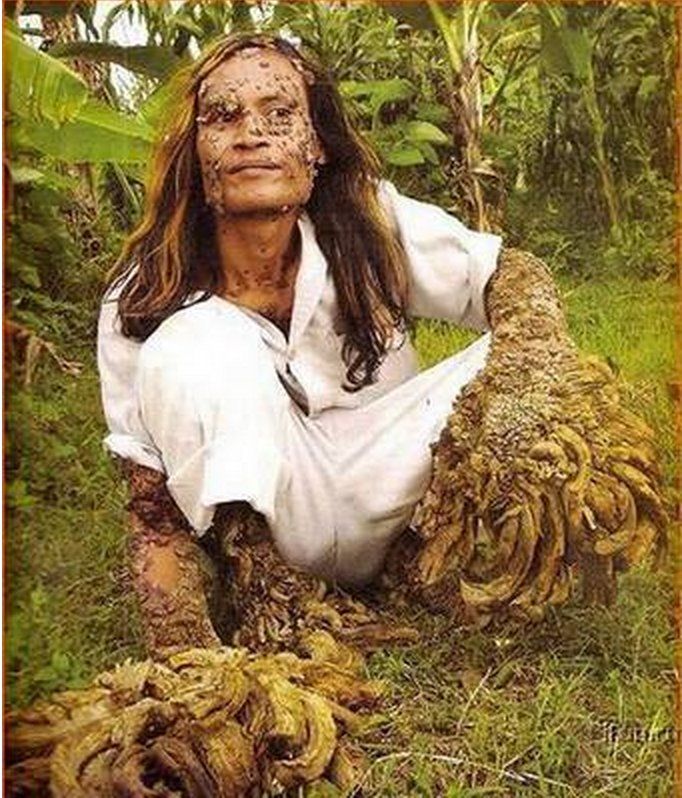
#12 Epidermodysplasia Verruciformis – Tree Bark Skin Disorder.
Epidermodysplasia Verruciformis is an immune deficiency. It is a failed human response to the Human Papillomavirus (HPV) Type 2 and is believed to stem from a genetic defect.
The virus hijacks the cellular machinery of their skin cells, which makes them produce massive amounts of the substance causing tree-like growths known as cutaneous horns.
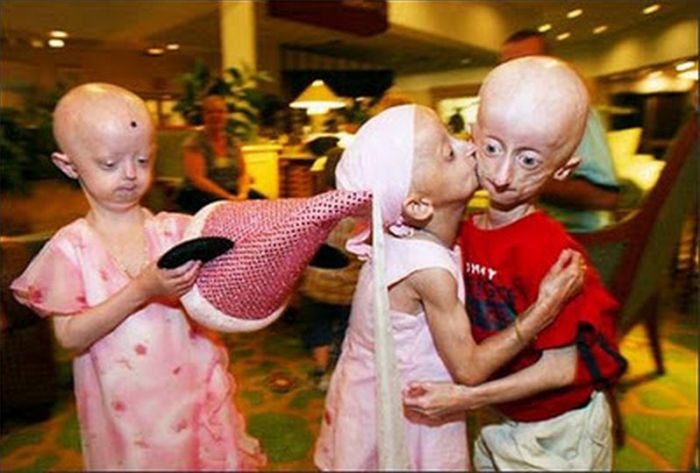
#13 HGPS (Hutchinson-Gilford Progeria Syndrome) or Progeria.
HGPS is an extremely rare, fatal genetic condition. The word Progeria comes from the Greek progeros meaning ‘prematurely old'. Progeria affects children and gives them an appearance of accelerated ageing.
advertisement
#14 Porphyria – The Vampire Disease.
The Vampires disease or Porphyria is a set of genetic disorders in which an important part of hemoglobin called heme is not made properly which means there is malfunction of the hemoglobin production. Sufferers' skin is sensitive to sunlight, their urine is purplish in colour, the gums are shrunk making the teeth look more prominent and canine-like and they have an adverse reaction to garlic.