8 Fake Foods You Eat Every Day
By
Michael Avery in
Facts
On 31st March 2017
The food industry, like any capitalist industry, is all about cutting costs and increasing profit to the highest it can be. Most of us know that, and most of us know that those mass-produced foods we buy every week might not be completely organic. In fact, the food industry now labels their organic food with helpful little green stickers. What does that say about the things we consume?
Some common fake foods include:
Seafood,
Oils,
Soy replacements.
So, what do you do if you want to be more aware of which foods are fake? Read this list, and do some more research of your own! Knowledge is power after all. Here are 8 common fake foods that you might be eating every day.
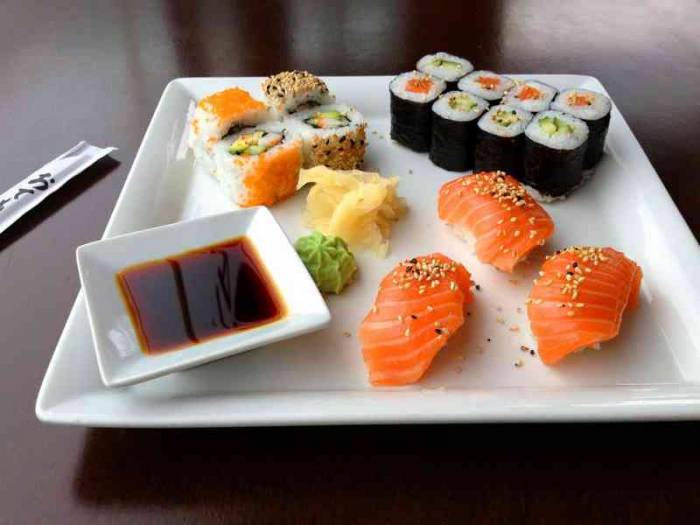
1. Sushi
The seafood used in your sushi might not be entirely what you think it is. This is especially true if you live away from the coasts where the fish are taken from.
A study by environmental group Oceana found that 94% of tuna used in sushi in New York City restaurants wasn’t tuna.
Instead, it was found to be a type of fish called escolar.
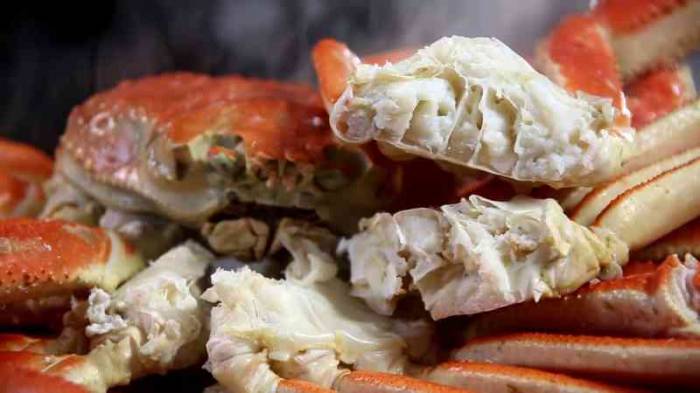
2. Crab
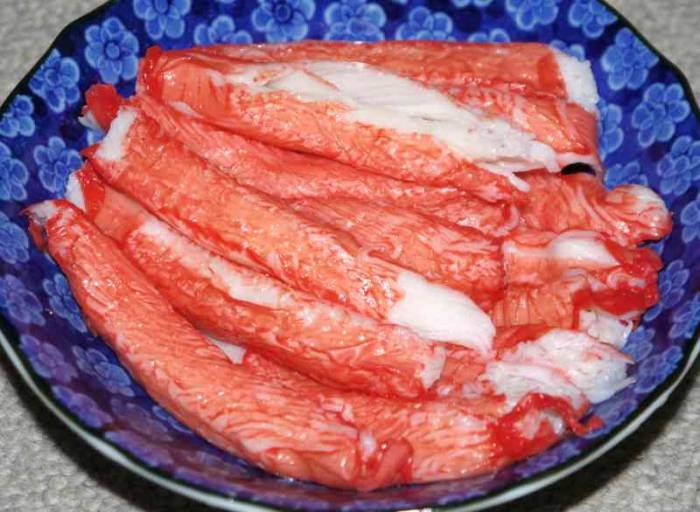
Speaking of sushi ingredients, unless you live close to a hotbed of crabs, chances are you’re eating the imitation kind.
Imitation crab is made by pulverizing white fish and binding it with egg whites, wheat starch, and soy.
So if you’re allergic to those things and go for sushi, be careful.
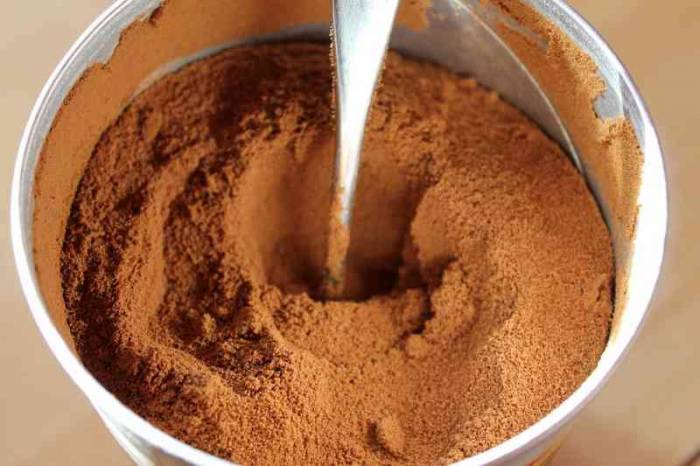
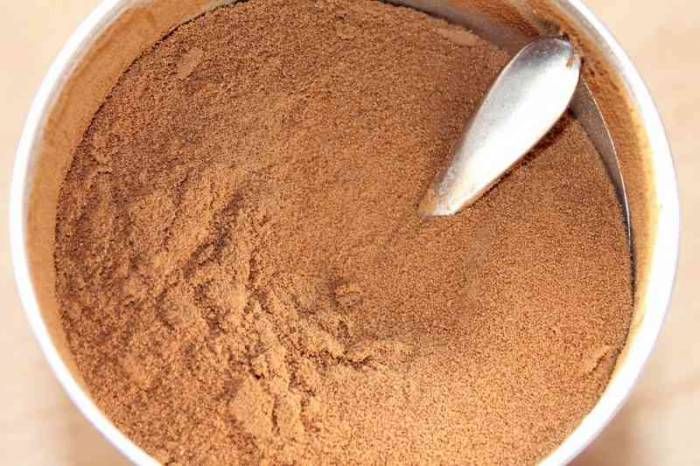
3. Powdered instant coffee
Not to point any fingers at any specific brand, but research has shown that pre-ground coffee bought at the store is littered with non-coffee ingredients.
According to Larry Olmsted, a food writer, common ingredients found in coffee powder include “cereals, caramel, parchment, starch, malt, and figs.”
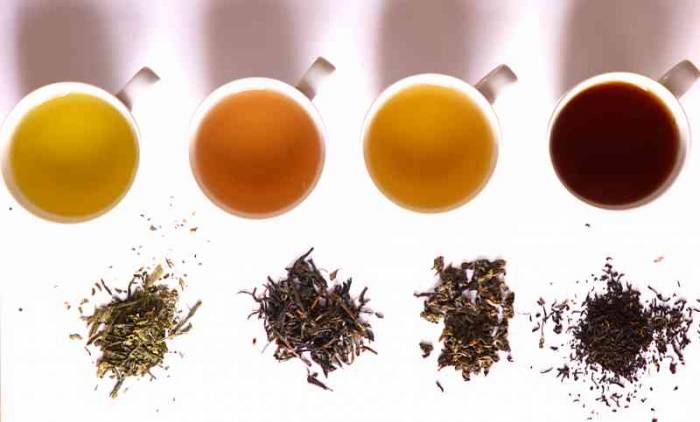
4. Tea
It seems that none of our favorite caffeinated drinks are safe. If you’ve noticed a difference between your regular bag of tea and loose leaf tea and couldn’t put your finger on why that was, this might be the reason.
As it turns out research has found that some manufacturers added sawdust and non-tea leaves to maximize profits.
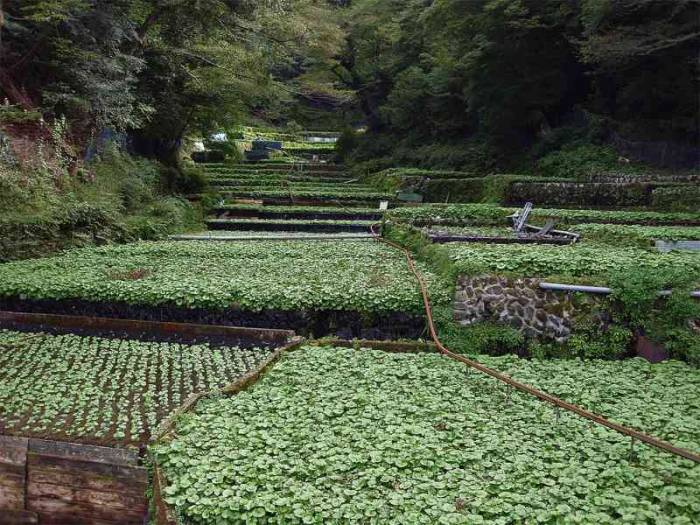
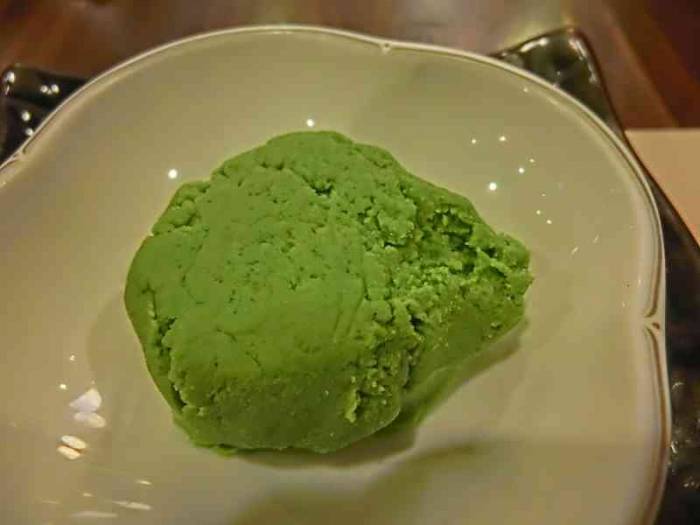
5. Wasabi
You thought we were done with sushi restaurants, well, brace yourself. Real wasabi is made out of a rhizome that costs $75 per pound. It’s also very delicate to handle.
The truth is the original ingredient in wasabi is expensive and delicate to handle.
It’s most likely that the wasabi you’re eating at a restaurant is a mix of horseradish, mustard flour and green dye.
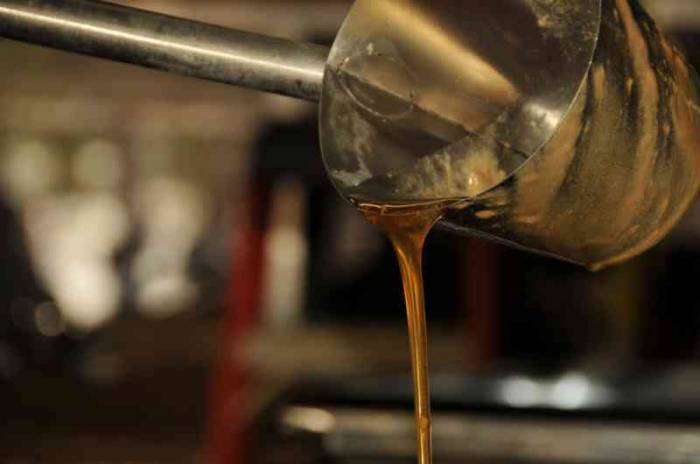
6. Maple syrup
The process of collecting maple syrup is complicated. It’s also entirely dependent on the seasons. Maple syrup producers obtain their product by tapping into trees and collecting the sap inside.
The truth is, most big brand maple syrups are actually not made of maple syrup at all.
A quick look at the ingredients on the bottle will show you that it’s 100% high fructose corn syrup and caramel coloring.
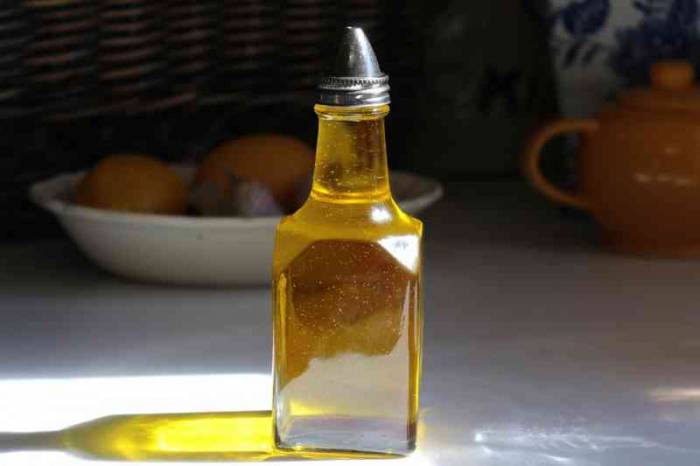
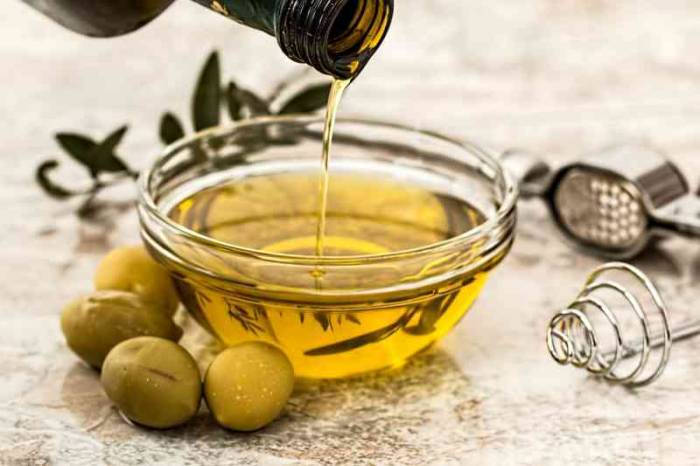
7. Olive oil
Extra virgin olive oil is not only good for your health and palate, it’s also a rarity in places where olives don’t naturally grow from the earth.
Because it’s so hard to regulate imported products, American companies that buy olive oil from abroad trust the labels.
Most of the time, the EVOO you see in stores is diluted with peanut or soybean oil.
8. Rice
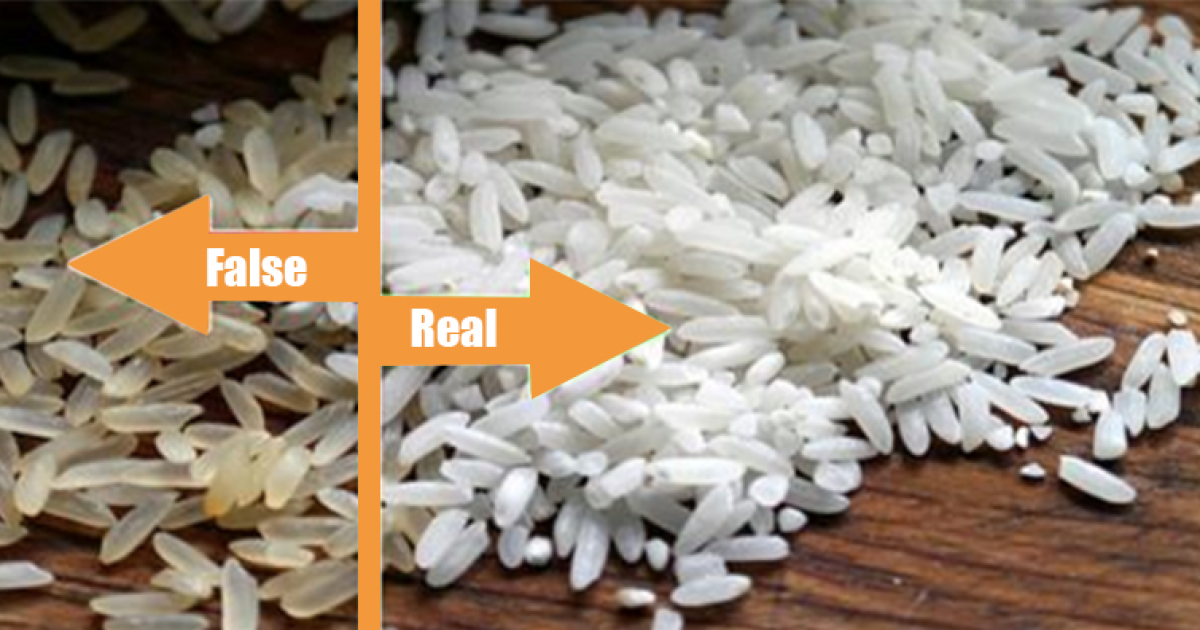
Although you don’t have to worry about this if you live in North America and buy from trusted brands, if you live in China or Nigeria you have to be more careful. Recent reports have shown that contaminated rice has been making the rounds in those two countries, prompting health concerns in the population.
However, artificial rice does exist.
According to Wikipedia, this kind of artificial rice is made of non-rice cereals, and it’s fortified with iron, zinc and vitamins. There are machines that push this mixture out into the shape of the little pellets that we know as rice.