

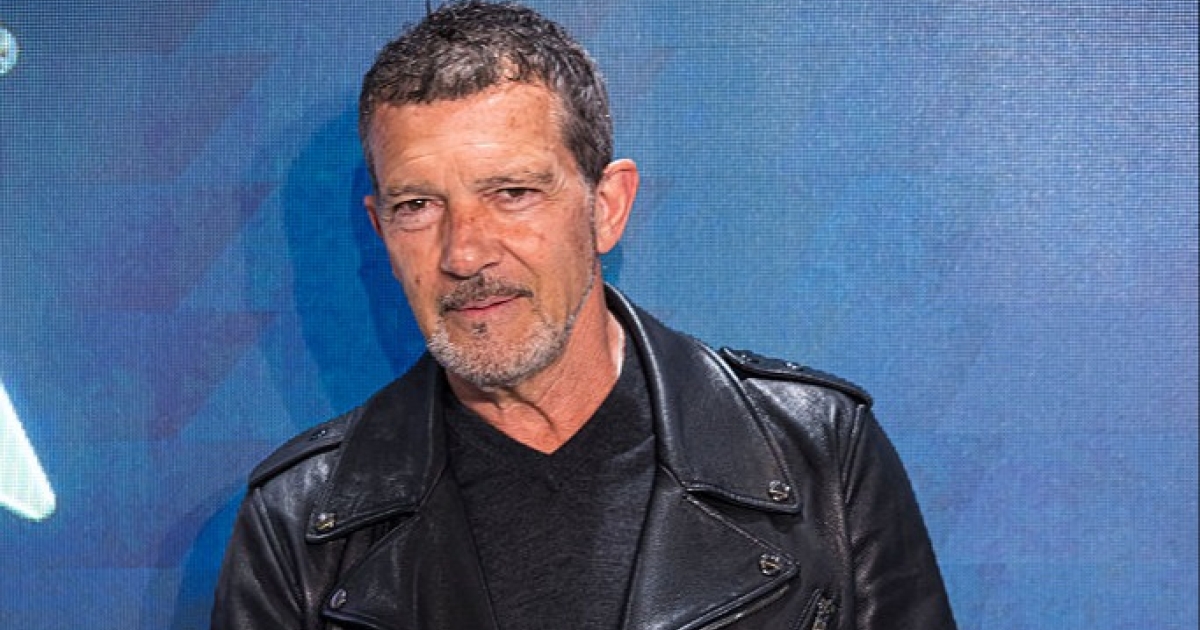
Three heart stents, quitting smoking and a move back to Spain followed the medical emergency
advertisement
Antonio Banderas does not talk about the heart attack he suffered in 2017 as something that simply went wrong. Almost a decade later, the Spanish actor says the frightening experience forced him to look at his life differently and eventually became one of its most important turning points.
Banderas was 56 at the time and living in Surrey, England, when he began feeling chest pain at home on January 26. He recognized that something was wrong, and the symptoms soon led to emergency medical treatment.
A few months later, while attending a film festival in his hometown of Málaga, Spain, Banderas tried to calm concerns about his condition. He said: "I suffered a heart attack on January 26, but it wasn't serious and hasn't caused any damage."
One person who played a major role during those first frightening minutes was Banderas' longtime partner, Nicole Kimpel. She gave him aspirin while they waited for emergency help, something the actor has since credited with helping him survive the attack.
Remembering what happened during an appearance on Jimmy Kimmel Live, Banderas said: "I started having the symptoms and I clearly knew what was going on, she put one of those aspirins inside of my tongue and that saved my life,"
An ambulance arrived soon afterward and took him to the hospital. Banderas' experience with aspirin is his personal account, rather than advice for everyone with chest pain. The American Heart Association says anyone with possible heart attack symptoms should call emergency services first, because aspirin is not safe or appropriate in every situation.
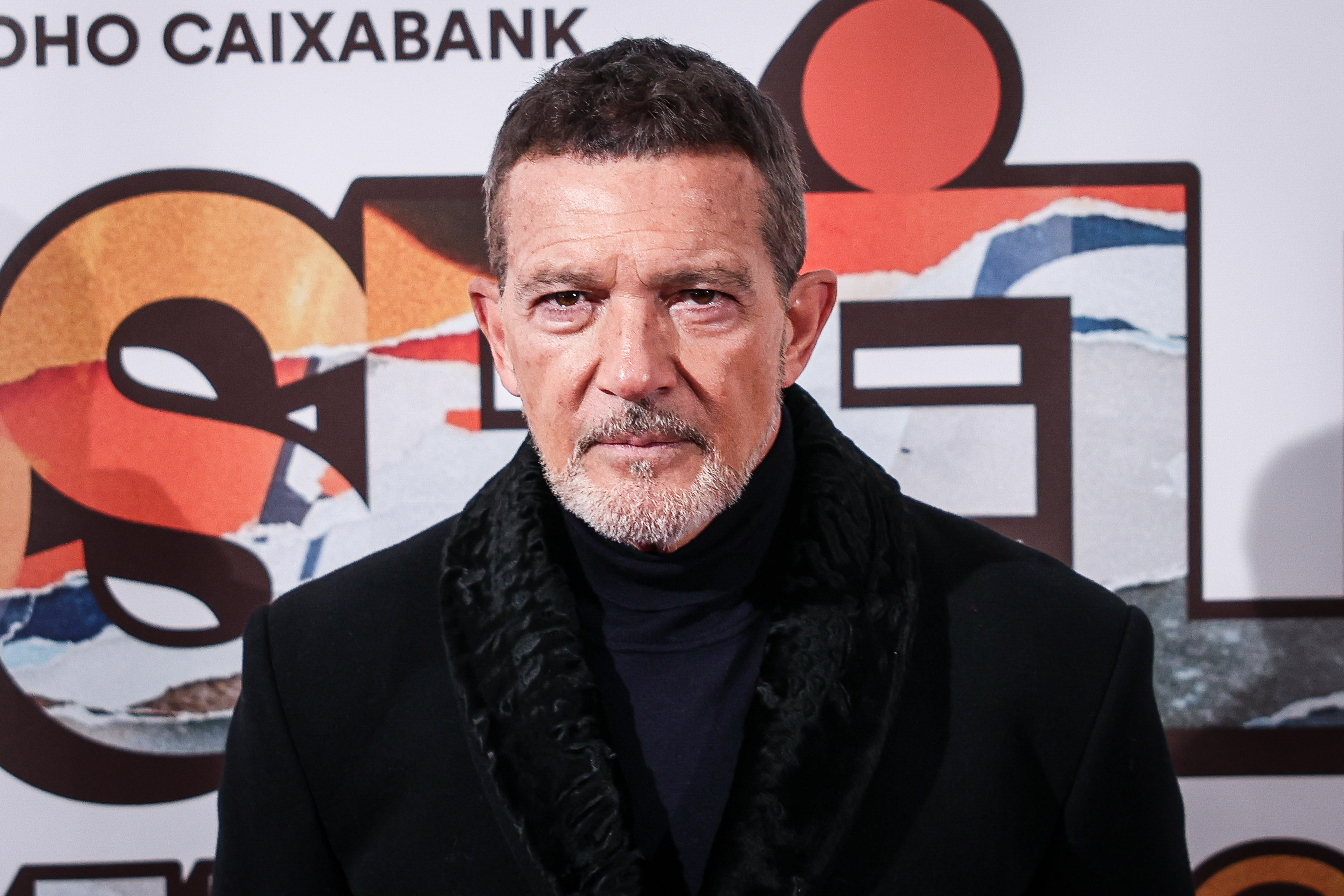
The actor had a heart attack at 56
Pablo Cuadra/Getty Images
advertisement
Why aspirin and stents can be used during a heart attack
Aspirin can reduce the ability of platelets in the blood to stick together and form clots, which is why it may be used during some suspected heart attacks. However, the American Heart Association advises people to call emergency services before doing anything else. A dispatcher or medical professional can decide whether aspirin is suitable based on factors such as allergies and bleeding risk.
Banderas also needed three coronary stents after reaching the hospital. A stent is a small mesh tube placed inside a narrowed artery to keep it open and improve blood flow to the heart. The procedure can be performed as emergency treatment during a heart attack when doctors need to restore blood flow through a blocked coronary artery.
The American Heart Association's guidance on coronary stents explains that the device props the artery open after a blockage has restricted blood flow. A stent treats the narrowed artery, but patients still need ongoing medical care and changes that reduce the risk of another cardiac event.
Doctors treated Banderas by placing three stents in his coronary arteries. Although he later stressed that the attack had not caused serious lasting damage, the experience was enough to make him reconsider the way he had been living.
Some of the changes were practical. Banderas quit smoking and eventually returned to Málaga, choosing to spend more of his time close to his family instead of remaining centered on Hollywood. His heart scare changed more than his physical habits; it also altered the amount of importance he gave to work, stress and smaller problems.
That is why his description of the heart attack sounds surprising at first. Banderas is not suggesting that the medical emergency itself was pleasant or harmless. He means that getting so close to something life-threatening made him stop wasting time on parts of life that no longer felt important.
advertisement
Speaking to PEOPLE almost a decade after the attack, Banderas explained what that shift in perspective felt like: "You always have in your mind that you're going to die. But then when you have it so close, it's an unbelievably clear reminder of how stupid you are losing time over things that don't deserve to be in your life."
He then described the experience in even stronger terms: "My heart attack was the best thing that ever happened in my life. It was like somebody put glasses on me so I could see the reality that I didn't see before."
Banderas has remained active as an actor since recovering. His latest film, Tony, reached limited U.S. theaters on August 7, 2026, one day before this article was updated. The A24 film stars Dominic Sessa as a 19-year-old Anthony Bourdain during the summer that first pulls him into the chaotic world of restaurant kitchens.
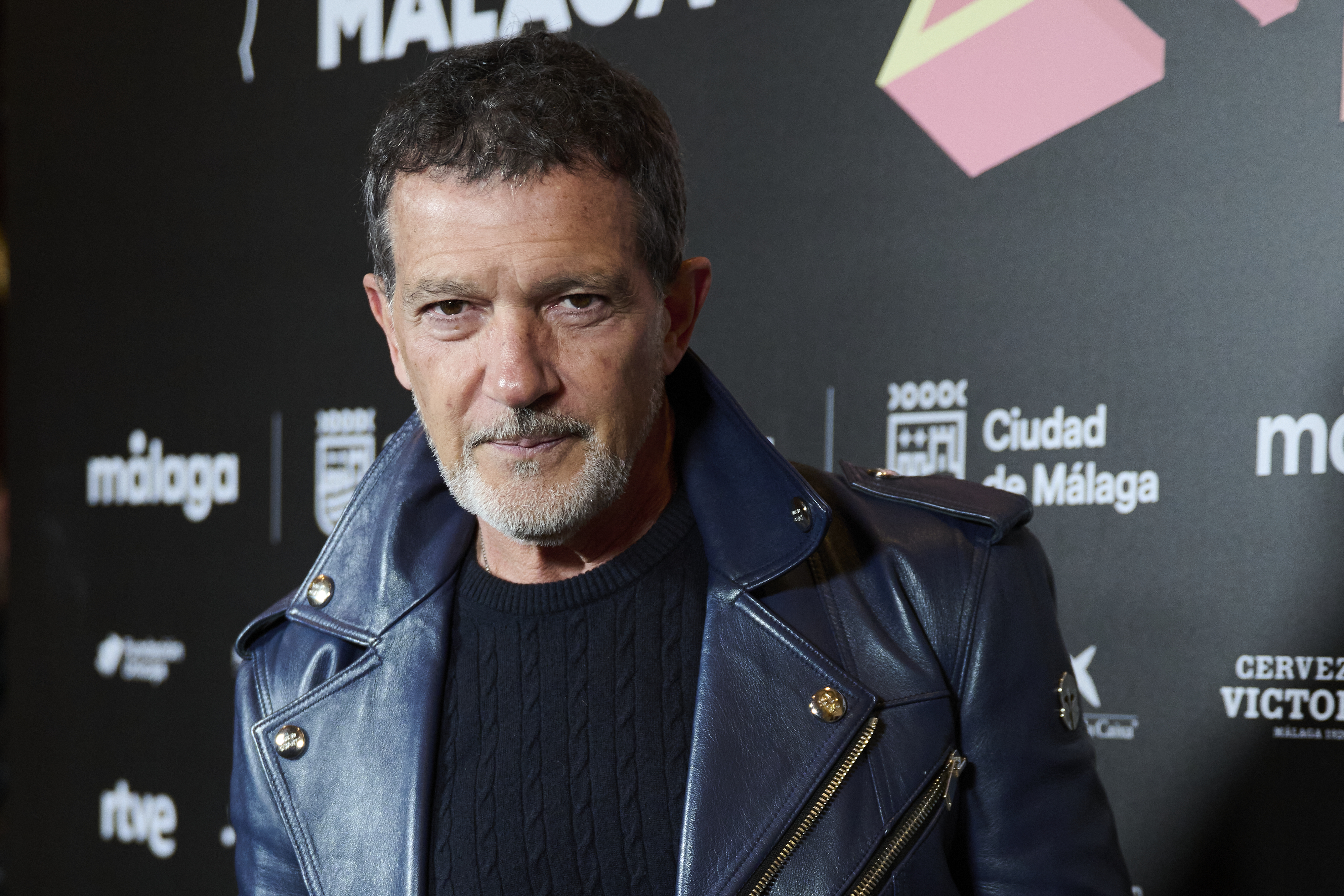
Antonio Banderas is featuring in an upcoming biopic
Carlos Alvarez/Getty Images
advertisement
Banderas plays Ciro, a restaurant owner and chef who becomes an important figure in the young Bourdain's early kitchen experience. Discussing why the project appealed to him, Banderas told PEOPLE: "I didn't know Anthony Bourdain personally, but I thought that [Bourdain's travelogue series No Reservations] was a beautiful show that was not actually about cooking, but life."
His own connection with restaurants also made the role feel familiar. He continued: "And then my character [Ciro Cozzi, Bourdain's], he was a good man. He was somebody who has something to say. And I have eight restaurants, so I am a little bit in that world, too. It's almost impossible to say no to a project like this."
The conversation eventually moved away from movies and back toward the people Banderas now prioritizes most. He spoke warmly about his late father, José Domínguez Prieto, whom he remembered as a compassionate man and one of his most important mentors.
advertisement
Banderas said that lesson has shaped the way he looks at his own role as a parent. Rather than measuring family life through career achievements or material success, he said: "It's a way of understanding life. With my kids, it's just love."
Watching his children grow into adults has become one of the things he values most. Banderas added: "I see them blossoming and becoming good people, and I'm so proud of them."
That outlook fits closely with the lesson he says he took from his heart attack. His career did not stop after 2017, but work no longer has to come at the expense of the people, places and experiences he decided were worth protecting when his health suddenly made time feel much less guaranteed.