

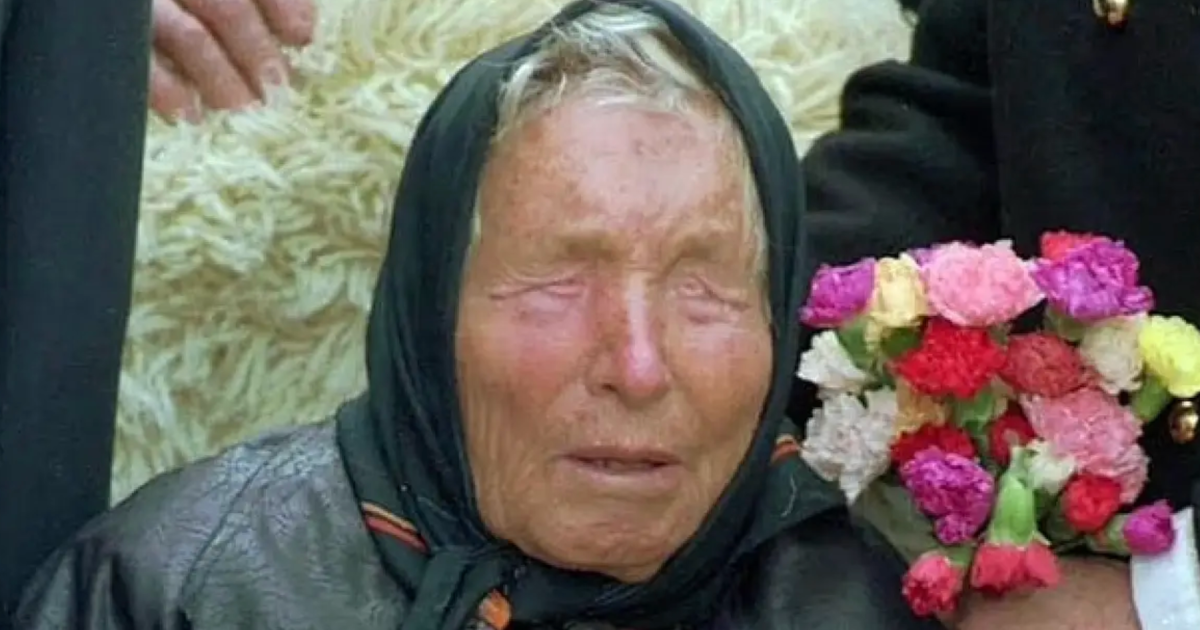
The Bulgarian mystic has been credited with foreseeing major disasters, but there is an important catch behind the predictions linked to her name
advertisement
Thirty years after Baba Vanga's death, another collection of predictions carrying her name is getting attention as people compare them with events unfolding in 2026. Earthquakes, floods, political tension, World Cup drama and extreme weather have already made it an unusually eventful year.
Followers of the Bulgarian mystic have long claimed that she foresaw events including the September 11 attacks, the COVID-19 pandemic and the 2004 Indian Ocean tsunami. Those claims helped turn Vanga into one of the world's most famous modern fortune tellers, even though proving exactly what she predicted is far more difficult.
That distinction matters when people say her 2026 forecasts are already 'coming true'. Real disasters and rapid changes in technology have happened this year, but connecting them to Vanga depends on accepting predictions that were often recorded or circulated by other people rather than written down by Vanga herself.
Vanga died in 1996 at the age of 84. Among the forecasts now attributed to her for 2026 are severe environmental disasters and a growing artificial intelligence presence that could disrupt jobs and give technology more influence over major parts of daily life.
Both themes have become easy for believers to point toward this year. Powerful earthquakes have caused major loss of life, Europe has endured extreme heat and wildfires, and companies have openly discussed restructuring workforces as AI tools take over tasks once handled by people.
None of that proves Vanga predicted those events. It does, however, explain why old lists bearing her name tend to resurface whenever current events appear to match one of their broad themes.
advertisement
There is no reliable master list of Baba Vanga's predictions
One detail often disappears from viral posts about Vanga: there is no known written archive created by her that neatly lists predictions year by year. Sky HISTORY notes that many forecasts attributed to her come from second-hand accounts, which makes it difficult to establish what she actually said and when she said it.
That makes very specific claims, such as an alien spacecraft arriving in a particular month or one country attacking another in a particular year, especially hard to verify. Some versions of the prophecy lists also change as they move between websites and social media posts.
So the predictions below are best understood as claims that have become attached to Baba Vanga's name, rather than a confirmed set of statements preserved from before her death. The real events people are comparing them with can still be checked on their own.
The disaster prediction has plenty of real events for believers to point to
One of the most repeated claims is that Vanga warned 2026 would bring severe natural disasters. That prediction is broad, but this year has already produced events serious enough to make the comparison tempting.
On June 24, magnitude 7.2 and 7.5 earthquakes struck near Venezuela's northern coast, affecting Caracas and several surrounding states. A United Nations Development Programme assessment estimated about $6.7 billion in direct physical damage across the affected region.
The human toll was far worse. By August 3, Reuters reported that more than 6,000 people had died and tens of thousands had received hospital treatment following the twin earthquakes, making them one of the year's most devastating disasters.
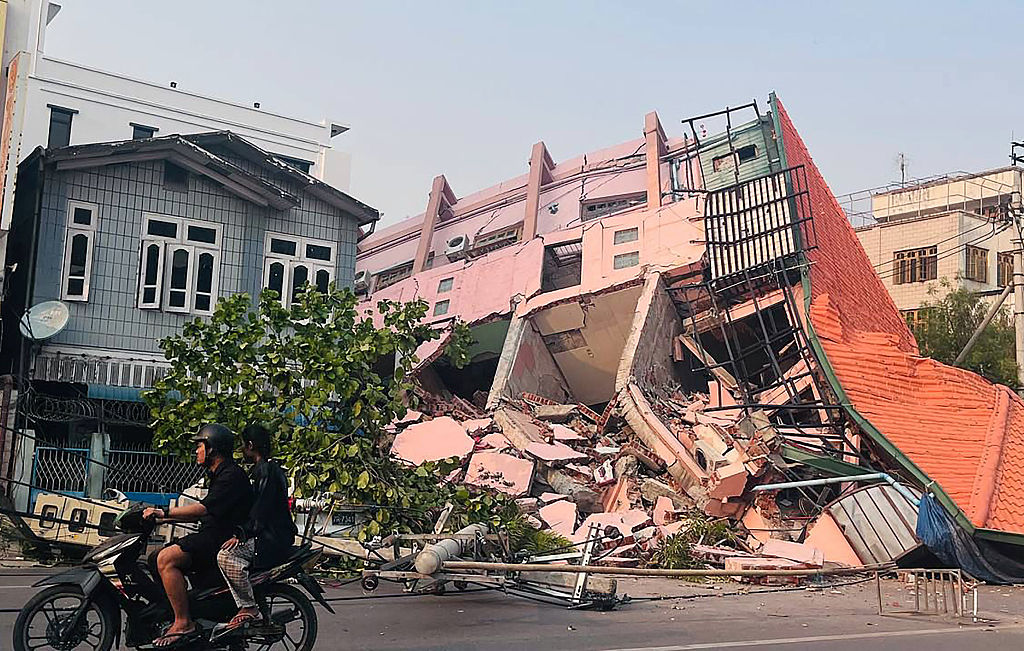
Communities in Myanmar were devastated by the historic earthquake.
STR/AFP via Getty Images
advertisement
Europe has faced its own punishing weather. Spain, Portugal, Greece, Italy and other countries have spent parts of the summer dealing with extreme temperatures, drought conditions and destructive wildfires.
The Copernicus Climate Change Service found that June 2026 was the hottest June on record for western Europe. Dry conditions also helped create the conditions for wildfires across parts of the continent.
By early August, fires were still burning in Greece, Spain, France and other areas as another intense spell of extreme heat put pressure on communities, energy systems and emergency crews.
advertisement
Heavy rain has created a different kind of danger elsewhere. Parts of Asia have faced flash floods, landslides and major transport disruption after repeated periods of torrential rain.
The United States has also dealt with severe storms, flooding and wildfires during the summer. Texas experienced major flooding, while other states faced tornadoes, fires and dangerous weather at the same time.
Those disasters are real and well documented. Calling them fulfilled prophecy is a separate claim, particularly because warnings of 'natural disasters' are broad enough to match many events in almost any year.
advertisement
The AI prediction is more complicated than an 'AI takeover'
Another forecast attributed to Vanga says 2026 would see artificial intelligence take a much larger role in key parts of society, bringing job disruption and new ethical problems.
There is no shortage of evidence that AI is changing work. Companies have spent heavily on AI systems, and employees in technology, administration, customer service and other fields have been forced to think about how much of their work can now be automated.
Several major employers have also announced workforce reductions while discussing AI-related restructuring. Business Insider has tracked companies making those changes, although layoffs can have several causes at once, including cost cutting, reorganizations and the reversal of heavy pandemic-era hiring.

A number of companies have swapped human workers for robot workers in recent months.
Li He/VCG via Getty Images
advertisement
AI is changing jobs, but that is not the same as machines taking over
The phrase 'AI takeover' makes the prediction sound more dramatic than what companies are actually describing. In many cases, employers are using AI to automate specific tasks or to let smaller teams handle work that once required more people.
At the same time, AI is creating new roles and increasing demand for some kinds of technical work. That makes the current employment picture more complicated than simply saying machines have replaced humans.
So 2026 has certainly produced the kind of job disruption that believers can connect to the alleged prediction. Whether that counts as Vanga accurately foreseeing an 'AI takeover' depends much more on interpretation than on a single event that can be checked against a precise forecast.
advertisement
Natural disasters and AI are only two of the forecasts currently circulating under Vanga's name. The rest become much more specific, and several would require dramatic events during the remaining months of 2026 before believers could claim another match.
They include alleged predictions involving alien contact, a major international war and political upheaval in Russia. For now, all three remain predictions rather than events that have happened.
advertisement
One prediction puts alien contact in November
Stories about humans making first contact with extraterrestrial life have followed fortune tellers for decades, and Vanga's supposed 2026 list is no exception. One version says this could finally be the year humanity encounters alien life.
The claim gets unusually specific by placing the event in November. Vanga is said to have envisioned a huge spacecraft entering Earth's atmosphere, although there is no reliable contemporary record showing exactly when she made that statement or the wording she supposedly used.
That leaves believers with a clear date to watch, but there is currently no verified evidence that a giant alien spacecraft is on its way to Earth.
This could be closer than you think...
Getty Stock Images
advertisement
The darkest forecast involves a new world war
Another prediction attached to Vanga is considerably more frightening: the beginning of a third world war.
Some interpretations claim she foresaw China seizing Taiwan and a direct confrontation developing between Russia and the United States. With tensions involving all three countries appearing regularly in international news, the prediction has become easy material for alarming posts online.
But those geopolitical tensions are not the same thing as the predicted events actually taking place. As of August 8, 2026, the alleged seizure of Taiwan and direct Russia-US war described in these prophecy lists have not happened.
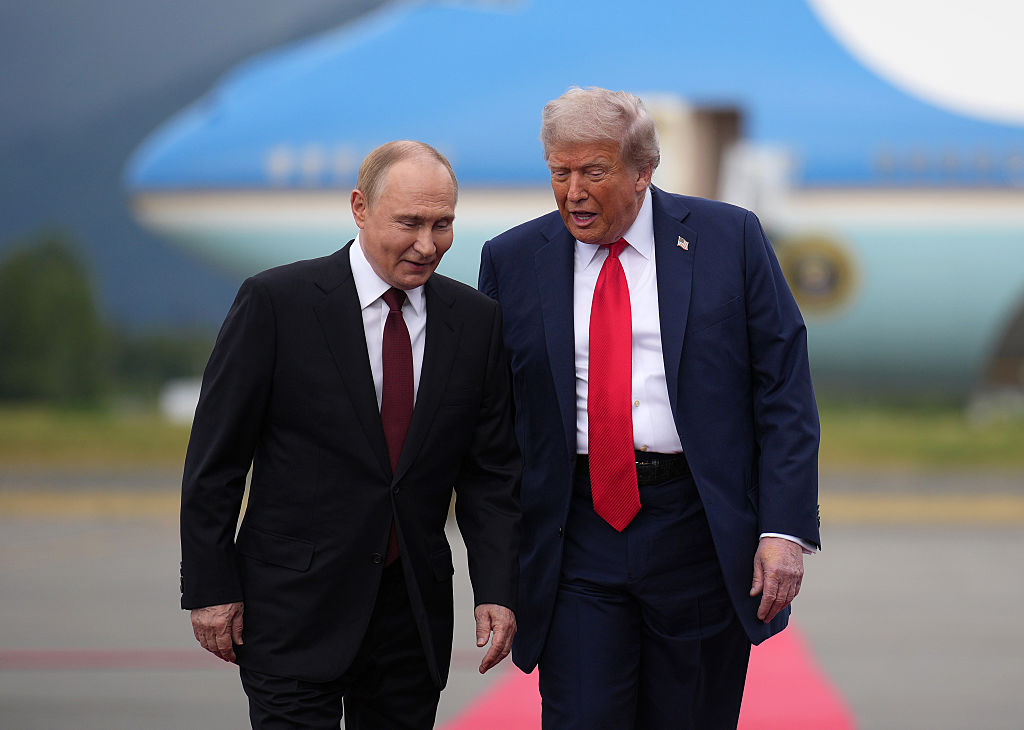
Baba Vanga predicted tensions between the US and Russian presidents.
Andrew Harnik/Getty Images
advertisement
Another claim predicts a change at the top in Russia
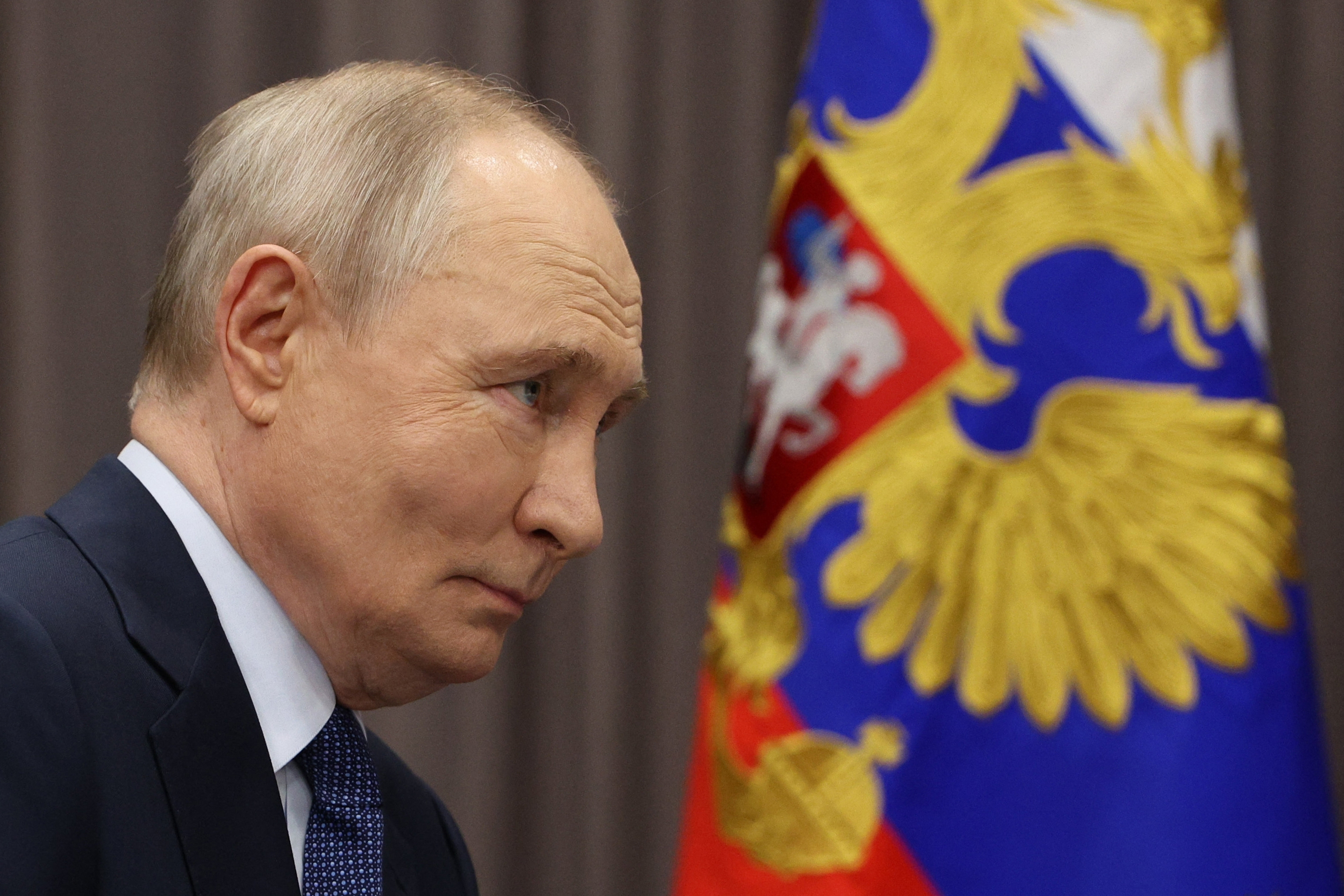
Vanga is also said to have predicted that Russia would get a new leader in 2026, which has led some believers to speculate about Vladimir Putin's future.
Russia remains at war with Ukraine, so any suggestion of sudden leadership change attracts attention. Still, there is no confirmed sign that an alleged Baba Vanga prediction offers reliable information about when or how Putin's presidency might end.
Putin served as president from 2000 to 2008 before returning to the office in 2012, meaning he has now spent more than two decades as Russia's president across those two periods. Whether 2026 ends that run is still unknown, and unlike the earthquakes or heatwaves already seen this year, this prediction has not come to pass.
Could Russia get a new leader?
Vyacheslav PROKOFYEV / POOL / AFP via Getty Images