

A genetic change thousands of years ago may explain why blue eyes exist today
advertisement
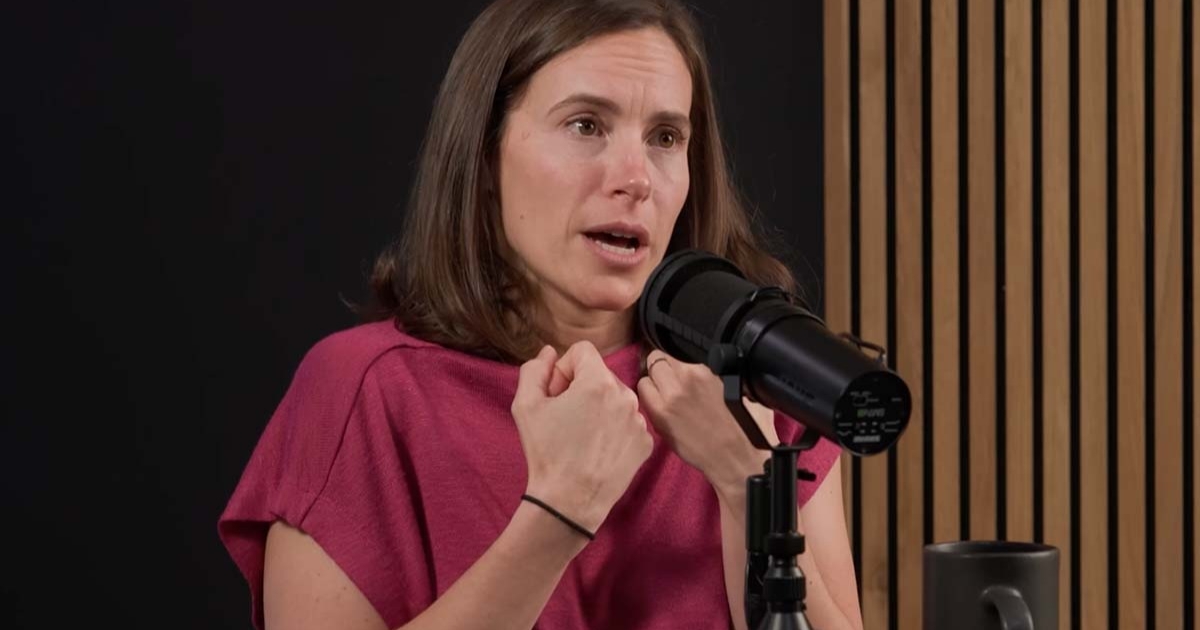
Blue eyes may look like a simple family trait, but one scientist says they could trace back to a single person from thousands of years ago.
Dr. Melissa Ilardo discussed the idea during an appearance on Andrew Huberman's podcast, where she spoke about the unusual genetic history behind blue eyes.
Eye color is one of the easiest genetic traits to notice, because it is right there on someone’s face. Brown eyes are still the most common by far, with more people having brown eyes than all other eye colors combined.
Why eye color is more than just one shade
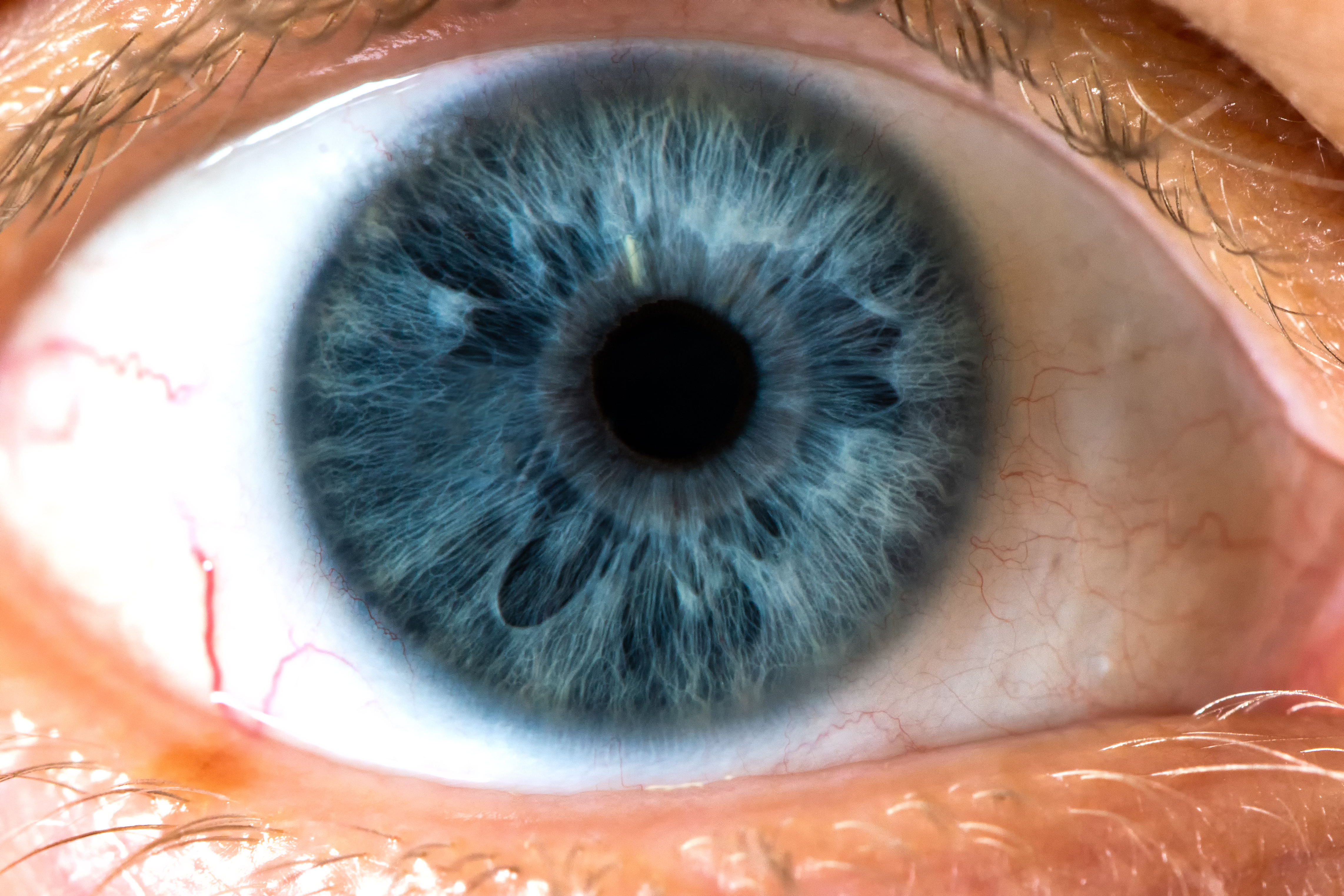
The color of a person’s eyes comes down largely to pigment and how light scatters inside the iris. That is why two people can both be described as having blue eyes, while their actual shades may look quite different.
Brown eyes usually contain more melanin, while lighter eyes have less. Blue eyes do not have blue pigment in the same simple way that paint has color; the appearance comes from how light interacts with the iris.
That is what makes the blue-eye story so interesting. It is not only about appearance, but about a genetic change that affected how much pigment was produced in the eye.
advertisement
The pigment sits in the iris, the colored ring around the pupil. Eye colors can include brown, blue, green, hazel, and gray.
There are also rare cases of heterochromia, where a person’s eyes are different colors. Sometimes the difference is subtle, such as two shades of the same pigment, while other cases are much more noticeable, like one blue eye and one brown eye.
Those differences show how varied human eye color can be, even before getting into the genetics behind where each shade comes from.
Blue eyes may come from a single person
Getty Stock
Calling it one of her 'favourite genetic facts', Ilardo said: "Everyone with blue eyes descends from the same person."
She continued: "At one point in human history, one person had a change in their eye colour. And it's just amazing to imagine this person who had blue eyes for the first time."
Dr. Ilardo said the trait spread 'through many generations'. She suggested it may have become more common because the feature was seen as attractive or interesting in that original person.
advertisement
How one mutation can spread through generations
A genetic trait does not need to appear in many people at once to become common later. If one person passes a mutation to their children, and that line continues to grow, the same trait can slowly move through a population.
That is the idea behind the blue-eye claim. Scientists are not saying every blue-eyed person is closely related in a recent sense. They are talking about a very old shared ancestor and a genetic switch passed down over thousands of years.
In practical terms, it means two blue-eyed strangers today are not “related” in the way most people use the word. The connection would be extremely distant, going back many generations.
advertisement
The discussion then moved to the 'F1' of blue eyes. That does not mean Formula One racing, but the first person known in a line to show a specific trait.
Researchers have studied this question before. A 2008 Human Genetics paper from University of Copenhagen researchers looked at the genetic pattern linked with blue eyes, including blue-eyed people from Denmark, Turkey, and Jordan.
The finding helped support the idea that many blue-eyed people share the same ancient genetic change, rather than blue eyes appearing through many unrelated mutations.
Blue eyes are a less common eye color
Getty Stock
advertisement
Professor Hans Eiberg, from the Department of Cellular and Molecular Medicine, said: "Originally, we all had brown eyes. But a genetic mutation affecting the OCA2 gene in our chromosomes resulted in the creation of a 'switch', which literally 'turned off' the ability to produce brown eyes."
He added: "They have all inherited the same switch at exactly the same spot in their DNA."
So, while the idea sounds strange at first, it does not mean blue-eyed couples need to worry about sharing the same recent great-great-great-grandparent. This is about a genetic link from deep human history, not a close family connection.
advertisement
What the OCA2 switch actually means
The OCA2 gene is involved in producing melanin, the pigment that helps give eyes, hair, and skin their color. When the activity of that gene is reduced in the iris, the eye can appear blue instead of brown.
Researchers describe the blue-eye mutation as a kind of switch because it limits the gene’s effect in the eye. It does not simply erase the gene from the body or stop pigment production everywhere.
That detail matters because it explains why blue eyes can be inherited without changing every other pigment-related feature in the same way.
advertisement
The first person with this blue-eye-linked mutation is believed to have lived around 6,000 to 10,000 years ago.
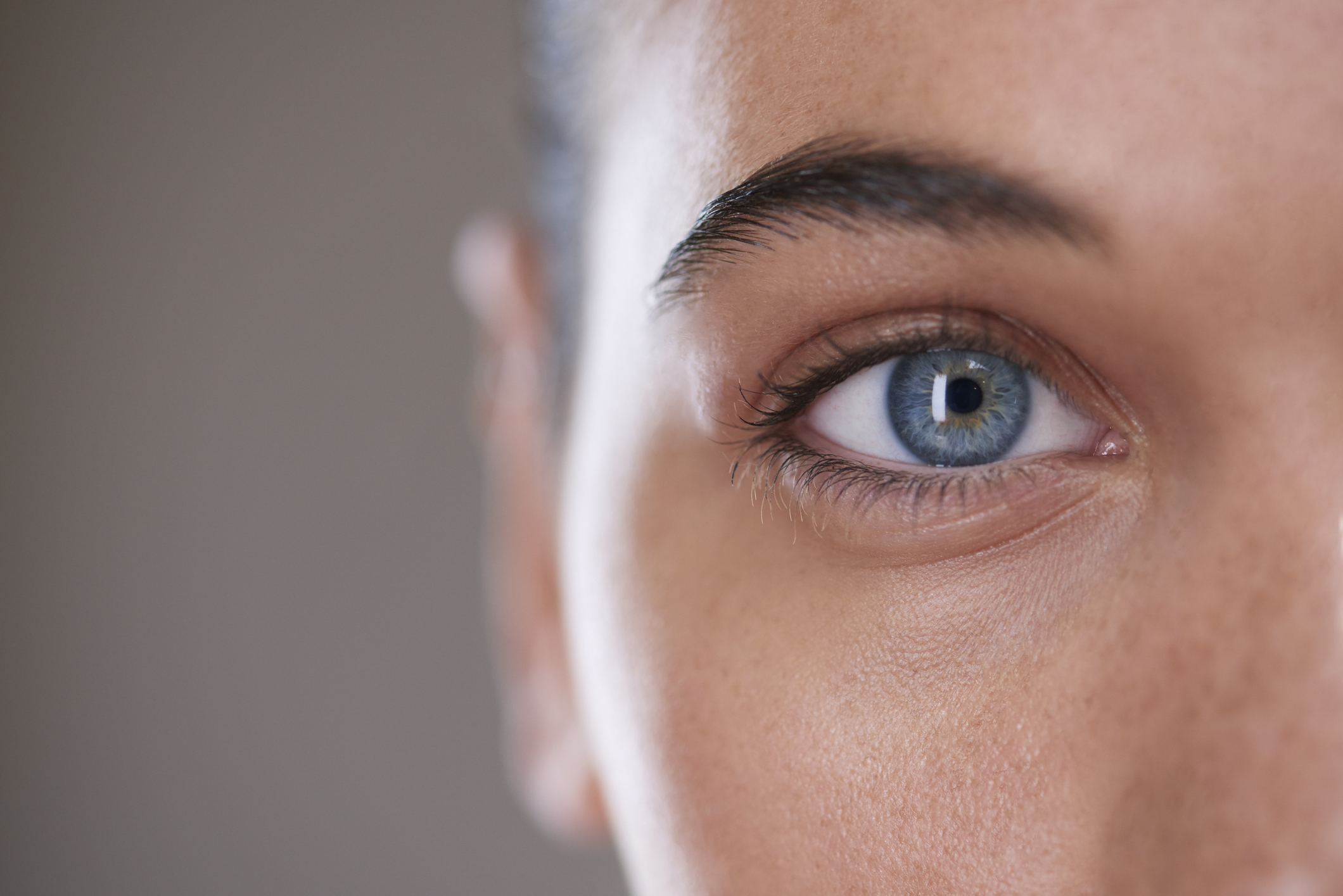
Since then, the trait has been passed through many generations and spread far beyond one original family line. Blue eyes are still much less common than brown eyes, but the fact that they exist across so many people today is what makes the shared-ancestor idea so striking.
In the end, the claim is less about blue eyes being rare and more about how one small genetic change may have become one of the most recognizable inherited traits in the world.