

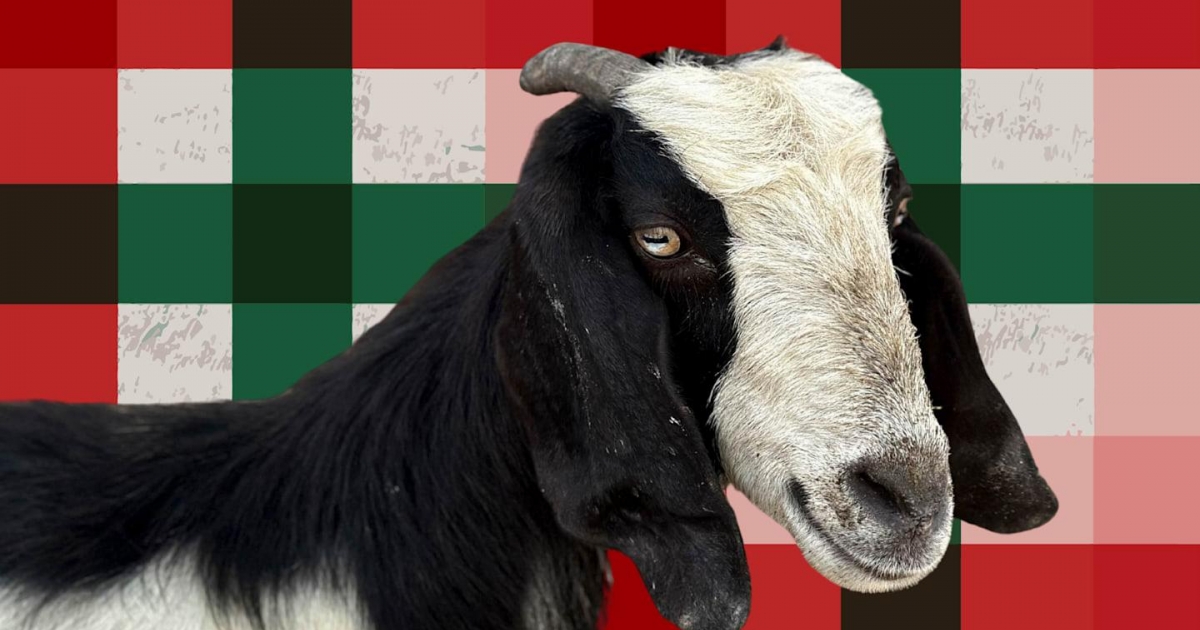
From yule goats said to bring luck to the idea that changing your underwear could invite bad fortune, these surprising superstitions once shaped the holidays in ways most people never hear about.
advertisement
Whether it is kissing under the mistletoe or doing “first-footing” after midnight at New Year’s, the holiday season comes with a long list of superstitions and small good-luck habits.
But beyond the traditions people still recognize, old folklore is packed with strange seasonal rules and rituals that were meant to protect a home, guard a harvest, or bring luck into the year ahead.
Some of these ideas sound sweet, and some sound completely unhinged, but they all came from the same place: people trying to make winter feel safer and more predictable.
Here are five of the most unusual and long-forgotten Christmas superstitions, the kind that once felt serious enough to shape how people lived through the holidays.
The Yule Goat
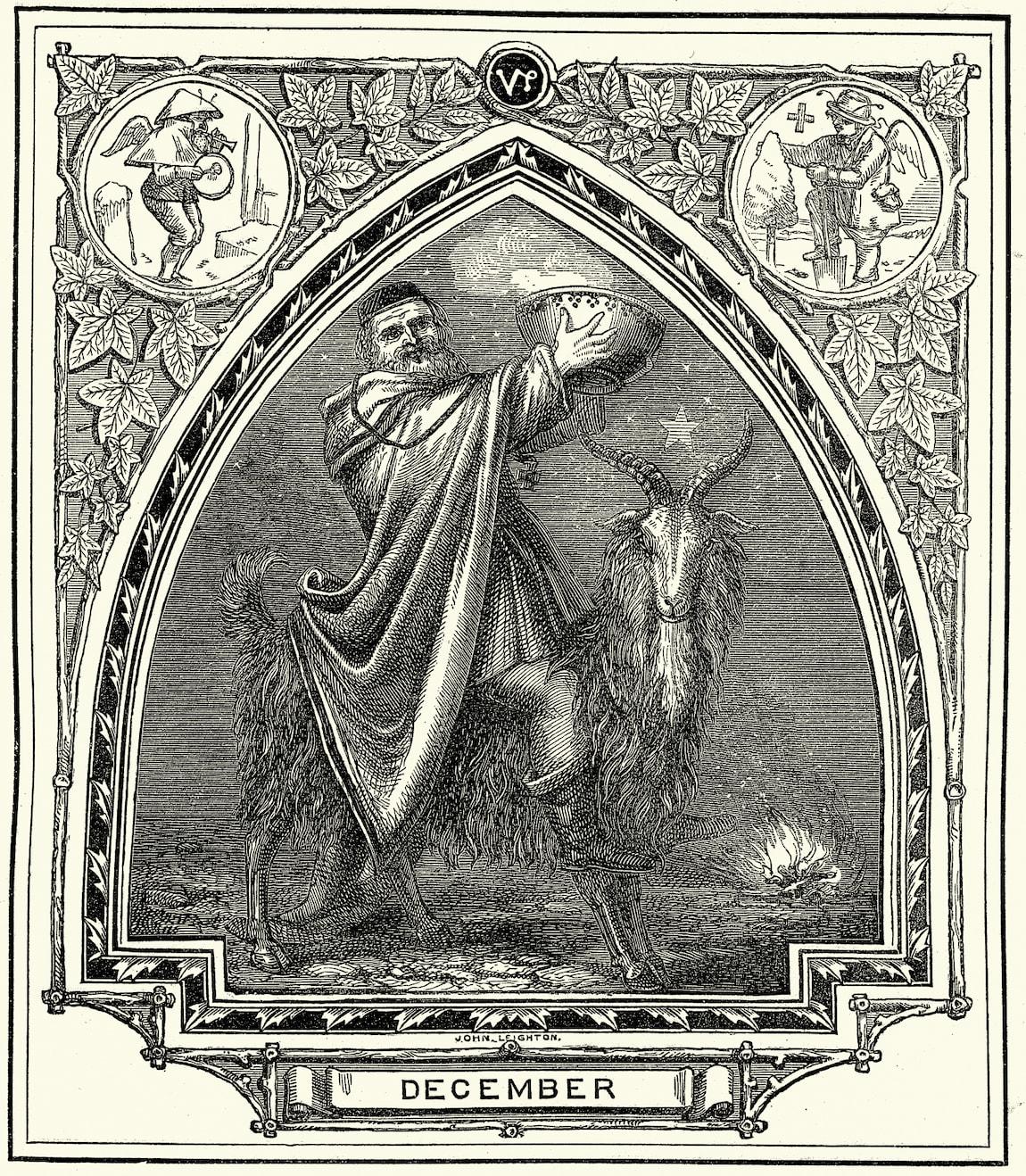
A Christmastime man and goat | duncan1890/Getty Images
If you look closely at Christmas trees in parts of Scandinavia, you might spot a little straw goat tied up with red ribbons, hanging on one of the front branches like it is meant to be seen.
Step outside into a nearby town and you might see a bigger version outside a local shop, or even a huge one set up in a town square. In some places, it becomes a full-on seasonal landmark.
This is the julbock, or "Yule goat"—a traditional decoration that many people say brings good luck and plenty in the year ahead. The roots of the julbock are often traced to pre-Christian traditions in the region.
In one well-known version of the story, the julbock is linked to the Norse god Thor, who was said to ride across the sky in a chariot pulled by two massive horned goats named Tanngrisnir and Tanngnjóstr ("teeth-barer" and "teeth-gnasher," respectively).
The tale says that at the end of each day, Thor would slaughter the goats and eat them, then use his hammer, Mjölnir, to bring them back to life so they could pull the chariot again the next day.
Over time, the goats became a symbol of food, survival, and the hope that supplies would not run out during the hardest part of the year.
advertisement
A similar idea also showed up in Scandinavian folk belief around the harvest, where the very last sheaf of grain from autumn was thought to carry a kind of magic.
People believed that final bundle held the spirit of the harvest itself, which meant it was not something you treated like the rest of the crop.
Instead of using it up, it was kept from the end of harvest time into winter, almost like a stored blessing for the household.
When winter arrived, that last sheaf might be twisted and knotted into the shape of one of Thor’s goats, tied with ribbons, and placed in the home during the holidays.
The point was simple: keep the luck close, and encourage a strong harvest to return when the next growing season came around.
Apple Wassailing
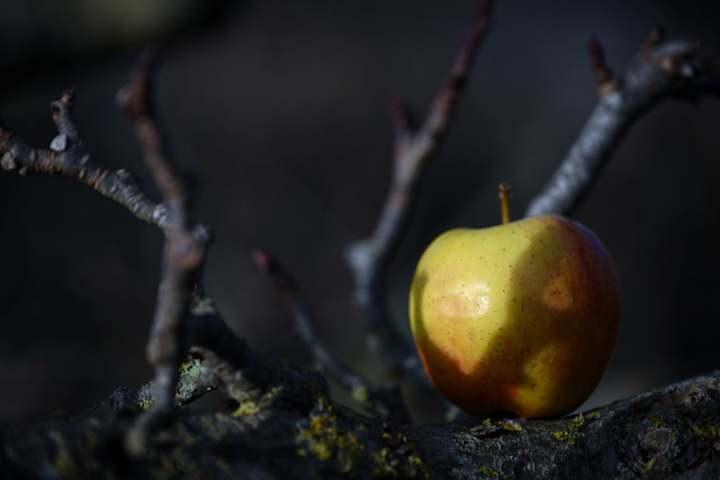
Traditional wassailing ceremony | Finnbarr Webster/GettyImages
You have probably heard the word “wassail” around Christmas, either as the name of a warm drink or as a word tied to singing, caroling, and general holiday cheer.
What you might not have heard of is apple wassailing, also called orchard wassailing, which was more like a loud seasonal ceremony meant to protect the next year’s apple crop.
Different versions of the ritual popped up across the UK, but many accounts place its early roots in the cider regions of Cornwall and other counties in the far southwest of England, where cider-making has been part of local life for a long time.
Typically, a group of locals—often young men, though not always—would head to the orchard they wanted to “protect” around Christmas, or sometimes on Twelfth Night, carrying anything that could make noise.
That meant drums, bells, horns, whistles, and whatever else they could bang or shake to create chaos.
The goal was to produce an unbelievably loud racket, known as "howling", to scare away demons and evil spirits that people believed could hide in the trees and ruin the harvest.
Offerings were often left for the trees, and cider might be poured onto the roots. In Somerset, in particular, special attention was sometimes given to the oldest tree in the orchard, which people believed helped determine the health and productivity of all the others.
advertisement
Once the group felt the spirits had been chased off, the wassail could continue with people acting out the motions of picking apples, almost like a rehearsal for the year ahead.
The idea was that the trees would “remember” the harvesters and respond well when the real picking season returned.
People also sang songs to the trees, treating the orchard like something that needed encouragement and respect, not just labor.
After that, the ceremony usually shifted into the more familiar part of the holiday season, where the group kept the celebration going by drinking cider—often a lot of it.
advertisement
Christmas Underwear
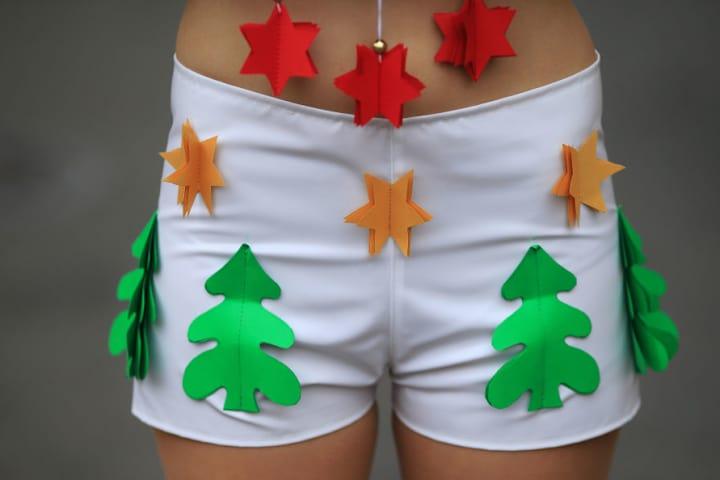
Christmastime shorts | picture alliance/GettyImages
A lot of the traditions people now connect with Christmas—like bringing evergreens into the house or decorating trees—developed across continental Europe, especially in northern regions.
Because of that, many old superstitions traveled too, and some made their way to the northeastern United States in the 1700s and 1800s through Pennsylvania Dutch and German settlers, where the ideas took on a life of their own.
Not all of these beliefs survived into modern life, and based on some of them, that is probably for the best.
One superstition claimed it was bad luck to bathe between Christmas and New Year’s, as if washing away the holiday somehow invited trouble.
Another version went even further and suggested that changing clothes during that same stretch was also off-limits, especially changing your underwear.
According to the belief, anyone who put on new underwear in that between-holidays window risked bringing misfortune into the coming year. And on top of that, they supposedly risked getting boils too, which is a pretty intense penalty for basic hygiene.
advertisement
Washing during the week between Christmas and New Year’s was also said to lead to poor health, but the fear of “bad timing” did not stop with people.
Even farm chores could supposedly backfire, because cleaning out stables during this period was believed to put the farmer at risk of having "trouble with witches."
It is hard to say how widely this was truly followed, but it does show how certain holiday beliefs treated the days after Christmas like a fragile period where one wrong move could invite trouble.
advertisement
Christmas Morning’s Dew
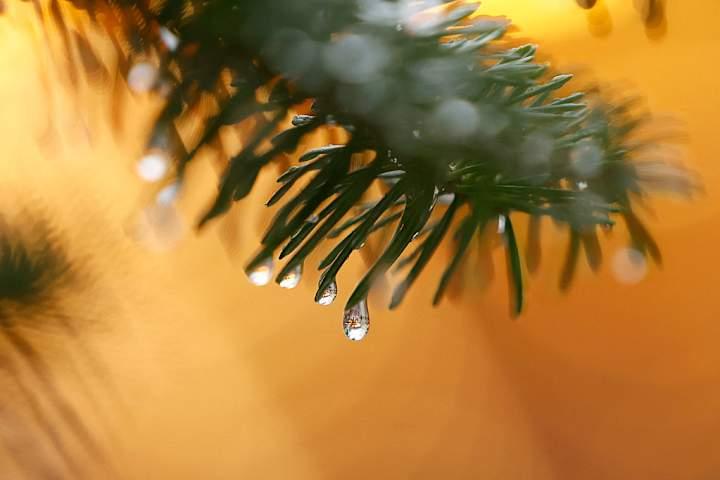
Morning dew | ODD ANDERSEN/GettyImages
Because Christmas has a religious foundation, people often connected the natural details of the season—weather, moisture, timing, and light—to the nativity and to Jesus Christ.
That led to the idea that certain natural things around Christmas carried good fortune, especially in early American communities, including the Pennsylvania Dutch.
The dew and early-morning moisture that formed overnight on Christmas Eve was believed to have healing properties, almost like a seasonal medicine you could collect for free.
Some mothers would leave a small piece of bread outside on Christmas Eve, sometimes three pieces by tradition, so that by morning the bread would be coated in dew.
Then each person in the home would eat a small piece of the dew-covered bread, with the belief that it could protect them from fevers in the year ahead.
And just like the hygiene superstitions, this one extended to animals too, not just the human members of the household.
Farmers were said to set aside a little hay on Christmas Eve so it would also be damp with dew in the morning, and feeding that wet hay to cattle was believed to keep the animals from dying before the next Christmas rolled around.
advertisement
Good Luck Pies
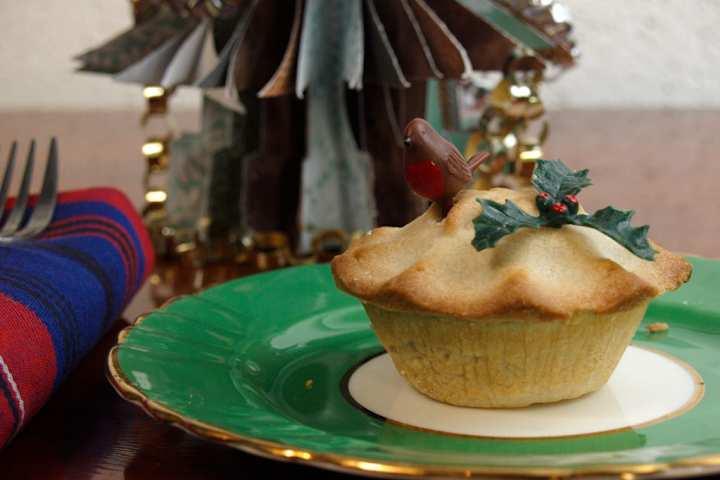
Mince pie decorated with a robin and holly | Education Images/GettyImages
Food is naturally a huge part of the Christmas season, so it makes sense that plenty of superstitions grew up around what you eat, how you serve it, and what it supposedly “means.”
In England, sweet mince pies have long been a holiday staple, and one old belief said that eating twelve of them during the twelve days of Christmas could lock in a full year of good luck.
To make it count, the superstition specified that the pies should be eaten in twelve different homes or from twelve different friends, turning dessert into a kind of social scavenger hunt.
Because of that, people also said it was bad luck to refuse a mince pie when someone offered one. There was even a belief that cutting one with a knife was bad luck too, as if you were slicing up the luck along with the pie.
Other holiday food traditions stacked up over time, including the idea that every person in the household should stir the Christmas cake batter so everyone shared in the fortune connected to it.
Some people also believed you should save a small piece of cake until next year, like a tiny edible time capsule meant to carry good luck forward.
There were also odd rules about timing, such as bread only being baked after dark during the Christmas period.
And if a batch of smaller cakes or buns was made, the cook was supposed to prepare at least one bun for each person in the household, naming them before they went into the oven, almost like putting everyone on a roll call.
advertisement
In a darker twist on all this holiday goodwill, there was also a superstition that if your cake cracked or split open while baking, someone could die within the next 12 months.
That is a pretty bleak forecast for a kitchen accident, and it is the kind of superstition that probably made people stare at the oven like it was delivering a verdict.
Maybe that is one tradition best left in the past, along with the no-bathing rule.