

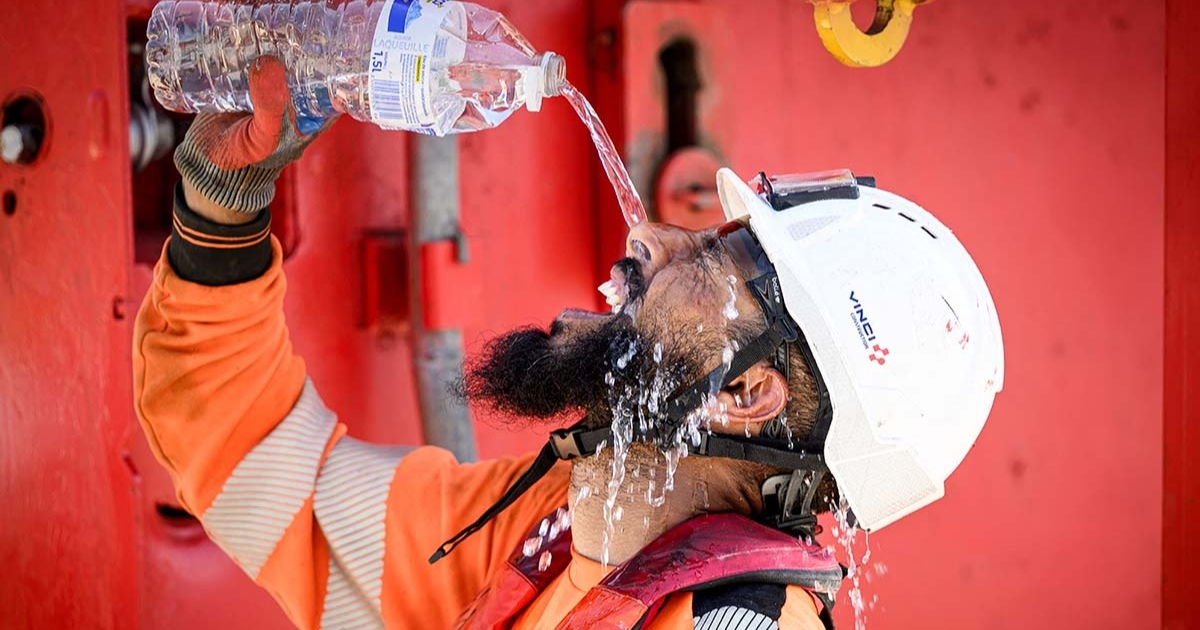
Forecasters say dangerous heat could linger through the holiday weekend, with some areas getting little relief at night.
advertisement
As the Fourth of July weekend approaches, millions of Americans are being warned about more than just hot afternoons. Forecasters say a "significant, dangerous" heatwave could hit large parts of the country, while lakes, rivers, and beaches may bring a separate danger for people trying to cool down fast.
The National Weather Service has warned that areas east of the Rocky Mountains could face several days of dangerous heat. This is not expected to feel like normal summer weather, with triple-digit heat indices, record-challenging temperatures, and hot conditions that may last through Independence Day and beyond.
The Weather Prediction Center says much of the Central and Eastern US could run well above normal. Meteorologist Frank Pereira warned that confidence is growing for record-breaking summer heat and higher extreme heat risk across the Midwest and Eastern US from July 3 to July 9.
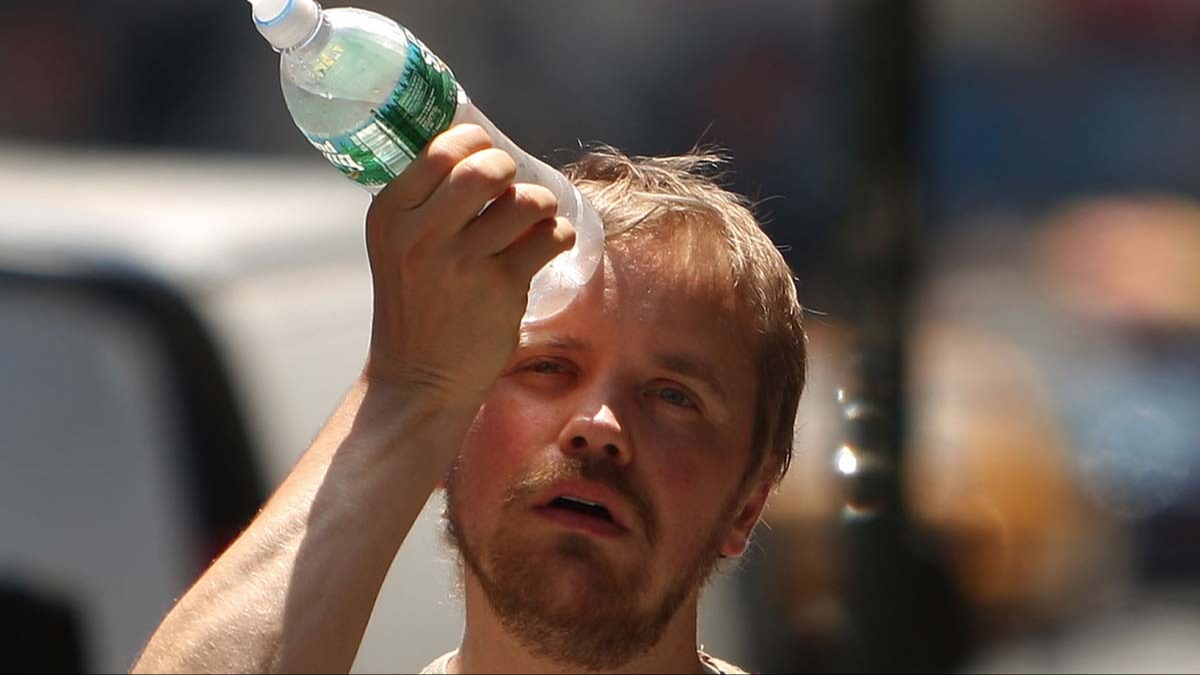
The US is set for a scorcher on July 4
Getty stock image
Where the July 4 heatwave risk looks highest
A federal heat risk map shared by the National Weather Service's Climate Prediction Center puts the Mid-Atlantic, including Washington DC, among the places facing the highest risk of extreme heat between June 30 and July 6. The map shows a more than 60 percent chance of dangerous conditions in that area.
Temperatures there could climb to around 95F, but the heat index may make it feel far worse. In some spots, it could feel hotter than 105F once humidity is added in.
Forecasters say records could begin falling from the Ohio Valley into the Mid-Atlantic and Northeast from June 30. By July 2, triple-digit heat is possible from the Carolinas north through the Mid-Atlantic, while areas from the Dakotas eastward may see highs in the upper 90s that feel closer to 110F.
advertisement
The nights may not bring much relief either, which is one of the more dangerous parts of this forecast.
Pereira warned that widespread warm overnight low temperature records are possible. Some areas may struggle to fall below the low 80s after dark, giving the body less time to cool down after a long day of heat.
That kind of hot night can raise the risk of heat-related illness, especially for older adults, young children, outdoor workers, and anyone without steady access to air conditioning.
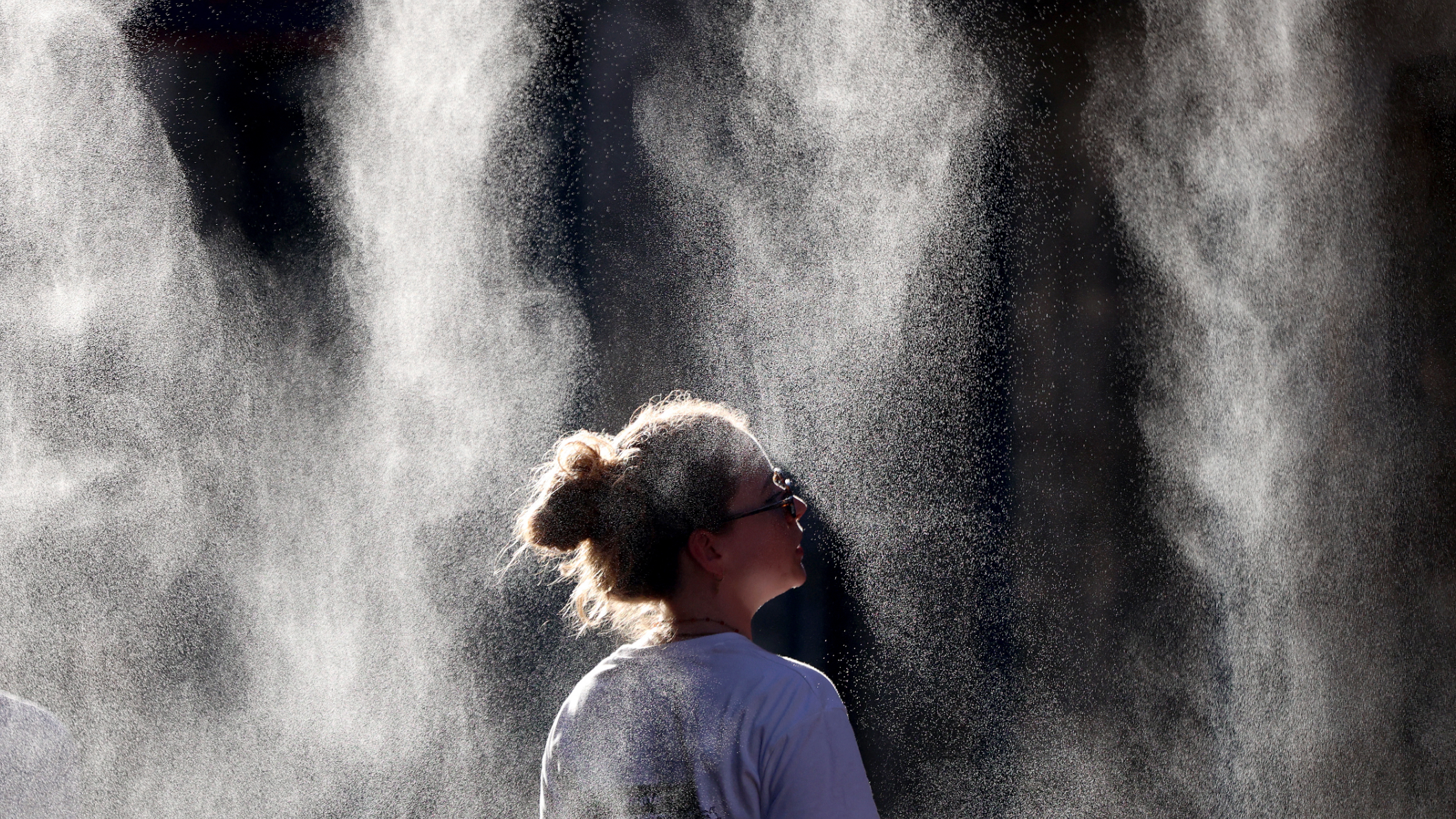
How to stay safe in a heatwave as weather warnings issued across the US
Getty stock image
Why hot nights can make heat more dangerous
Daytime heat is easier to notice, but warm nights can be just as important. When temperatures stay high after sunset, homes, roads, and buildings hold onto the heat instead of cooling off.
The Weather Prediction Center said the central and eastern US could see a widespread Major to Extreme HeatRisk pattern, with heat indices reaching or passing 105F to 110F in many places and warm overnight lows bringing little to no nighttime relief.
That is why a heatwave can become more dangerous over several days. Each hot night leaves people starting the next day with less recovery time, especially if they are sleeping in a warm room or doing outdoor activities during the holiday weekend.
advertisement
Why cold water can be risky in a heatwave
When the air feels unbearable, jumping into open water can seem like the fastest way to cool off. But experts warn that lakes, rivers, and the ocean can shock the body even when the weather is hot.
Cold water shock can happen in water below 59F, according to Mike Tipton, a physiology professor at the University of Portsmouth and a leading expert on cold water survival. He has described the reaction as one of the biggest stresses the body can face.
The danger comes from sudden immersion. Cold water can trigger an automatic gasp, faster breathing, and a rapid heart rate, which can leave even strong swimmers struggling within seconds.
advertisement
The risk is not limited to oceans or large lakes. Rivers and quarries can also hide strong currents, sharp temperature changes, poor visibility, and uneven ground under the surface.
Heat exhaustion and heat stroke are the other major dangers during extreme heat, so cooling off safely matters. Heat exhaustion can cause heavy sweating, dizziness, nausea, and a fast but weak pulse.
Heat stroke is a medical emergency. The CDC lists warning signs that can include confusion, slurred speech, loss of consciousness, seizures, and very high body temperature, while the National Weather Service notes that body temperature above 103F can be part of the danger.
advertisement
Officials are urging anyone heading outdoors over the holiday weekend to limit activity during peak heat, drink plenty of water, and check on vulnerable family members and neighbors.
They are also reminding drivers to check the back seat before walking away from a car. During extreme heat, the inside of a vehicle can become dangerous fast, especially for children, older adults, and pets.
For anyone planning to swim, the safer move is to enter water slowly, avoid swimming alone, and pay attention to local warnings. Cooling down is important, but a sudden plunge into cold open water can turn a heatwave escape into an emergency.