

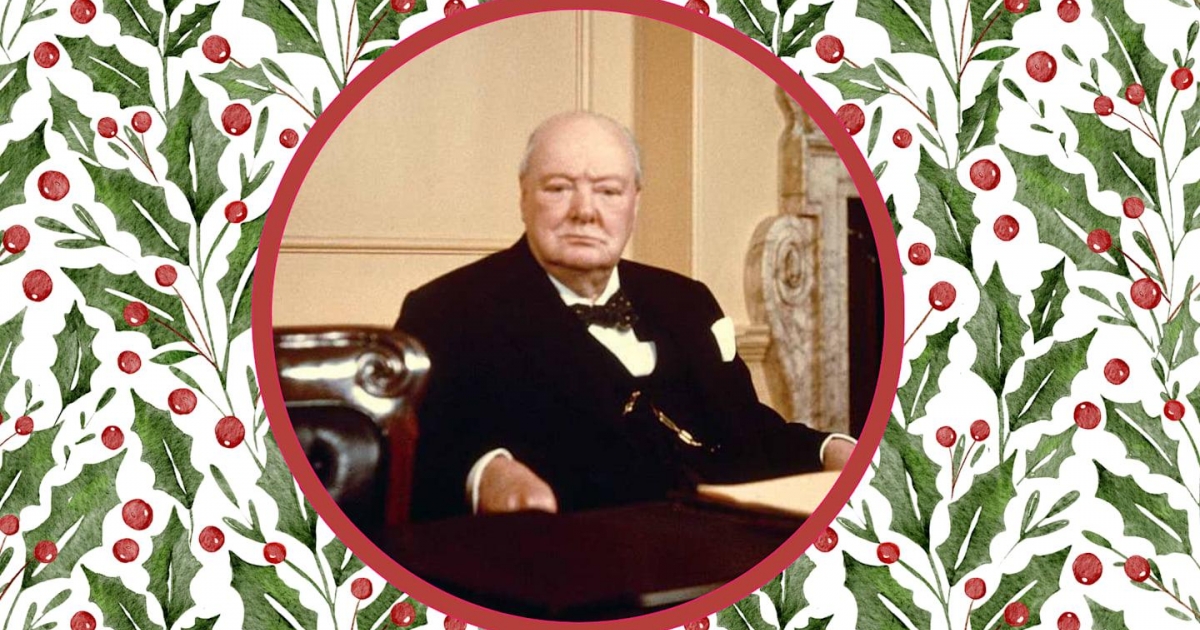
While most holiday events fade from memory, these spiraled into chaos, violence, and tragedy.
advertisement
When the leader of a country hosts a Christmas celebration, it is usually a safe, scripted affair meant to keep up appearances and smooth over political relationships.
At worst, these events tend to generate a minor scandal, like complaints about decorations or the cost of the festivities.
But history shows that when powerful people mix authority, ego, and the holidays, the outcome can turn grim, with people ending the night injured, imprisoned, or dead.
Guinea’s Deadly Mass Celebration
Francisco Macías Nguema ruled Equatorial Guinea for a decade, and his leadership style was extreme even by the standards of brutal dictators. He ordered the country’s witch doctors to surrender their wooden staffs so he could absorb their combined magic, a move that raised eyebrows even among believers.
By the end of his reign, Nguema reportedly kept human heads close by and spoke to them, reinforcing his reputation for paranoia and cruelty.
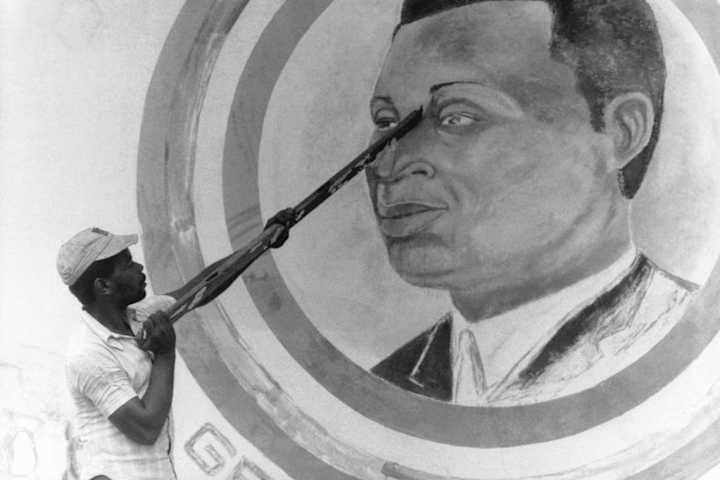
Francisco Macias Nguema | Etienne MONTES/GettyImages
Facing growing opposition, Nguema decided to make an example of his enemies during Christmas 1969. He gathered 150 political opponents in a football stadium in Malabo while loudspeakers played "Those Were the Days" by Mary Hopkin. Armed guards then opened fire and killed all 150 prisoners.
Some accounts claim the guards were dressed as Santa Claus, though not all sources agree. Whether true or not, the event remains one of the most disturbing holiday atrocities on record. Nguema was eventually overthrown and executed, but not before moving the national treasury into his bedroom and setting the cash on fire.
advertisement
Churchill’s Poor Arteries
In December 1941, Winston Churchill spent Christmas at the White House, having effectively invited himself during a critical moment in World War II.
This visit came just weeks after the attack on Pearl Harbor, and Churchill believed it was essential to influence U.S. strategy while America was deciding where to focus its military power.
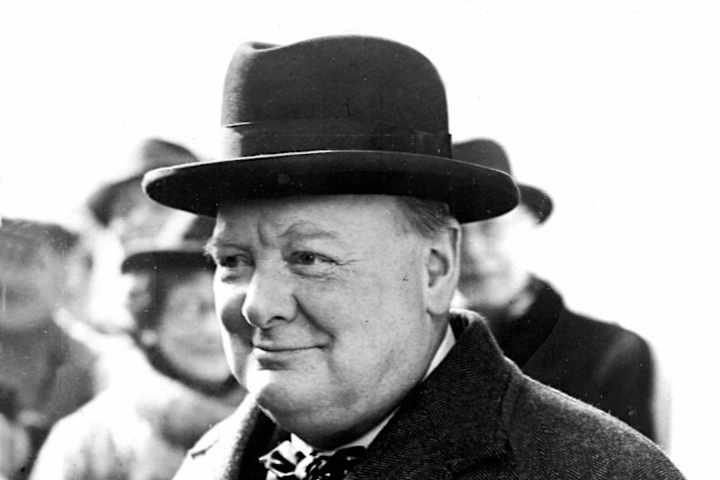
Sir Winston Churchill (1874-1965) | LAPI/GettyImages
Britain had already declared war on Japan, but Churchill was determined that the United States not lose sight of the ongoing conflict in Europe.
During the visit, Churchill and President Franklin Roosevelt attended Christmas mass together and watched a private screening of The Maltese Falcon. Shortly after, Churchill suffered a heart attack.
The heart attack was kept completely secret. Churchill did not even know it had happened, as his doctor chose not to inform him or anyone else.
The doctor feared that public knowledge of the prime minister’s condition could spread the idea that the leader of Britain was "an invalid with a crippled heart and a doubtful future." which could damage morale and influence the war.
Churchill later suffered multiple strokes but never officially experienced another heart attack, unless it too was quietly hidden.
advertisement
A Swedish King Starved His Guests
In 1317, Sweden was ruled by King Birger Magnusson, who had taken the throne as a child and spent years locked in rivalry with his younger brothers, Eric and Valdemar.
The brothers fled to Norway at one point, though that offered little protection since Birger soon expanded his control there as well.
After an attempted coup known as the "Håtuna Games", Birger appeared to make peace by granting his brothers lands to govern.
advertisement
That peace did not last. On Christmas 1317, Birger invited both brothers to a grand banquet. He claimed there was no space for their guards in the castle, but the meal itself was lavish.
Once the brothers retired for the night, Birger returned with armed men and had them thrown into the dungeon.
The brothers never left. They signed away their property and eventually died in captivity, most likely from starvation.
One chronicler claimed Birger mocked them with the line "Remember ye aught of the Håtuna Games? I remember them clearly.", though details from medieval Sweden are often hard to verify.
advertisement
Jimmy Carter Found One Party a Pain in the Butt
During his single term as U.S. president, Jimmy Carter dealt with an uncomfortable medical issue: hemorrhoids.
While everyone technically has hemorrhoidal veins, when someone "has hemorrhoids," it means those veins have become inflamed and painful.
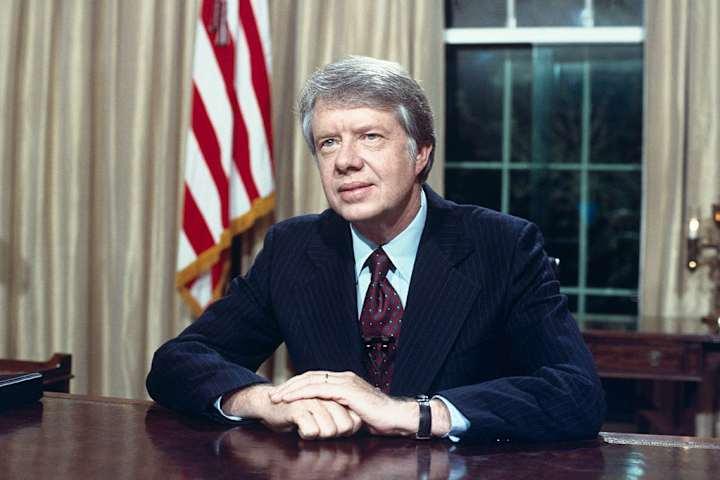
Jimmy Carter at His Desk | Bettmann/GettyImages
At a large White House Christmas party in 1978, Carter was forced to leave early because the pain became unbearable. He did not explain his sudden exit to the thousand guests in attendance.
Although the White House had acknowledged his condition, Carter only admitted in a 2001 memoir that hemorrhoids were the reason he left the party. In early 1979, the issue worsened, raising the possibility of surgery.
Then, the day after Christmas, Carter experienced sudden relief, which he credited to prayers from Egypt. President Anwar Sadat had publicly asked Egyptians to pray for Carter, and the president believed those prayers worked.
advertisement
William the Conqueror and the Fire
William the Conqueror was crowned king of England on Christmas Day in 1066 at Westminster Abbey.
The ceremony followed the traditions of coronations, with a procession, chants, and William stepping onto a raised platform.
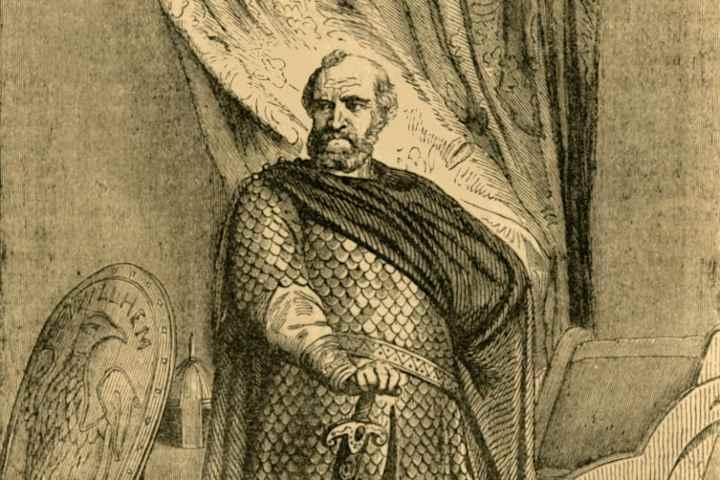
William the Conqueror | Print Collector/GettyImages
When the bishop asked the nobles if they accepted William as king, they shouted approval in both English and French.
Outside the Abbey, guards heard the noise and assumed an assassination attempt was underway. With no context for coronation cheers, they decided to take revenge rather than investigate.
The guards set fire to surrounding buildings, igniting chaos across the city.
advertisement
Records do not show how many people died in the fires, but smoke soon filled the Abbey and caused panic inside.
Attendees fled in fear, turning a royal coronation into a violent disaster.
It was an unforgettable start to a reign, and a reminder that even celebrations meant to mark new beginnings can end in tragedy.