Let’s talk about what really happens when you wake up and can’t move. Spoiler alert: It’s scary AF.
Facts About Sleep Paralysis That Will Keep You Up At Night
By
Sughra Hafeez in
Geeks and Gaming
On 21st June 2015
advertisement
#1 And it’s way more complicated than a nightmare.
"It is the complete opposite, actually," Breus explains. When you enter deep REM sleep, your brain tells the body's voluntary muscles to relax and go into almost a state of paralysis, which is called atonia. Atonia actually helps protect the body from injury by preventing you from acting out the physical movements in your dreams. In other parasomnias, such as sleepwalking or REM sleep behavior disorder, atonia does not occur properly and the voluntary muscles move while the mind remains asleep, which is why people can sometimes do crazy things in their sleep and be totally unaware of it.
In sleep paralysis, the body remains paralyzed in REM atonia while the brain awakens and the eyes start to open, explains Breus. Sufferers become alert in a transient conscious state, but they are unable to move voluntary muscles or speak. Although involuntary muscle movement, like breathing, is not affected, there is often a sensation of chest pressure, which is why many people wake up from sleep paralysis gasping to take a deep breath. Episodes can last anywhere from 20 seconds to a few minutes.
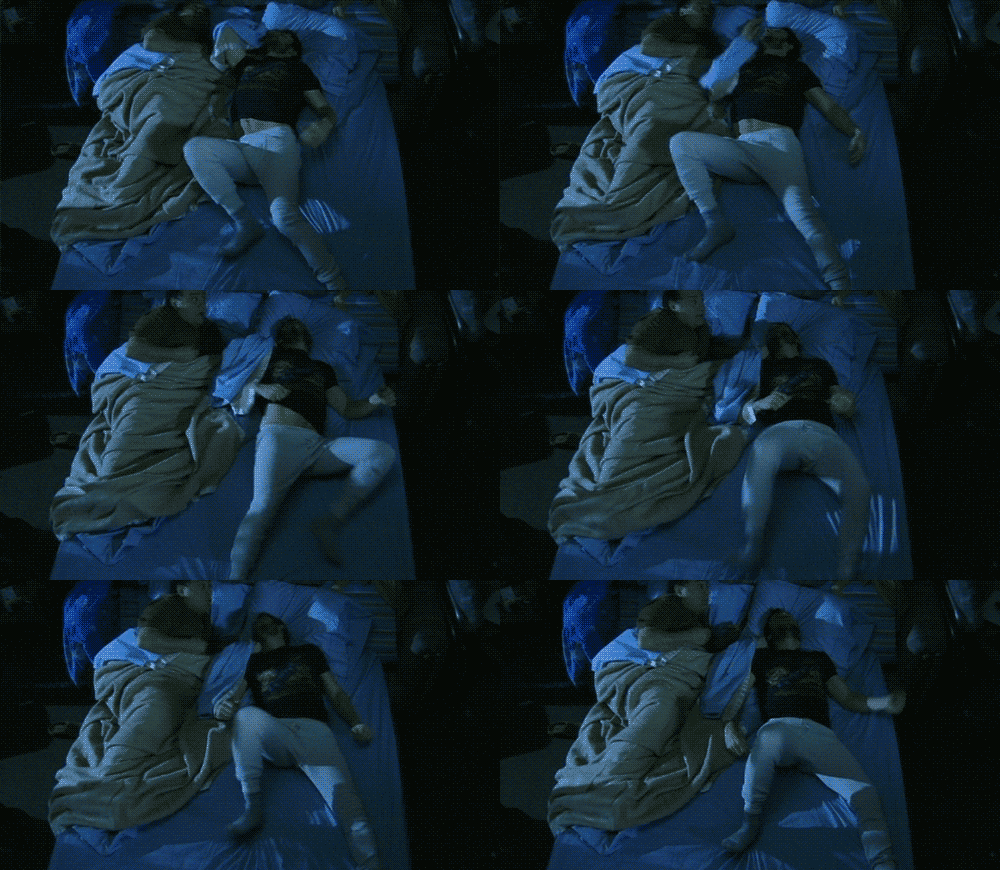
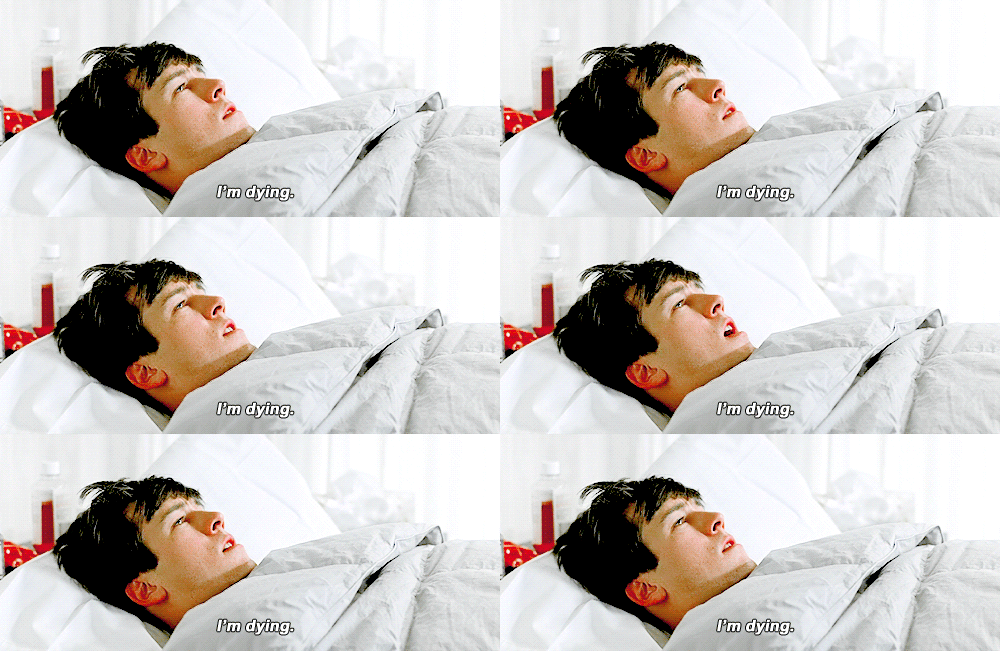
#2 It feels kind of like you woke up dead.
"Most patients say the same thing to describe sleep paralysis: that it feels like you woke up dead. You know that your mind is awake and your body is not so you're trapped, essentially," Michael Breus, Ph.D., clinical psychologist and fellow of the American Academy of Sleep Medicine, tells BuzzFeed Life.
advertisement
#3 It happens when you’re falling asleep or waking up
Sleep paralysis can occur during one of two transitions in the sleep cycle. The body must go into REM sleep, and it must come out of it, but sleep paralysis occurs when the body has trouble making these transitions. If it happens when you're falling asleep, it's called hypnagogic sleep paralysis, whereas if it happens during waking it's called hypnopompic, Breus explains. Unfortunately, why the body can't transition smoothly is still unknown.

#4 Sleep paralysis can involve hallucinations.
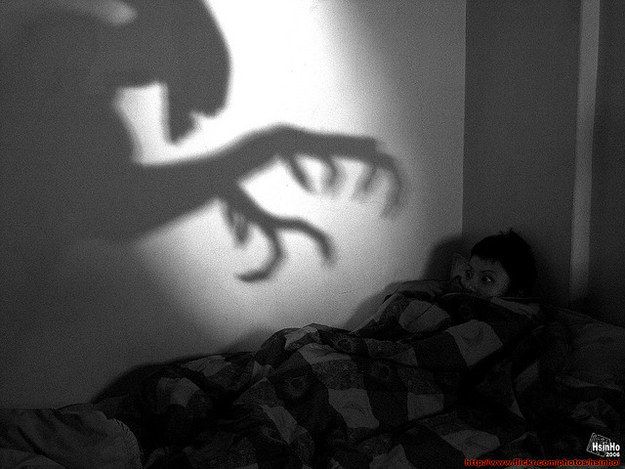
Unlike the visuals in nightmares or lucid dreams, which occur when the eyes are closed in REM sleep, these hallucinations occur in the state between sleeping and waking when the mind is alert and the eyes are open. True visual and auditory hallucinations during sleep paralysis are relatively rare, according to Breus, but many patients report feeling an undeniably strange or scary presence in the room.
Plus, sleep paralysis is just super frightening to begin with, so it often triggers a panicked response with increased heart rate. "People freak out because they can't move, and it's this extreme anxiety which causes people to be very fearful of their surroundings," says Breus.
advertisement
#5 You can’t just wake yourself up.
Some patients report that they can wiggle their toes, fingers, or facial muscles, which helps them wake up the rest of their body. "Everybody tries something different, but you can't fool mother nature there's no way to pull yourself out of it. You just have to wait it out," says Breus.

advertisement
#6 Sleep paralysis is actually a natural occurrence and can happen to anyone.
Every time you go to sleep, there is some risk of waking up in sleep paralysis, says Breus. But severity and degree of consciousness vary greatly most people have at least one episode at some point in life but aren't even aware of it. When it does happen, it's highly individual and rarely the same experience for everyone.

advertisement
#7 But it’s most common among young adults and people with a history of mental illness.
A Penn State study found the highest prevalence rates were in students and psychiatric patients.
advertisement
#8 It’s probably related to being sleep deprived.
According to Breus, research has consistently shown that the less sleep you get and the more exhausted you are, the more likely you are to experience sleep paralysis and other sleep disorders.

advertisement
#9 So avoiding sleep paralysis might be as simple as getting better and longer sleep.
"Sleep deprivation can either be measured in quantity or quality," says Breus. "For example, if you have sleep apnea and you wake yourself up because you stop breathing throughout the night, the quantity of your sleep is bad. If you consume large amounts of alcohol, it prevents you from entering deeper stages of sleep which decreases the quality."
So if sleep paralysis is something you deal with, make sure you're getting enough sleep and you're not doing things that compromise the quality of your sleep (like drinking a lot or eating right before bed). Breus also suggests noting any abnormal sleep behaviors (that you or your partner may notice), like irregular breathing while sleeping or waking up gasping for air, which could actually be an undiagnosed sleep disorder.

advertisement
#10 But really, there is no definitive cause.
Stress, depression, certain prescription medications, and, more recently, an inherited gene have all been linked to sleep paralysis, Breus tells us. But while research shows associations, there is no clear cause of sleep paralysis, which is obviously super frustrating for anyone going through this.
We do know that sleep paralysis can either occur on its own as an isolated incident, or it can be a symptom of other sleep disorders, such as narcolepsy. And there's no explanation for why it might happen every other day or just every once in a while.