

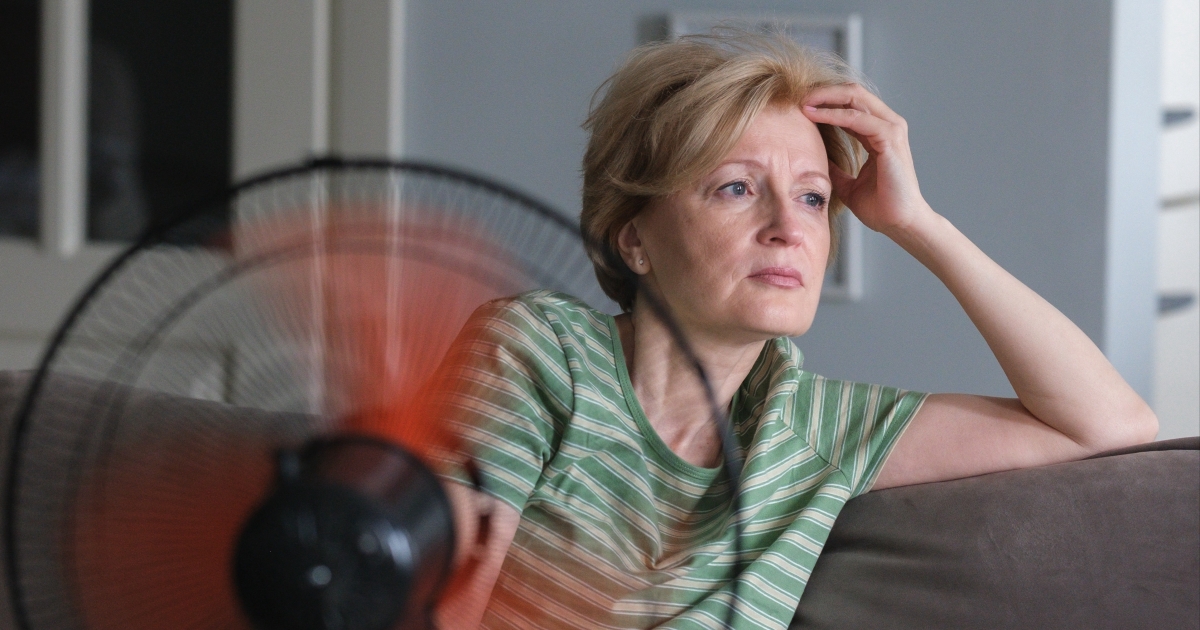
A fan can feel helpful in hot weather, but experts warn it may make things worse once the room gets too warm.
advertisement
Experts are warning that a fan is not always the safe cooling fix people think it is during very hot weather.
When a heatwave hits, switching on a fan is often one of the first things people do. A stream of air can feel like instant relief, especially when a room feels stuffy.
But that relief has a limit. Once the air around you gets hot enough, a fan may stop helping your body cool down and can even add to the strain.
The warning does not mean fans are useless. In milder heat, they can make a room feel more comfortable and help move air around, especially at night when the temperature has dropped.
The issue starts when the room itself is already too hot. At that point, the fan is no longer pushing cooler air across your skin.
Instead, it may blow hot air over your body while you are already trying to cool down, which is why experts say people should not rely on a fan alone during extreme heat.
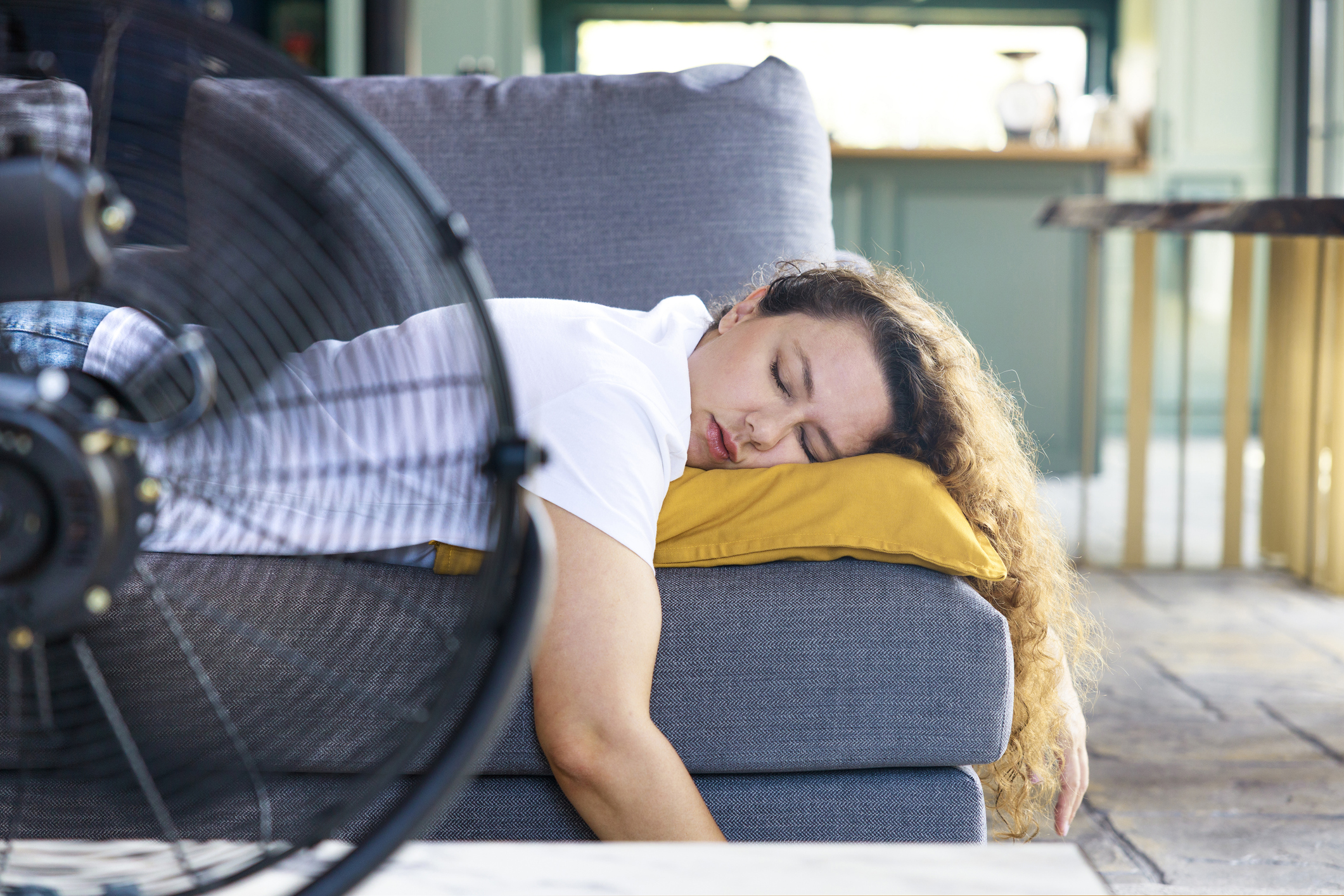
After a certain point fans may do more harm than good
Getty Stock
advertisement
The danger point is when indoor air starts getting close to normal body temperature, which is around 95 Fahrenheit.
In cooler conditions, moving air helps sweat evaporate from the skin. That evaporation is one of the main ways your body releases heat.
But the US Centers for Disease Control and Prevention recommends not using a fan if the air temperature is above 90F, TODAY reports.
Why the 90F warning matters
The CDC's own heat guidance says fans should only be used when indoor temperatures are below 90F. Above that, a fan can raise body temperature instead of lowering it.
That matters most for people who are more likely to get sick in the heat, including older adults, young children, people with long-term health conditions, and anyone without access to air conditioning.
Heat illness can build faster than people expect. Dizziness, confusion, heavy sweating, weakness, nausea, or very hot skin are signs that someone may need cooler conditions and medical help.
advertisement
If the air becomes hotter than your body's core temperature, the fan can no longer cool you in the same way.
At that stage, it is mainly moving hot air around the room.
When that hot air keeps blowing across your skin, it can dry you out and may increase the amount of fluid your body loses. That is one reason fan use in extreme heat is tied to a higher risk of heat-related illness.
advertisement
Drinking enough water is a key part of staying safe in hot weather, especially when you are sweating more than usual.
A fan may still be useful, but it should not be the only plan. Keeping the room temperature lower matters just as much as moving the air around.
If you do not have air conditioning, it can help to keep doors, windows, curtains, or blinds closed during the hottest part of the day. Once the temperature drops, opening windows again can let cooler air move inside.
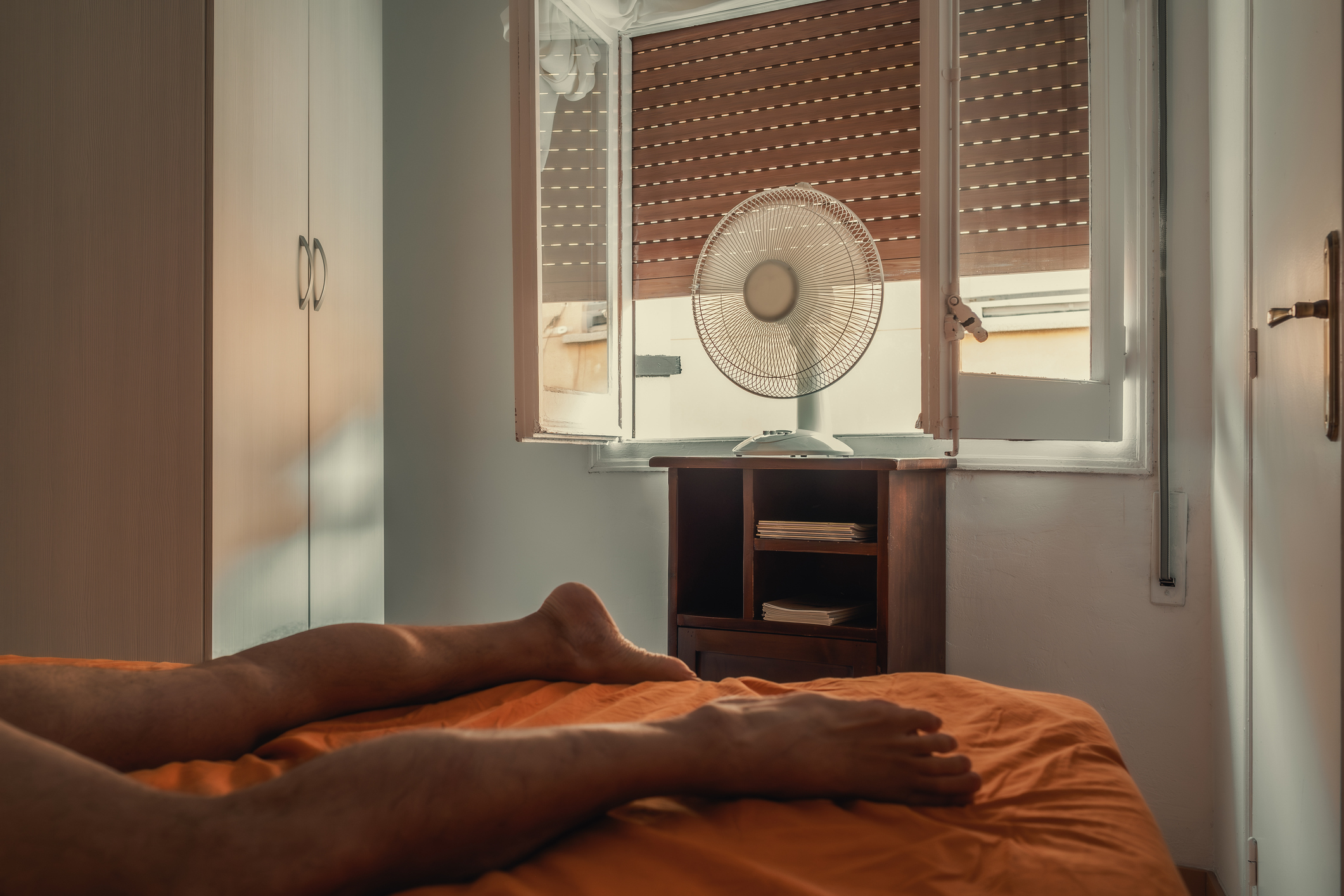
Sleeping during hot weather can be a challenge
Getty Stock
advertisement
Fans are not the only heatwave habit that can sound helpful but may not work as well as people expect.
Some experts have also warned that taking a cold shower right before bed may not be the best way to stay cool through the night.
A cold shower can feel good for a short time, but one doctor suggested a less extreme option may work better for sleep.
advertisement
That option is a lukewarm shower, rather than one that is very cold or hot.
The idea is that lukewarm water can help widen the blood vessels in your skin. That may make it easier for your body to release heat and stay cooler while you sleep.
The simple takeaway is to treat fans as one tool, not a full heatwave safety plan. Cooler rooms, water, shade, and checking on vulnerable people all matter when temperatures stay high.