

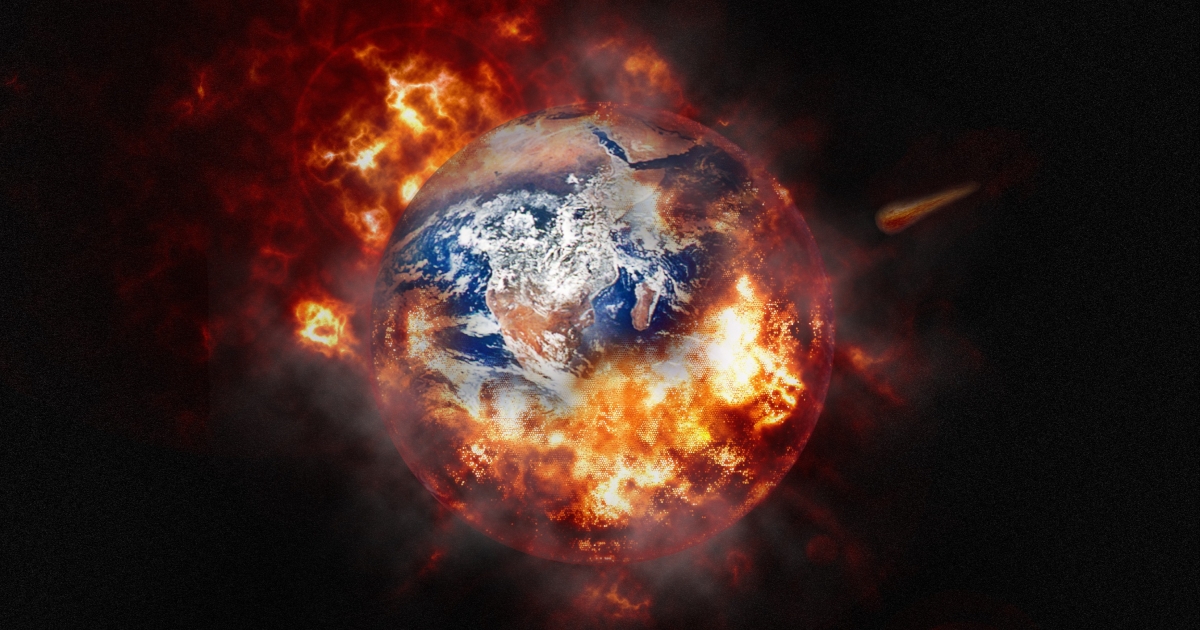
Scientists have several ideas for how the universe could end, and these five theories are among the most talked about.
advertisement
Scientists have come up with several possible endings for the universe, and five of them are especially popular when people talk about the far future of everything.
This is not the kind of ending most of us need to worry about next week, next year, or even in the lifetime of humanity. It is much bigger than when humans could go extinct, because these theories deal with the fate of space, time, matter, and energy itself.
Still, that has not stopped cosmologists from asking what might happen in the distant future. Some endings are slow and cold, some involve the universe collapsing, and one could be so sudden that nobody would ever see it coming.
Most people know the basic idea of the Big Bang: the universe began in a hot, dense state and then expanded outward.
Since that beginning, the universe has kept expanding. Gravity has pulled matter into galaxies, stars, planets, and, in one of the stranger side effects of cosmic history, elephants and people who can sit around wondering how all of this might end.
At some point, though, the story has to move into its final chapter. That ending would almost certainly come long after the Sun expands and makes Earth unlivable, so these theories work on time scales far beyond normal human thinking.
advertisement
Why the universe's ending depends on expansion
The key question is what happens to the universe's expansion. If expansion keeps speeding up forever, some endings become more likely. If it slows and reverses, the future starts to look very different.
NASA explains that the universe began about 13.8 billion years ago, and that its expansion started speeding up roughly nine billion years after the Big Bang because of a mysterious driver scientists call dark energy.
That is why so many end-of-the-universe theories involve dark energy, gravity, and the way matter spreads out over time. Scientists still do not know exactly what dark energy is, so the final answer is still open.
So, order a drink, settle in with a steak from a cow that wants to be eaten, for the Douglas Adams fans, and let's take a calm look at some very dramatic ways the universe could reach its final scene.
The good news, if there is any here, is that most of these ideas do not involve anything happening soon. The bad news is that the options are still a little bleak once you think about them for more than five seconds.
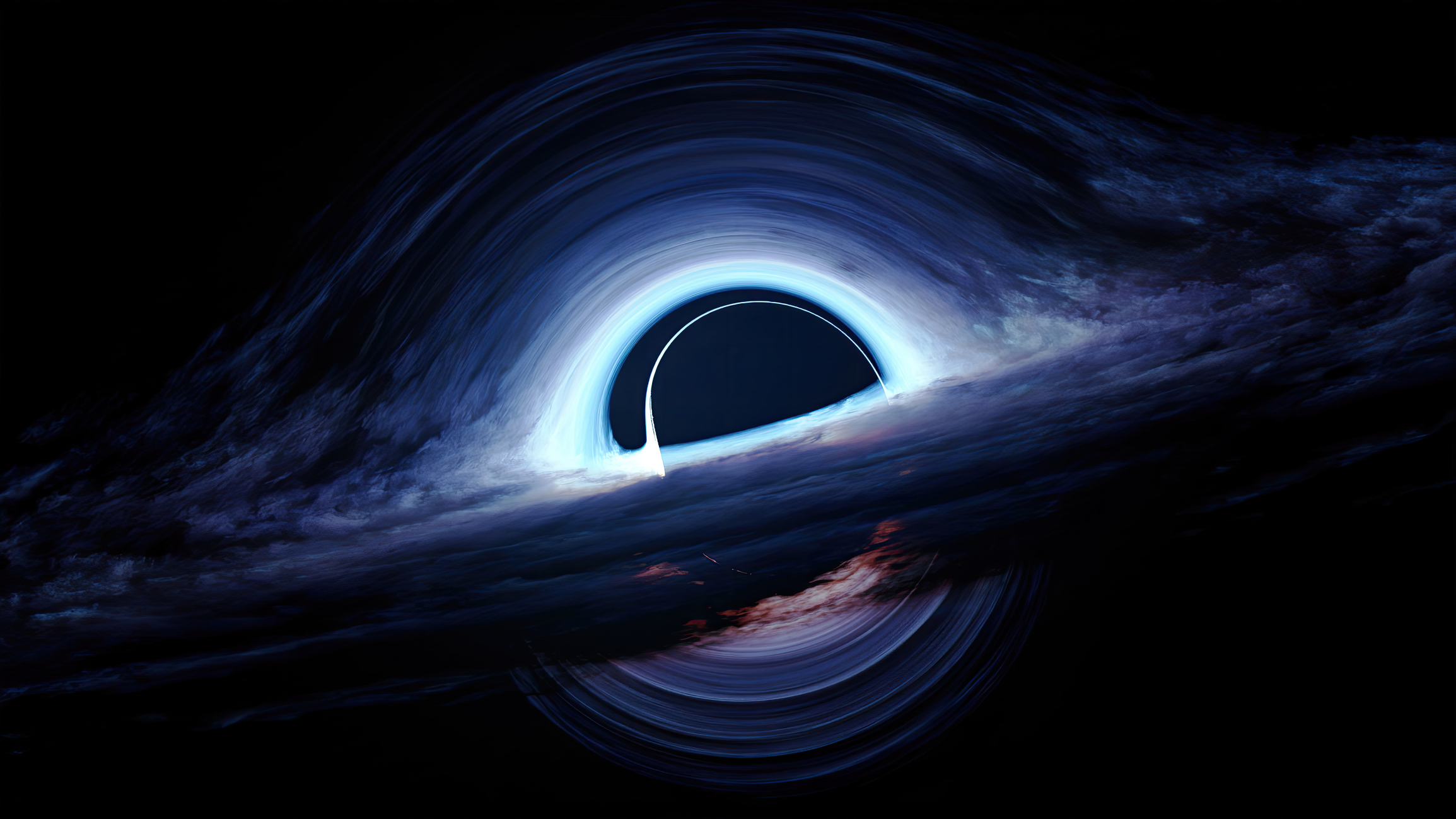
What happens at the end?
Getty Stock
advertisement
The universe could collapse in the Big Crunch
The Big Crunch is one of the better-known ideas, partly because it sounds like the Big Bang running in reverse.
Instead of everything spreading outward forever, the universe would eventually slow down, stop expanding, and begin falling back in on itself. Gravity would win the long fight and pull galaxies, stars, and matter back together.
If that continued to the end, everything could be crushed into one incredibly dense point of energy and matter. At that stage, the normal idea of time would no longer make much sense.
advertisement
The universe could fade out in the Big Freeze
The Big Freeze is slower, quieter, and somehow even more depressing. In this version, the universe keeps expanding instead of snapping back into a Big Crunch.
As matter and energy spread thinner across space, stars would die out, new stars would become harder to form, and usable energy would become scarce. Entropy would keep increasing, leaving less and less structure that could do anything useful.
The final result would be a vast, cold universe hovering just above absolute zero. It would not explode or collapse; it would simply become a dark and almost empty place where nothing much can happen anymore.
advertisement
So yes, that is a cheery thought.
The Big Freeze is often treated as one of the more plausible endings because current observations show the universe is expanding and that expansion is speeding up. That does not make it certain, but it does make the cold, slow ending hard to ignore.
Could the universe begin again?
Getty Stock
advertisement
The Big Bounce offers a possible cosmic reset
The Big Bounce is a slightly more hopeful idea because it does not treat the universe's ending as a final stop.
In this version, the universe could eventually reach an end state that leads into another beginning. The final stage of one universe may trigger something like a new Big Bang, starting the whole process again.
That would make the universe less like a one-time event and more like a cycle. One universe expands, changes, ends, and then gives way to another.
advertisement
The Big Rip would tear everything apart
No, the Big Rip is not what happens after eating too many beans for dinner. It is a much stranger idea based on dark energy becoming stronger over time.
If dark energy kept growing in strength, it could push the universe apart faster and faster. Galaxies would drift away, then stars and planets could be pulled apart, and eventually even atoms could be split into smaller pieces.
At the very end, the fabric of the universe itself would rip. It is one of the more dramatic theories because it does not just leave the universe cold or empty; it destroys the structures that hold it together.
advertisement
Vacuum decay could change reality without warning
Vacuum decay may be the most unsettling theory here because it does not need a slow countdown that lasts for trillions of years.
The idea is based on the possibility that the quantum vacuum, which helps matter behave the way it does now, may not be in its most stable possible state. In simple terms, the universe might be sitting in a temporary state that looks stable to us.
If that state decayed into something else, the rules of physics could change with it. Matter, forces, and the basic structure of reality may no longer work the way they do now.
advertisement
If vacuum decay happened, the change would spread through the universe so fast that we would not have time to understand what was going on.
In plain English, the universe could stop being the universe we know before anyone could react.
That is what makes this one so bleak. The other endings are mostly about the far future, but vacuum decay is the rare theory that sounds like the cosmos could pull the plug without giving a warning first.