

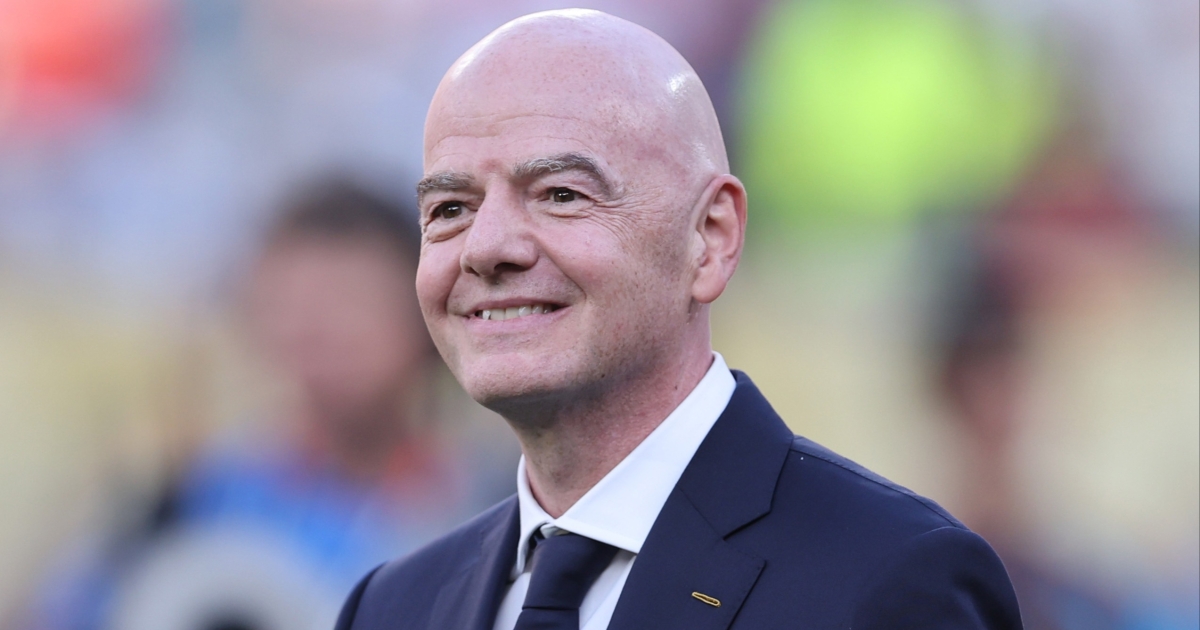
FIFA had already opened disciplinary proceedings over the 'disgusting' scenes that followed Spain's extra-time victory
advertisement
A private message from FIFA President Gianni Infantino to Argentina's soccer federation has attracted attention for one awkward reason. He praised the losing team for its 'professionalism' only days after its World Cup campaign ended with a heated brawl.
Spain defeated Argentina 1-0 after extra time in the World Cup final on July 19, 2026, at New York New Jersey Stadium. The match remained scoreless through 90 minutes before substitute Ferran Torres struck in the 106th minute, giving Spain its second men's world title.
The celebrations soon turned tense. Argentina midfielder Leandro Paredes became involved in clashes with Eric García and Gavi, while assistant coach Roberto Ayala confronted Dani Olmo during scenes later described as 'disgusting'. Ayala has since apologized for his part, although he claimed the contact was a shove rather than a punch.
FIFA responded by opening disciplinary proceedings into the conduct of players and coaching staff after the final. The investigation was already underway when Infantino's letter praising Argentina became public through a report by the Mail Online.
That contrast placed the wording under far more scrutiny than a routine message of congratulations might normally receive. Infantino appeared to be praising Argentina's performance across the full tournament, but the use of 'professionalism' stood out while footage of the post-match confrontation was still being examined.
The letter was sent to Claudio Tapia, president of the Argentine Football Association. It recognized Argentina's second-place finish and focused on the team's run to the final rather than directly addressing the trouble that followed the final whistle.
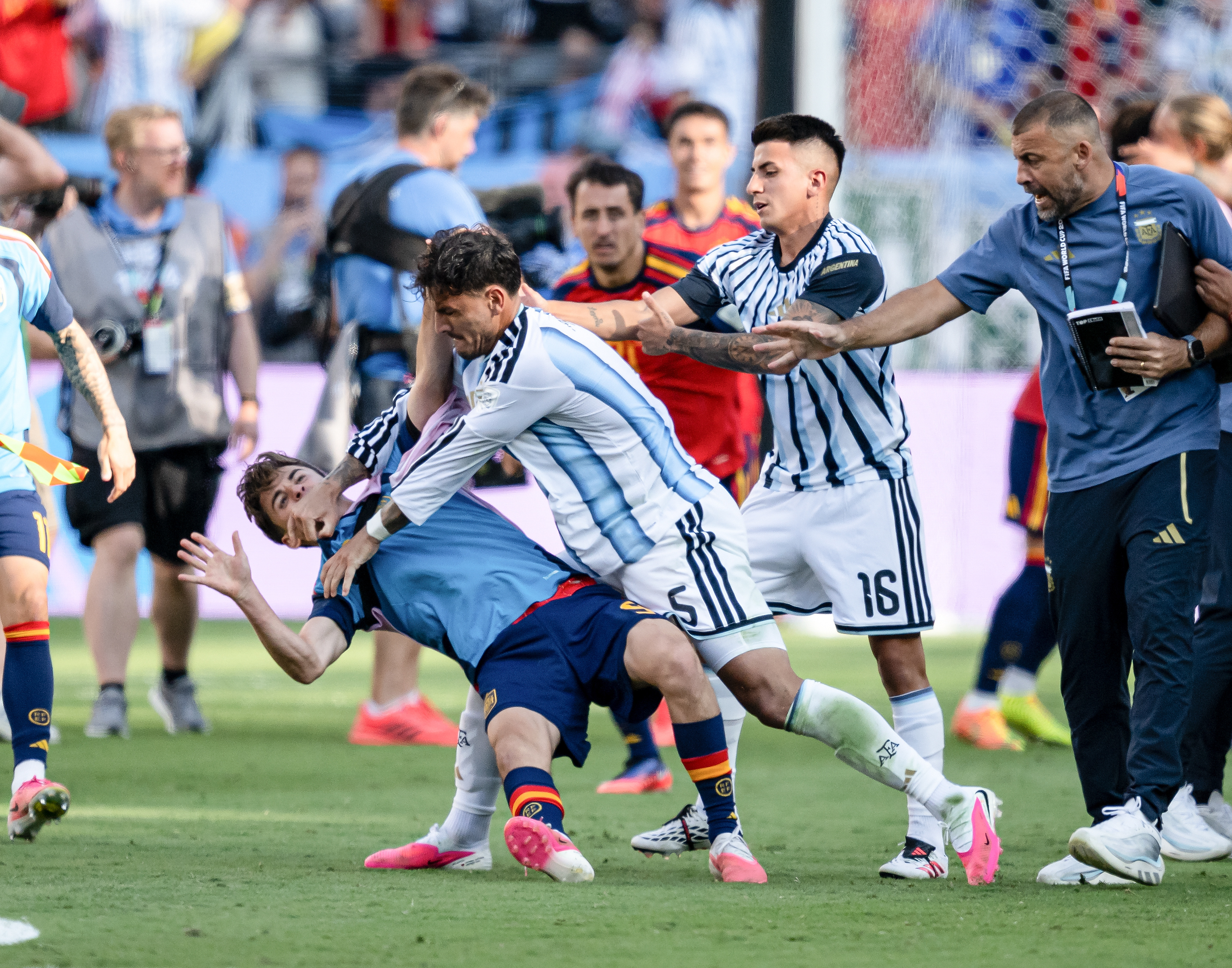
Things got ugly after the World Cup final concluded
Marvin Ibo Guengoer - GES Sportfoto/Getty Images
advertisement
What FIFA is investigating after the final
FIFA appointed a disciplinary and ethics prosecutor to review the confrontation, according to Reuters. The inquiry covers the actions of both players and members of Argentina's coaching staff during the chaotic scenes.
Television footage showed Paredes grabbing García by the throat, while Nahuel Molina and Thiago Almada were also involved in the disorder. Argentina coach Lionel Scaloni stepped in as he tried to calm the confrontation and move his players away.
The process could lead to individual suspensions for those found responsible. The Argentine Football Association could also face a fine, meaning Infantino's supportive letter has no power to close the separate disciplinary case or decide its outcome.
The 'leaked' letter opened with Infantino directly addressing Tapia and placing Argentina's silver medal within the setting of the final. The FIFA president wrote: "Dear Mr. President, Yesterday, Sunday, July 19, 2026, at the magnificent New York New Jersey Stadium, Argentina won the silver medal of the FIFA World Cup 2026, after an exciting final against Spain."
"I would like to reiterate my most sincere congratulations for this important new result for Argentine soccer."
He then described the tournament as a major success built around memorable matches, new talent, established stars, and packed stadiums: "The FIFA World Cup 2026 will remain in memory as an unforgettable celebration of football, marked by spectacular matches, the irruption of new promises, the presence of the great figures of the sport and the extraordinary atmosphere lived in stadiums full of fans."
advertisement
"The magnificent performance of the Albiceleste also contributed decisively to making this edition an exceptional event that captivated millions of football enthusiasts around the world."
Infantino's reference to the Albiceleste covered Argentina's overall tournament performance rather than the final confrontation. Lionel Scaloni's side reached the title match and took Spain into extra time before Torres scored the only goal.
Argentina also finished the match with 10 players after Enzo Fernández was sent off during second-half stoppage time. The loss ended the country's attempt to defend the title it had won in Qatar in 2022.
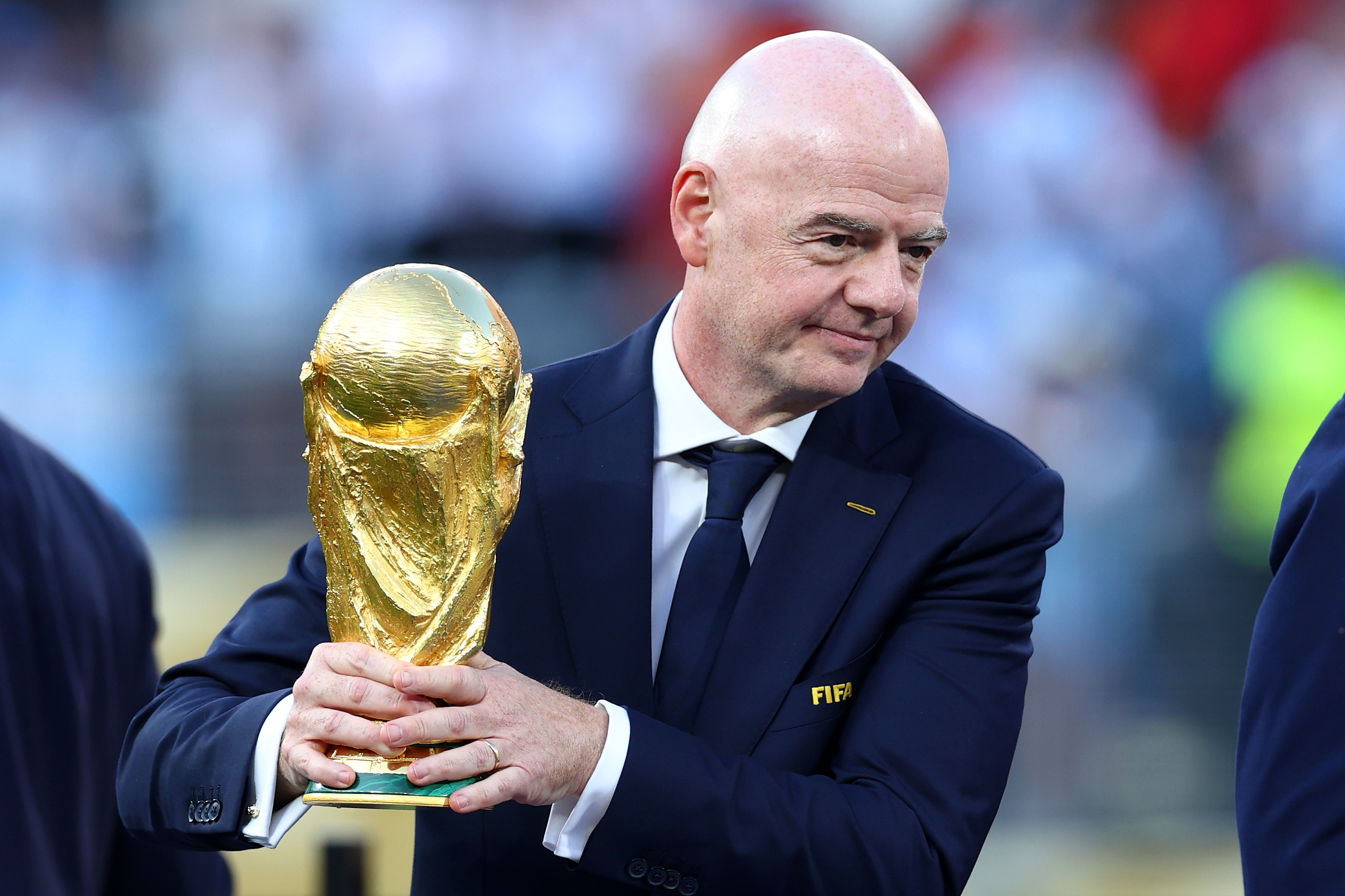
The FIFA president sent a letter to the Argentine FA following the World Cup
Chris Brunskill/Fantasista/Getty Images
advertisement
Infantino extended his congratulations to the Argentina players, manager Lionel Scaloni, the coaching and medical teams, and the supporters. He praised what he called the 'magnificent result' of finishing second at the 48-team tournament.
Near the end of his message, he credited preparation, discipline, and passion for Argentina's progress and predicted more success for the national team: "These victories are always the fruit of constant work, professionalism and attention to detail, but also of passion, commitment and love for this wonderful sport. All this augurs a very promising future and, without a doubt, will pave the way for new and great successes for Argentine football."
Infantino closed the letter on a warm and personal note to Tapia: "I wish you, dear Mr. President, all the best for the next competitions and I hope to see you again very soon. With all my friendship, Gianni Infantino."
advertisement
The letter arrived after a tournament in which Infantino had already faced criticism over his close relationship with President Donald Trump. The most serious dispute involved FIFA's decision to suspend the one-match ban attached to Folarin Balogun's red card.
Trump confirmed that he had personally asked Infantino for a 'review' of the decision. FIFA later allowed the United States striker to face Belgium, although the governing body insisted its disciplinary process remained independent.
The move prompted complaints of political interference from several soccer organizations. Reuters reported that FIFA suspended the implementation of Balogun's ban after Trump's intervention, clearing him to play before the United States was eliminated 4-1.
advertisement
When and where will the 2030 World Cup be held?
The next men's World Cup will mark 100 years since the first tournament was staged in Uruguay in 1930. Morocco, Portugal, and defending champion Spain will serve as its main co-hosts.
Under FIFA's current schedule, the centenary celebrations and opening matches will begin on June 8 and 9, 2030. The final is set for July 21, creating a tournament window of 44 days.
The unusual arrangement will spread the event across Europe, Africa, and South America. Most matches will take place in Morocco, Portugal, and Spain after the three South American centenary fixtures have been completed.
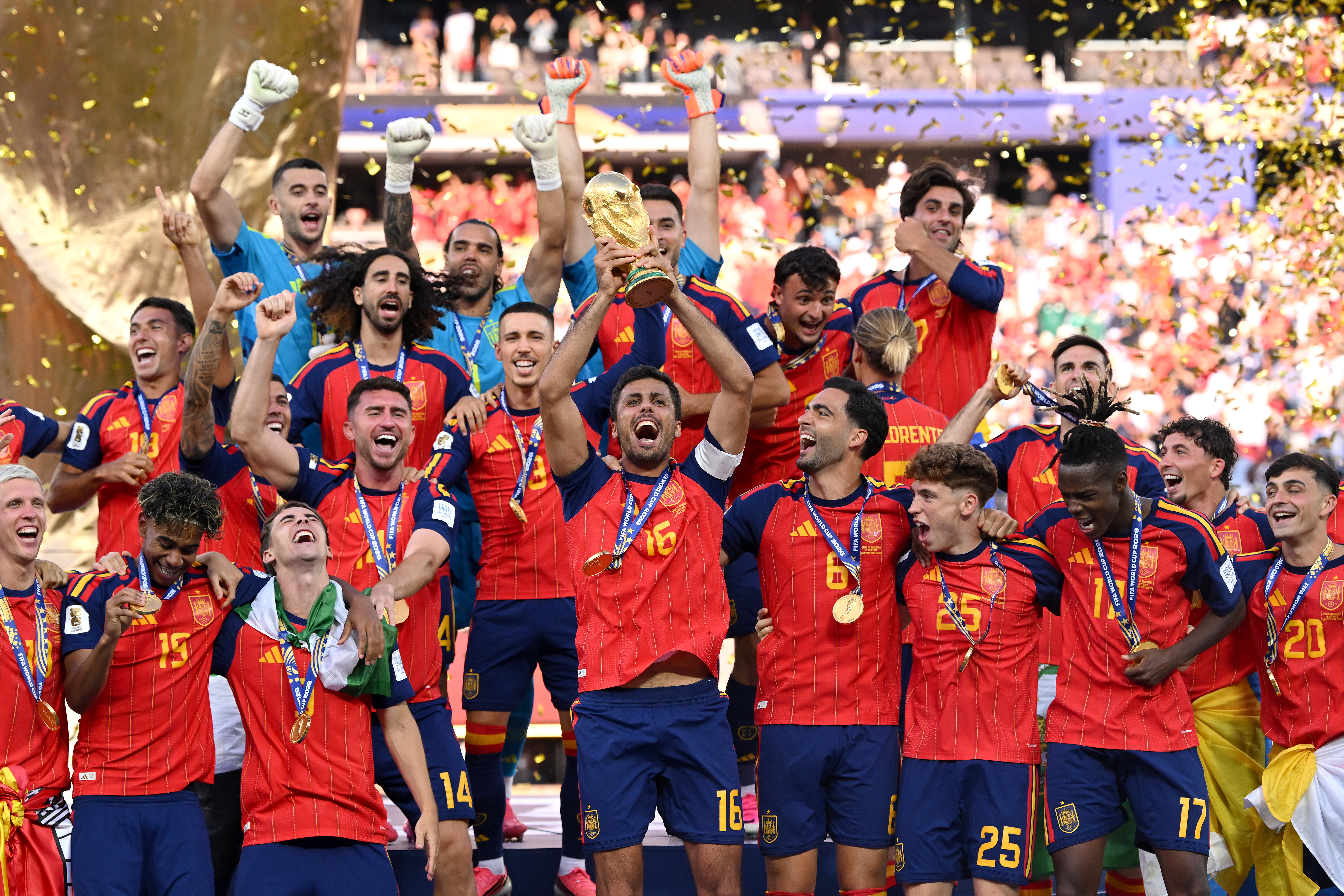
Spain claimed their second World Cup crown last week
David Ramos/Getty Images
advertisement
Argentina, Paraguay, and Uruguay will each stage one special match to honor the tournament's South American origins. Uruguay hosted and won the first World Cup in 1930, beating Argentina in the final at the Estadio Centenario.
All six participating host nations will qualify automatically. That guarantees group-stage places for Morocco, Portugal, Spain, Argentina, Paraguay, and Uruguay without requiring them to earn spots through the usual regional qualifying process.
The planned Spanish host cities include Barcelona, Bilbao, Las Palmas, Madrid, San Sebastian, Seville, Valencia, Vigo, and Zaragoza. The final selection of stadiums and match assignments may still be adjusted as preparations continue.
advertisement
Portugal's matches are planned for stadiums in Lisbon and Porto. Morocco's proposed host cities are Agadir, Casablanca, Fez, Marrakesh, Rabat, and Tangier, giving the tournament a large spread of venues on both sides of the Mediterranean.
The three centenary games will take place before the main part of the competition moves across the Atlantic. Argentina's match is planned for the Estadio Monumental in Buenos Aires, while Uruguay will play at the Estadio Centenario in Montevideo.
Paraguay's fixture is due to be held at the Estadio Osvaldo Dominguez Dibb in Asuncion. After those opening games, the participating teams will travel to Morocco, Portugal, and Spain for the rest of the tournament.