Here’s What Actually Gets Mosquito Bites To Stop Itching
#1 Summer is great for lots of things. Mosquito bites ain’t one of them.
These guys have a way of violating your personal space. Before you know it, they've got a belly full of your blood which they'll use to make more of the vampiric pests and you've got a huge red bump on your skin marking the area where the violation occurred.
Mosquitos are known to spread malaria and a variety of viruses through these bites, including West Nile, dengue, and, most recently, Zika. But even if you don't contract these, you're surely going to feel itchy and experience some level of swelling.
#2 FYI: It’s actually your own body that’s creating that itch.
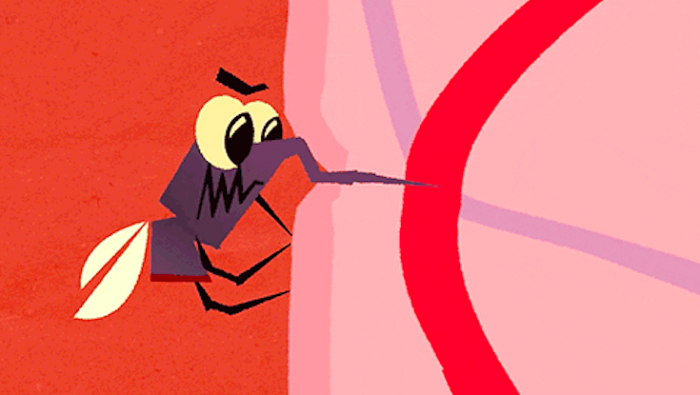
As soon as a mosquito sticks its needle into you, it injects saliva containing proteins that numb the area so you'll never know it was there. Then, once it's found a good blood vessel, other proteins within the saliva act as vasodilators expanding the blood vessel while also preventing the blood from clotting.
The itch typically comes a few hours later, when your body's immune system reacts to the saliva and produces histamines, Dr. Lindsey Bordone, assistant professor of dermatology at Columbia University Medical Center, tells BuzzFeed Health. Those histamines cause your nerves to "send an itchy signal," and can increase blood flow to the area, which is why it might seem a little swollen. That's usually when you notice you've been bit.
Okay, so now what? Which mosquito bite hacks actually stop the itch?
Let's go through some of the most common remedies

#3 Taking a warm bath might sound soothing, but it’s a bad idea.
Whether it's with oatmeal, baking soda, or just a bath bomb, don't do it, Bordone says.
"If you heat up the skin, you're going to become itchier in general," she says. "So taking a hot bath or putting something hot on [the bite] generally backfires."
#4 Sorry, alcohol won’t do the trick.
Rubbing alcohol, that is. (But also drinking alcohol probably won't help, either.)
You've probably used rubbing alcohol to sanitize the area around a cut, but there's no use trying it on a mosquito bite. In fact, it can actually make the itching worse since it dries out the skin, says Bordone.

#5 Topical antihistamine sprays could work…temporarily.
Things like Benadryl creams or sprays might work in the moment, says Bordone, but over time you can develop a sensitivity to the medicine, which could lead to an allergic reaction.

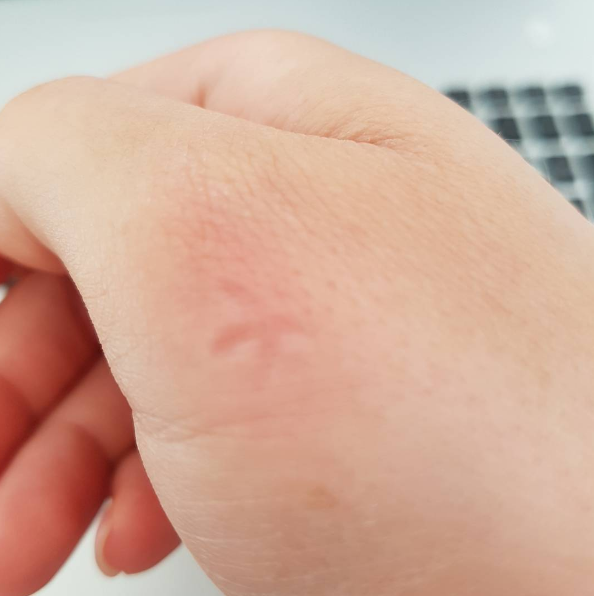
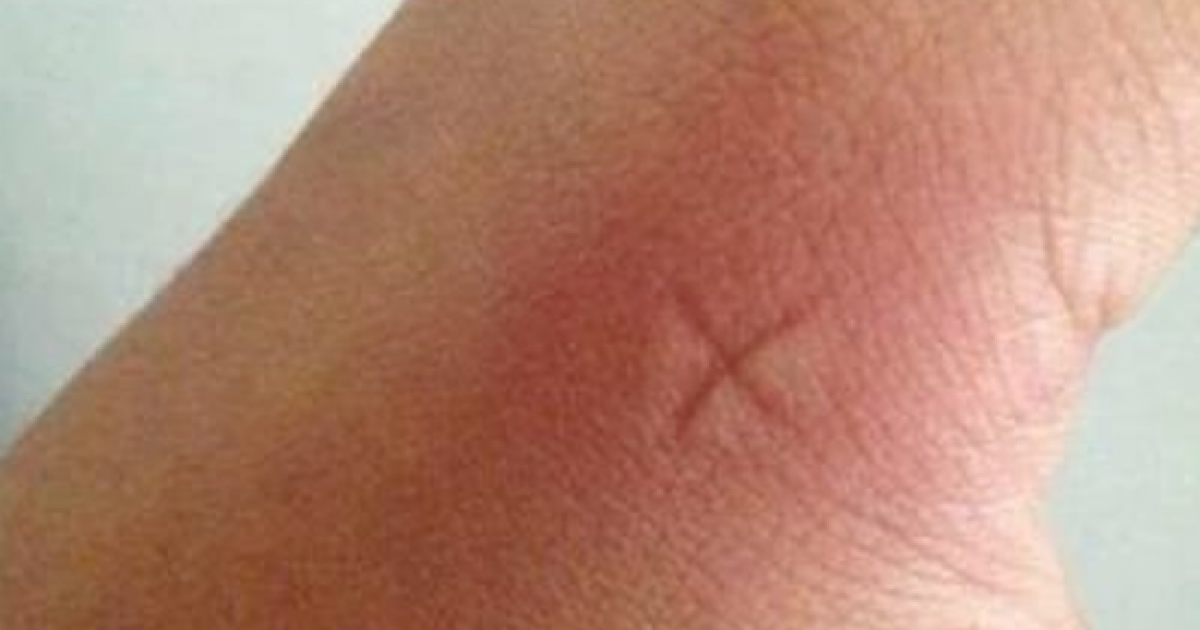
#6 Marking an “X” with your fingernails and using spit? Nope.
Who knows where this originated, but it definitely doesn't work. "You can't really fight your own body with spit," Sporter says. In fact, you could be opening yourself up to an infection particularly if you're making marks in the bite or scratching it a lot.
"When people scratch over and over again, or make those marks, they're putting cuts in their skin, which can introduce staph," Bordone says. "So one of the biggest issues that we have when people chronically scratch their mosquito bites is it'll turn into cellulitis; they'll develop a bacterial infection because they've broken the skin so much."
Lemon, basil, and other botanicals might work.
The jury's kind of out on using plants and herbs to relieve itchiness. Especially since what works for one person could irritate another, says Bordone.
On the other hand, Dr. Ronald Davis, a fellow of the American Academy of Dermatology, tells BuzzFeed Health that lemon juice may get rid of some itch. Even though it's acidic, he says it's often well tolerated on the skin. Basil could also help if you crush it up a little to release the oils inside and apply it to the bite, he says.
But again, this really varies from person to person, so if you have sensitive skin you might not want to experiment.