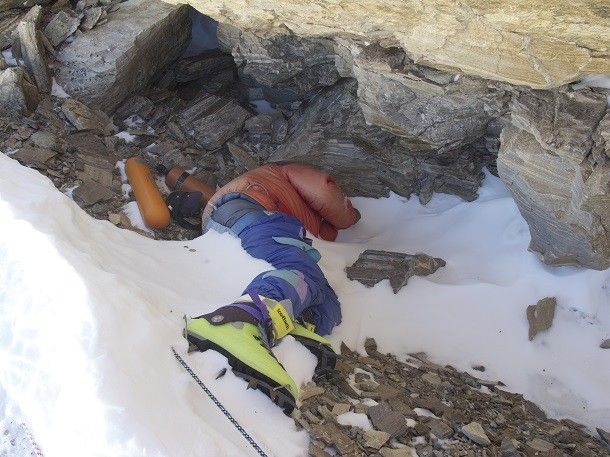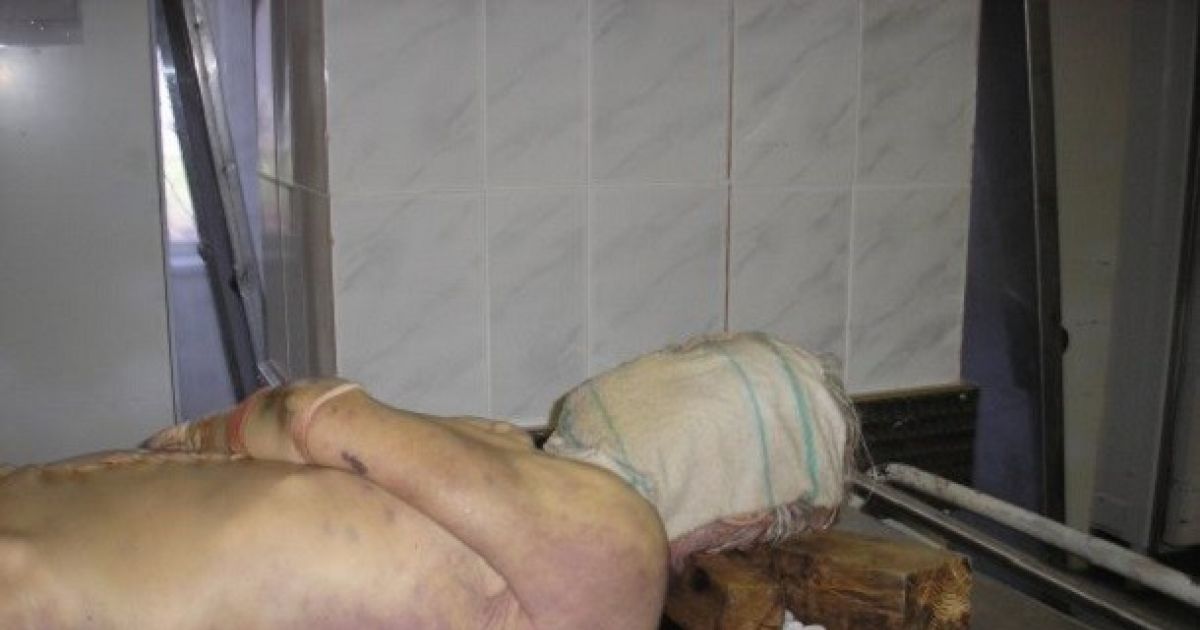
As soon as our heart stops beating – the first stage of death – the rest of our body starts deteriorating, albeit at different rates according to which stage decomposition is in. The rates at which our bodies break down depend on a variety of factors, including the environment, the circumstances of death, and the condition of our individual bodies.
advertisement
#1 We void our bowels
Commonly joked about on sitcoms, this fact does actually happens to our bodies when we die. As rigor mortis is affecting most of the body, some parts (sphincters, more accurately) are being loosened.
#2 Our skin nearly detaches
Though our skin loosens, it's not necessarily a good thing. Once gases build up in the body, the loosening or slippage of our skin amplifies, detaching our skin from the bones and muscle underneath.
advertisement
#3 Animals rush in to devour the body
Beyond the bacteria and fungi, blowflies and flesh flies are attracted to the sweet odors put out by a corpse. The flies lay eggs which hatch into maggots which start eating away at the dead flesh. Other creatures such as mites, ants, spiders, and vultures also descend upon the body.
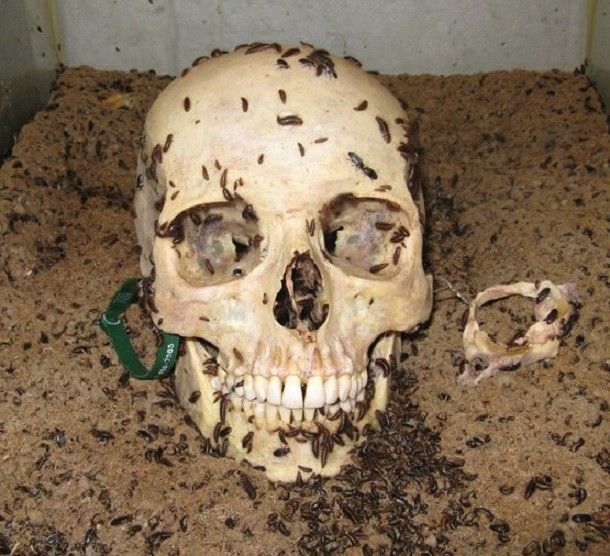
#4 Livor mortis helps forensics solve cases
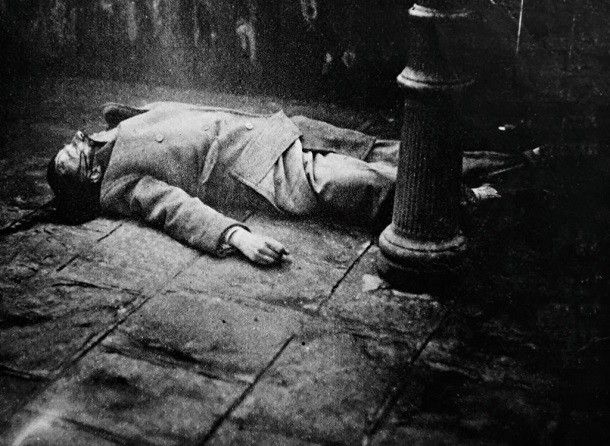
Forensic investigators can use this phenomenon, known as livor mortis, to tell if a body has been moved since death because after death our blood congeals in our blood vessels, like a layer of fat which congeals on top of homemade stock or fried foods.
advertisement
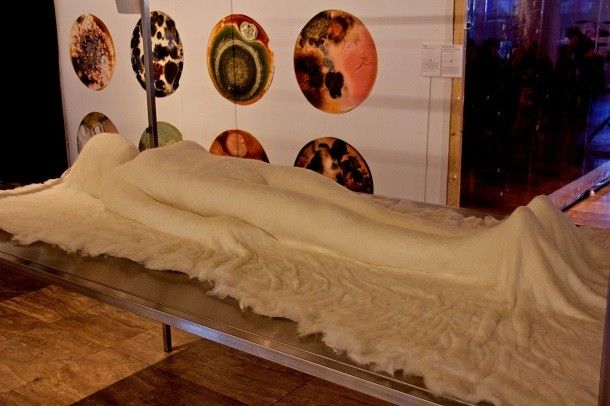
#5 Our bodies may become covered in wax
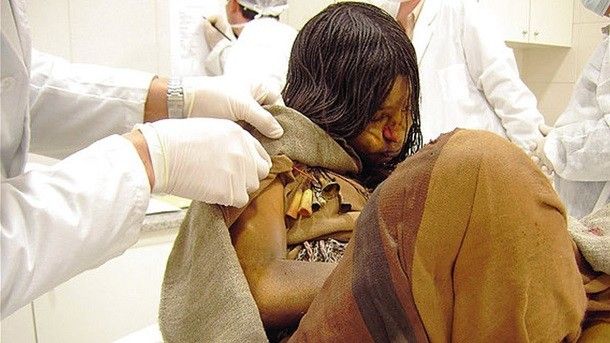
After putrefaction, a very odd thing may happen in some bodies. A result of tissue-digesting bacteria, adipocere is a fatty, wax-like material which can develop if the body is surrounded by cold soil or water.
advertisement
#6 Rigor mortis sets in
The better-known rigor mortis does not happen until a few hours after the moment of death. The process starts with the eyelids and neck muscles, followed by the entire body, stiffening up due to the depletion of ATP (adenosine triphosphate): the chemical responsible for relaxing muscle fibers after a contraction.
advertisement
#7 Our bodies secrete putrid odors
To no other object does "putrid" better apply than to a corpse. As our cells die, they release enzymes notifying local bacteria and fungi of the event. The bacteria and fungi rush in to begin decomposition, releasing noxious and putrid gases and odors.
advertisement
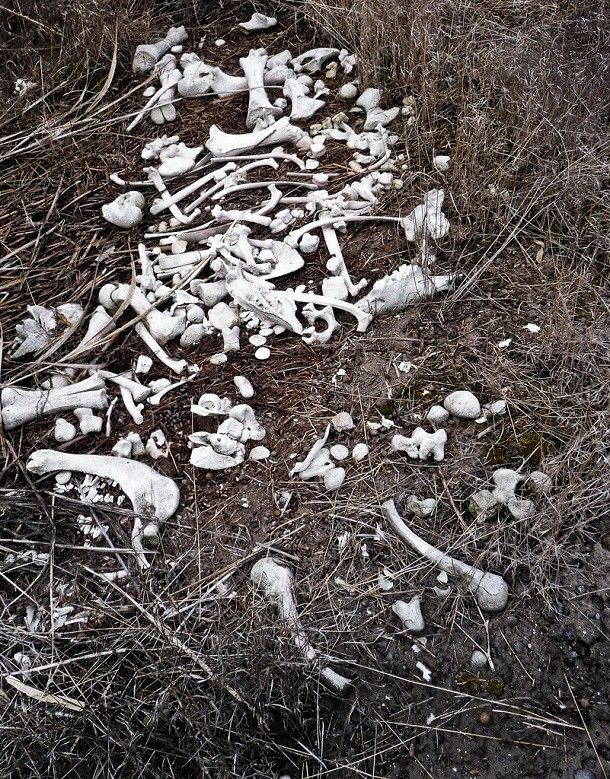
#8 The last thing to decompose
Our bones are the last things to disappear after we die. Decades after bacteria, fungi, and other organisms begin breaking our bodies down, protein in bones eventually break down, leaving hydroxyapatite, a bone mineral which turns into dust.
advertisement
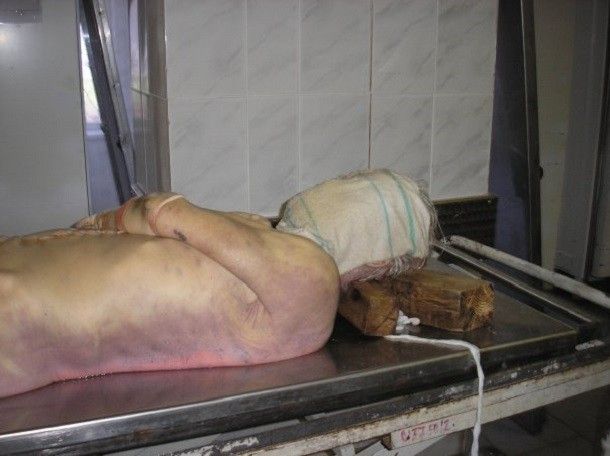
#9 Our bodies change colors
With our blood suddenly non-mobile, our bodies begin to change color. Part of our bodies change to purplish-red or bluish-purple because the blood settles, due to gravity, in the lowest part of our bodies.
advertisement
#10 We can explode
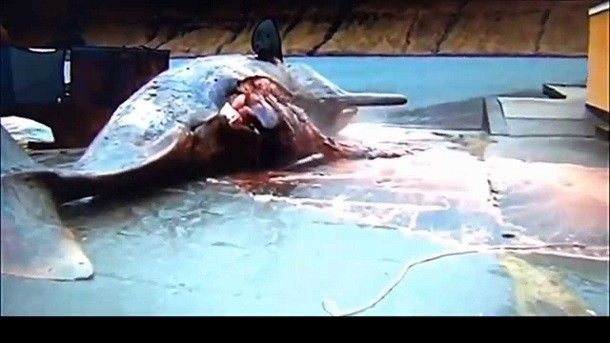
A few years ago, a video surfaced on the internet of a marine biologist poking a hole in a dead, beached whale to relieve the pressure from built-up gas. When he punctures the whale, an explosion of built-up gas shot out of the carcass with a loud boom. The same happens to our bodies. If the gas has nowhere to go, our bodies will bloat and eventually rupture.
advertisement
#11 Our bodies can twitch
our bodies can twitch and flex for hours after death. As muscle tissues die, they can contract. If enough contract, a visible muscle twitch or reflex can be seen, making it seem like the corpse is trying to regain consciousness.

advertisement
#12 The skin on our face flattens out
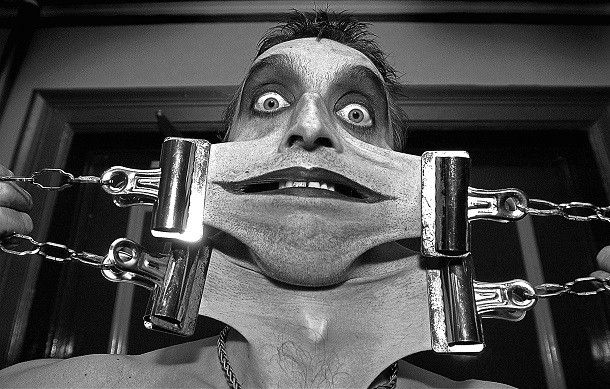
In a bizarre perk for Botox-loving people everywhere, our faces get an immediate free-injection of Botox when we die. Well, not exactly Botox, but since our muscles are no longer contracting, the wrinkles on our faces mostly disappear.
#13 Skin may turn leathery
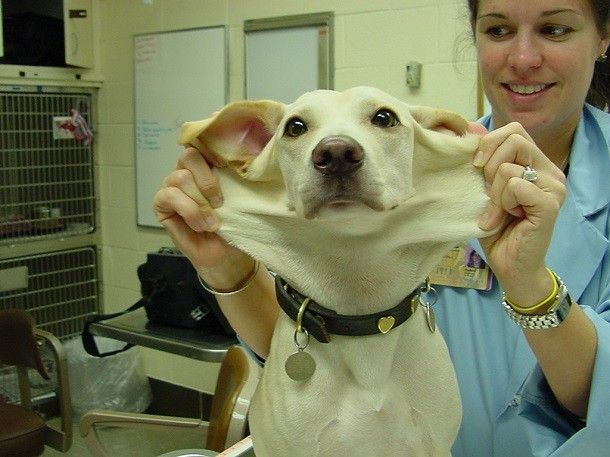
If the body is uncovered or unclothed, the skin on our decomposing bodies will tighten up and become dry and leathery.
advertisement
#14 Coffin birth
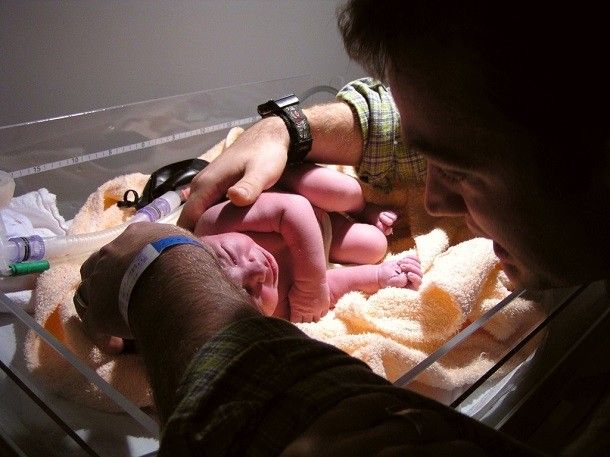
The single creepiest thing that happens to a body after death is known as "coffin birth". Though extremely rare, if the right set of factors are in place, a dead woman's body can give birth. If she is pregnant at the time of death, the build-up of intra-abdominal gases can push a fetus out through the relaxed vaginal opening.
#15 The body may be naturally mummified
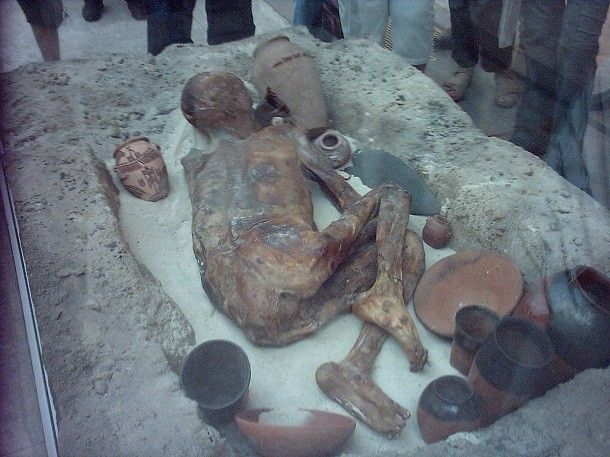
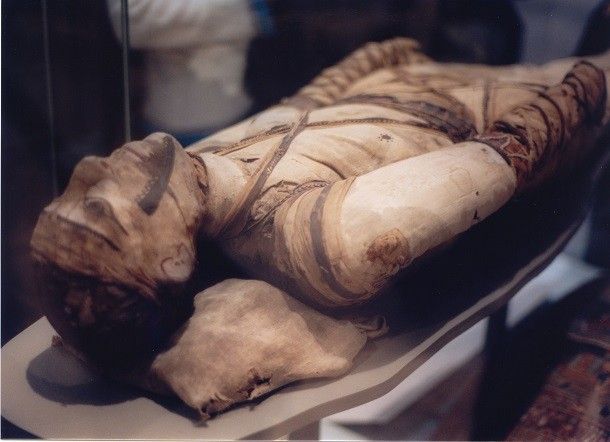
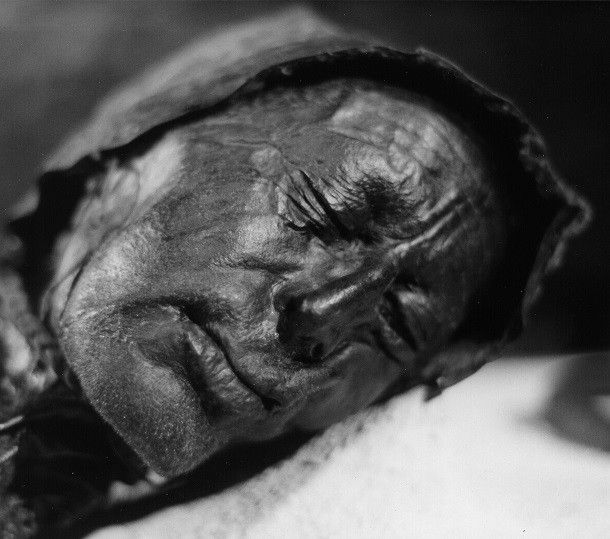
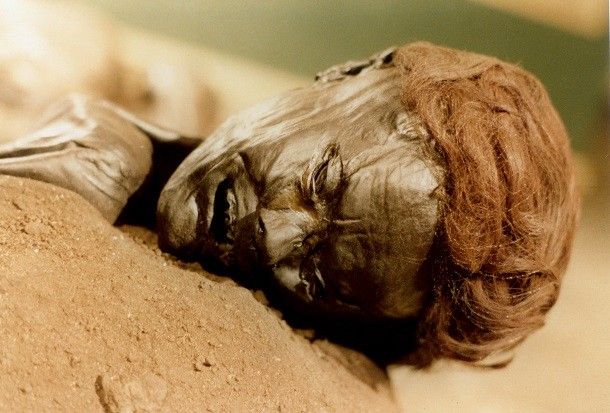
Some bodies, if left in special eco-zones such as salt deserts or peat bogs, can naturally mummify. In such cases, decomposition does not have a strong effect and the body is surprisingly well-preserved.
advertisement
#16 Algor mortis cools the body temperature
The second most popular form of mortis, algor mortis is next thing that happens to our bodies when we die. Known as "death chill", our bodies lose their 98.6°F (37°C) warmth and slowly acclimate to the ambient room temperature, losing about 1.5°F (0.8°C) per hour.