You can run but you can't hide. They are everywhere, including in the dark corners of your safe on comfy bedroom. Tiny little creatures that can't wait to make an appearance and cause havoc by giving you a fright or even a bite. Some are harmless and we don't mind them if they stay in their natural habitats, but when they invade your personal space it's a whole different ballgame.
House Creatures Hiding Inside Your Bedroom
By
Editorial Staff in
Geeks and Gaming
On 15th September 2016
advertisement
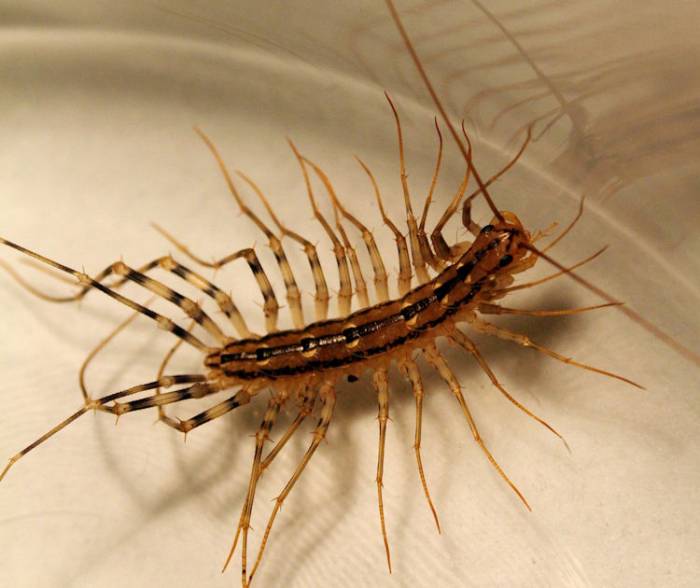
#1 House Centipede
You may have seen these little creepies crawling along your baseboards or in your closets, and they are quick! House centipedes have 15 pairs of legs, are a light brown in color and have striping down their backs. They come out at night and can even walk on your ceiling. They can live for about seven years and prefer dark and damp areas like the bathroom or in a cool closet. They are very frightening looking and their speed makes them even scarier, but these bugs are harmless to humans except for a stinging bite that is very rare. They actually feed on other bedroom pests like ants, bedbugs, fleas, termites, and silverfish.
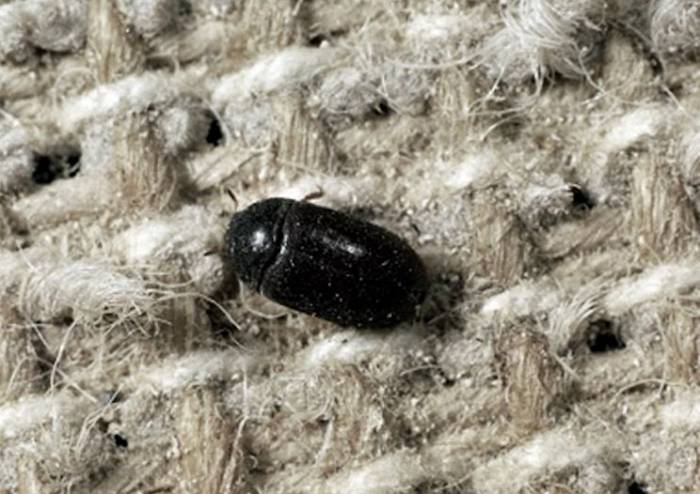
#2 Carpet Beetle
Despite their name, they are not always found in carpets. They live in dark places like under cupboards, in dressers, closets, air ducts, and under your rugs. They love eating dry dog food and anything in dry storage since that is close to where they live. They can cause a lot of damage while in their larval form since this is when they eat large holes in materials that they eat. You can probably find them hiding under sweaters or seasonal clothing that you have packed away. Their molted skin can cause allergic reactions and dermatitis. They can be controlled by keeping your house clear of dead insects, hair, lint, dust, and even spider webs.
advertisement
#3 Bed Bugs
They are almost impossible to get rid of and are the absolute worst pest in the world. They are small wingless creatures that have flat seed-like bodies that are brown or reddish in color after they get engorged on your blood. They feed on the blood of mammals and love to stay close to where humans or pets sleep. They travel on pets, luggage, clothing, and bags from place to place and then settle in making homes in mattresses, box springs, sofas, chairs, carpets, and even dresser drawers. They are nocturnal and an infestation can quickly grow out of control in a matter of just 2-3 months. Their bite is painless but leaves an itchy welt that is blotchy are red.
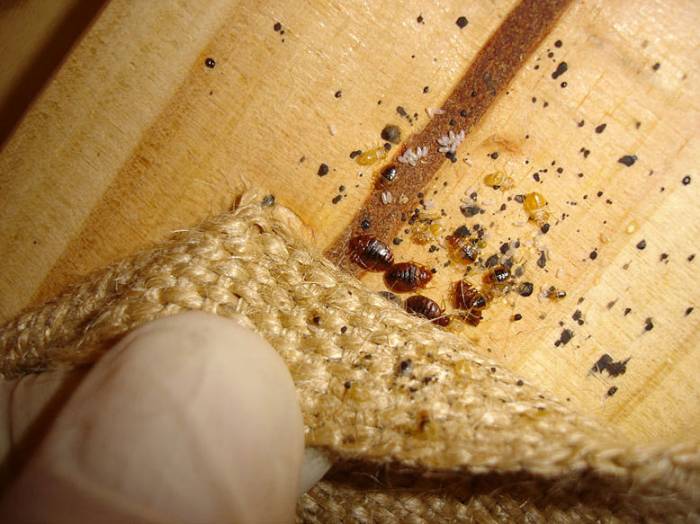
#4 Booklice
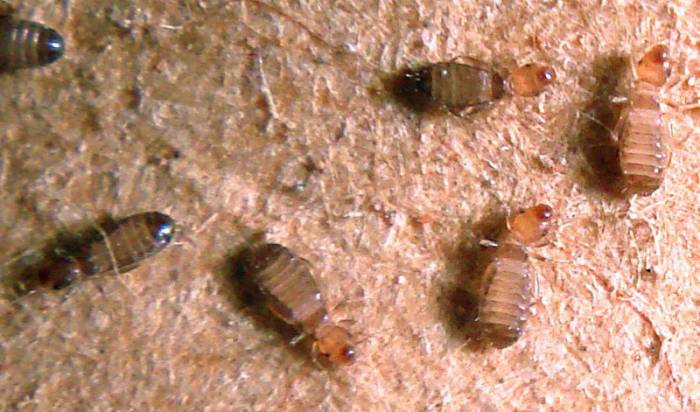
The little booklice, or Psocoptera, have roamed the earth for over a million years and there are at least 5,00 known species of book lice, and are commonly found in old books. If you've ever found a library full of old books that are falling apart, they probably have been eaten by booklice, since they enjoy the paste holding the binding together. They have also been known to feed on wallpaper paste and old fibers and are often mistaken for bed bugs because they can grow to up to 15 millimeters in length.
advertisement
#5 Cockroaches
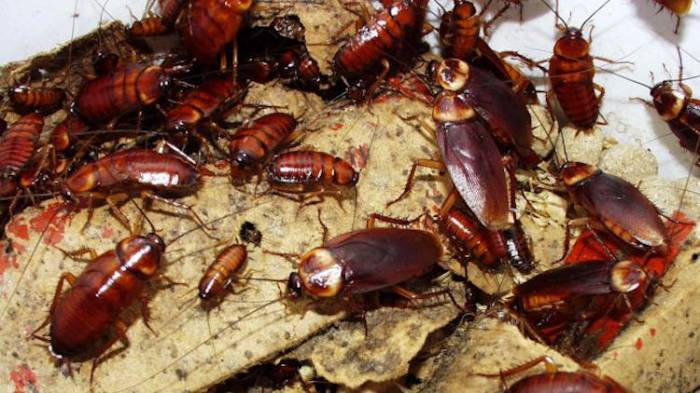
The bug known for being unhygienic. A cockroach is scary and though they do not necessarily mean someone is dirty or keeps a filthy home, they are a pest nobody wants to see in their home. A roach can live for a week without its head, and they have been around for millions of years, surviving just about everything the world has thrown at them. There are over 4,000 species of cockroaches and about 70 different species in North America alone. They like warmer temperatures with nearby food and water, and can spread all types of nasty bacteria that can cause allergic reactions.
advertisement
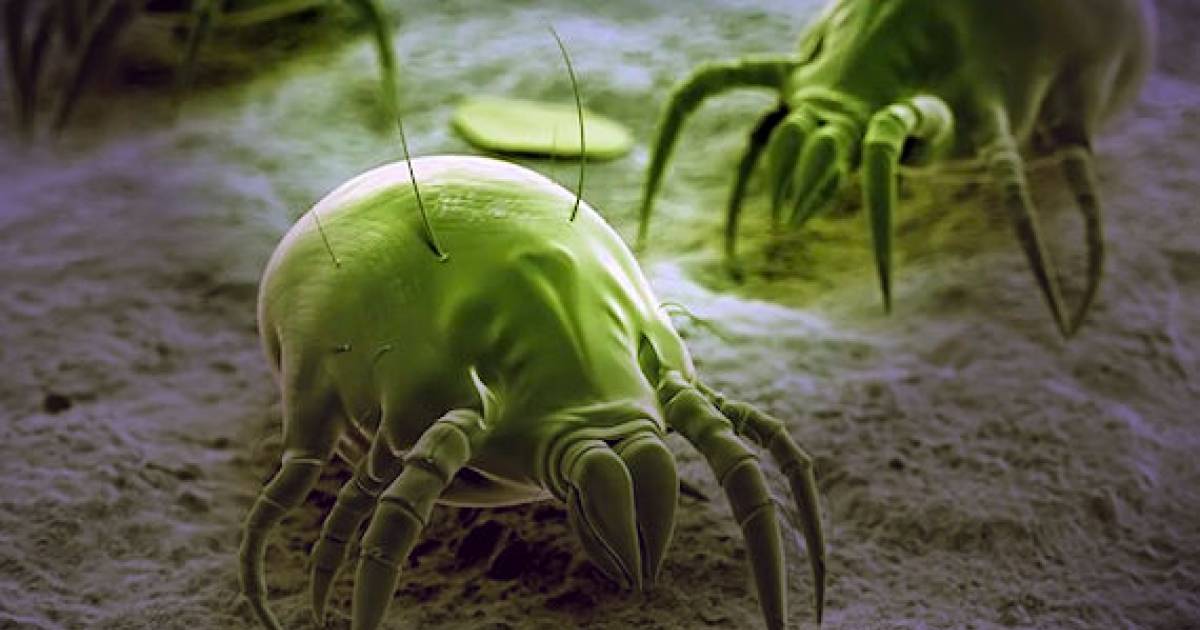
#6 Dust Mites
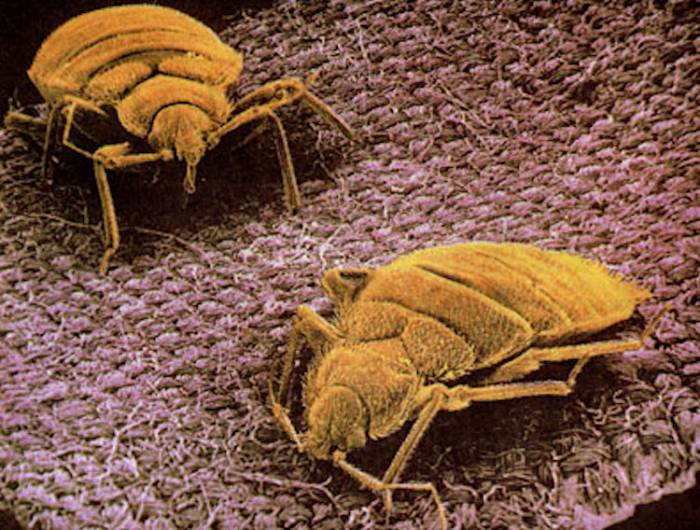
You can't really see them, but they are in your bed and buried within your pillows. Dust mites live primarily where humans spend the most time since they feast on dead skin and hair follicles. The waste from dust mites is the main cause of asthma, wheezing, chronic coughs, and allergic reactions. The male mite only lives for about 14 days but the female can live for about 5 months and lay up to 100 eggs before she dies. Dust mites are virtually impossible to get rid of but they do not bite and will not cause skin irritations.
advertisement
#7 Pharoh Ants
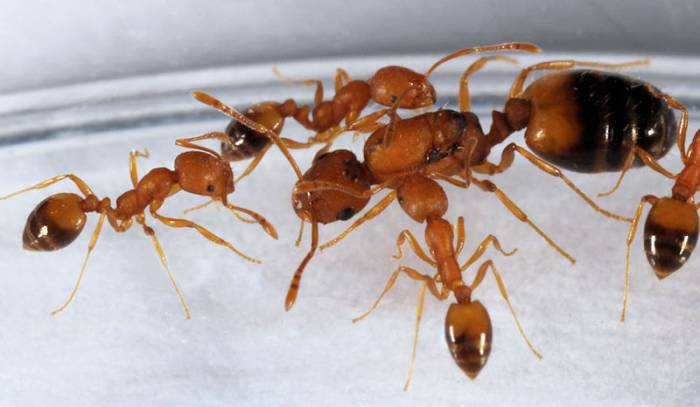
These creepers are only 2 millimeters long and can go virtually unnoticed until the colony in your home is humungous. They are hard to detect in small numbers because they are partially translucent. They live in a single colony within the walls of homes with a single queen and move quickly until they grown to an infestation. The colony can have up to 2,500 ants and they can live to almost a full year. They do not bite but carry diseases such as salmonella and enjoy feasting off or food from the garbage can or in the disposal pipes under the sink.
advertisement
#8 Fleas
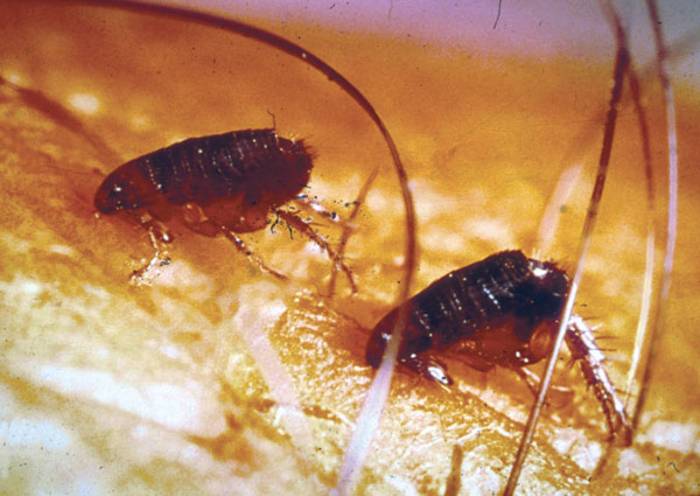
One of the worst insects known to man and pets, the flea is very hard to get rid of once you have them in your room. These parasites suck the blood from mammals and there are over 2,000 species of fleas worldwide. Known to be jumpers, they normally find their way onto your cat or dog and travel into the home that way. Fleas can live for up to a full year and can lay over 5,000 eggs. Of course, the bites from a flea itch and burn, causing irritation and possibly blood transmitted diseases and bacteria.
advertisement
#9 Silverfish
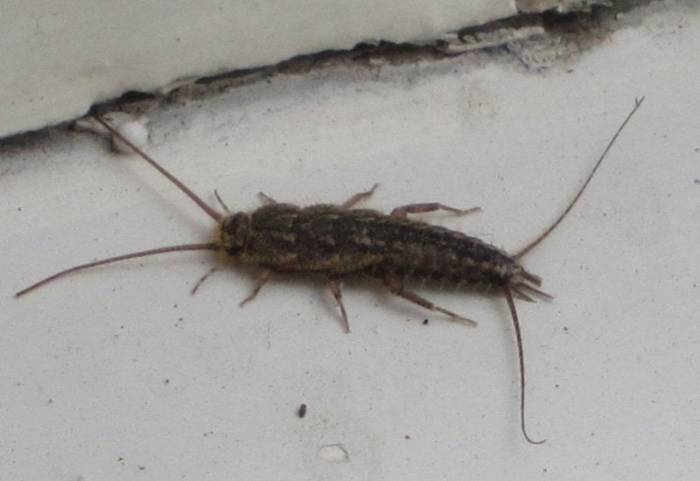
Normally found in rooms that are humid, these shiny carrot=shaped insects are only about one centimeter long. The silverfish is flat and can move very quickly across a floor or furniture. They enjoy eating paste, starch, glue, wallpaper, crumbs and old paper. Their waste and fine powder like substance on their bodies can also leave stains on furniture and clothing. They may come through your bathroom pipes and if there is nothing to eat in the bathroom they will migrate to your bedroom closet. Don't worry though, they do not bite and are harmless to humans.
advertisement
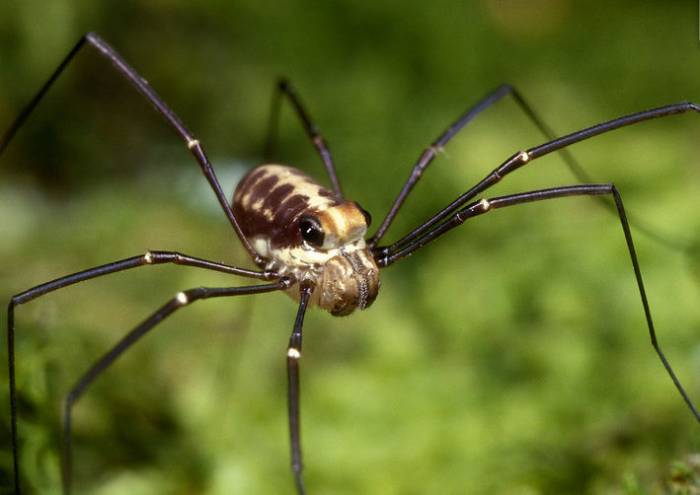
#10 Harvestmen
Commonly known as Daddy Long Legs, the Harvestmen only looks like a spider is is not really. Like a spider they have legs, but the harvestmen's legs thorax and abdomen are all fused together, and they have two eyes instead of eight. Many claim these insects are venomous but they are actually very harmless. Their mouths are just a bit too small to bite humans. They are very agile and can easily detach their legs to escape predators.