

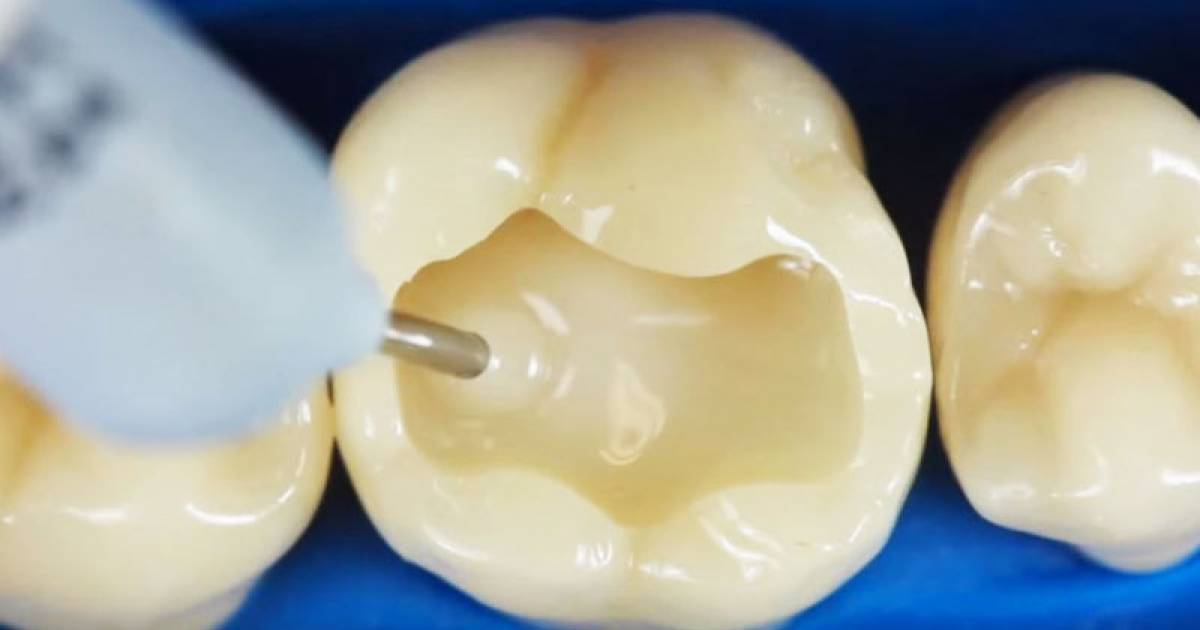
If you have ever wondered how dentist does a filling and repair on a tooth then today is your lucky day.
advertisement
#1
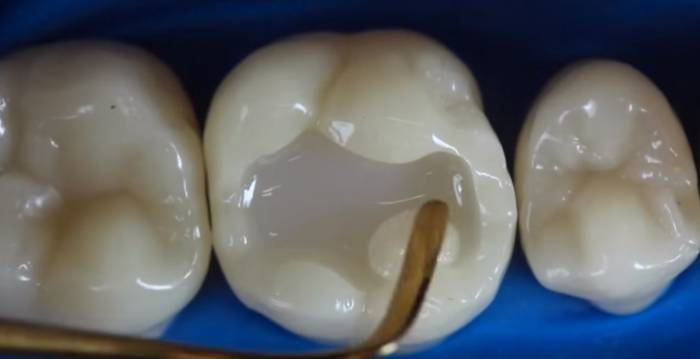
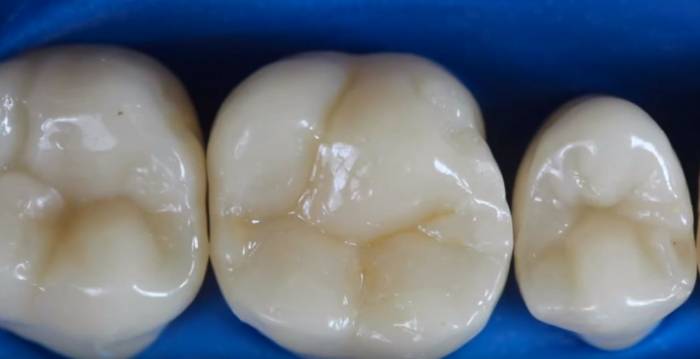
When a tooth is decayed and has to be drilled out the dentist needs to put something in its place. If you have had a filling done before then you know how odd it is when it feels like the dentist is sculpting a new tooth. This video shows the whole process, after drilling they put in a filling, cure it, and then actually do sculpt the top. They cure it one more time and that's it. It's oddly satisfying how fast and clean the whole process looks.
#2
A filling is a material that your dentist uses to fill a cavity after he or she removes any tooth decay.
To fill a tooth, your dentist will:
1. Numb your teeth, gums, tongue, and surrounding skin. Your dentist will first put a substance that feels like jelly directly on the area to start the numbing process, and then inject an anesthetic to complete it. Some dentists will give you nitrous oxide gas (laughing gas) to reduce your pain and help you relax.
2. Sometimes use a small sheet of rubber on a metal frame (rubber dam) to target the decayed tooth and to stop liquid and tooth chips from entering your mouth and throat.
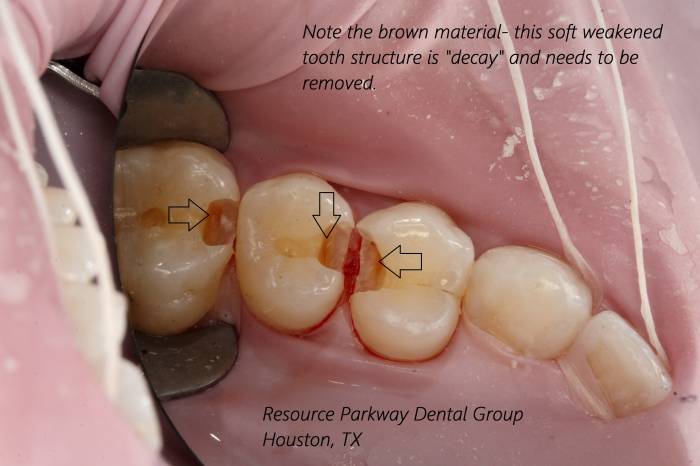
3. Drill out all the decay and replace it with a filling.
advertisement
#3
Fillings can be made from many types of material. Talk to your dentist about which type would be best for you.
1. Amalgam is the easiest material for a dentist to use. It is the fastest and least costly choice. Amalgam is a mixture of mercury, silver, tin, or other metals.
2. Composite resins are tooth-colored fillings. Composite resin is easier than gold for a dentist to work with and usually is less expensive than gold.
3. Ionomers are tooth-colored materials that dentists often use for small cavities or cavities between teeth. Some ionomers release small amounts of fluoride, which may help you if you often get cavities.
4. Gold is costly and is harder for your dentist to work with. This makes the procedure take longer and cost more.
5. Ceramics are costly tooth-colored fillings. They require special equipment and may require dental lab support. You may need several appointments.
#4
What To Expect After Treatment
After your dentist has filled the cavity, your lips and gums may remain numb for a few hours until the numbing medicine wears off. To avoid injuring your mouth, be careful not to chew on your numb lip or cheek.
Why It Is Done
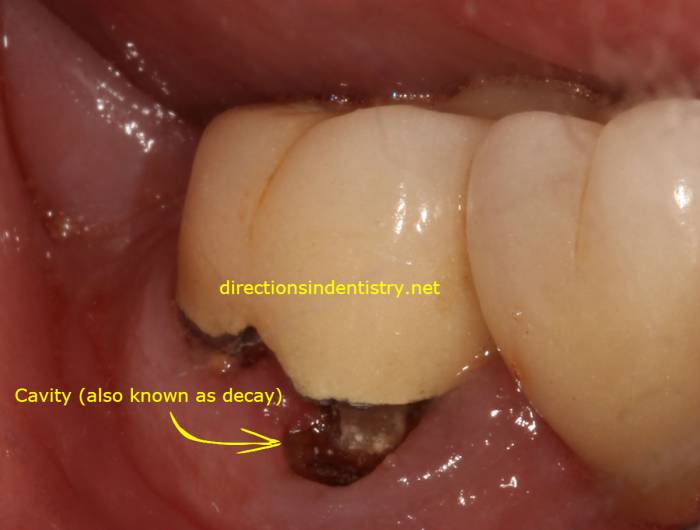
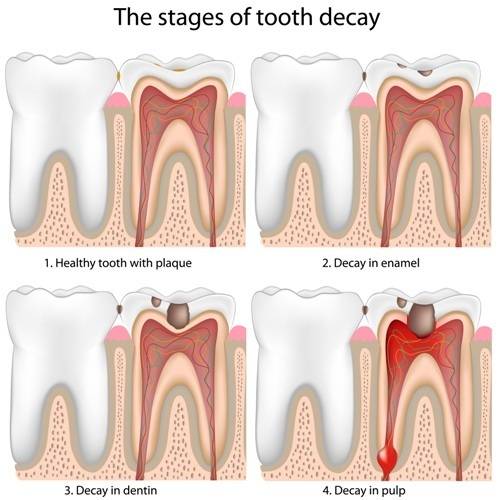
You need a filling when tooth decay has caused a hole (cavity) to form on a tooth surface. If you don't get a filling, the cavity will get worse. It may cause pain and then an abscess . This may lead to more severe problems, such as bone loss.
advertisement
#5
How Well It Works
A filling repairs the tooth and stops tooth decay. Over a long period of time, you may need to replace a worn-out filling.
Your filled tooth may be sensitive to heat and cold for days to weeks after you get the filling. Talk to your dentist about toothpastes that may help you with this discomfort. Tell your dentist if your teeth are too sensitive after you get a filling, because you can usually treat this problem.
Risks
There is almost no risk involved in having a cavity filled.
If you have certain heart problems, your dentist may prescribe antibiotics before a dental procedure. Some procedures can cause bacteria in the mouth to enter the bloodstream and cause infections in other parts of the body. The antibiotics lower your risk of getting an infection in your heart called endocarditis.
advertisement
#6
In conclusion, I want to mention something that many dentists fail to discuss with their patients: There is a reason that you needed a filling!
You need to determine why you got a cavity in the first place, and decide how to fix it. There's probably something you can do to prevent future cavities. Making changes to your diet and oral hygiene habits now can prevent the need for future fillings. Many people do not realize that it is the frequency of sugar intake, rather than the quantity, which can cause cavities. You can read more about this on Dental Fear Central's How to prevent tooth decay page.
Hopefully this article has helped to ease some of the fears you may have about getting a filling. Many people find that the actual experience is much better than they had anticipated.

advertisement