

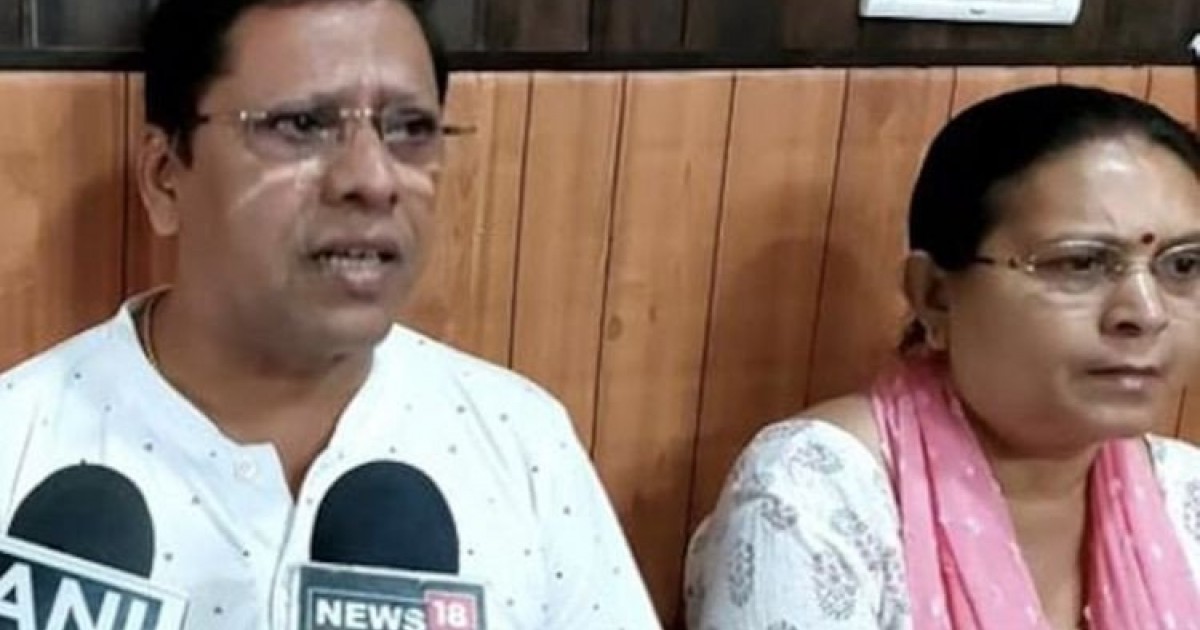
An Indian couple has become famous worldwide after the news of them suing their son for a grandchild made it to the headlines. Reportedly, the parents want their only son to give them a grandchild within a year or be ready to cough up $65,000. This is the payback money according to the parents that they had spent on their son, including his education abroad and his lavish wedding and honeymoon.
advertisement
An Indian couple has made unique headlines after the news of them suing their only son made it to the internet. The couple is suing their son for not giving them a grandchild after six years of marriage.
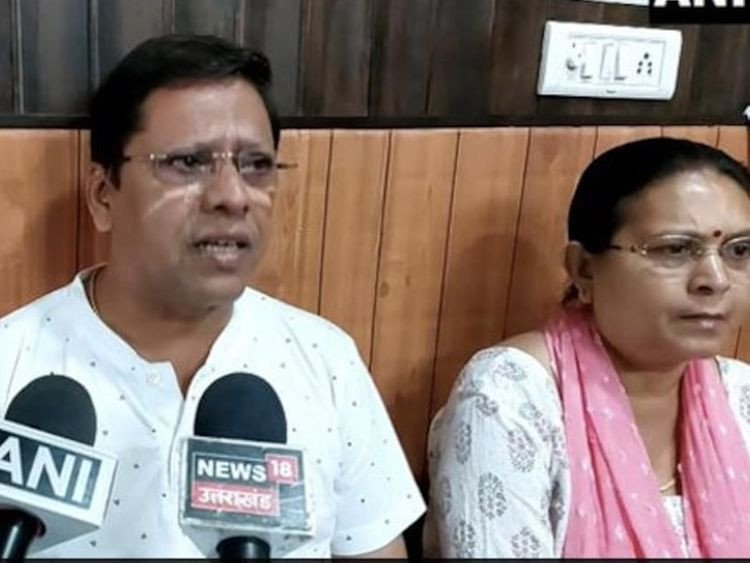
Sanjeev and Sadhana Prasad, 61 and 57, say they used up their savings raising their son, paying for his pilot's training, a lavish wedding, and his honeymoon.
The couple says it is now time for payback and either their son and daughter-in-law give them a grandchild within a year and pay back the $65,000.

Twitter
The couple who is being sued is yet to make any public comments. However, court documents suggest that the relationship between Prasads and their son's family are not doing well.
Talking to BBC Hindi, Sadhana Prasad said her son and daughter-in-law's refusal to have children had opened them to "taunts from society" and described it as "mental cruelty".
"We had no option but to go to the court. We have been trying to talk to them but whenever we raise the issue of grandchildren, they become evasive. Their decision not to procreate would mean the end of our family name," she said.
"We are very unhappy," her husband Sanjeev added. "We are retired. We want to be grandparents. We are even willing to look after their children. Grandchildren bring joy into people's lives, but we are being deprived of it."

Getty Images
advertisement
It is perhaps the first time in the court's history that the parents are taking their own child to court for not giving them a grandchild, however, many people will point out that having a child in India is almost never just a couple's decision.
Everyone from the bride's and groom's families is a part of the decision and couples who do not follow the societal norm are usually frowned upon by the society.
"In India, marriages are between families and not just a couple," explains social anthropologist Prof AR Vasavi.
The "cultural logic" in what the Prasads are doing is that "expecting grandchildren is a norm".
Twitter
"They feel they have the right to a grandchild because in our society marriage is seen as an institution that sanctifies procreation and once married you are expected to reproduce for the family, the caste, and the community.
"They are also using the economic rationale that since I've spent money on your education and upbringing so now you have to fulfill my cultural rights whether you like it or not."
This expectation of parents that it's the duty of their children to provide them with grandchildren cuts across caste, class, and religious differences and transcends the urban-rural divide.

Alamy
advertisement
Journalist Ritu Agarwal points out that in 2019, India's richest man - billionaire tycoon Mukesh Ambani - made headlines when he dropped "broad hints" to his new daughter-in-law Shloka that it was time to produce an heir.
"I'm sure that by the time I wish you next year, not only will I be a grandfather, but you'll be a mother," he said in a fairytale-themed video the family released on the occasion of her birthday.
And less than 18 months later, Ms. Agarwal says, Shloka had delivered a baby boy.

Alamy
advertisement
In India, the Supreme Court has recognized it as "the moral duty and legal obligation" of a son to take care of his parents in old age, but campaigners say that the decision to have a baby or not is essentially a woman's.
But many married women say this pressure to procreate from family and society - even when "subtle" - puts unnecessary stress on them.
Sudha (name changed), a 46-year-old business analyst in the southern city of Bangalore, told the BBC that when her parents arranged her marriage, she was 21 and had just graduated.
"At festivals, my in-laws' relatives would ask me, 'When are you giving us the good news?' I was very young and didn't know what to say. But it was very intimidating and every time they would raise it, I would get very anxious," she says.

Getty Images
advertisement
That was 25 years ago and, she says, most women went along with their family's expectations and had a baby in the first or second year of marriage.
"But what I see is that even today, most women, especially in small towns and rural India, do not question it and go along with the demand to have a child quickly."
The lawsuit, she says, is "shocking", but the subtle pressure to deliver a baby continues.
Like for her cousin Srishti (name changed to protect her identity), a 28-year-old software engineer, who told me that in the 17 months of her marriage, family elders have already suggested "seven-eight" times that "it's time for me to have a baby".

Getty Images
advertisement
The first time her parents-in-law broached the subject was just six months into her marriage. But she and her 30-year-old IT professional husband, who had an arranged marriage, don't want a child "any time soon".
"We want to get to know each other better, deepen our bond and also focus on our careers at the moment," she said. "Having a baby is a long-term project. And I feel that a couple should not have a baby unless they are mentally and emotionally ready and confident to give the baby the attention and care they need."
She says the first couple of times "we were asked about having children, we explained why we didn't want to rush things", but the topic keeps coming up.
"They say 'Oh, so and so had a baby. Or this girl and that girl who just got married has also had a baby. It does feel like pressure when they raise it over and over again. But I just nod and ignore," she said.

Alamy