

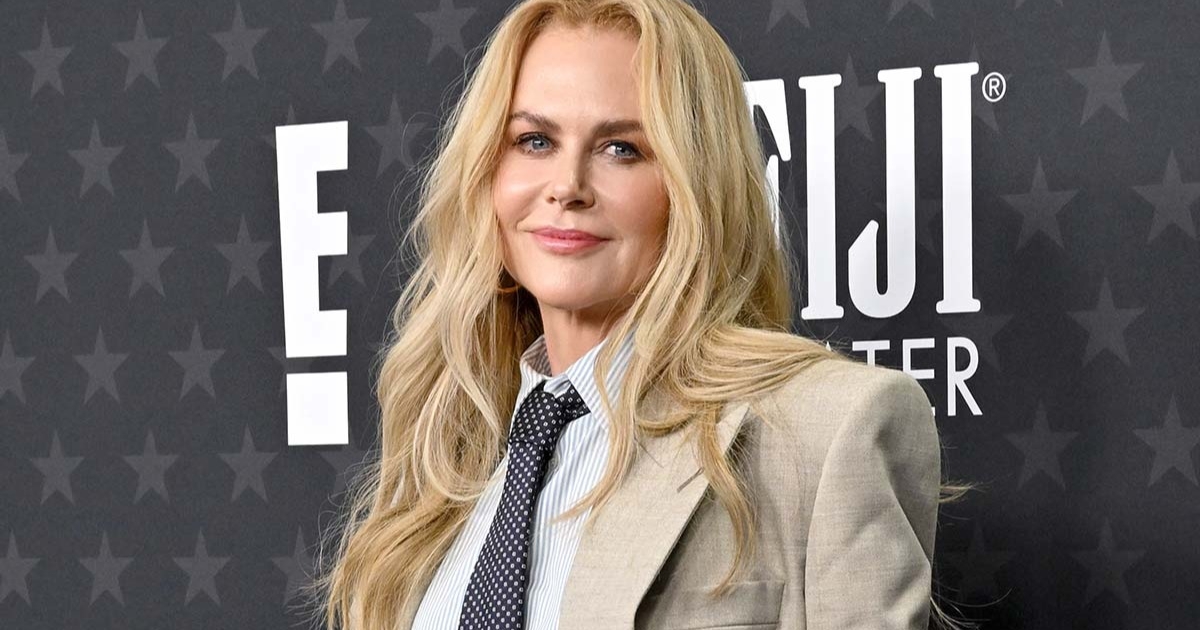
Nicole Kidman says a deeply personal loss has led her toward a very different kind of work.
advertisement
Nicole Kidman has shared that she is training for a new role after going through a painful personal loss. It is a direction that sits far outside her film career and has clearly come from something deeply personal.
Kidman, 58, has built one of the most successful careers in Hollywood, with major roles in films such as Eyes Wide Shut, Moulin Rouge!, and Paddington. For years, her work has centered on acting, producing, and taking on demanding roles across film and television.
Now, though, the actor says she is working toward something very different. Instead of another creative job in entertainment, she is learning how to support people and families during one of the hardest periods of life.
Kidman spoke about the change while appearing at the War Memorial Gym on the University of San Francisco campus in California as part of the Silk Speaker Series. During the event, she shared that she is training to become a death doula.
Many people have heard of a doula in connection with childbirth. In that setting, a doula is a non-medical professional who gives emotional, practical, and supportive care to someone giving birth.
But the role is not limited to birth. Doulas can also help people through other major medical experiences, especially times that call for calm support, presence, and comfort beyond what formal medical care alone can provide.
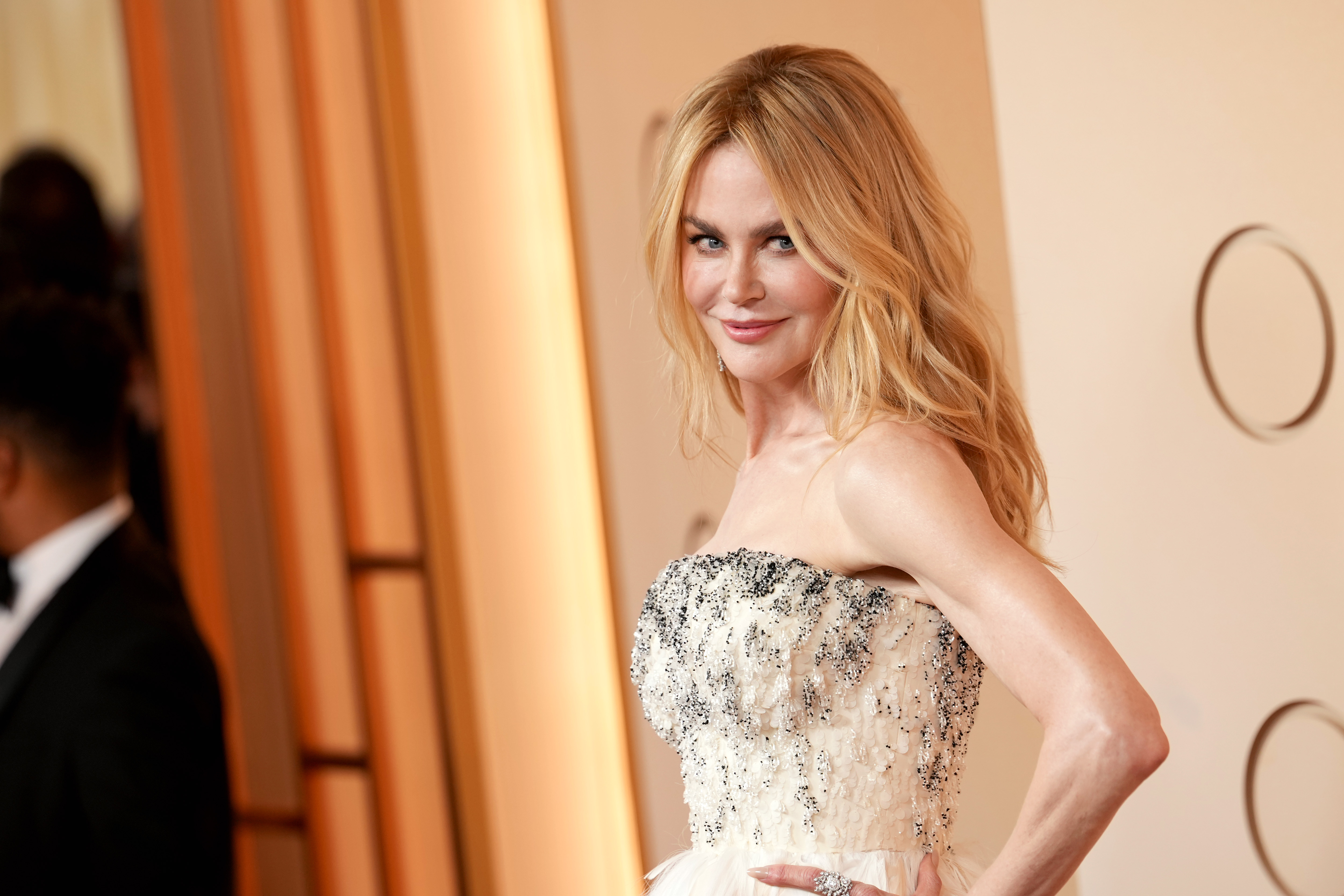
Kidman opened up about how her mom's death affected her
Matei Horvath/FilmMagic/Getty
advertisement
What a death doula does
That broader idea includes doulas who focus on the end of life. A death doula is there to offer support to people who are dying, while also helping the family members and loved ones around them through a difficult and emotional time.
Unlike doctors or nurses, they are not there to provide medical treatment. Their role is more centered on compassion, emotional support, guidance, presence, and helping people feel less alone during a period that can be overwhelming for both the person who is dying and the people who care about them.
For Kidman, that kind of work seems to have personal meaning. The way she described it suggests this is not a passing interest, but something connected to what she feels her own family needed when her mother was nearing the end of her life.
That includes doulas who specialize in supporting people as they approach the end of life. Kidman said she decided to begin training in that area after the death of her mother, who died at the age of 84.
Speaking at the event, she explained the feeling that stayed with her from that time. "As my mother was passing, she was lonely, and there was only so much the family could provide," she said, according to the San Francisco Chronicle.
The comment gives a clearer sense of what led her in this direction. It was not just grief on its own, but also the feeling that even a loving family can reach the limits of what it is able to provide during such an intense stretch of time.
advertisement
Kidman has spoken publicly about her mother more than once since her death. In March 2025, she shared a social media tribute on what would have been her mother's 85th birthday, writing: "Missing Mumma and Papa so much on what would have been her birthday today."
She marked the occasion again in 2026 as well. On her mother's birthday that year, she wrote: "Remembering my Mumma on her birthday. Always in my heart."
When she later explained why she had chosen to train as a death doula, Kidman told the audience at the Silk Speaker Series: "Between my sister and I, we have so many children and our careers and our work, and wanting to take care of her because my father wasn't in the world anymore, and that's when I went, 'I wish there was these people in the world that were there to sit impartially and just provide solace and care'."
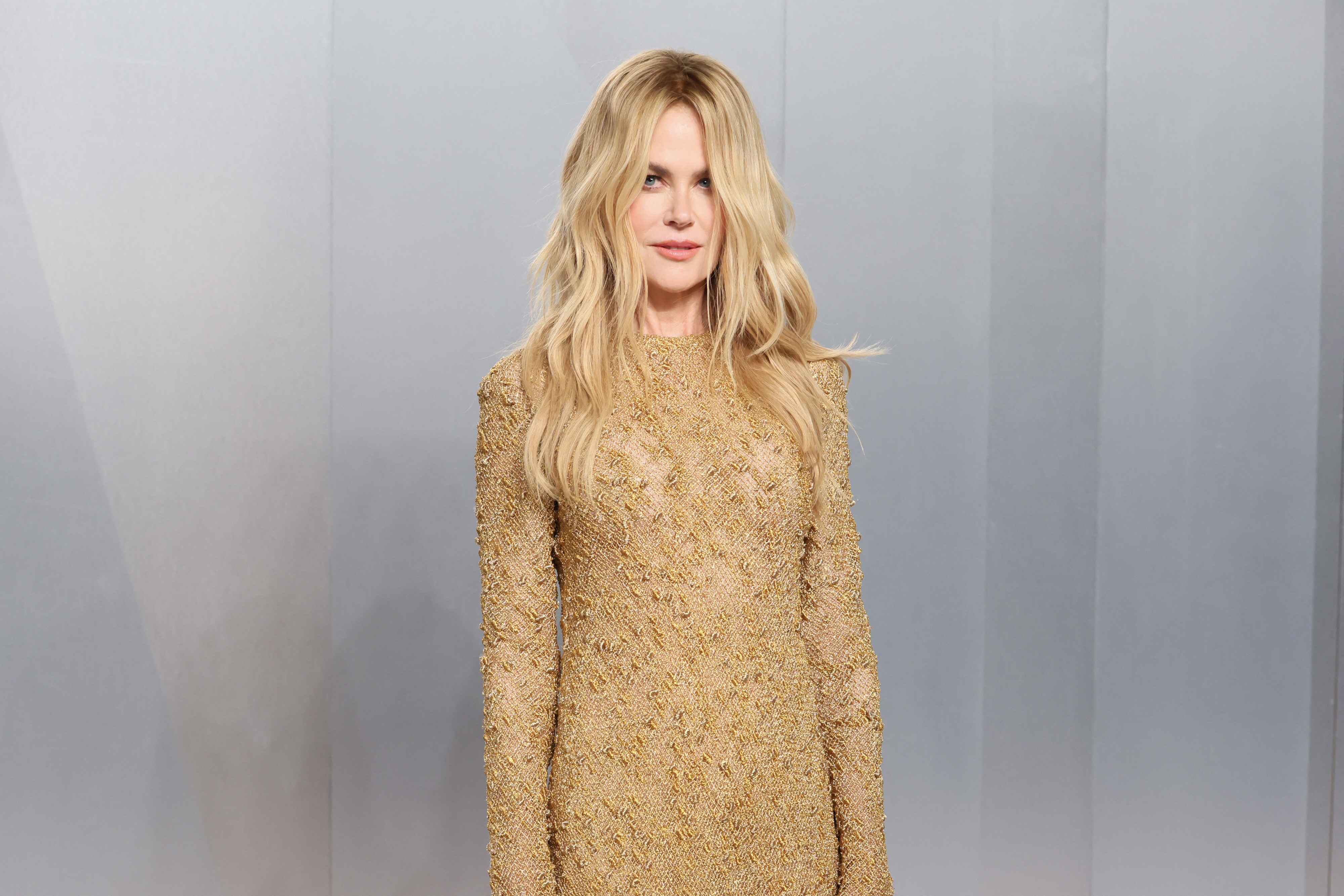
Kidman explained that she is training as an end-of-life doula
Jean Baptiste Lacroix/AFP via Getty Images
advertisement
Why the role matters to her now
That explanation helps show why this choice matters to her at this stage of life. Kidman was not describing a new title that sounded interesting on paper. She was describing a response to a real gap she felt while her family was trying to care for someone they loved.
Her words also point to the pressure families can face when they are trying to balance grief, children, work, and practical responsibilities all at once. Even with strong family ties, people can still need someone outside that circle whose job is simply to be present, steady, and supportive.
That seems to be the heart of what she is moving toward. The work is not about replacing loved ones, but about adding another layer of care at a time when people often need it most.
advertisement
Nicole Kidman says she wants to learn this work
"So that's part of my expansion and one of the things I will be learning."
Doulas are not medically trained in the same way a doctor or nurse is, but they are there to provide emotional support, compassion, and practical presence. That difference is important because the role is built around care that feels personal rather than clinical.
There is also a professional group connected to this practice. The International End-of-Life Doula Association says on its website that this kind of support extends not just to the person who is dying, but also to families and other people involved in that person's care.
advertisement
The association describes an end-of-life doula as 'a nonmedical companion who provides personalized and compassionate support to individuals, families, and their circles of care as they encounter and navigate death, loss, and mortality.'
That description lines up closely with the kind of help Kidman was talking about when she reflected on her mother's final period. It is centered on care, comfort, and the human side of loss, rather than treatment or formal medical decision-making.
The move also adds another layer to a period of Kidman's life that has already included intense emotional work on screen. In a separate recent interview tied to her film Babygirl, she spoke about the strain of filming intimate material, making this new direction feel even more striking by contrast.
advertisement
A very different kind of next chapter
For someone who has spent decades performing for audiences around the world, this next chapter feels quiet, personal, and grounded in service. It is a very different kind of calling from acting, yet it still connects to the emotional depth that has shaped much of her career.
At the same time, it does not sound like she sees this as a sudden break from everything that came before. Instead, it feels more like an expansion of how she wants to use her time, shaped by grief, family experience, and a wish that more people had access to steady care near the end of life.
That is what makes the move stand out. At 58, Kidman is not just adding another credit to a long résumé. She is choosing to learn a role built around helping people through loss, because she knows firsthand how much that kind of support can matter.