Pregnant T-Rex Discovered And It Might Still Have DNA
#1
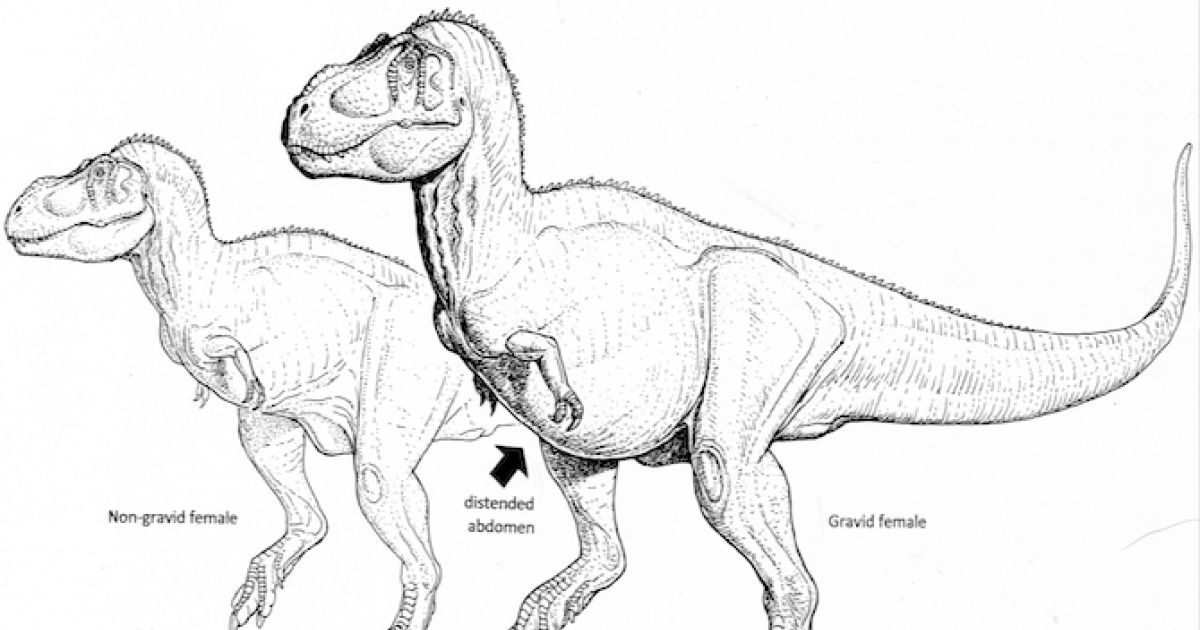
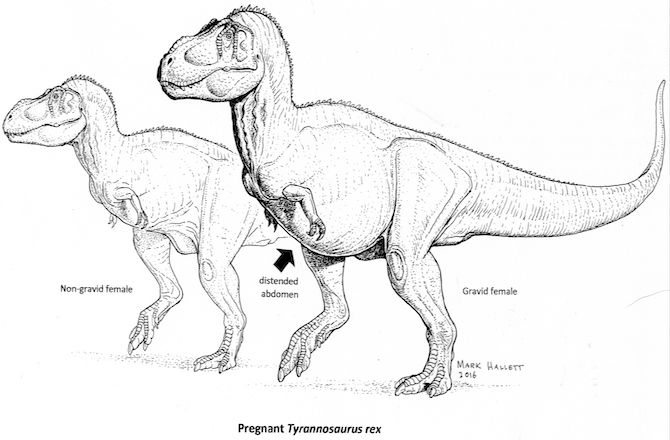
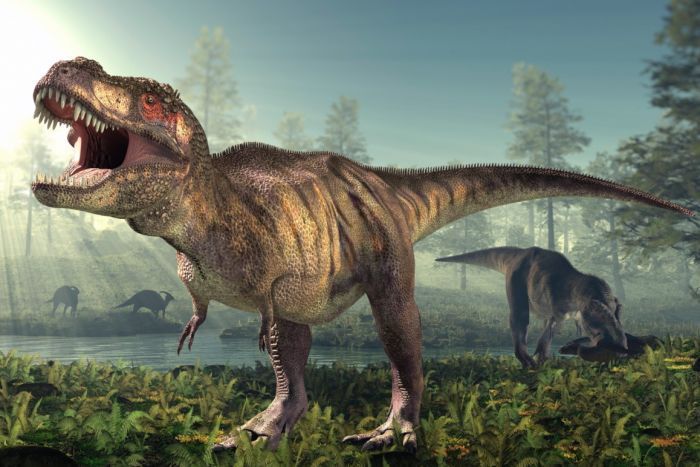
A pregnant Tyrannosaurus rex was found, shedding light on the evolution of egg-laying and gender differences for the dinosaur.
The remains might contain the holy grail of all dinosaur fossils: DNA.
"Yes, it's possible," said Lindsay Zanno who told Discovery News, that genetic material that may be present in this and other dinosaur finds. "We have some evidence that fragments of DNA may be preserved in dinosaur fossils, but this remains to be tested further."
#2
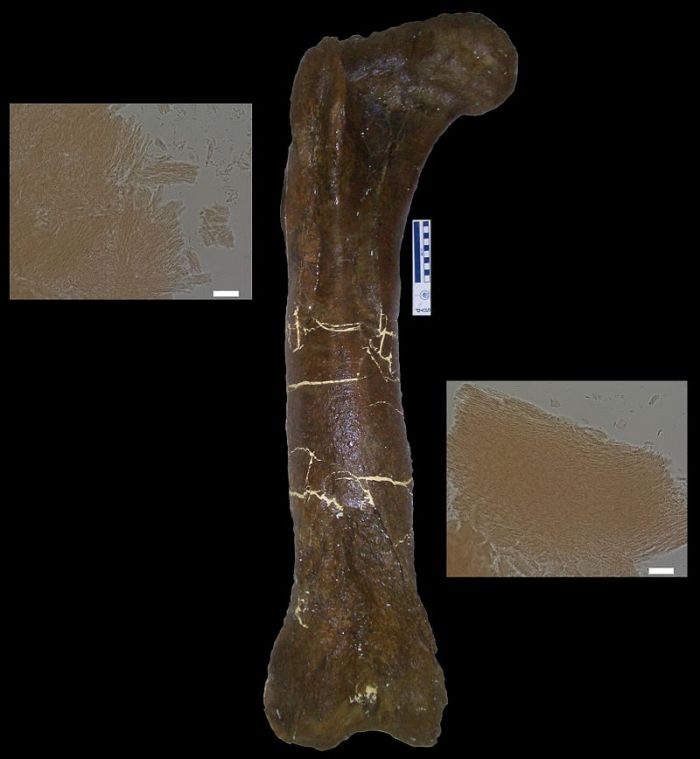
What has been confirmed is that the T. rex, found in Montana dates to 68 million years ago and retained medullary bone that showsthe individual was pregnant. Medullary bone is only present in female living dinosaurs, i.e. birds, just before and during egg laying. It's this type of bone that could retain preserved DNA.
Zanno is an assistant research professor of biological sciences at North Carolina State University, where she is also head of the North Carolina Museum of Natural Sciences' Paleontology Research Lab and is curator of paleontology. She explained that medullary bone lines the marrow cavity of the long bones of birds.
"It's a special tissue that is built up as easily mobilized calcium storage just before egg laying," she said. "The outcome is that birds do not have to pull calcium from the main part of their bones in order to shell eggs, weakening their bones the way crocodiles do."
#3
Crocodiles are the closest still living relatives of dinosaurs.
"Medullary bone is thus present just before and during egg laying, but is entirely gone after the female has finished laying eggs," she said.
Early on, Mary Schweitzer thought that medullary bone was present in the tyrannosaur remains, and confirmed her suspicions after she, Zanno and their team conducted a chemical analysis of the T. rex's femur.
#4
The material, found to be consistent with known medullary tissues from ostriches and chickens, contained karatan sulfate, a substance not present in any other bone types.
"This analysis allows us to determine the gender of this fossil, and gives us a window into the evolution of egg laying in modern birds," Schweitzer said.

#5
Zanno explains we now know extinct dinosaurs inherited egg laying from their ancestors, just as birds inherited this reproductive strategy from their dino ancestors.
"The discovery of medullary bone is just one more piece of evidence that blurs the line between birds and other theropod (carnivorous two-legged) dinosaurs like T.Rex," she said.
The research is published in Nature Scientific Reports.
#6
In a prior study, Sarah Werning of the University of California and Berkeley and her colleagues found medullary bone in the carnivorous dinosaur Allosaurus as well as in the plant-eating dino Tenontosaurus. The discoveries happened somewhat by chance, as she and the other researchers were studying dinosaur growth rates when they realized three of the dinosaurs were pregnant females.
#7
She said, "We were lucky to find these female fossils. Medullary bone is only around for three to four weeks in females who are reproductively mature, so you'd have to cut up a lot of dinosaur bones to have a good chance of finding this."
#8
Schweitzer agrees, and said that the femur her team studied was already broken when she received it. Echoing Werning, she acknowledged that most paleontologists would not want to cut open, or demineralize, their fossils in order to search for the rare medullary bone.
#9
Nevertheless, because much of the pregnant T. rex's skeleton was found, including her skull, there is a very good chance that the paleontologists will soon be able to provide a detailed description of her overall anatomy and general appearance.
#10
They already know that the dinosaur mom-to-be was 16-20 years old when she died of as of yet unknown causes.