

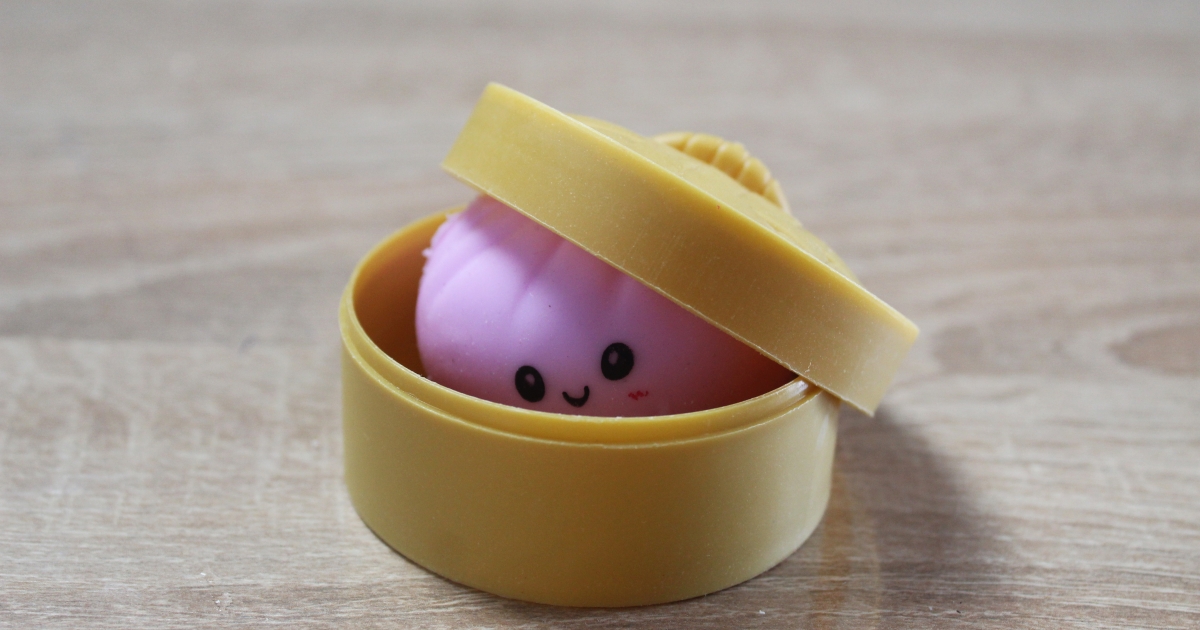
Families have been warned about squishy dumpling toys after reports of a strong chemical smell, toxic chemicals, and injuries linked to a microwave trend.
advertisement
A cute 'squishy dumpling' toy may look harmless, but officials are warning parents to check it closely if it gives off a strong chemical smell after being opened.
Families who have copy versions of the soft, spongy toys have been told to throw them away. Some have reportedly been found with high levels of benzene, a chemical classed as carcinogenic.
Northumberland County Council's Trading Standards team in the UK issued the warning to both shoppers and businesses. Officials also pointed to a dangerous social media trend where children heat the toys in a microwave to make them feel softer.
The council said: "The toys often emit a strong, pungent chemical smell when opened, with laboratory tests on similar items revealing the presence of toxic chemicals."
The microwave trend has also caused concern because some toys have reportedly burst or leaked hot material after being heated. Trading Standards said these toys, and similar 'squishy' products, should never be put in a microwave under any circumstances.
That warning matters because the toy's soft outside can make it harder for children to tell how hot the inside has become. Once pressure builds or the toy is squeezed, the hot filling can escape and cause serious burns.
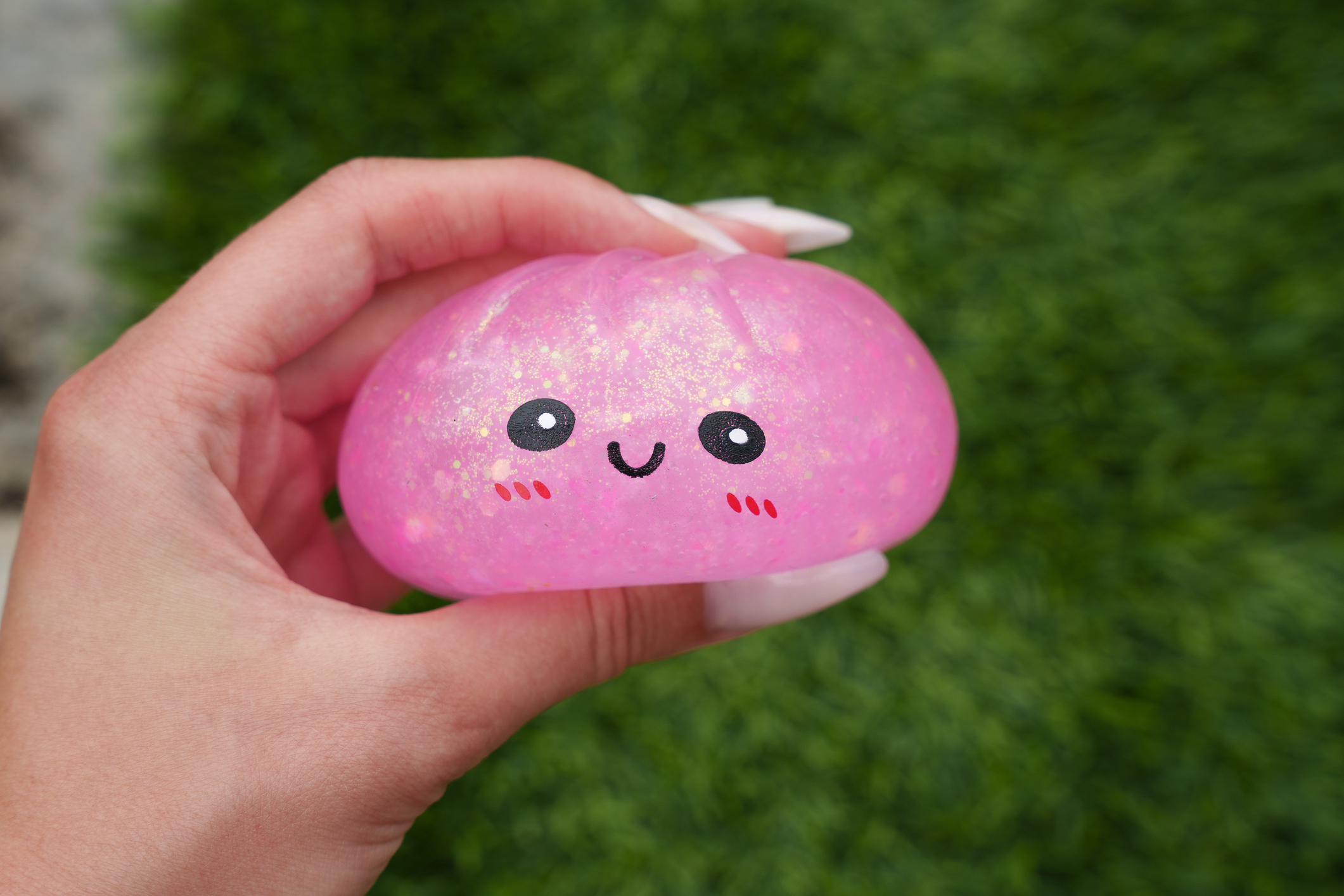
A UK standards team have raised a warning about copies of the toy
Getty Stock Images
advertisement
One family has already described how badly things can go wrong. Charlotte, 42, from Bristol, UK, said her 10-year-old daughter Bella may be left with lifelong scarring after copying the trend and suffering serious facial injuries.
Speaking to the BBC, Charlotte said: "When she came in, I could see straight away her face was bright red, it looked like she'd been whacked in the face and I could see the scald mark and there was skin missing and blisters."
"Because of the silicone outer layer, they couldn't feel how hot it was inside, so her friend squeezed it, which is when it burst on to both of them."
Why the smell and safety marks matter
The smell is one of the easiest warning signs for parents to notice at home. A strong chemical odor does not prove every toy is unsafe, but Trading Standards has linked that smell with similar products that failed lab testing.
The UK government's Toys Safety Regulations guidance explains that toy rules cover the responsibilities of manufacturers, importers, and distributors. For buyers, the simple checks are still important: look for proper labels, a traceable seller, and safety marks that do not look badly printed or easy to remove.
It is also safer to treat any microwave trend involving a children's toy as a clear no. These products are not food, heat pads, or kitchen items, and the soft outer layer can hide heat until the toy is squeezed or breaks.
advertisement
The toys are designed to look like bao buns, which is part of why they appeal to young children. Many are also sold as collectible items, with some children hoping to find ultra-rare shiny versions.
Northumberland County Councillor Gordon Stewart, Cabinet Member for Public Safety, said in a statement: "The safety of our children must always come first, and we are issuing this important warning to consumers, especially parents - to remain vigilant when purchasing any toys to ensure they are buying the genuine product."
For parents, the appeal of the toy can make the warning easy to miss. A cheap copy may look close enough to the real thing at first glance, especially if a child is focused on collecting a rare version.
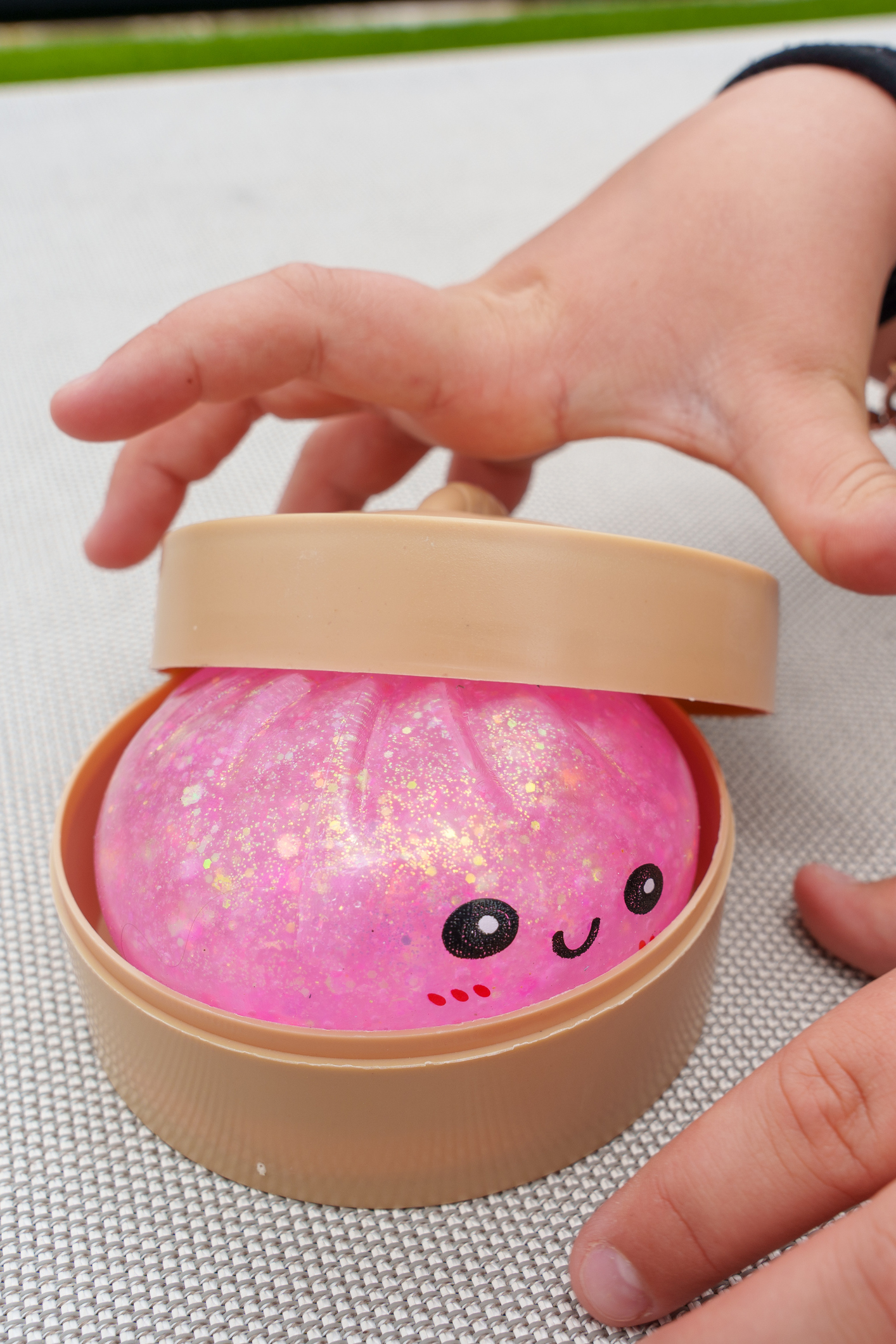
Parents have been urged to throw the toys away if they do not meet UK manufacturing regulations
Getty Stock Images
advertisement
Stewart added: "While these cheaper 'squishy' toys may look harmless, they could pose a hidden risk to children."
"Our Trading Standards officers are currently visiting stores across the county to ensure retailers remove these items from shelves."
The team advises checking for the CE or UKCA mark before buying. Those marks indicate that the toy is meant to meet key safety standards, so missing or suspicious-looking labeling should be treated as a warning sign.
advertisement
If those safety details are missing, the toy may not have gone through the required testing and should be disposed of rather than handed to a child.
The safest approach is to remove the toy from use, avoid microwaving it, and be cautious with cheap versions bought from unknown sellers. A low price is not worth the risk if the toy has a chemical smell, unclear labeling, or signs it may be a copy.