


Stacey Warnecke died after giving birth at home without trained medical professionals present
advertisement
An inquest into the death of Australian influencer Stacey Warnecke has heard that she twice refused an ambulance after she began bleeding following a home birth.
Warnecke died on 29 September last year. A medical examiner proposed her cause of death as 'postpartum haemorrhage in the setting of a home birth', meaning severe bleeding after childbirth.
The Sydney Morning Herald reports that Warnecke had given birth to her son Axel at home. Her husband Nathan was there, along with Emily Lal, a doula, which is a non-medical support person rather than a trained doctor or midwife.
What the inquest is focusing on
The central issue before the inquest is not only that Warnecke chose to give birth at home. It is also what happened once she began bleeding and whether the danger was recognized quickly enough.
Postpartum hemorrhage can become an emergency within minutes because heavy blood loss can affect blood pressure, breathing, and the heart. The American College of Obstetricians and Gynecologists describes maternal hemorrhage as blood loss of 1,000 mL or more, or bleeding with signs or symptoms of low blood volume, within 24 hours of birth.
That context matters because the inquest heard Warnecke did not accept an ambulance the first two times it was suggested. By the time emergency help arrived, her condition had already become critical.
advertisement
Warnecke had chosen a freebirth, which means giving birth at home without trained medical professionals present.
The inquest heard that after delivering the placenta, Warnecke began bleeding heavily and gasping for air. She only agreed to an ambulance on the third request, after saying no the first two times.
When paramedics arrived, they found the 30-year-old lying on the floor with cold skin. She was taken to Frankston Hospital, and when she was moved from the ambulance stretcher to a hospital bed, there was a 'big gush of blood'.
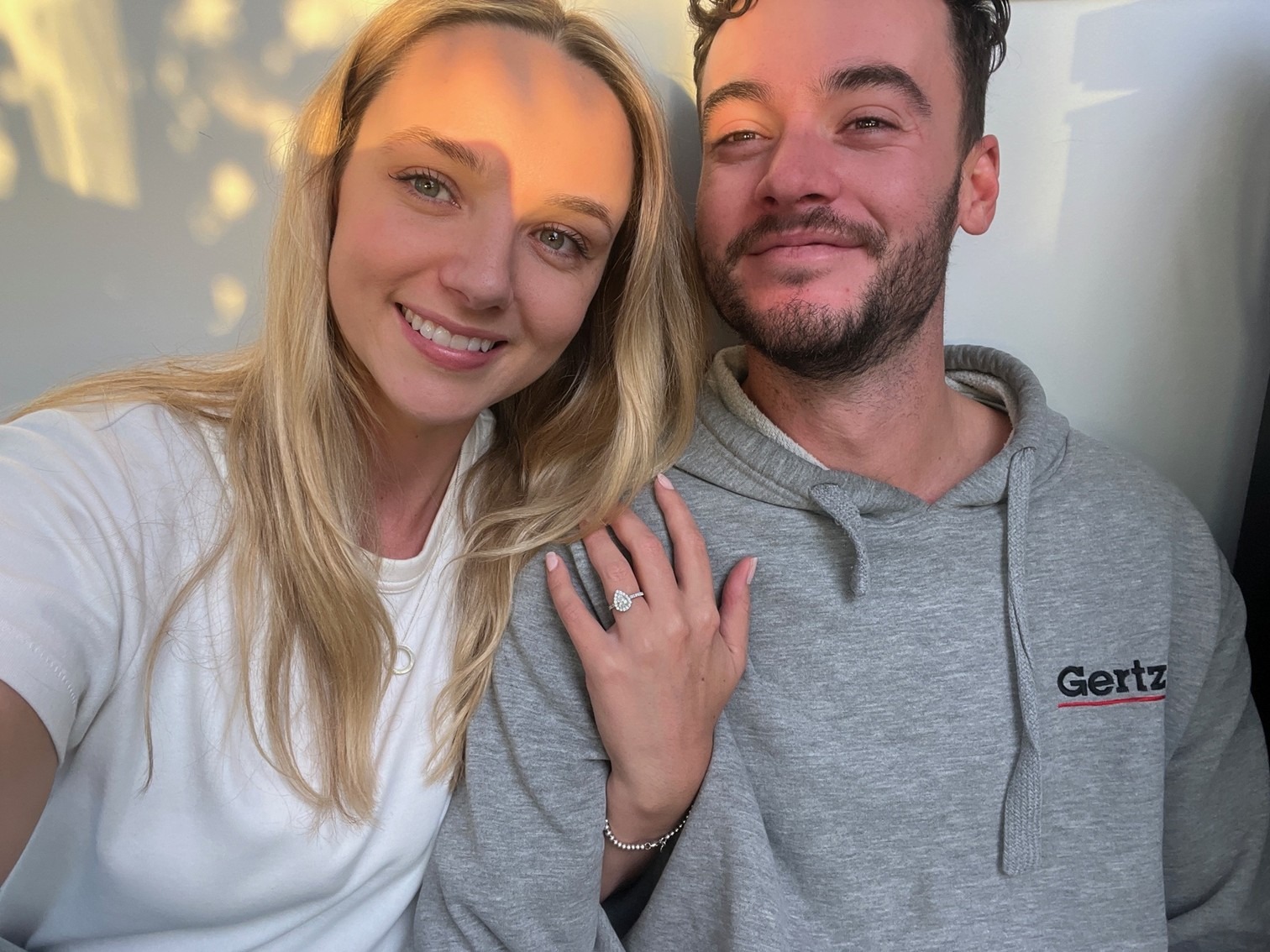
Stacey Warnecke died last year following complications from a freebirth, she was rushed to hospital but did not survive
GoFundMe
Why heavy bleeding after birth is treated as urgent
Bleeding after childbirth is not always easy for a family or support person to judge, especially outside a hospital setting. But heavy blood loss can turn dangerous fast, which is why maternity teams treat suspected postpartum hemorrhage as an urgent problem.
The World Health Organization says severe bleeding after childbirth is the leading cause of maternal mortality worldwide, with millions of women experiencing postpartum hemorrhage each year.
In a hospital, staff can give medication, fluids, blood products, surgery, and other emergency care if bleeding does not stop. In a freebirth setting, those options are not already in the room, so calling for help early becomes even more important.
advertisement
Hospital staff carried out an emergency hysterectomy to try to stop Warnecke's bleeding. The inquest heard that the hospital's supply of her blood type was exhausted during attempts to save her life.
Despite those efforts, Warnecke suffered multiple cardiac arrests and died. The inquest was told that hospital staff made 'heroic efforts' to save her.
In a statement provided to the inquest, her husband Nathan said his late wife had 'a strong view about the cascade of interventions that can occur within a hospital environment, and a strong wish to avoid them'.
advertisement
Warnecke, who promoted a 'chemical free' lifestyle through her influencer work, had chosen freebirth because she believed it was the only way to have her baby fully on her own terms, the inquest heard.
She refused antenatal screening, including routine ultrasounds, and chose not to have a registered midwife present for the birth.
Victorian Institute of Forensic Medicine pathologist Michael Burke told the inquest that the 30-year-old died after massive blood loss triggered complications, including heart failure.

An inquest heard that Warnecke twice said no to an ambulance being called before agreeing the third time
GoFundMe
advertisement
The difference between a doula and a midwife
One detail that may confuse readers is the role of a doula. A doula can provide emotional and practical support during pregnancy and birth, but a doula is not the same as a registered midwife.
A midwife is trained to monitor a mother and baby, identify medical warning signs, and respond to complications. A doula may support the person giving birth, but does not replace clinical care.
That difference became important at the inquest because Emily Lal was present at the home birth, but her evidence made clear that she did not see herself as responsible for making the birth safer.
advertisement
"It is rare for a woman to die in childbirth," he said, adding that blood loss during childbirth was 'immediately treatable if it is recognised quickly and managed correctly'.
According to The Guardian, doula Emily Lal told the inquest she had been paid $6,000 to attend the birth and was 'not there to make a birth safer'.
"How would I help people stay safe during birth?" Lal replied when she was asked whether she saw her role as helping mothers stay safe.
advertisement
"I don't think me being there makes the birth more safe. I'm attending as a friend in a support role."
"I wouldn't say to her, 'I think you've lost too much blood.' That's not my role."
Lal also said Warnecke had asked whether the blood loss was normal. Lal said she told her it was 'more than I would consider to be normal'.