Terrifying Diseases Caused By Parasites In Your Eyes
There are countless blood sucking parasites with evil agendas that can affect the human body in the grossest ways imaginable.
The most unusual critters can breed and dwell in one of the most sensitive parts of our body — our eyes. Make sure to clean your contacts properly, because you never know what’s lurking.
Many of the viruses, bacteria, parasites, and fungi that can invade
the human body are also capable of attacking the surface or interior of the eye.
There are countless blood sucking parasites with evil agendas that can affect the human body in the grossest ways imaginable.
The most unusual critters can breed and dwell in one of the most sensitive parts of our body our eyes. Make sure to clean your contacts properly, because you never know what's lurking.
River Blindness
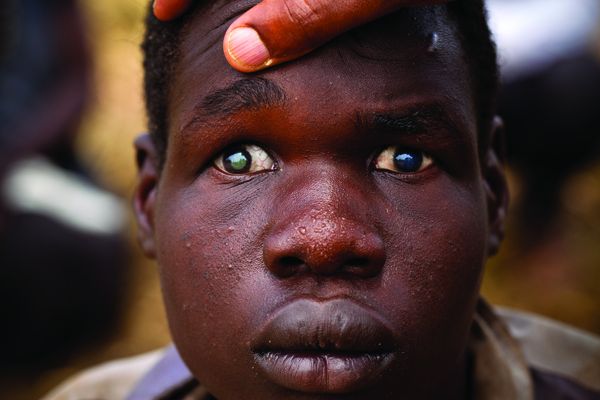
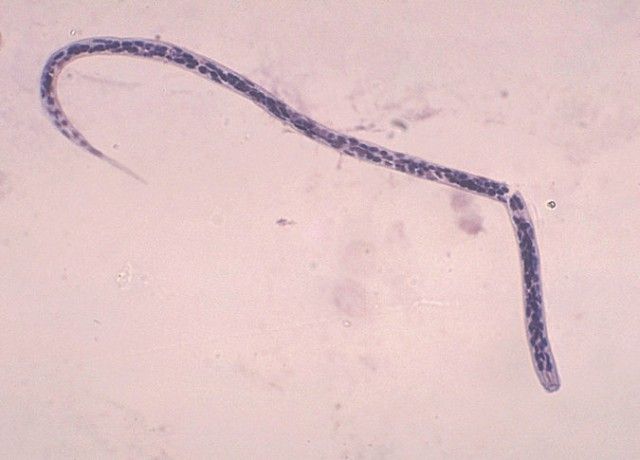
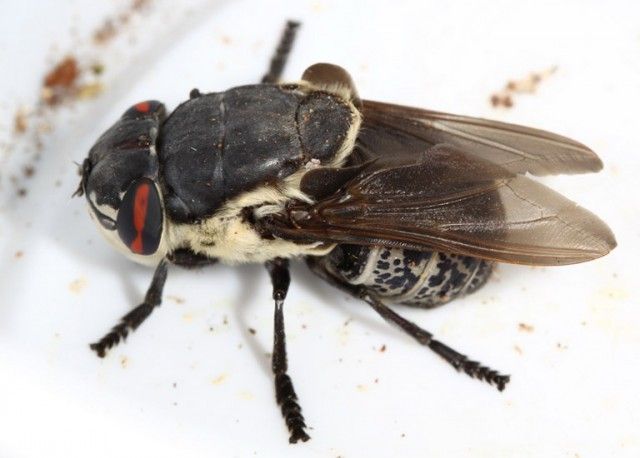
River blindness is a dreadful disease caused by the worm Onchocerca volvulus. This parasite is transmitted by infected black flies that live and breed near rivers, hence the disease's name. About 18 million people are diagnosed with this infection, with 99% of the cases found in Africa. Unlike malaria this disease isn't fatal, but it does make your life miserable.
After the parasite makes contact with human skin, it lays its larvae.
In addition to severe itching, skin rashes and bumps, blindness can occur. O. volvulus is generally found in rural agricultural areas and has a big impact on the community, bringing severe economic and social problems. Travelers have smaller chances of receiving the disease due to the fact that repeated bites are needed to become infected. As scary as this all seems, it's a relief to know that there's a drug that destroys the larvae. We'd play it safe and load up on insect repellant, though.
Acanthamoeba keratitis
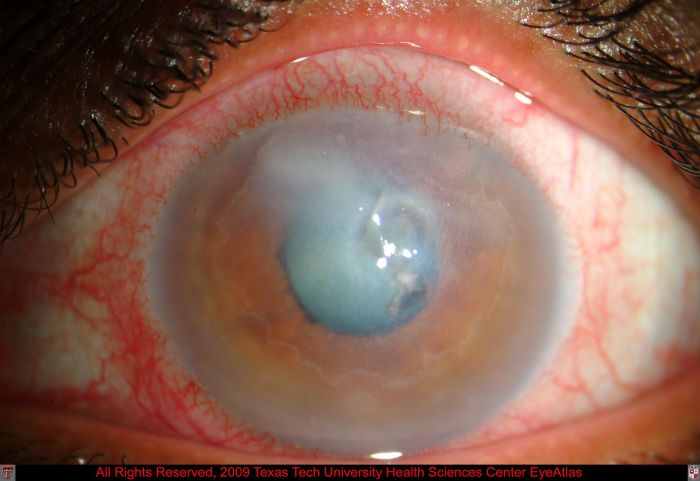
Amoeba keratitis is a vision threatening parasitic disease caused by a pathogen called Acanthamoeba. While non-contact lens wearers can be affected, it mostly targets people who wear contacts on a daily basis. Keep up your eye hygiene!
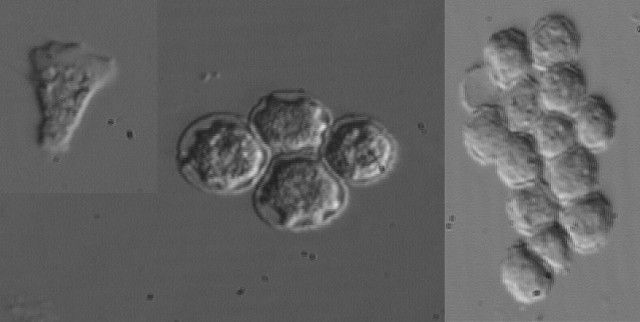
Acanthamoeba has various species that have been found in tap water,
sewage, dental treatment units, lakes, swimming pools, and heating and air conditioning units. It has a two stage life cycle, cysts and trophozoits. The cysts are harmless, but the trophozoits can enter the human body through the eye or nasal passages, and move towards the respiratory tract or damaged skin.
95% of people with Acanthamoeba keratits have complained of having a great amount of pain, along with other unpleasant symptoms.
Early diagnosis is the key to effective treatment, which is still evolving. Combinations of many antibiotic, antiviral, anti-fungal and anti-parasitic drugs have shown success.
Chagas Disease
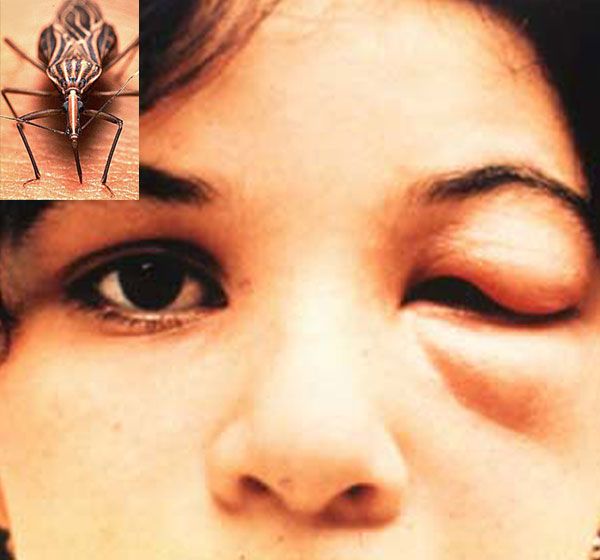
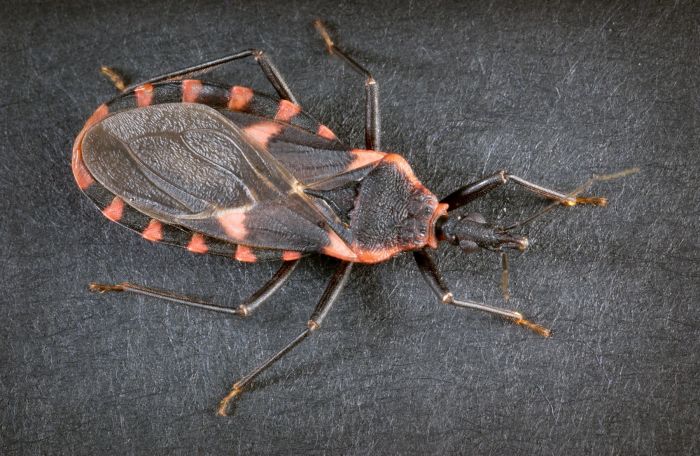
Have you heard of kissing bugs? They're not as cute as you might imagine. Also known as triatomine bugs, they host the parasite Trypanosoma cruzi, which causes Chagas disease. This disease isn't new Chagas parasites have been found in 9,000 year old remains from the ancient Chinchorro culture of South America.
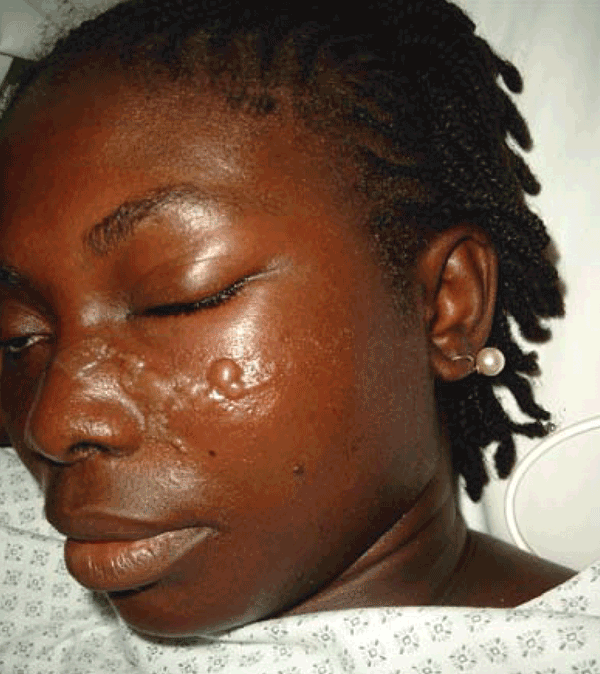
The parasites are easily released into a bite wound, and they also commonly enter through the membrane on the inner corner of the eyes.
This causes swelling of the eyelids and needs to be treated. It's estimated that eight million people are carrying this disease in the Americas, and most don't even know they're infected the acute phase lasts for several weeks or months and goes unnoticed.
The bugs can be found in mud, wall cracks, straw and other building materials.
The acute phase can be treated fast if detected, but the chronic phase is life-threatening. It's an emerging health problem, although a wide range of drug treatments have shown promise.
Myiasis
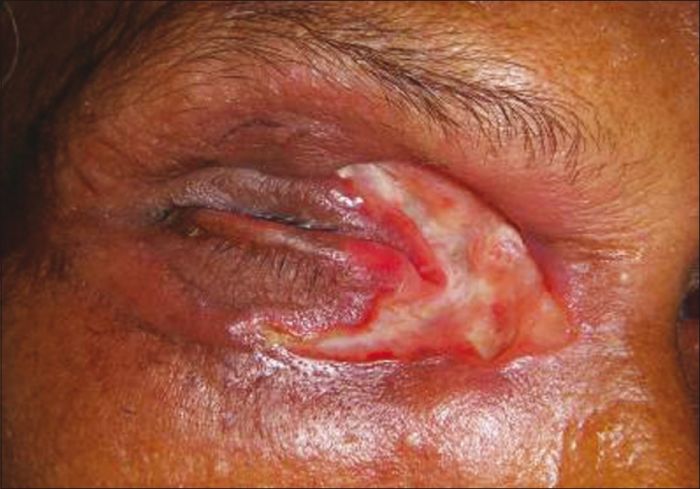
Myiasis is an infection of the tissue spread by bot flies carrying Hypoderma tarandi, a parasite that lays eggs on reindeer and caribou and which sometimes infects humans. Myiasis is one of the oldest recorded diseases affecting man as early as 520 B.C., Herodotus described a case of facultative myiasis in a woman.
Larvae that penetrate the eye cause a condition called ophthalmomyiasis.
Vision can be lost, as there's also a risk of retinal detachment and glaucoma. Then there are the sharp, scary looking hooks on their backs and chubby white bodies, which are very discomforting when shoved into tissue. Treatment is larva removal with lasers or vitrectomy, a very delicate procedure because if the maggots burst you've got a serious infection on your hands.
Toxoplasmosis
The main host of toxoplasmosis is the domestic cat, and the parasite that causes this disease is called Toxoplasma gondii. Toxoplasma forms cysts in cat feces, and any kind of contact can lead to transmission. It can occur during litter box cleaning, or ingestion of food that's been in contact with soil contaminated by feces.
Cats don’t show any symptoms of the disease, making it difficult to tell if your cat is infected.
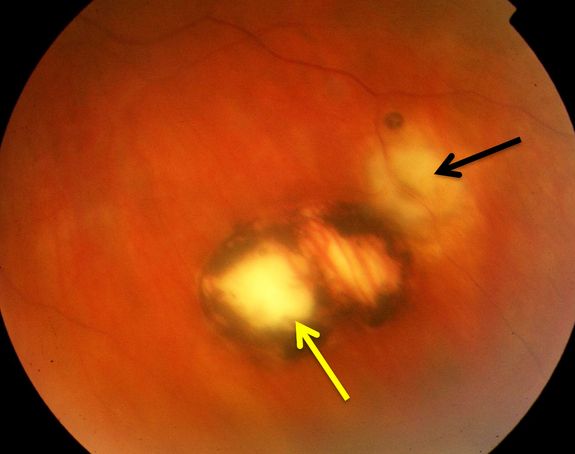
When these cysts mature they become infective to humans and can form cysts anywhere in the body, including the heart. Cysts that occur in the eyes can cause blurred vision, and if the infection isn't treated retina damage and blindness can result. Sometimes, symptoms don't occur until the immune system is weakened. So play it safe the next time you clean the litter box.