
The Best Essential Oils For Headaches And Ways To Use Them
Headaches are one of the most common ailments of our time.
A headache is characterized by pain in any region of the head, often extending to the neck.
Everyone gets a headache at some point in their lives, and it can be quite the mood-kill.
Headaches are of different varieties and intensities.
Tension headaches
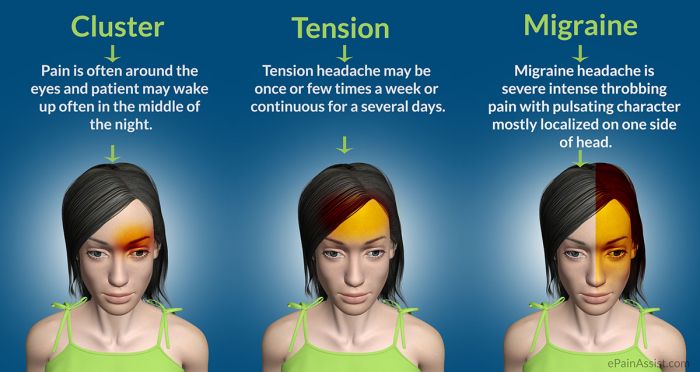
Tension headaches are the most common type of headache that people get from time to time, either due to lack of sleep, stress, hot and humid weather or really noisy kids. The causes can be endless. The annoying ache in your head can extend to your eyes, neck, lower back and other muscles in the surrounding regions. More than 70 percent of the general population experiences occasional tension headaches, according to the WHO.

Migraine headaches
Migraine headaches are characterized by moderate to severe throbbing pain on one side of the head, often accompanied by symptoms like nausea, vomiting and heightened sensitivity to bright lights, sounds and distinct smells. They are most common in people between the ages of 35 and 45, and usually begin around puberty, according to the World Health Organization (WHO).

Cluster headaches
Cluster headaches occur due to a neurological condition. Like migraines, they are characterized by pain on one side of the head and especially around the eye, although pain associated with cluster headaches is more intense and debilitating. They are recurrent in nature, disruptive of routine activities and often more severe at nighttime. Associated symptoms include nasal congestion, and watering and swelling of the eyes.

Sinus headaches
Sinus headaches are a terrible by-product of a sinus disorder and cause a deeply concentrated pain in the nose-bridge, forehead and cheekbones.

Hormonal headaches
Hormonal headaches occur when a woman is about to begin her cycle or is already menstruating.

While headache disorders may require medical attention (especially if symptoms are extremely severe),
it is possible to treat them by working a little magic at home. One natural home cure is the use of essential oils to kiss your headache goodbye.
People often look for a quick fix for their headaches and resort to painkillers. However, painkillers come with a host of side effects and are best avoided for the sake of your long-term health.

Essential oils are an all-natural treatment that not only protect you from nasty side effects,
but treat your headache, along with soothing and relaxing your overall body.
An overall healthy body is in a better position to resist falling prey to stress and other social and psychological factors, thereby preventing future headaches altogether.

Eucalyptus Essential Oil
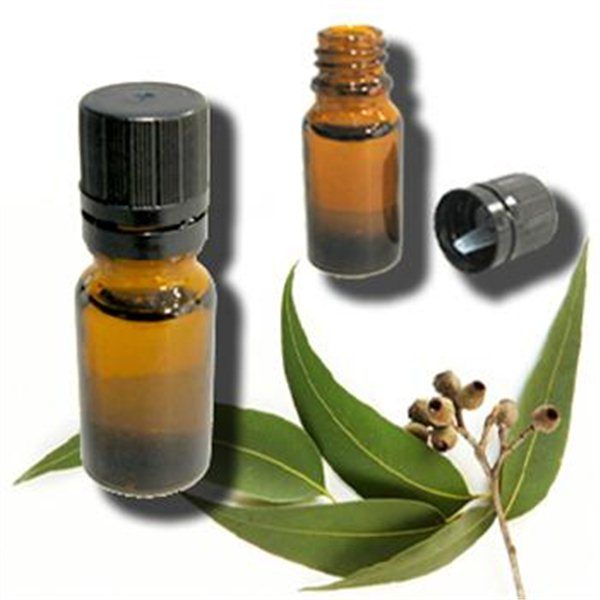
Eucalyptus essential oil is more commonly known for its antibacterial properties and its effectiveness in relieving symptoms of respiratory illnesses, particularly chest, lung and nasal congestion.
Thus, it is a popular treatment for colds and bronchitis. It can especially relieve sinus headaches caused by inflammation of the sinuses.
However, it is also an extremely effective analgesic, or pain-relieving agent. It is especially effective in relieving muscle stress and inducing mental relaxation.
This sheds further light on the potential effectiveness of eucalyptus essential oil in reducing headaches caused by an inflammatory response, such as a sinus headache.
Peppermint Essential Oil
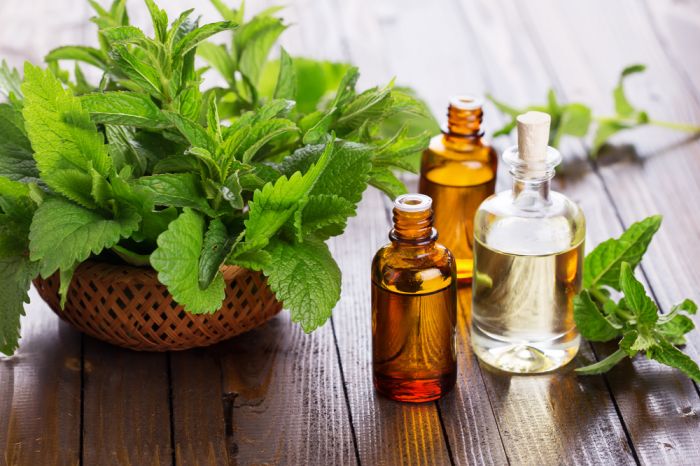
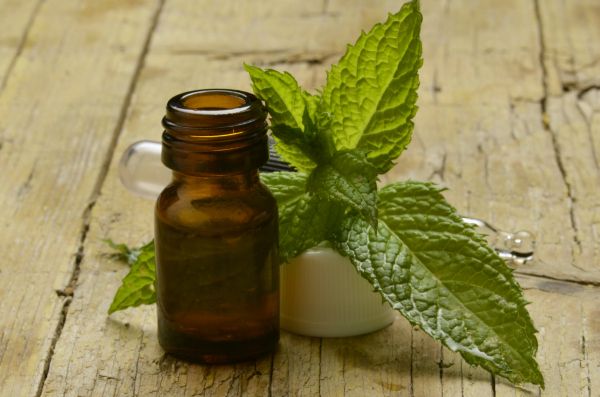
Peppermint oil is one of those refreshing aromatic oils that smells like a crisp summer breeze and reminds you of fresh lemonade, popsicles and cool beach waves. Just a whiff of peppermint essential oil can invigorate the senses and calm your nerves.
When topically applied, it triggers a tingling, cool sensation on the skin, further relaxing your muscles and nerves, promoting blood circulation and relieving any pain that may have been caused by nerve contraction due to heat.
Peppermint oil, when applied on the temples and forehead, reduces pain sensitivity and relaxes the muscles, according to a 2005 study published in Functional Neurology.
It has a similar effect when applied on the neck and helps relieve muscle tension caused by a headache that may have extended downward.
Feverfew Essential Oil
Although lesser known than the other essential oils in this list, feverfew essential oil is fast emerging as a treatment for headaches in all of its forms.
It is derived from tanacetum parthenium, a shrub with white and yellow flowers resembling daisies. It is currently being studied around the world for its efficacy in treating migraines, with mixed results.
It has been widely propagated that feverfew is an effective remedy for migraine headaches, in particular. However, feverfew is also an effective treatment for cluster headaches, hormonal headaches (premenstrual and menstrual) and other varieties of headaches, according to a 2011 study published in Pharmacognosy Review.
Lavender Essential Oil
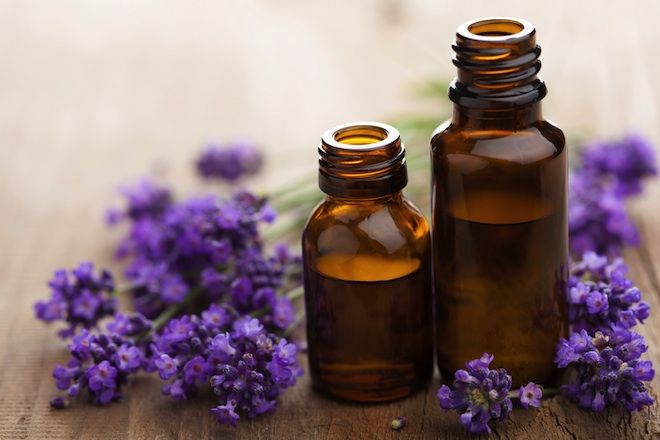
Lavender possesses terrific stress relieving, analgesic (pain relieving) and therapeutic properties, according to a 2013 study published in Evidence-Based Complementary and Alternative Medicine.
It also manages the level of serotonin, a pain-regulating neurotransmitter, to keep it at healthy levels, the study further notes. People who suffer from migraines and other types of headaches usually have a low serotonin level.
This essential oil is especially effective in treating headaches associated with neurological disorders, such as depression and anxiety or stress disorders. Lavender has been identified as a potent relaxing and sedative agent in such disorders.
Rosemary Essential Oil
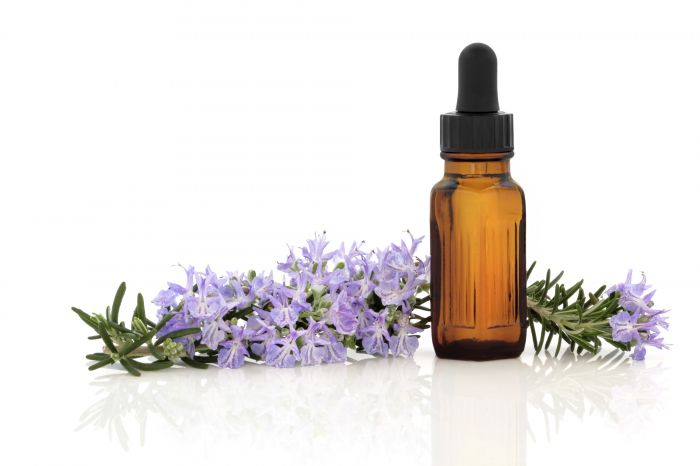
This is one of those essential oils that presents plenty of anecdotal evidence for its analgesic and relaxing properties, but not enough scientific evidence.
Rosemary essential oil is popular for relieving muscle stress and pain. It is also well known for promoting blood circulation.
While its efficacy in decreasing pain in headaches and migraines has not been studied widely, or even individually, there is some evidence to show it is an effective combination oil in aromatherapy for headaches.
Rosemary has been traditionally used as medicine to treat headaches owing to its anti-inflammatory and pain-relieving properties, according to a 2013 study published in Food Chemistry.
Topical Application
Note: When applying any essential oil directly on your skin, you are strictly advised to mix it with a carrier oil. Direct application could harm your skin.
Using your hands or cotton balls
- Pour 1 ounce (2 tablespoons) of carrier oil (preferably almond, coconut oil, or jojoba oil) into a bowl.
- Mix in 8 to 10 drops of your preferred essential oil.
- Stir the mixture with a spoon.
- Dip a cotton ball or your fingers into the mixture and apply it on your forehead and temples. Apply more in the areas that hurt more. Also, rub it on your scalp and the back of your neck.
- You can store the remaining mixture in a bottle for later use.

Cold Compress
- Mix 8 to 10 drops of your preferred essential oil in 1 cup of cold water.
- Submerge a clean muslin or cotton cloth in the water, wring out the excess and apply the cloth on the aching areas.
- Continue doing so until the cloth is warm. Repeat if necessary.
Essential oil steam
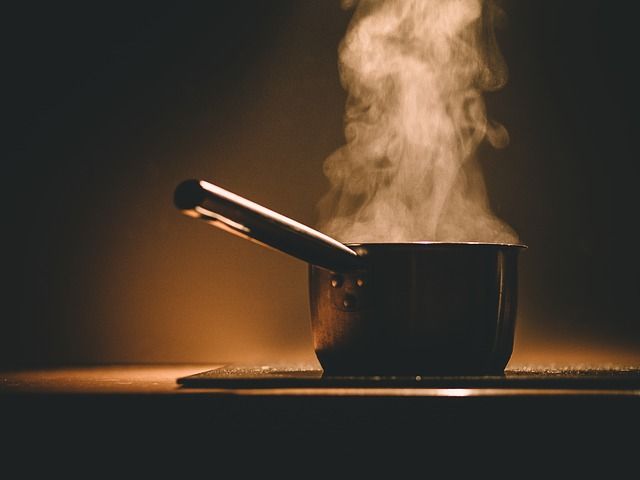
- Fill a medium saucepan with water and bring it to a rolling boil.
- Take it off the heat, add 12 drops of your preferred essential oil and mix it well.
- Place your face over the pan (maintaining a safe distance) and place a towel over your head in a way that no steam is allowed to escape.
- Inhale the steam of the essential oil-infused water for 10 to 15 minutes, or until the water cools down.
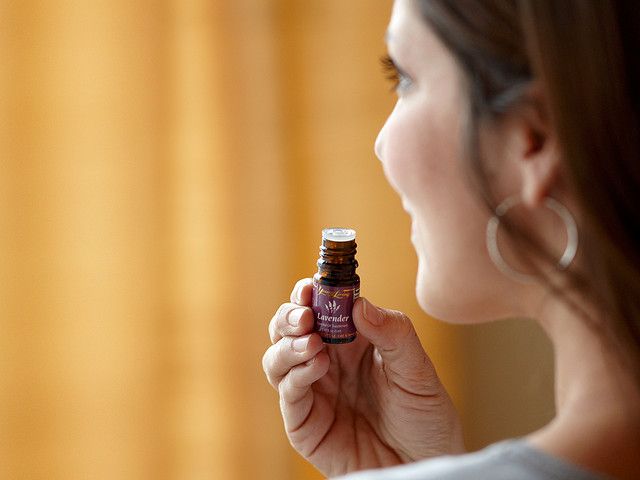
Direct inhalation
- Pop open a bottle of your preferred essential oil.
- Place it under your nose and sniff it for 10 to 15 minutes. Alternatively, you can apply a little bit of an essential and carrier oil mixture above your upper lip and sniff that.
Additional Tips
- You are strongly advised to lie down in a dark, quiet room for 30 to 45 minutes after using one of the above application methods until your pain subsides. This is the quickest and most effective way of getting rid of a headache.
- Using a dropper, squirt a few drops of your preferred essential oil on your pillow and go to sleep after applying essential oils for headaches using one of the methods described above. This will help you sleep better and further lessen your pain.
- Stay away from the brightness and loudness of electronic devices while you are in pain. Resist the temptation to check your phone.
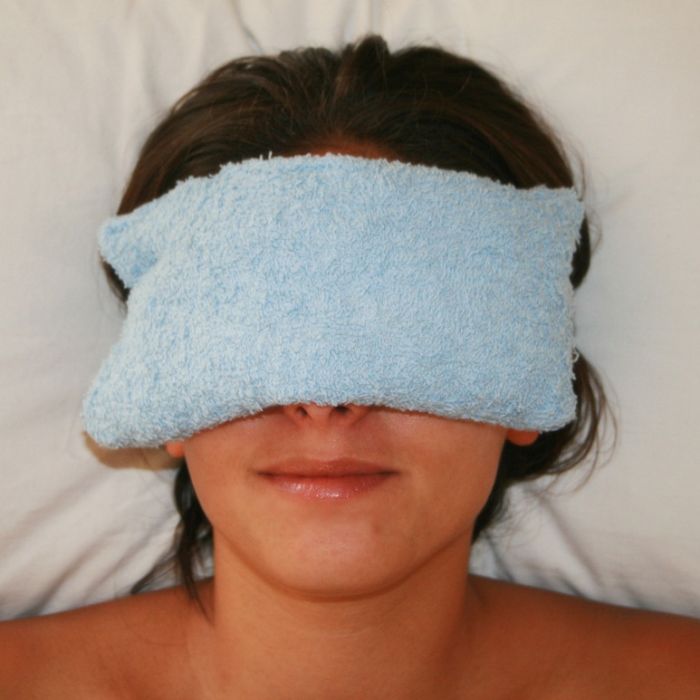
- Tie a black or dark-colored cloth over your eyes for increased relaxation and darkness.
- Try to go to sleep for a little while after using on the above application methods. A closed mind, one that's not constantly mired with innumerable thoughts, will heal faster and better. You will wake up refreshed and, hopefully, free of pain.