The Creepiest Japanese Monsters & Demons (and the Stories Behind Them)
#1 Oni
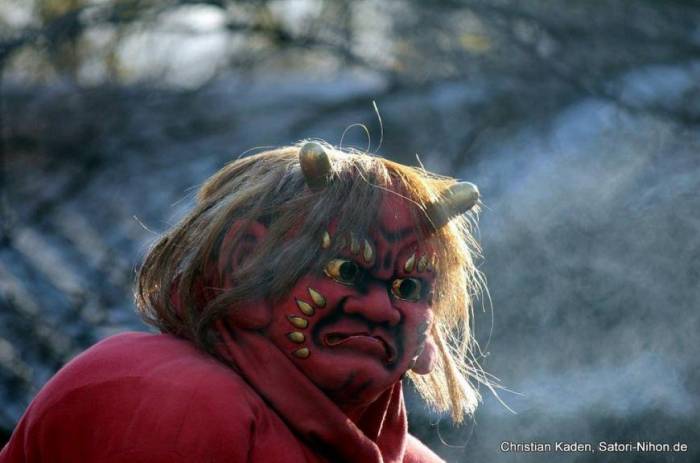
Oni are Japanese demons or ogres. They appear as blue or red giants, with wild hair, usually carrying clubs. Oni are reborn from horribly wicked people in one of the Buddhist Hells. They dole out horrible punishment to other wicked people, and serve the Demon Lord Enma.
The powers of the oni are tremendous - they can reattach body parts they lose in fights; crush enemies with one blow from their kanabo, or spiked iron club; fly; change form at will; and inflict disease, insanity, and death as they see fit. Intelligent and extremely nasty, the oni revel in causing societal breakdown, and eat and drink to excess. Their favorite food is human flesh.
#2 Gashadokuro
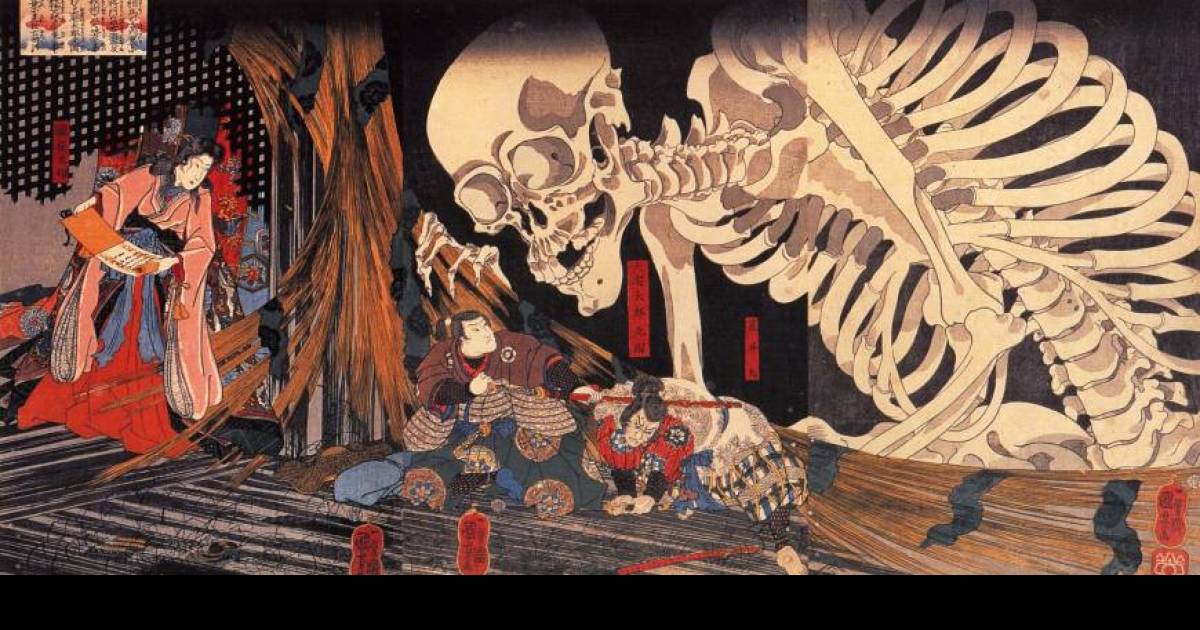
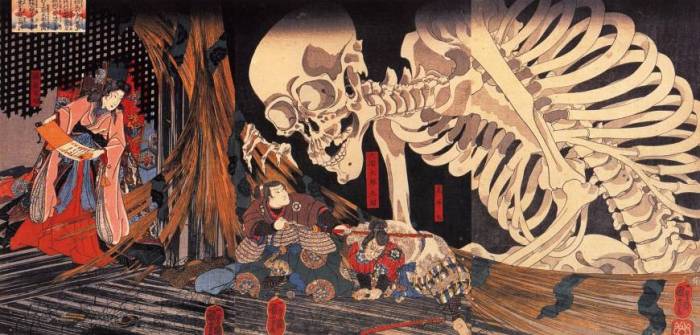
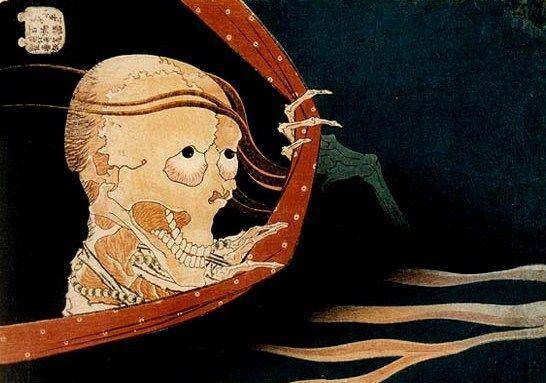
Gashadokuro are giant skeletons that rattle around the countryside in the darkest hour of the night, bones clacking together. The Japanese onomatopoeia for the sound these yokai make, "gachi gachi," is the origin of their name.
Gashadokuro don't go looking for victims, but will kill whomever they find as they wander about. They crush victims with their giant hands, then bite off their heads. These yokai are formed when hundreds of unburied dead with grudges against the living fuse together into one monster. They usually form after large battles or famines. Fans of anime will recognize gashadokuro from various films, including Pom Poko.
#3 Namahage
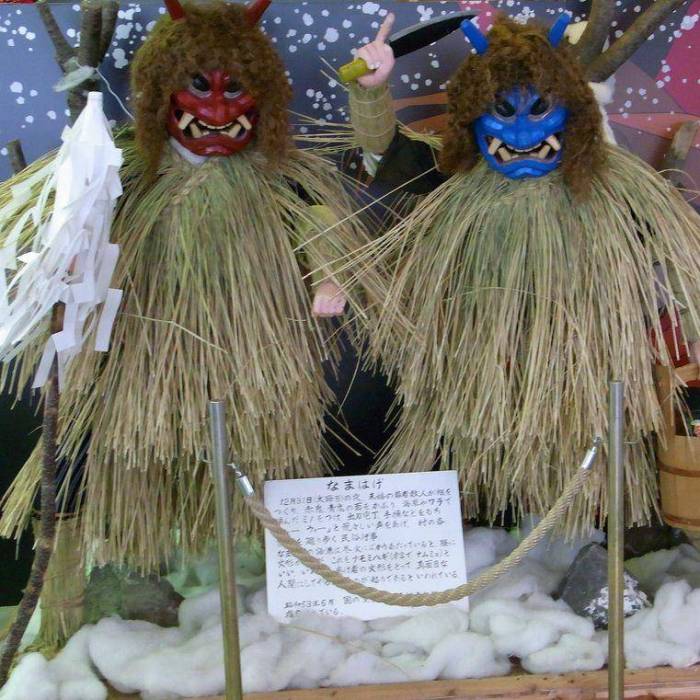
Namahage are demon-like yokai similar to oni. The are usually red or blue, with wild hair, large eyes, and sharp teeth. They wear straw leggings and raincoats, and inhabit the northern mountains bordering the Sea of Japan. Once a year, the namahage descend from the mountains, well-meaning yet scary messengers of the gods. They enter villages and knock on doors, scaring children and young brides, warning lazy and nasty people to shape up, or else. Their name means "peeled blisters," and is derived from the Japanese idiom that a lazy person will sit with their feet toward the fire until their feet blister and peel.
#4 Noppera-Bo
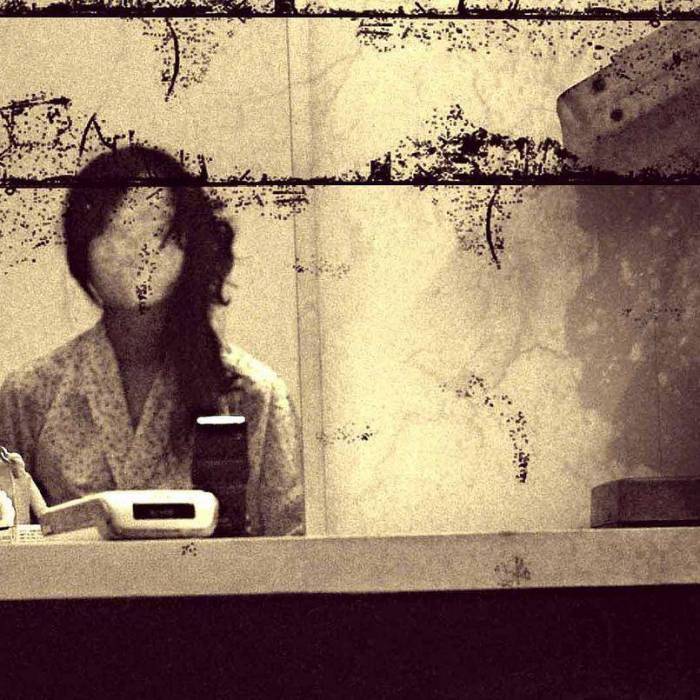
Noppera-Bo is a ghost in human form, with one exception; it has no face, as its name, "faceless monk," makes clear. This yokai blends in seamlessly with society. Its favorite activity seems to be scaring humans. The faceless monk appear on deserted streets, late at night, facing away from victims. When the person approaches, the Noppera-Bo turns, revealing its horrifying visage...or lack thereof.
#5 Gaki
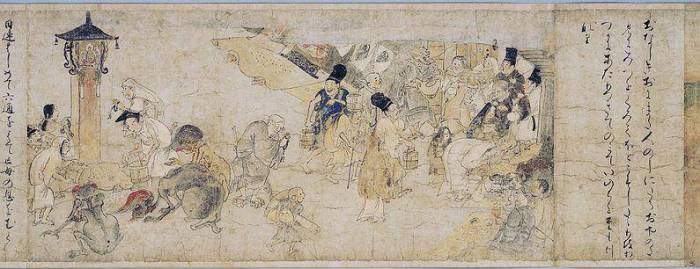
The gaki are hungry ghosts, and have their origins in Buddhism. The realm of hungry ghosts is one of the Six Paths of Transmigration, depicted in the Gaki Zoshi, an ancient scroll and national treasure of Japan. The Six Paths of Transmigration, which goes by numerous other names, including Cycle of Suffering, Cycle of Samsara, Six Paths of Reincarnation, and Six Realms of Existence, is a Buddhist idea borrowed from Hinduism, and describes the cycle of reincarnation and the six realms into which one might be reborn.
The six realms vary from quite nice (basically, heaven), to very unpleasant (hell). A person who transgressed in life might be reborn as a hungry ghost, whose souls are cursed with insatiable hunger for something, usually something disgusting like dead bodies or poop.
#6 Akaname
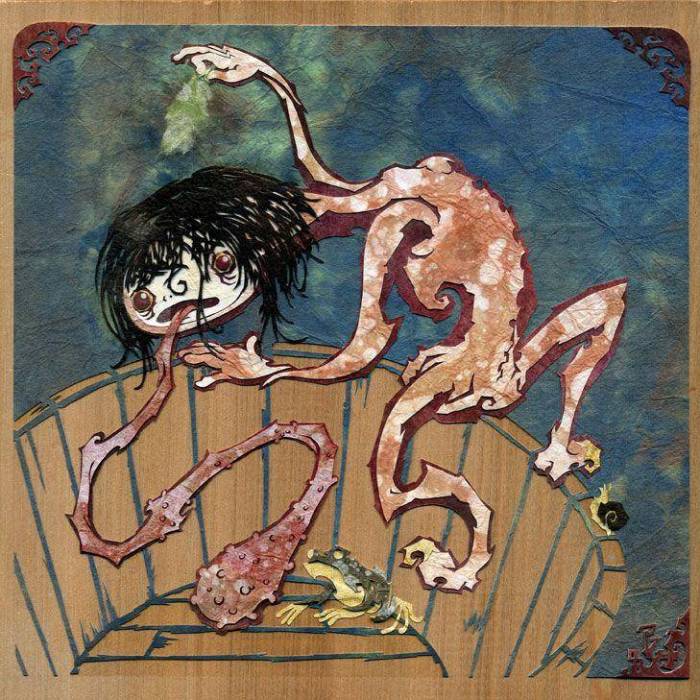
The Akaname is the personification of the fear to go to the bathroom late at night. So it's a pretty specific yokai. Its name literally means "filth licker," and it does just that. This grotesque, naked, grimy demon has an extremely long tongue, which it uses to lap up slime, dirt, feces, urine, and other such grossness found on bathroom floors.
#7 Yurei
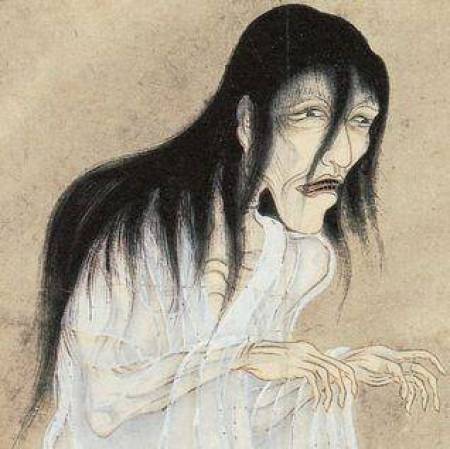
Japanese ghosts usually appear dressed in their funeral garb. During the Edo period, women were buried in a white kimono with their hair down. It is from this that the classic image of the yurei appears, with the disheveled hair obstructing the face. Their motives vary with their circumstances in life, but usually they have unfinished business of some sort holding them to this world.
Yurei typically haunt one place, rather than wander; usually the place in which they were buried. Sometimes, yurei do little more than scare passers by with eerie sounds and lights. In other instances, they invoke powerful curses.
#8 Yuki-Onna
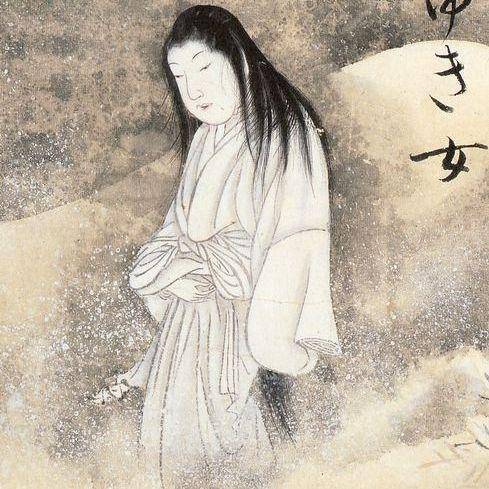
Yuki-onna is a female yokai (literally "snow woman") who preys upon travelers lost in heavy snow storms. She is similar to a succubus, and sucks the life force from her victims with her icy breath. Stunningly beautiful, she has long black hair and pure white skin. Sometimes, such as in the story of yuki-onna in the Kwaidan, they fall in love with humans and even marry them. Fans of Japanese cinema will recognized the yuki-onna from both Masaki Kobayashi's Kwaidan and Akira Kurosawa's Dreams.
#9 Futakuchi-onna
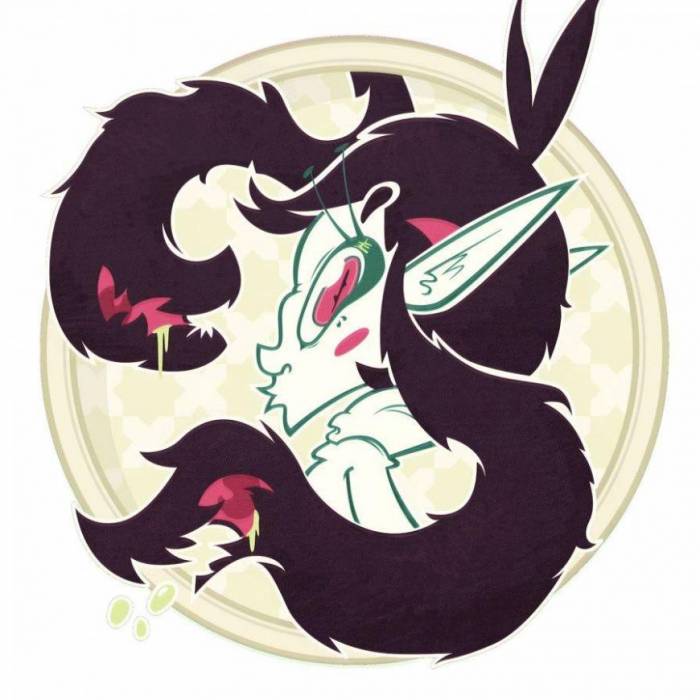
A Futakuchi-onna is a two mouthed woman. She appears normal, but has a second mouth full of sharp teeth on the back of her head. Her hair grabs food like tentacles and shoves it into the ravenous second mouth. They bring punishment to greedy men and women.
#10 Onryō
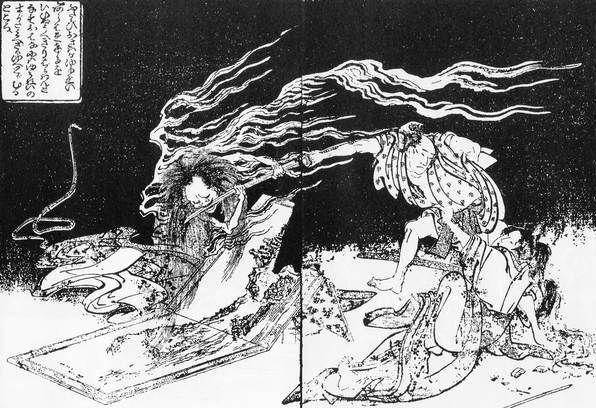
OnryÅÂ is a type of yurei - ghosts that appear as they were buried - that exists solely for the purpose of vengeance. The onryÅÂ, the most feared of all yurei, arise when people die with strong, violent feelings of anger, jealousy, and hate. Once birthed, these yokai seek out a specific victim(s) and torture that person (or those people). They are so strong they curse the very ground they pass over, and that curse spreads like a disease. The movie The Grudge (Ju-On) is based on an onryÅÂ named Kayakoha.
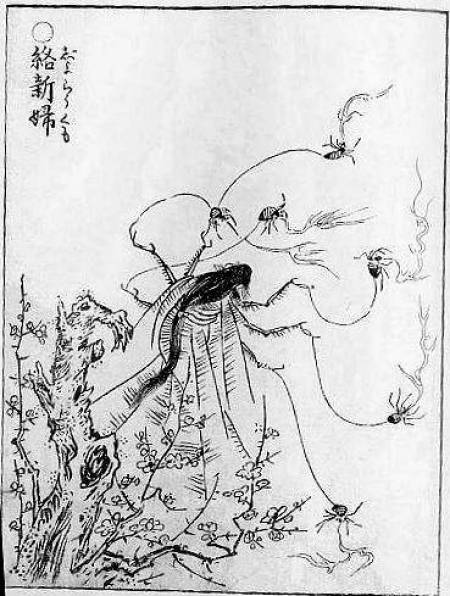
#11 Jorōgumo
The JorÅÂgumo is an entangling bride, also known as the whore spider. These yokai take the form of golden orb-weaver spiders, which live throughout Japan. When these spiders reach 400 years of age, they develop magical powers, and start feeding on humans instead of insects. To do so, the jorÅÂgumo assume the form of beautiful women, and lure young men to their doom.
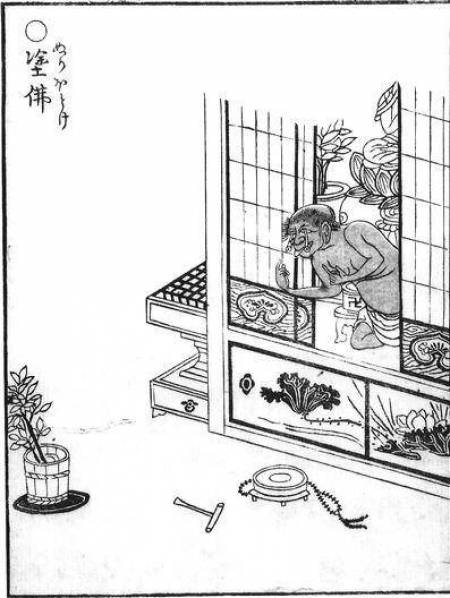
#12 Nuribotoke
Nuribotoke are zombie-like creatures that creep out of butsudan (home altars) left open at night. They are black, and their eyes dangle out of their sockets. They can be kept at bay with salt, but it is better just to make sure the butsudan is closed when its time to go to bed. Nuribotoke don't do much other than scare the crap out of families, but it's so easy to keep them at bay, it seems silly to suffer terror at their hands.
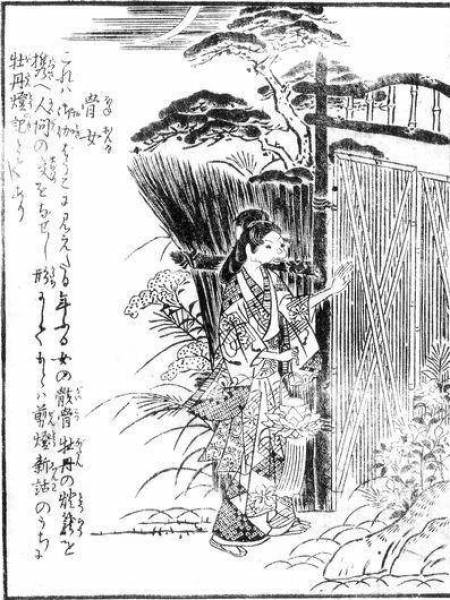
#13 Hone Onna
A Hone-onna, or "bone woman," appears as beautiful young women. Once arisen, the hone-onna returns to the love of her life, whose judgement is clouded by her beauty and love. She feeds off his life force until it's gone. Only those unclouded by feelings of romance or love, or the strictly religious, can see through the beauty of the hone-onna and behold her as what she really is - a skeletal woman with bits of rotting flesh clinging to her bones.
#14 Mokumokuren
When sliding paper doors (shÅÂji) get holes in them, mokumokuren show up. Mokumokuren are disembodied eyeballs that peer through these holes. They aren't particularly dangerous, but still super creepy. They can also indicate an infestation of a more dangerous yokai.
#15 Yamauba
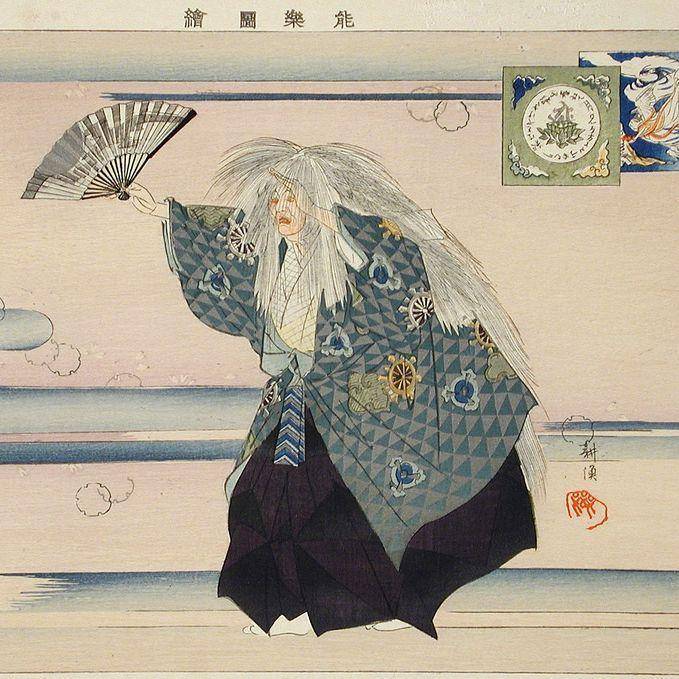
Yamauba are old hags living in the mountains and forests. They offer shelter to weary travelers, then eat their unsuspecting guests. Yamauba were initially human, but were corrupted over time, and turned into monsters. Most look like normal elderly women until they attack, at which point they turn into monstrous hags, sometimes with horns or fangs. They possess powerful magic, which aids them in killing and consuming guests.
#16 Nuppeppō
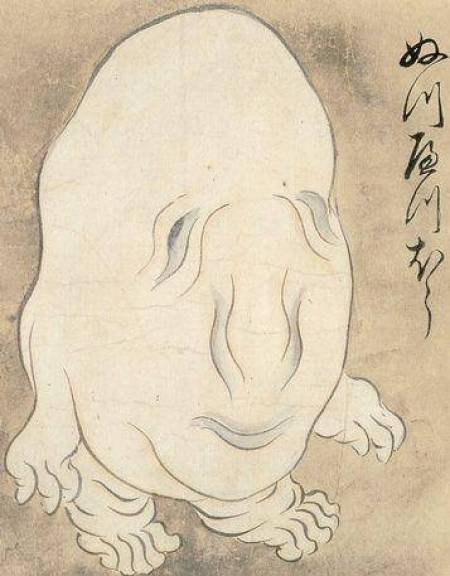
This yokai is pretty much a ball of decaying human flesh. The nuppeppo hangs around dilapidated temples, unkempt graveyards, and other ruined places, stinking of rot, a smell known to make passersby nauseous. They don't do much other than stink or look digusting, but they're extremely creepy none-the-less.
#17 Datsue-ba
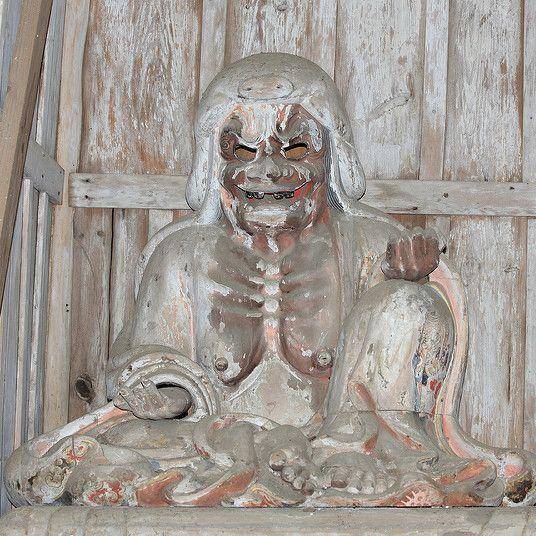
Datsue-ba is a demon that takes the form of an old hag, or, more specifically, the Old Hag of Hell. In Buddhist folklore, she rips the clothes off those entering the underworld. People who arrive without clothes have their skin ripped off instead.
#18 Jikininki
Jikininki are ghosts of the Zen tradition. Much like the western ghoul, jikininki seek out and feed upon corpses. They are reincarnated selfish people, and despise their cursed existence. A zen story about a wandering priest named Muso Kokushi tells the tale of his encounter with a jikininki.
#19 Kyōkotsu
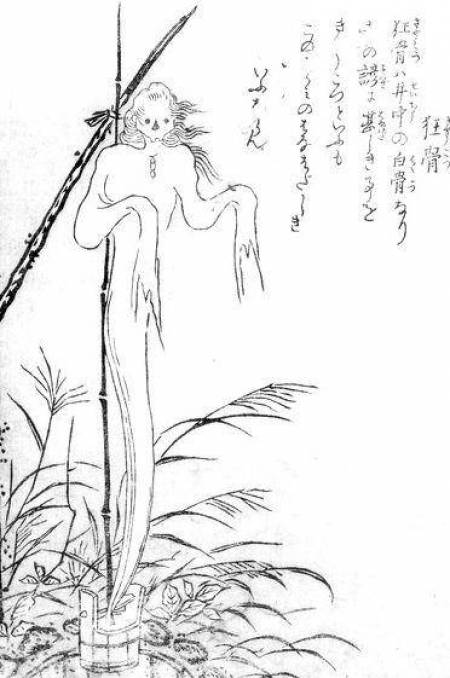
KyÅÂkotsu is a yokai found in wells. When travelers approach the well, the kyÅÂkotsu pops out and curses them. These ghostly spirits form when a body is thrown down a well, rather than properly disposed, or when someone dies accidentally or commits suicide by falling down a well. Sadako from The Ring (Ringu) is a famous example of a KyÅÂkotsu. They are pretty much just out for vengeance.