The Faces Of These Mexican Mummies Will Terrify You If Look At Them For Too Long
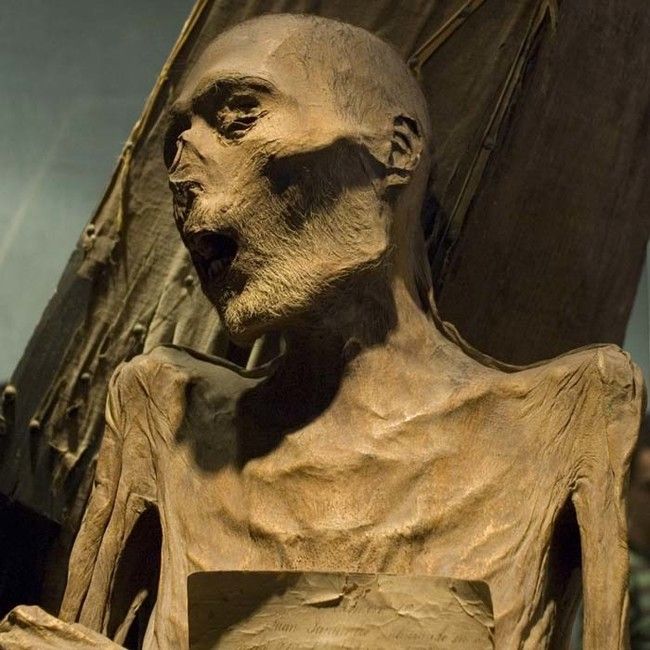
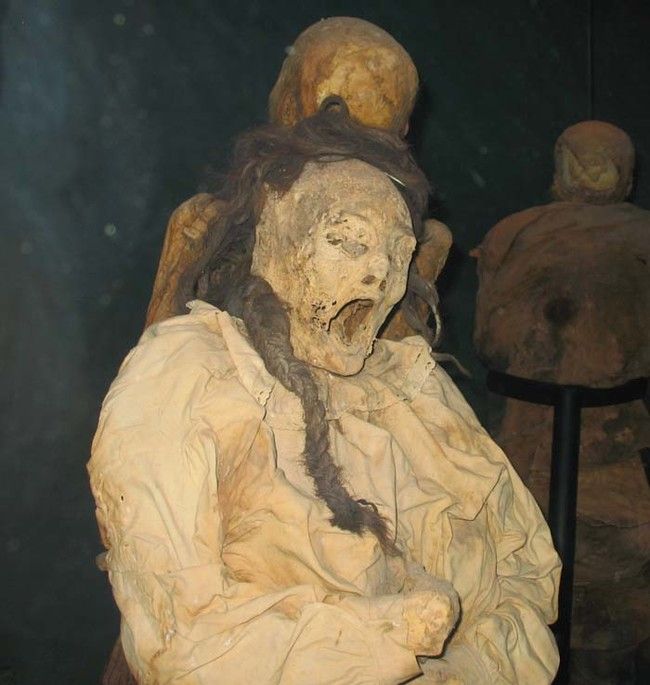
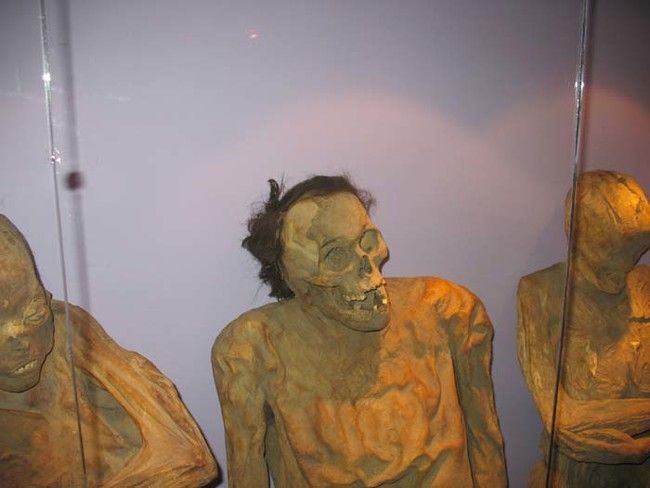
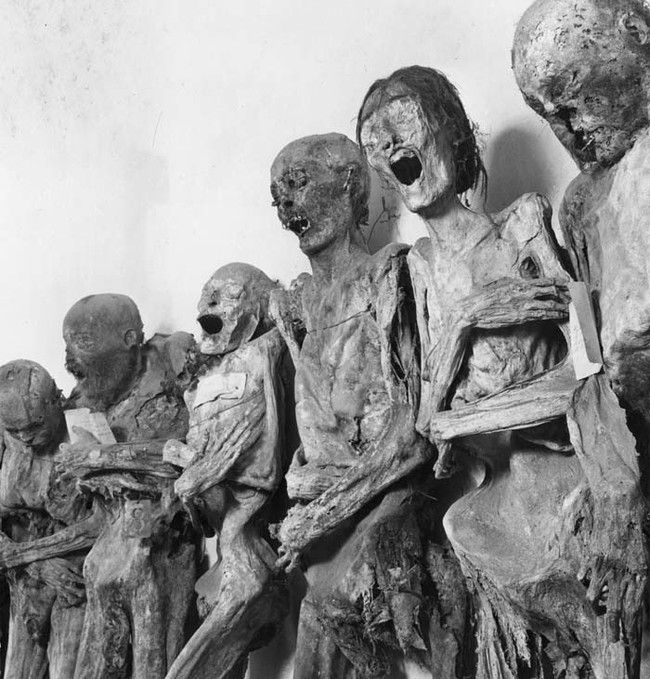
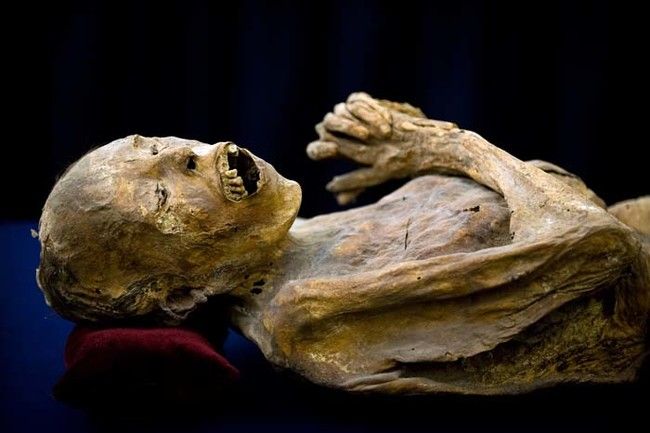
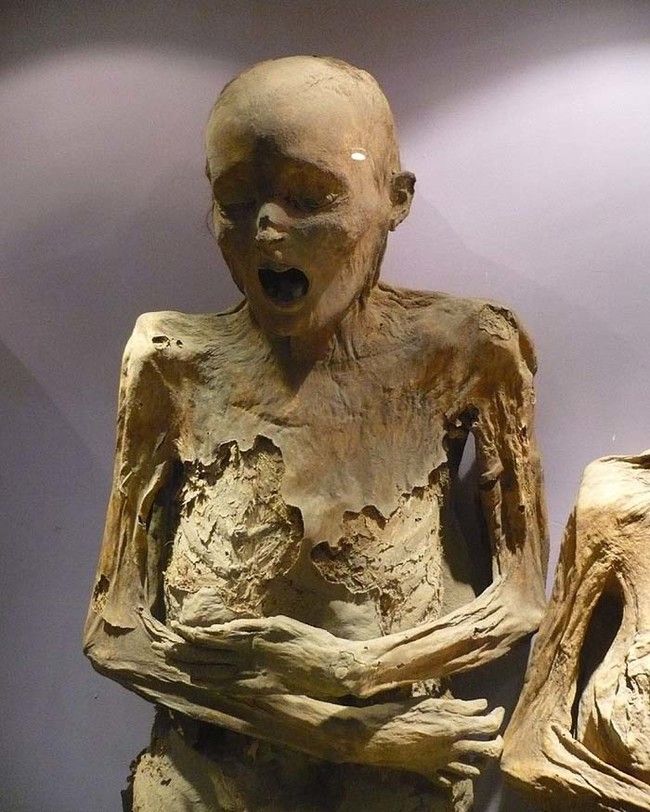
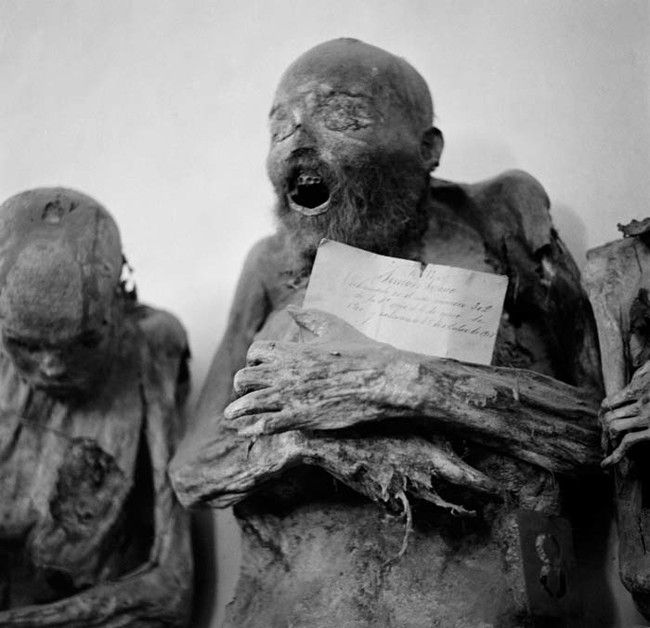
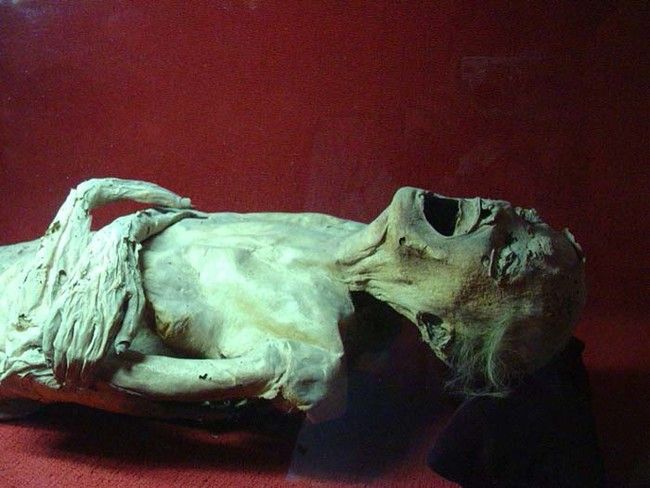
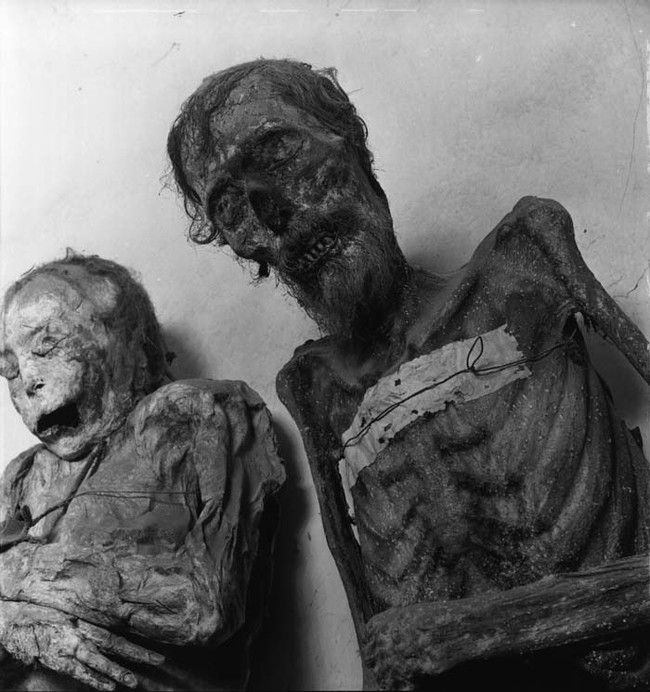
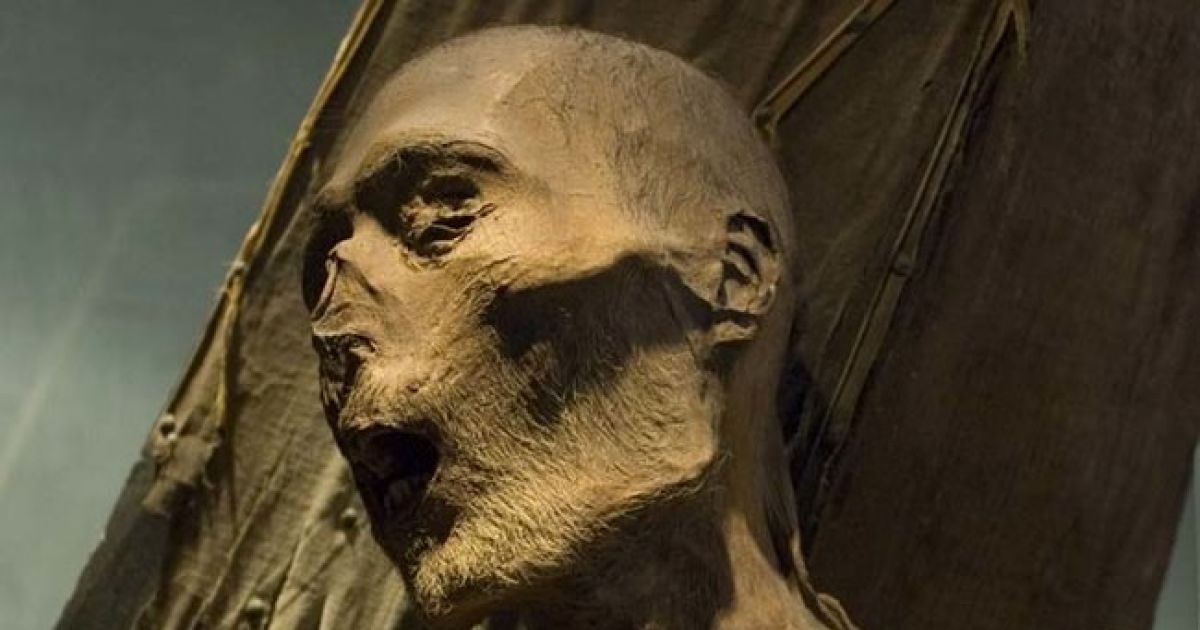
Science fiction writer Ray Bradbury was visiting Mexico back in the '80s when he decided to pay a visit to the catacombs of Guanajuato with his friend Grant Beach. The pair browsed the impressive collection of preserved mummies. Most of these people died in the early 1800s during a cholera outbreak. The majority of the mummies wear horrific expressions of pain and suffering to this day.
Bradbury later wrote that the experience of seeing these mummies left him deeply troubled: "The experience so wounded and terrified me, I could hardly wait to flee Mexico. I had nightmares about dying and having to remain in the halls of the dead with those propped and wired bodies."
#1 I can certainly understand why Bradbury felt that way.
#2 The cholera outbreak began in 1833. Because of the scale of the outbreak, officials worked tirelessly to create new cemeteries.
#3 The dead were buried as quickly as possible to avoid spreading the disease. At least one person was accidentally buried alive.
#4 Between 1865 and 1958, the local government imposed a tax on those who had loved ones buried in these cemeteries. If the tax wasn't paid on time, government workers dug up the bodies.
#6 Of those disinterred, a small percentage had naturally mummified underground. Workers stored these bodies in a nearby warehouse. Tourists eventually began visiting the site.
#7 Workers took advantage of the situation and began charging them to see the mummies. This building eventually turned into El Museo De Las Momias (The Mummy Museum).
#8 While most people believe these mummies' expressions came as the result of screaming deaths, that's not necessarily the case.
#9 The grim faces likely came about after the people died.
That is highly disturbing. I really hope that my body doesn't naturally mummify when I die. I don't think I'd enjoy having my corpse on display forever.