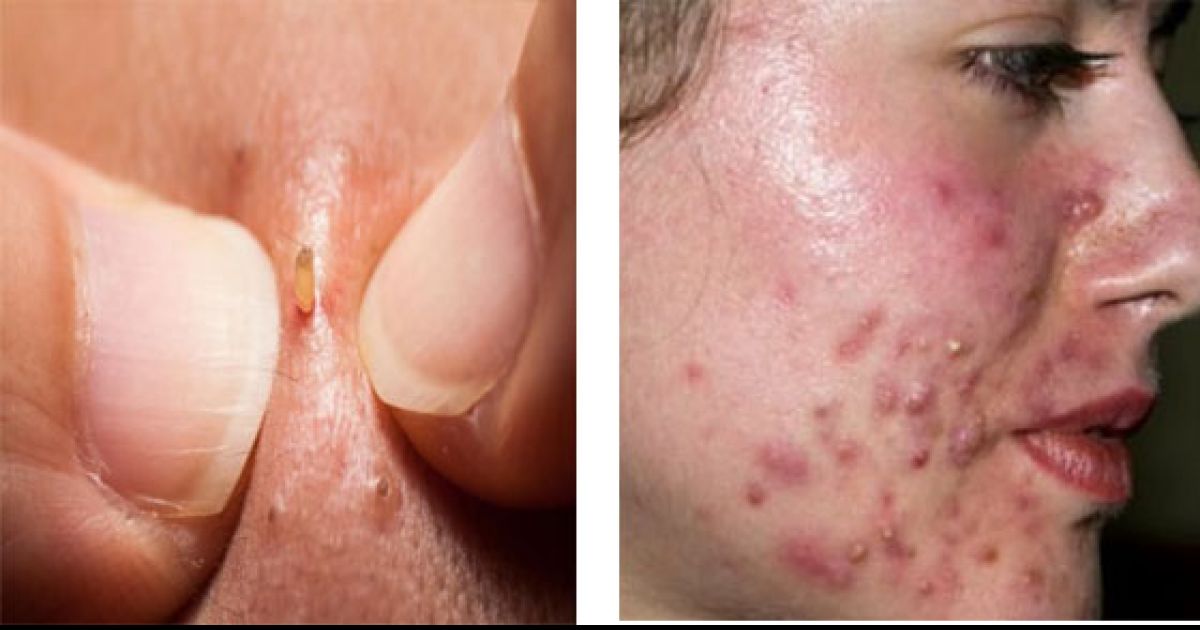
Ten years ago, the term “popping” was nothing more than a harmless verb which referred to making a soft explosive sound. Today, innocently typing “popping” into YouTube will lead to a plethora of videos featuring various extractions of pus and bodily fluids from large blackheads, pimples, and of course, cysts. Popping has truly become a cultural phenomenon with millions of fans worldwide. A big reason, however, for the strange popularity of watching other people pop pimples may be rooted in the innate feelings videos elicit.
The Science Behind Why Videos Of Popping Pimples, Cysts, And Blackheads Are So Popular Right Now
By
Muk Khatri in
Bizarre
On 17th January 2016
advertisement
#1
Ten years ago, the term "popping" was nothing more than a harmless verb which referred to making a soft explosive sound. Today, innocently typing "popping" into YouTube will lead to a plethora of videos featuring various extractions of pus and bodily fluids from large blackheads, pimples, and of course, cysts. Popping has truly become a cultural phenomenon with millions of fans worldwide. A big reason, however, for the strange popularity of watching other people pop pimples may be rooted in the innate feelings videos elicit.
#2
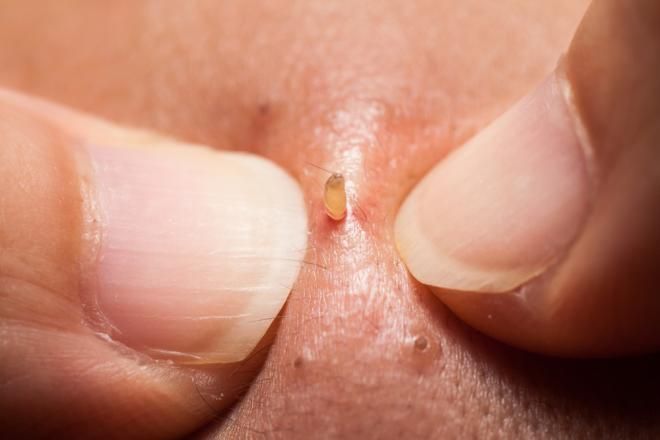
Another reason for the obsession with pimple-popping videos has more to do with the thrill of the footage rather than the disgust factor. The Guardian reported that, according to many "popping" fans, the videos give them a sort of rush without the fear of danger, sort of like riding a roller coaster. Nina Strohminger, author of The Hedonics of Disgust, explained the psychology of this feeling to Cosmopolitan.

advertisement
#3
For others, it's not that the footage is gross and exciting, but rather that it's strangely soothing. According to Dr. Sandra Lee, a somewhat-celebrity in the world of popping whose YouTube page has nearly 144,000 followers, many of her fans find watching videos of her extract pimples and cysts quite soothing. Some even watch the videos to help them fall asleep at night. The combination of Lee's soothing voice along with the satisfaction of relieving pressure creates a physical sensation of pleasure in some viewers.
Lee explained that many of her watchers report an autonomous sensory meridian response (ASMR), which is a pleasurable tingling sensation experienced by some in response to certain sights, sounds, and smells or put more bluntly, an "orgasm of the brain." Other experiences that may bring about such a sensation are soft whispering, the sound of light tapping, or the brushing of hair, The Washington Post reported.