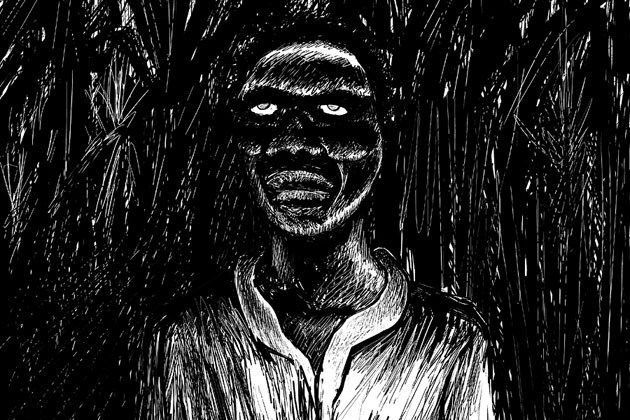
Brains. Brains. Put this trivia in your brains. In contemporary America, especially as Halloween quickly approaches, there's no escaping this monster.
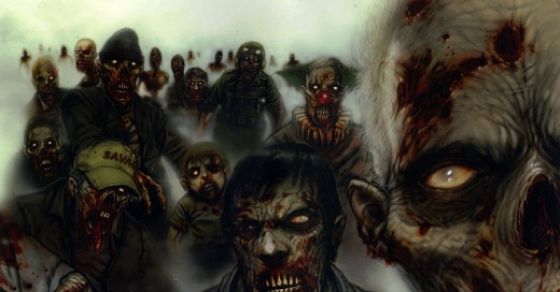
Things You Didn't Know About Zombie Movies
By
Editorial Staff in
Geeks and Gaming
On 21st September 2015
advertisement
#1 The Beginning....
The word "zombie" first made its way into The Oxford English Dictionary in 1819, but as Russell explains in "Book of the Dead," the first full introduction of "zombies" into the English-speaking world was an 1889 article in a Harper's Magazine called "The Country of the Comers-Back" by a journalist named Lafcadio Hearn. While learning the local customs of the Caribbean, Hearn came across a legend of "corps cadavres" which means "walking dead." Unfortunately, Hearn was unable to figure out exactly what these zombies were, a mystery that would eventually be solved by an American author named William Seabrook.
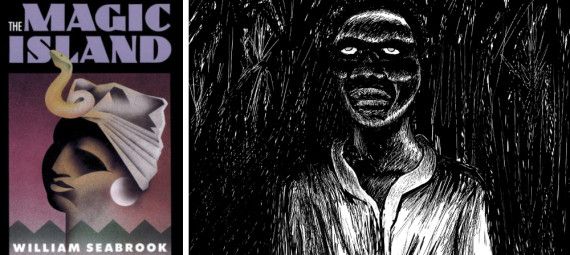
#2 The idea of zombies comes from Haitian voodoo and were popularized by a book called "The Magic Island."
"The Magic Island" was written by Seabrook and was released in 1929. Seabrook discovered that the fear of "zombies" was tied to the practices of voodoo where it is possible for their idea of a soul to be removed and replaced by a god or sorcerer. As voodoo was deeply connected with the forced work and slavery of the people of the Caribbean, the main fear was that it'd be possible, even after death, for a sorcerer to reanimate your corpse to be an obedient drone, capable of continuing to work in the fields. Richer Haitian families would bury their dead in more secure tombs to eliminate the risk of the bodies being stolen and reanimated. They were not afraid of a zombie attack, they were afraid of becoming a zombie.
advertisement
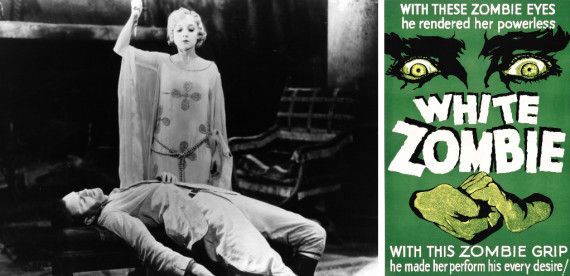
#3 Zombie culture began taking off in the U.S. in the early 20th century, particularly with the film "White Zombie."
"White Zombie" was released in 1932 and was directed by Victor Halperin. Bela Lugosi, who famously played Dracula the year before in 1931, starred as an evil voodoo master who takes over the body of a young woman.
"It was an independent movie, but 'White Zombie' was pretty huge ... 'White Zombie' is really interesting because she's a white zombie, a white woman whose kind of zombified. And she's not actually dead. And it's more a kind of hypnotized state."
In the 1936 sequel, "Revolt of the Zombies," the monster narrative began to adapt into something contemporary audiences are more familiar with.
#4 The next few decades brought dozens of mostly forgettable and cheaply made movies. Then George A. Romero's 1968 classic, "Night of the Living Dead," changed everything.
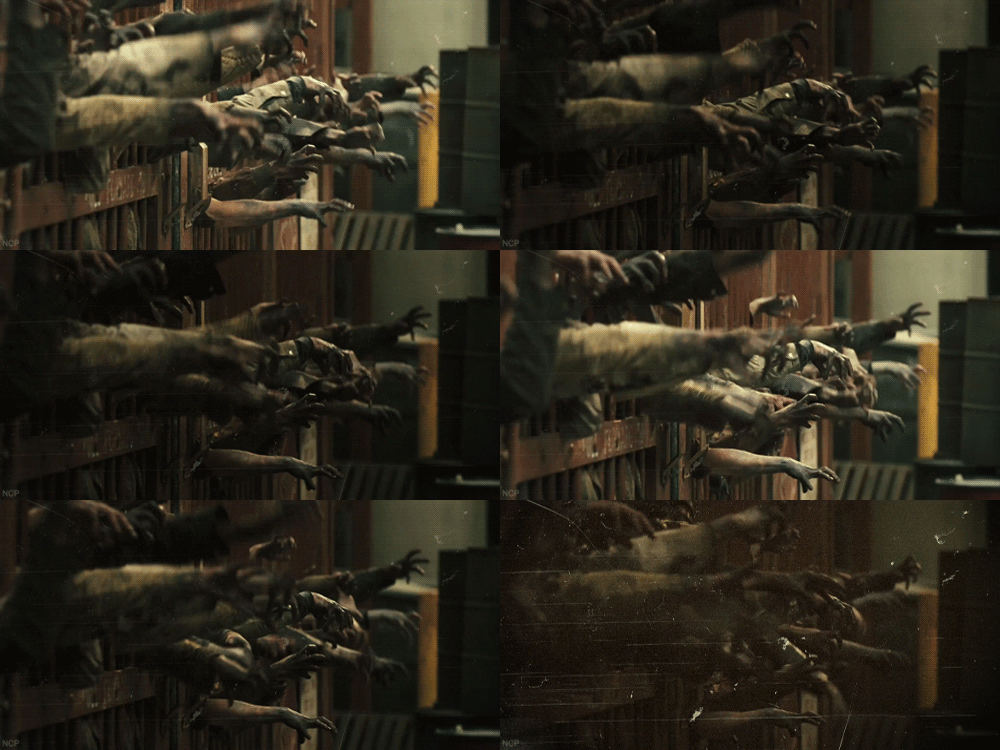
The reason why zombies appealed was because you could take actors and slap a bit of makeup on them and all they need to do is stretch their arms out and everybody will believe that they're a zombie. They might not be the most convincing zombies ever, but in terms of the mechanics of the genre, that's all that's really needed. Doesn't require any special effects. Say if you're going to make a werewolf movie, you'd need the transformation of someone turning into a werewolf. With zombies, you don't need to do that. Put some flour on their faces and make them stretch their arms out and lumber around a bit."
Casting a zombie movie was also easier than the other monster movies.
advertisement
#5 Zombies can be very cheap to create in movies and therefore there's a long history of terrible zombie movies being made. This affects the quality control of the genre.
Creating a passable "zombie" monster wasn't too expensive as it's fairly easy to convey the idea that someone is a zombie. Low production cost studios would just churn these movies out. As Russell elaborated, "The movies that came out of the Poverty Row studios at that time, 'Voodoo Man' and stuff like that, these were all very cheap things." Compared to other monster movies, zombie movies were relatively easy to make. Some studios even hired homeless wino's to play zombies.
advertisement
#6 There's no strong literary history for the genre and therefore the idea of what a zombie is very malleable and can change to reflect the fears of the time.
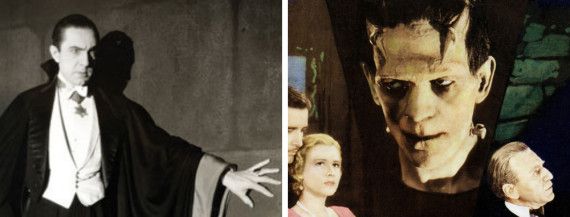
Unlike "Dracula" and "Frankenstein," there isn't a clear source material for the zombie genre. Seabrook's work isn't recognized the same way the great monster fiction writers are and simply doesn't hold the same influence.
advertisement
#7 Ebert's Take on Zombies...
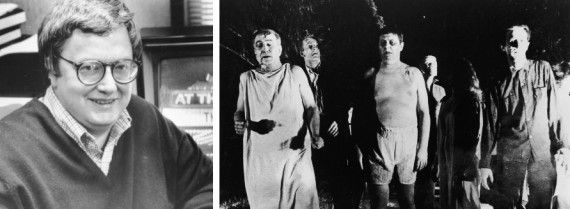
Due to the always changing idea of what a zombie is, Roger Ebert once witnessed a ton of very young children being dropped off to see "A Night of the Living Dead" by unknowing parents. Needless to say, the kids were terrified.
For decades creature movies like "Creature from the Black Lagoon" or "Attack of the Crab Monsters" dominated horror cinema which led to a bit of confusion when the zombie changed so radically in 1968, with Romero's "Night of the Living Dead."
advertisement
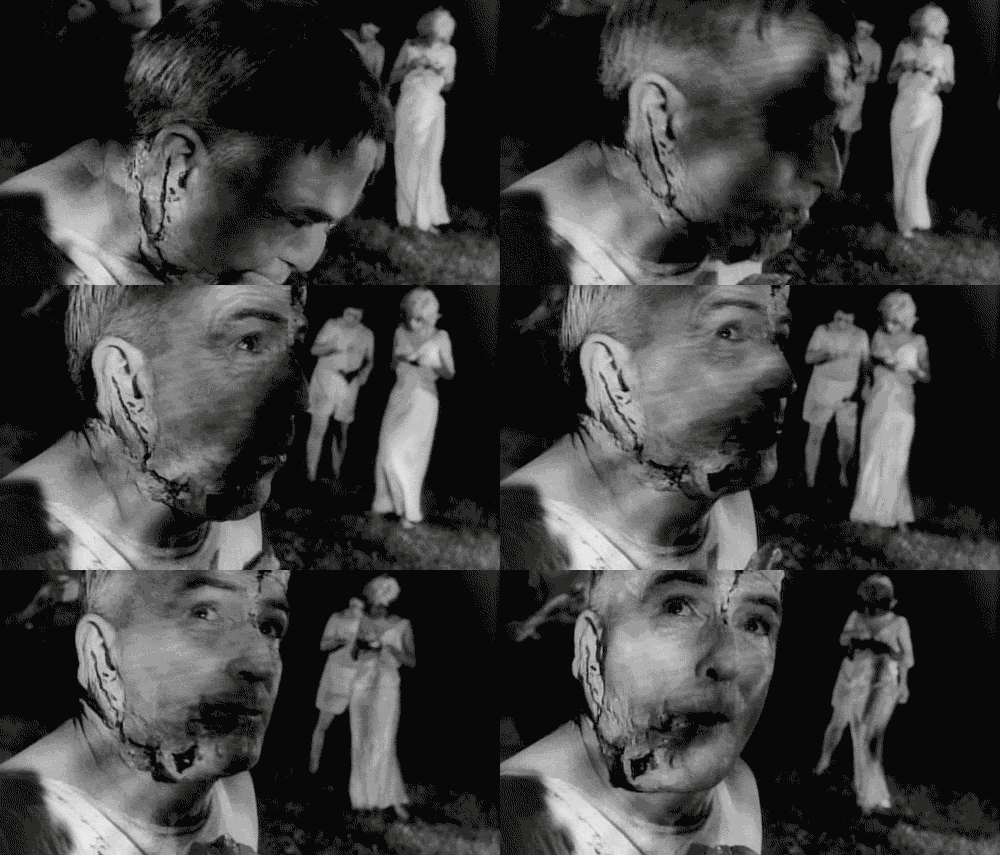
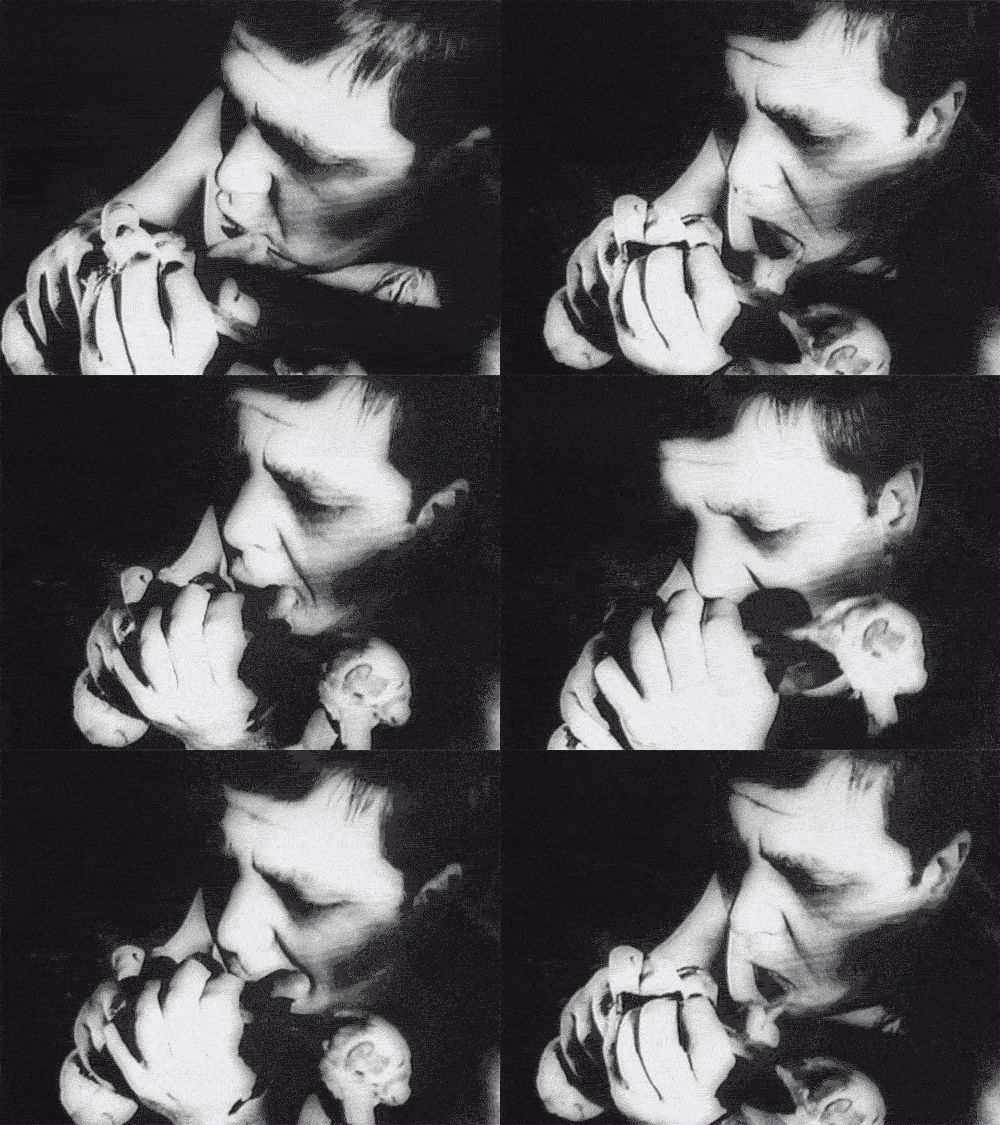
#8 In "Night of the Living Dead," the zombie extras ate actual animal entrails to make it look more real.
When talking about random zombie trivia, Russell told of how Romero decided to go to a butcher and get real entrails for his zombie extras to eat.
"What I always loved about the Romero movies and in particular "Night of the Living Dead," what always amused me, was that the extras were so keen to be in a movie, they were willing to eat real entrails from the butcher shop. They shipped in this real stuff. The scene that Romero always refers to is the 'Last Supper,' where the young good-looking kids get barbecued in their truck as they're trying to escape from their farmhouse ... Not only do they get eaten, but Romero spends about five minutes of these zombie extras kind of munching down on these animal entrails.
advertisement
#9 Classic zombie director Lucio Fulci would use homeless winos as zombies.
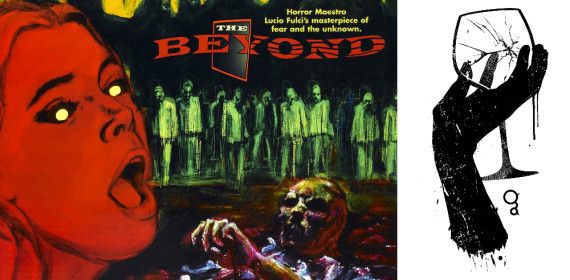
Continuing the zombie trivia conversation, Russell mentioned that the legendary Lucio Fulci would use the homeless as his extras while directing "The Beyond" and "Zombi 2." As mentioned earlier, zombies films are known for their frugality and Fulci's films were no exceptions. "Cheap to employ and I guess they had the zombie stagger perfected!" Russell said.
advertisement
#10 The copies and remakes continue...
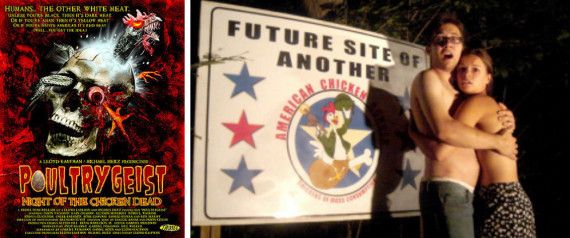
There's a movie called "Poultrygeist: Night of the Chicken Dead" that takes place in a sort of KFC built above a Native American battle ground.
This movie came out in 2006 and according to the movie's website, Stephen King called it "hilarious."
There were also films with titles like "Babies of the Living Dead," and "Suck Your Brains Out." None ever lived up to the original Night Of The Living Dead, which spawned 2 sequels and 3 remakes/revisions.
advertisement
#11 They Keep Coming
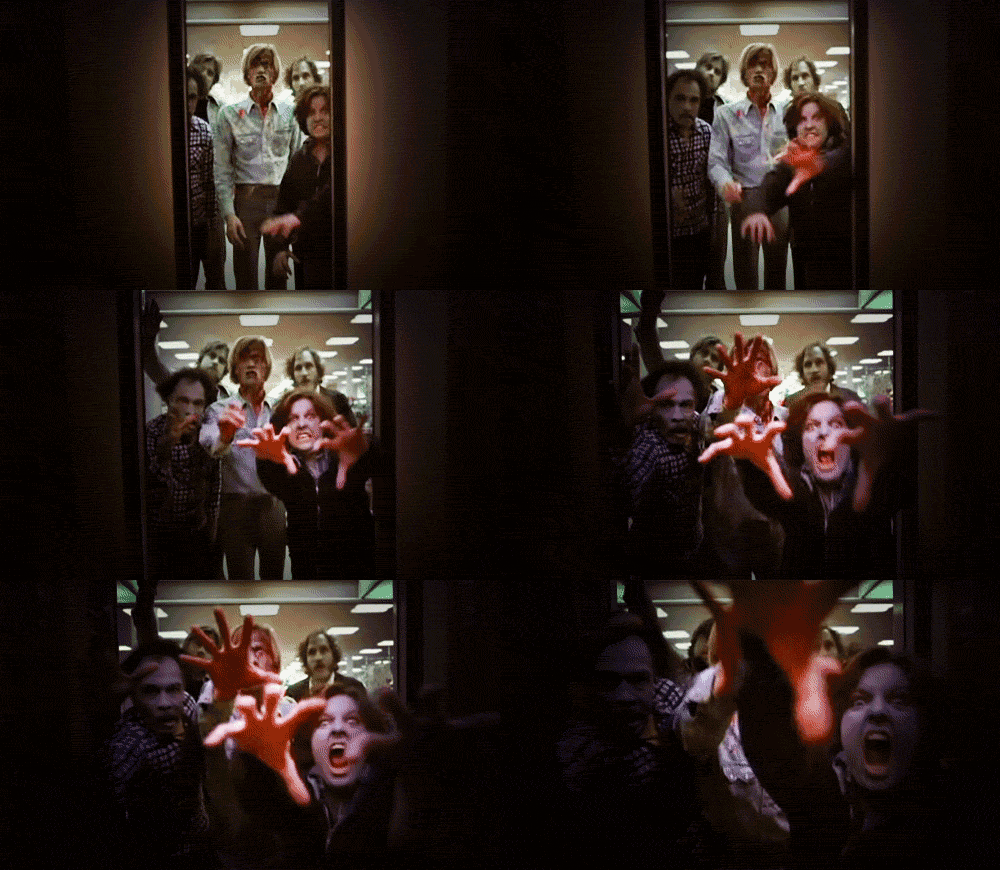
One of Romero's sequels, "Dawn of the Living Dead" grossed more than the original movie did, raking in over 80 million dollars at the time. It has since been remade.
advertisement
#12 More Brains!!
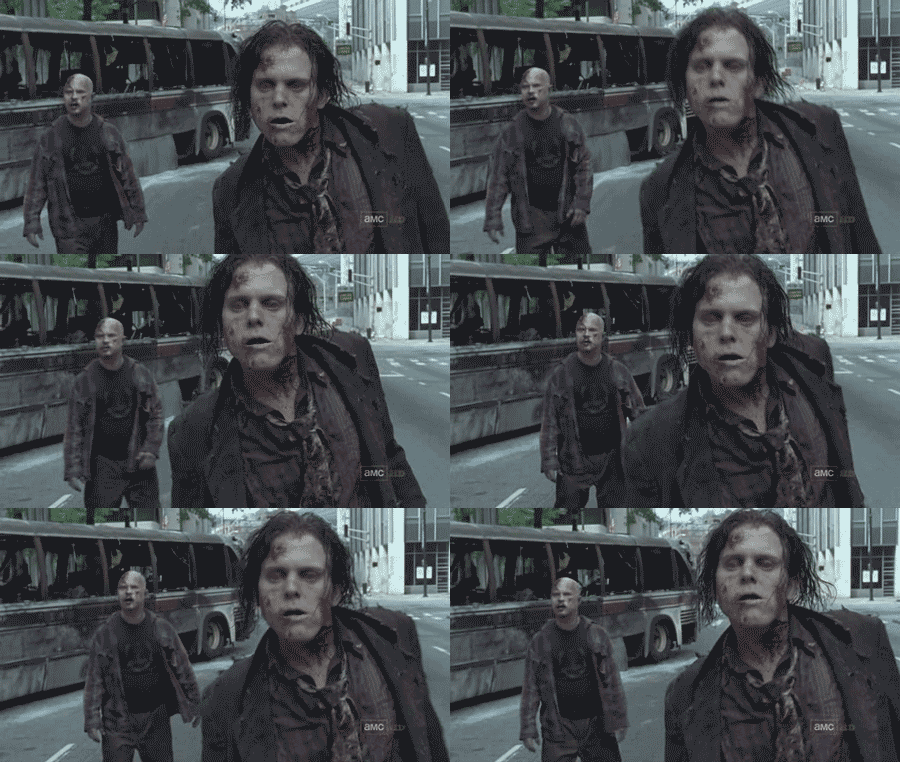
The seems to be no end to the Zombie craze now. Since it first hit with NOTLD, there has been a deluge of zombie films, TV shows, and series. The most popular being AMC's "The Walking Dead," and the new series "iZombie."
#13 The CDC has a site devoted to preparing for the zombie apocalypse
We may never see the day when the recently deceased have risen from their graves to feast on the living, but the Centers for Disease Control would rather be safe than sorry. One section of their emergency preparedness site is dedicated to preparing for a zombie disaster and lists several suggestions for how to prepare for the undead apocalypse. It urges residents to keep an emergency kit in their homes, map out an emergency plan with family members and plan an evacuation route. It's meant to be tongue-in-cheek as a viral method of increasing public safety awareness, but the CDC assures us that "If zombies did start roaming the streets, CDC would conduct an investigation much like any other disease outbreak."
advertisement
#14 Australia is the safest country for zombie attacks
If you've got a lot of frequent flyer miles, you might want to save them up for when the zombies decide it's time to take over the world because Australia might offer your best chance of survival. The staff of LiveScience conducted a global survey of the best "Safe Zones" in case of a zombie outbreak and Australia topped the list. Canada, the United States, Russia and Kazakhstan rounded up the top five. The countries were graded according to their global location, topography, weapon access, population and "military preparedness." Though if movies have taught us anything, the military guys in tanks are always the first to go.

#15 Zombies actually exist
With all the books, films, and Television shows giving us their versions of zombies. Do they really exist?
As Seabrook established in his book, zombies are very real. Anthropologist Wade Davis led a legendary expedition into Haiti as part of his doctoral dissertation to discover the secret recipe to create zombies, an expedition so dangerous that one of his reviewers remarked, "Davis must be told he will be killed if he tries to do this work." He theorized that tetrodotoxin was the main ingredient in the potion for the zombification process and eventually obtained the full recipe and the settings required for zombification to occur. His discoveries were published in two books, 'Passage of Darkness' and 'The Serpent and the Rainbow,' the latter of which was turned into a Wes Craven film starring Bill Pullman.