#5 Although their earnings put them in the top income bracket - the average annual wage in Britain is just £26,500 - they have saved a miserly £1,500
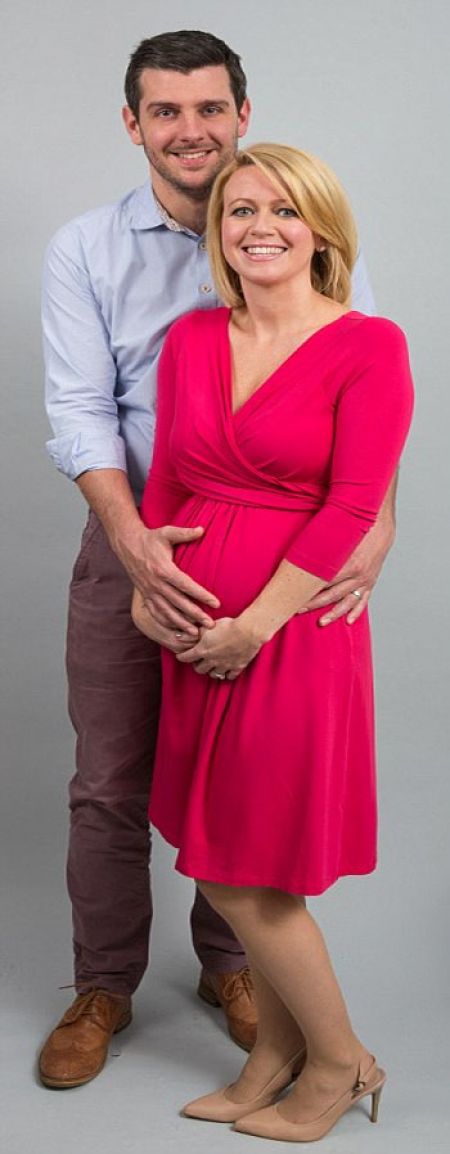
And although I know we should buy a modest buggy, I would feel embarrassed to push a budget pushchair round the affluent streets of Tunbridge Wells where we live. So we've gone for the latest top-of-the-range model, costing £850. Thankfully, our generous parents have offered to chip in and help.
My refusal to rein in my spending has caused simmering tensions between Ben and me.
This week, I splashed out £70 on a private scan because I coveted some more photos of our unborn. Ben thought it was an extravagance, and he was probably right.But I reminded him the £175-a-month he spends on his golf membership and health club could be whittled down. He argues that he works hard so these self-indulgences are no less than he deserves.
So it is that habits have become engrained. We would no more wish to abandon our monthly massages than we would patronise the local Harvester instead of a fashionable restaurant.
I expect condemnation for saying all this, to be accused of being frivolous and ungrateful. But I firmly believe that many will secretly share my view.
When I look back to my childhood, it is hard to pinpoint when my taste for the high life began. I grew up in Biggin Hill with my younger brother, who's now 24, and our parents.
Dad, an engineer, and Mum, a primary school teacher, were never profligate or flash. They saved their money, and helped pay for my accommodation at university, and bailed me out many times.When I started working, my spending escalated proportionately; my taste for the finer things in life became engrained.
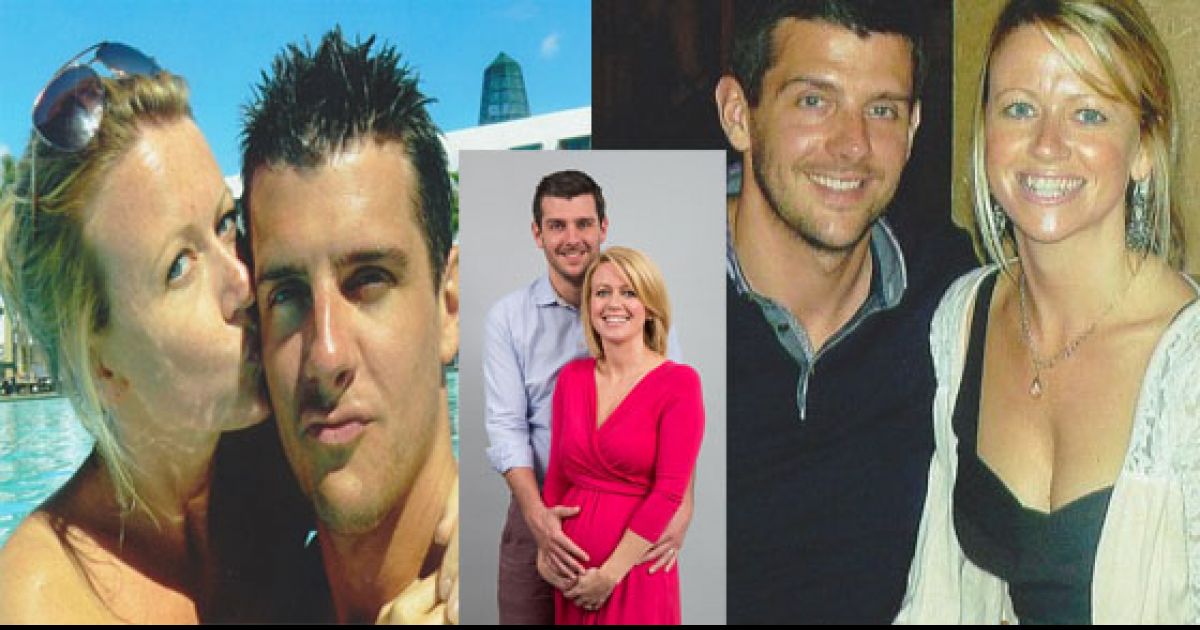
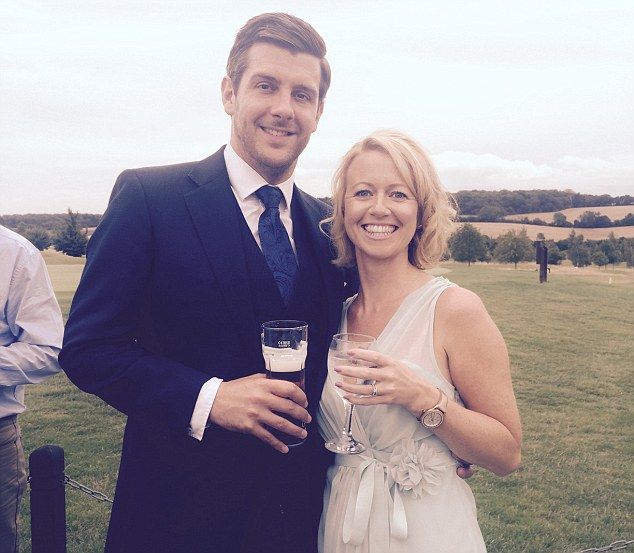
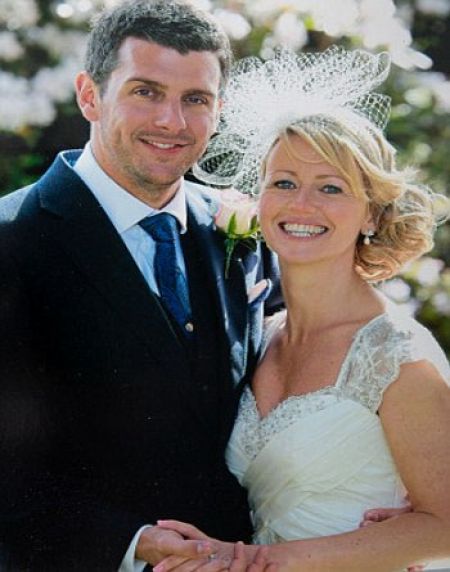
I met Ben, through a mutual friend, in April 2011. He shared a 'work hard, play hard' ethos. Our wedding in April 2014 in the picture-postcard Sussex village of Frant, followed by a reception at Wadhurst Castle, was glorious. The day cost £25,000 and, once again, our parents chipped in.
While some brides congratulate themselves on making petty savings - a few pounds on table settings; a dress bought in the sales - I felt compelled to spend as much as I could afford, and more. Many would argue that my £2,500 dress was a needless indulgence. But I felt I would be short-changing myself if I'd spent less.
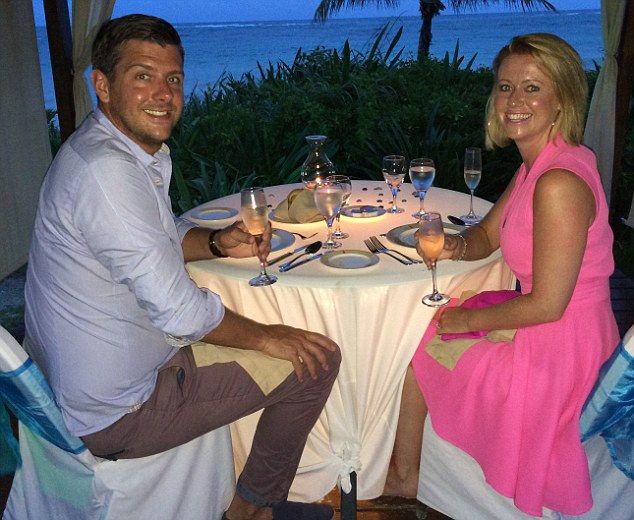
Our honeymoon on Italy's Amalfi Coast set us back another £5,000, but I do not regret it. The memories will stay with us always. We knew we should be saving money, but somehow we were caught up in a cycle of hedonism.
Yet even now I ask: would I feel better if I had saved? Would I be basking in a glow of self-righteousness if I'd spent countless dreary nights in watching telly, nursing a glass of cheap plonk? Would I now be congratulating myself on my parsimony and prudence?
The truth is, I do not rue a moment of my reckless spending.
And neither did I think about economy when, last year, we considered the home in which we wanted to raise our first child. I knew, again, I would not compromise and set my heart on a pretty three-bedroom Victorian terrace house in Tunbridge Wells. We took out a £15,000 loan so I can revel in the oak floors, granite worktop and bi-folding doors I'd seen in upmarket magazines.