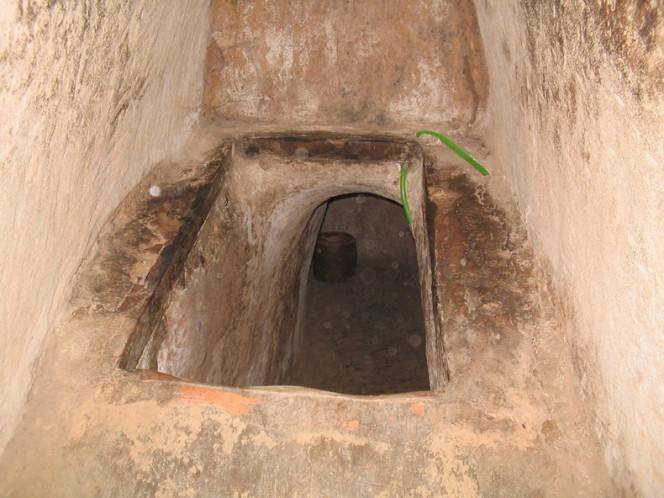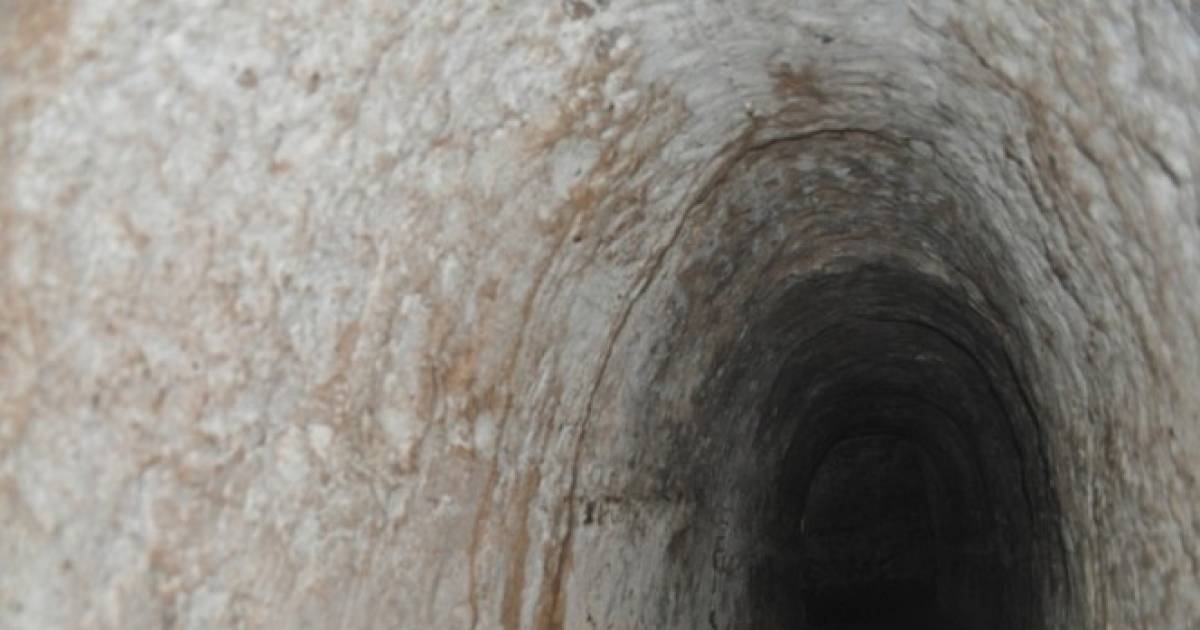
This Entrance Leads To A Secret Tunnel, And What’s Inside Is Worse Than You Even Imagine.
By
Suzanne in
Bizarre
On 6th June 2016
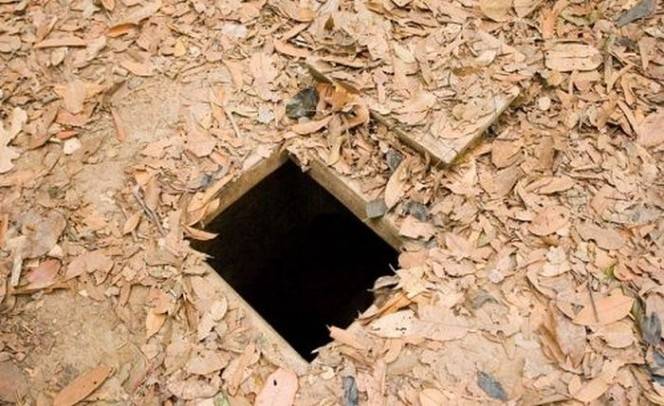
Deep beneath the Chú Chi district of Vietnam’s Ho Chi Minh City is a network of tunnels. Built entirely by hand in the ’40s, these tunnels once held a secret so dark and deadly that few people have gone in since they were abandoned.
Thanks to a recent excursion, we’re now finally getting a closer look at these deep, winding structures. But when you learn the truth behind what really went on in these tunnels, it will give you chills.
#1
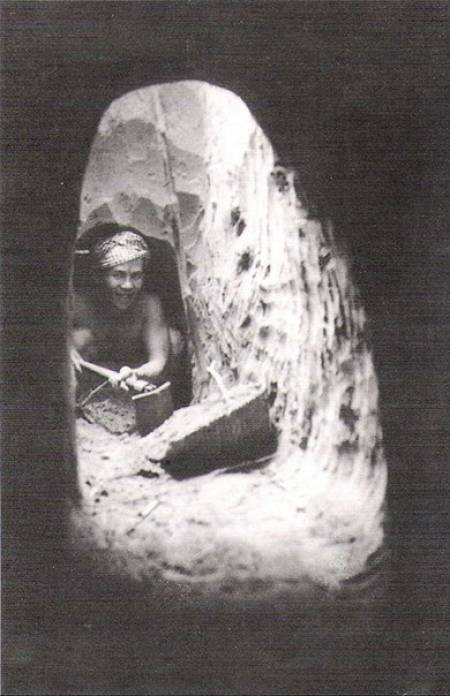
The tunnel network was first constructed during the '40s, when the Vietnamese began their war with colonial France.
#2
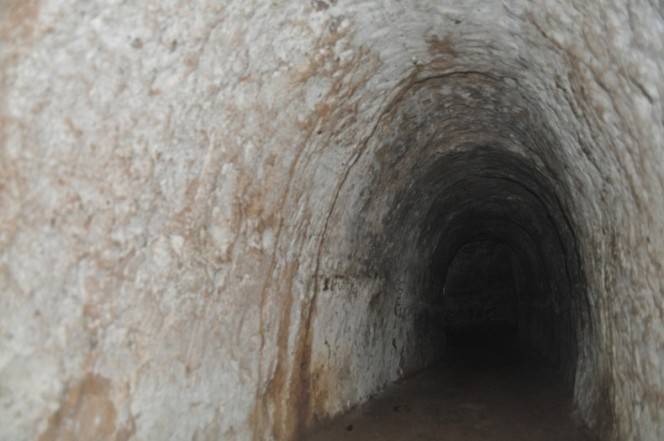
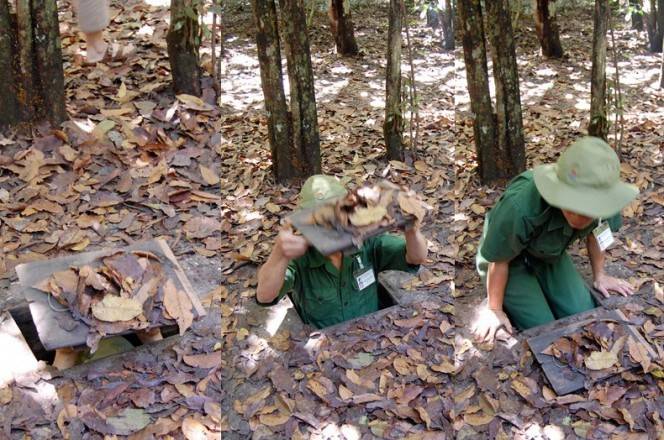
They were designed to be difficult for enemy forces to both locate and navigate.
#3
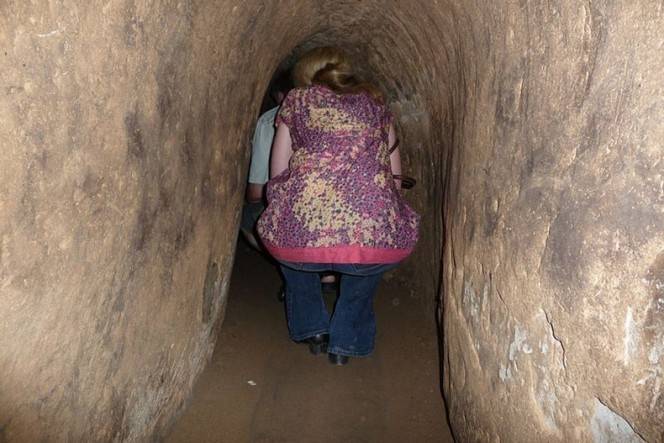
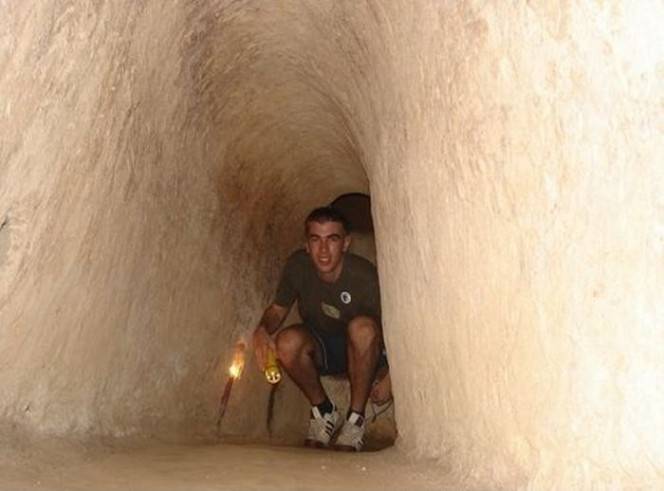
The tunnels were so narrow that you couldn't truly turn around or retreat once inside.
#4
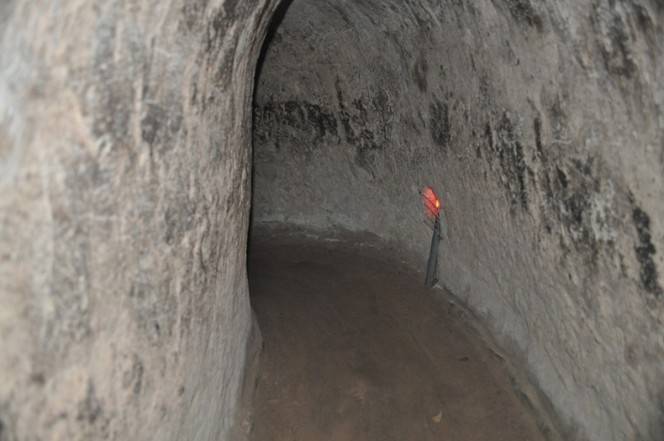
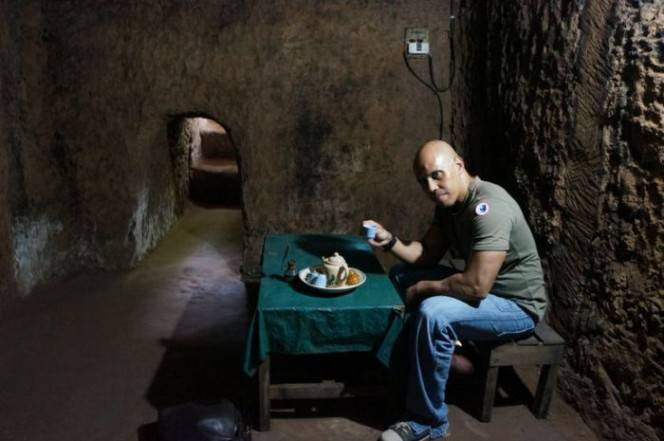
Lights have been added in recent times, and some of the tunnels have been slightly widened to allow in tourists.
#5
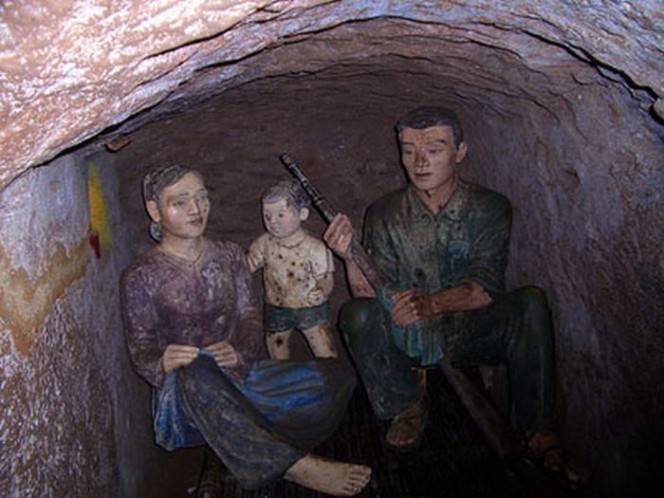
These tunnels weren't just for getting around. They had room for everything, including families.
#6
Well, perhaps "room" isn't the best term.
#7
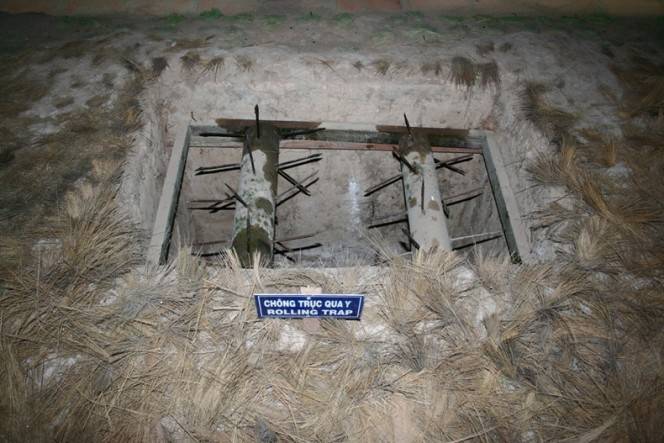
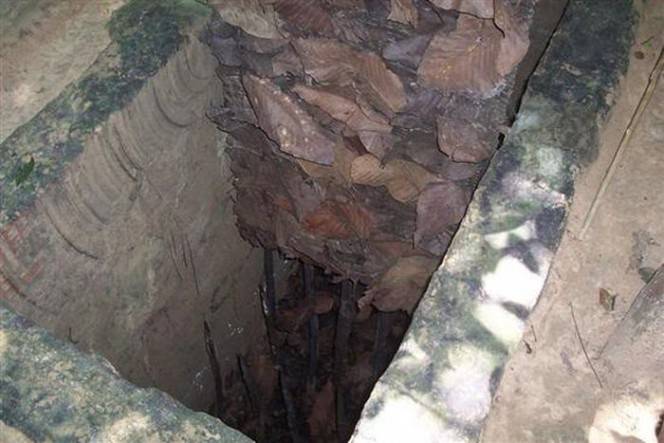
They were also infamous for being decked out with booby traps.
#9
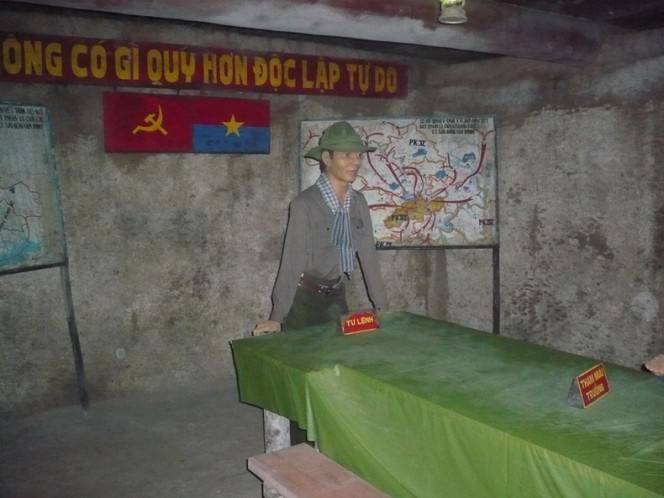
The tunnels are now intended to show what life inside of them would have been like.
#10
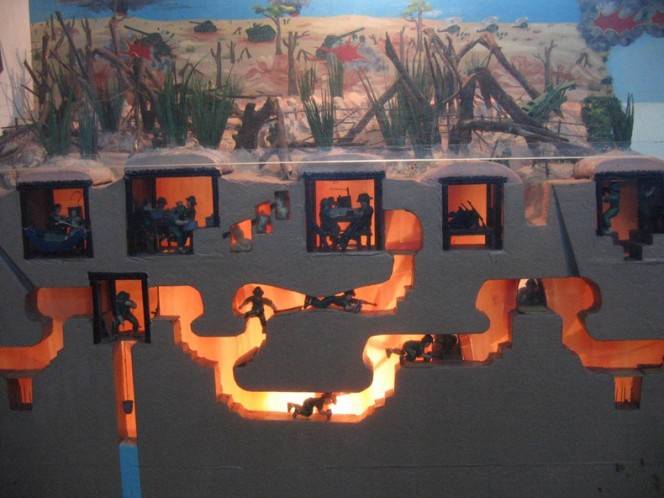
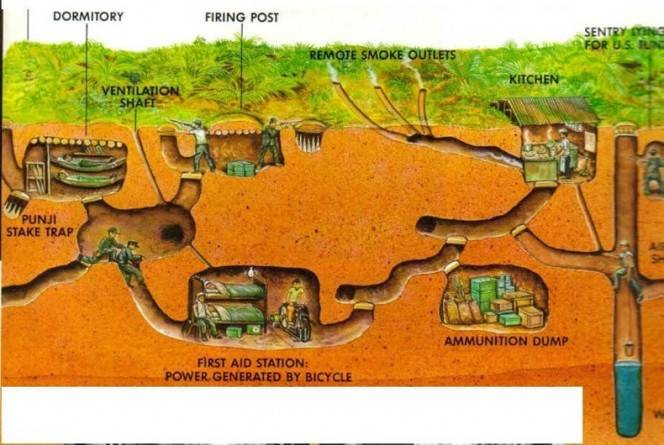
Here is a diagram of one of the tunnels.
#11
Life in the tunnels even featured sewing stations to repair uniforms.
#12
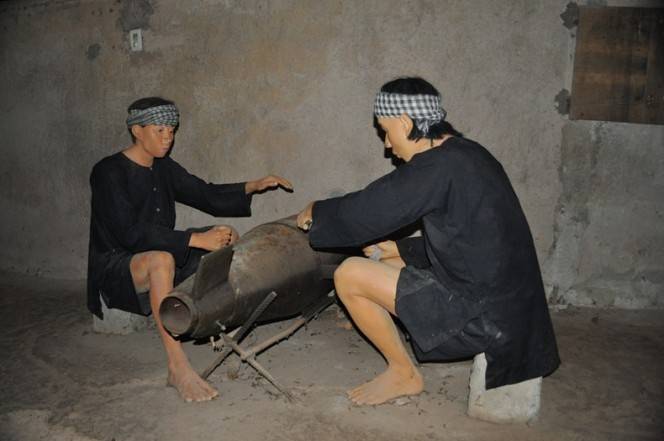
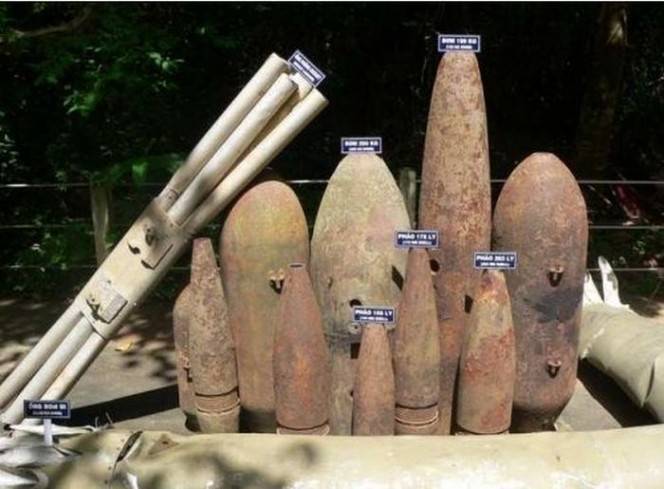
Munitions of all sorts were housed inside.
#13
The tunnels were often hidden right under the feet of enemy soldiers.
#14
But since the tunnels were so cramped and hot, disease was common. Malaria was the second leading cause of death for Vietnamese soldiers.
#15
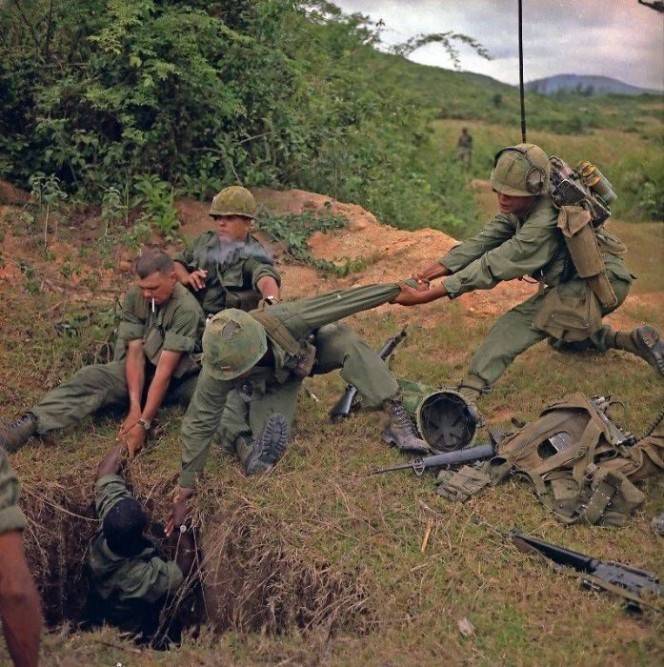
American soldiers were often sent into a discovered tunnel armed with only a knife and a flashlight.
#16
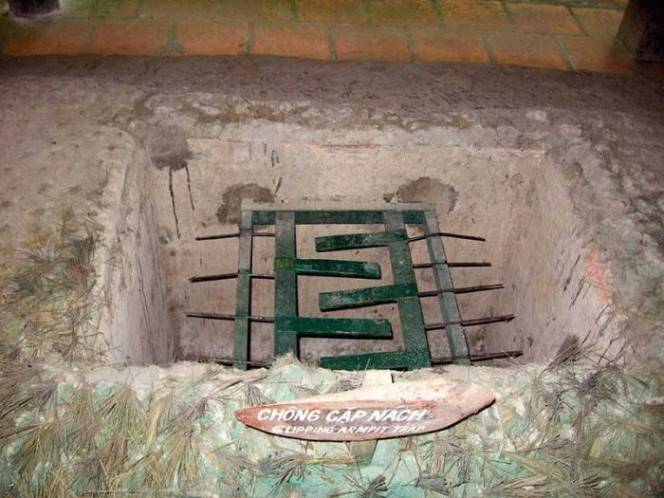
This booby trap was designed so that the person who fell into it would only become stuck further by trying to escape.
#17
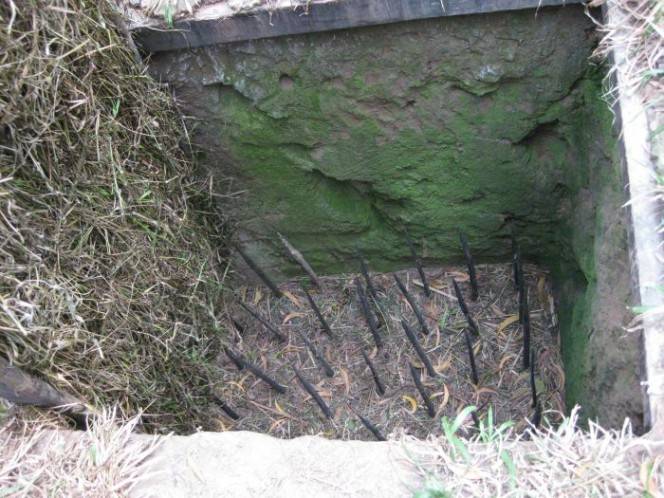
Pits of bamboo spikes were also used, and were often coated with fecal matter to cause infection.
#18
Meals were often small inside the tunnels.
#19
Families had even smaller spaces for living.
#21
This diagram gives us an idea of how these death traps were set up.