This Is What Happens To Your Body When You Crack Your Neck
By
Editorial Staff in
Facts
On 3rd February 2016
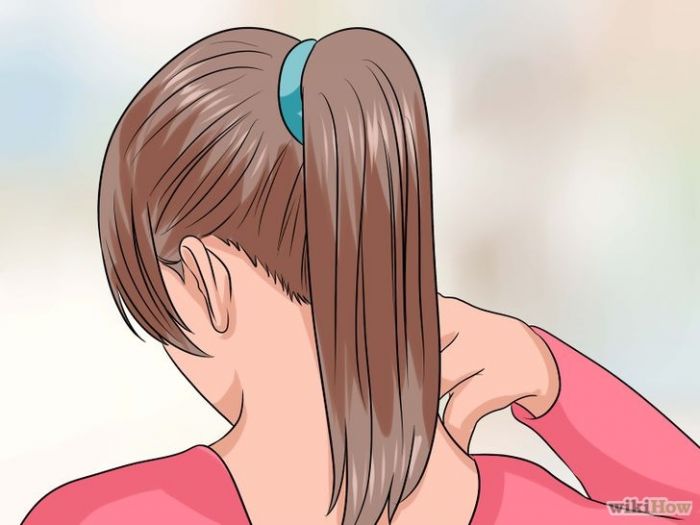
The cracking sound that you hear when you move your back or neck in a certain way may be an air bubble forming and rapidly collapsing on itself, in itself not a harmful thing. Cracking your neck can provide temporary relief, although it's almost always best to allow a licensed practitioner, such as a chiropractor, to do adjustments.
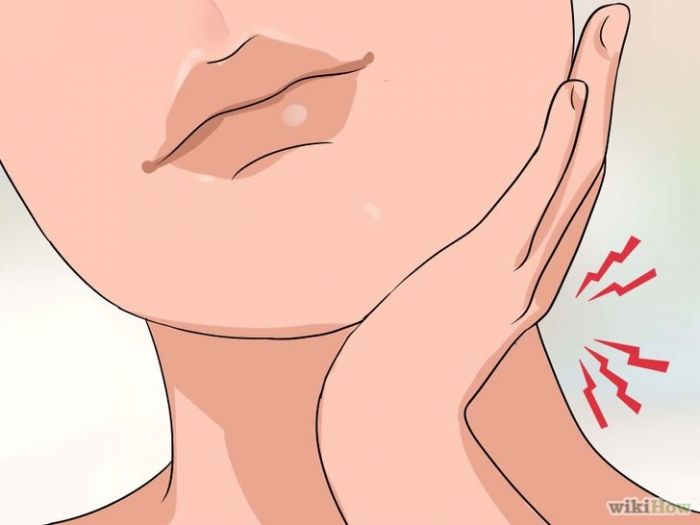
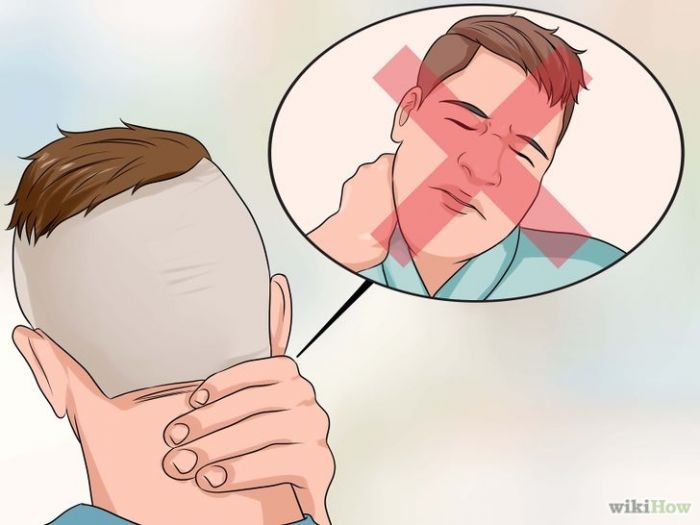
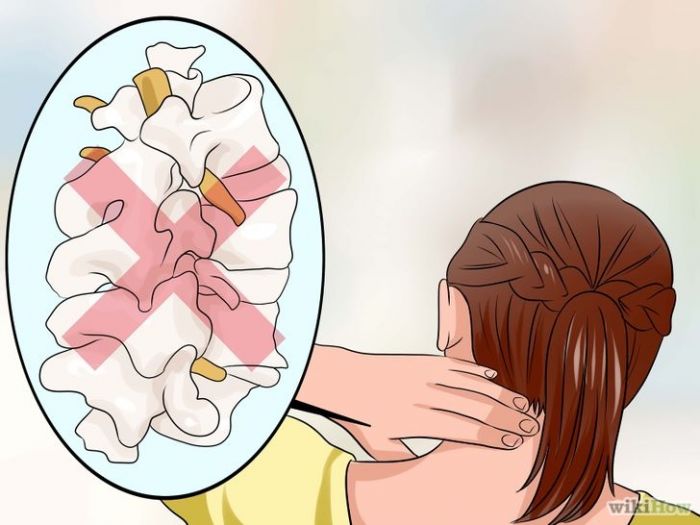
Be aware that cracking your own neck can have serious unintended consequences. Cracking your neck could create a small tear in the lining of the vertebral artery, which eventually could lead to stroke. Understand these risks before you engage in any home remedies.
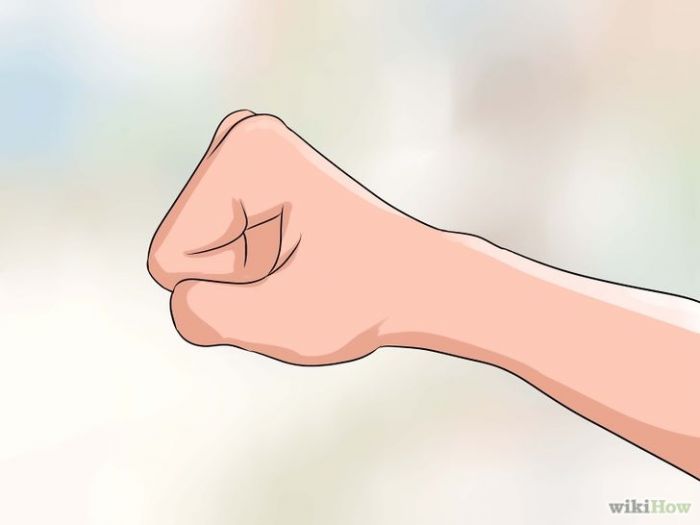
#1 Fist and Cup (Method 1)
Make a fist.
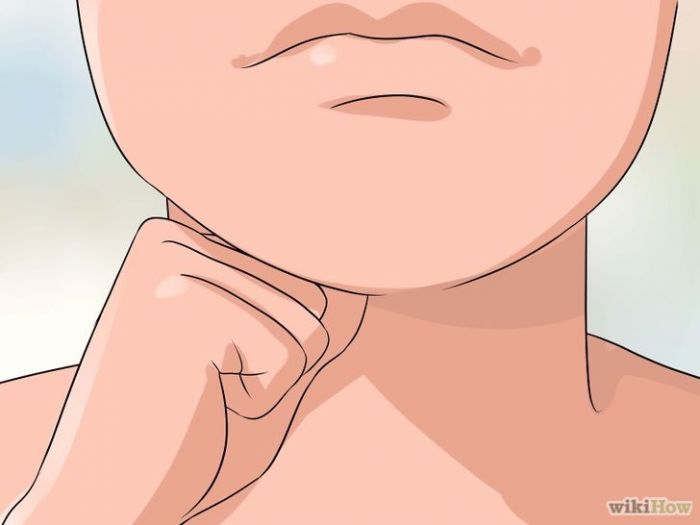
#2
Put your fist on your chin, but slightly to the right.
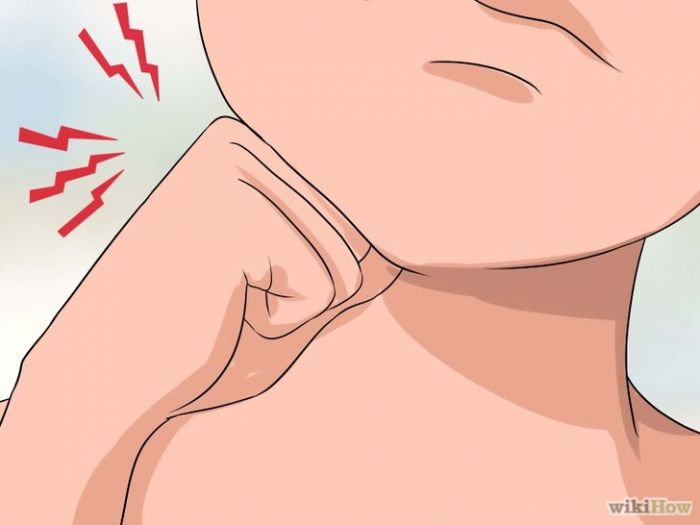
#3 Push to the left.
You should hear a cracking sound.
#4
Place your open palm across the underside of your chin and push to the right to crack the other side.
#5 Make sure you hear the cracking noise.
If not, try to crack one side and then try the other side again.
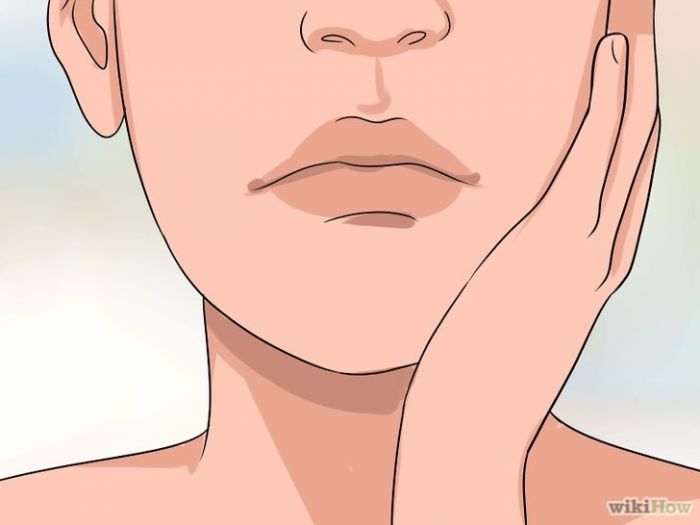
#6 Cup and Reach (Method 2)
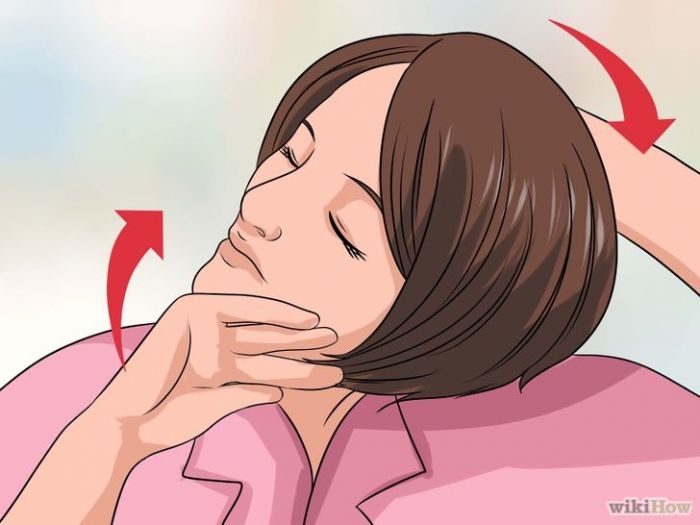
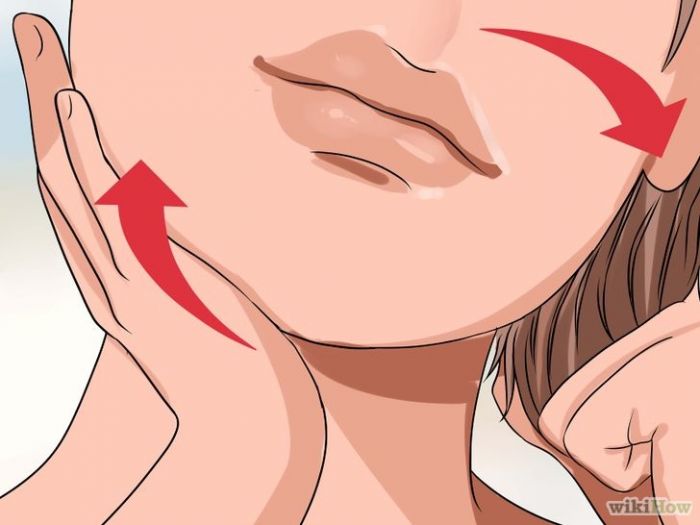
To crack the left side of your neck, cup your chin in your left hand. Your chin should be in the hollow of your hand and your fingers resting on your left cheek.
It's a good idea to have had a neck rub, massage or even a few good neck stretches before you begin to help stretch and loosen the neck.
#7
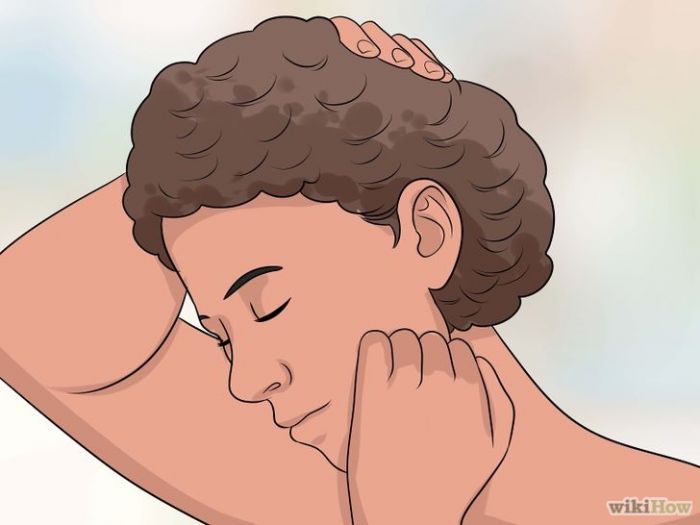
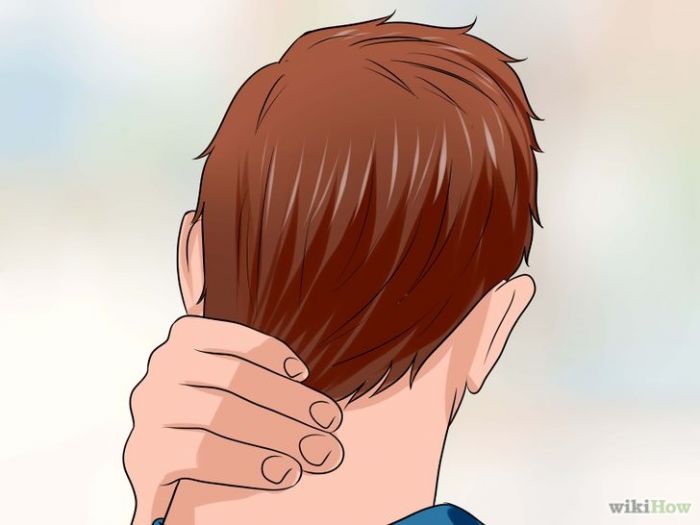
Reach around the back of your head with your right hand. Get a good hand hold in the hair behind your left ear.
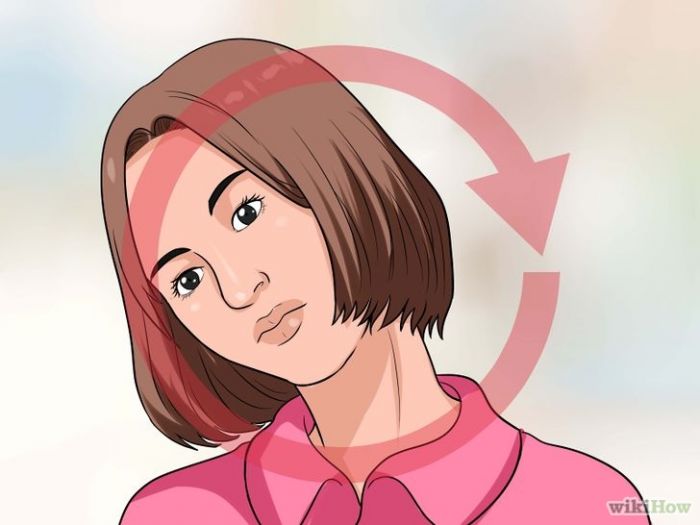
#8 Rotate your head.
Gently but firmly rotate your head counter-clockwise between your hands, pushing your chin around to the left with your palm while pulling your head around in the opposite direction with your right hand. Do this until the neck muscles are at full stretch but not over stretched.
You will often hear and feel a series of cracking sounds as the neck muscles pull tight, but just as cracking a knuckle often requires you to fully stretch your thumb or finger joints before pushing just a little further to achieve joint cavitation (cracking), you may have to stretch out one side of your neck fully. Add just a little extra pressure to trigger the full sequence of cracks.
#9 Crack the right side of the neck in reverse.
Cup chin in right palm, grab hair behind right ear with left hand and rotate clockwise.
#10
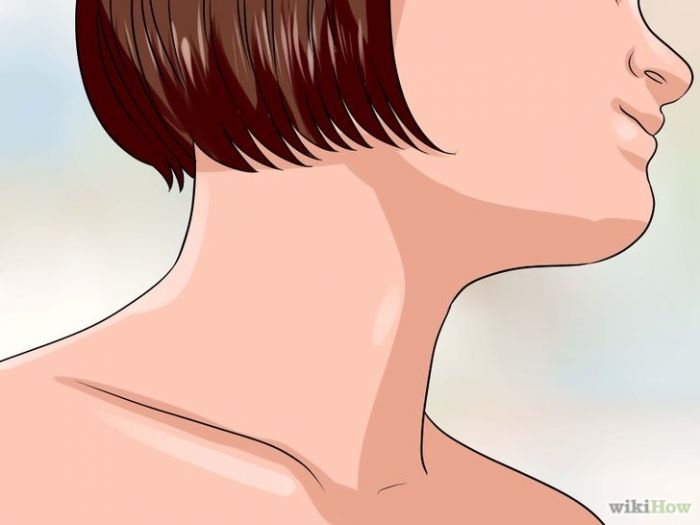
Stretch the entire length of your neck easily and in a controlled manner. Use only as much pressure as is required to stretch the neck tight. Please be careful not to harm your neck during this method!! Stop if you experience any pain.
#11 Head Lift (Method 3)
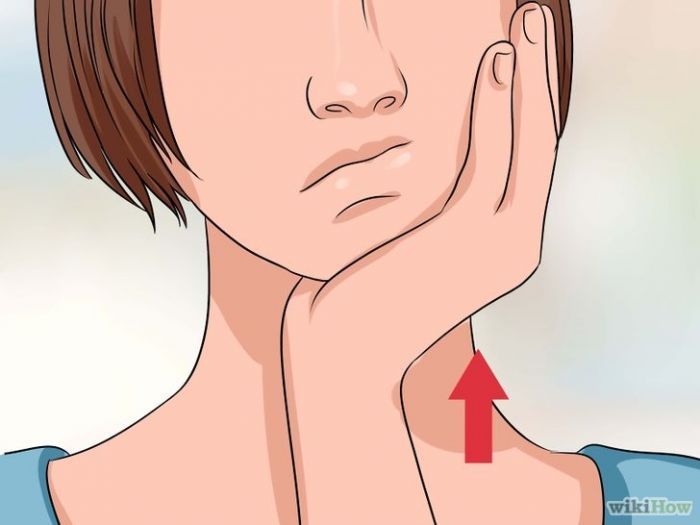
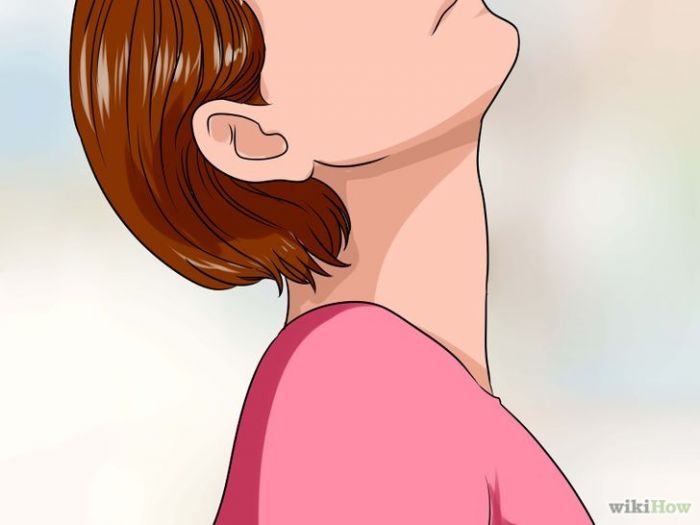
If the knot is the back of your neck (left or right of the spine in your neck), push your spine in slowly, but don't let it hurt you!
#12 Move your head back.
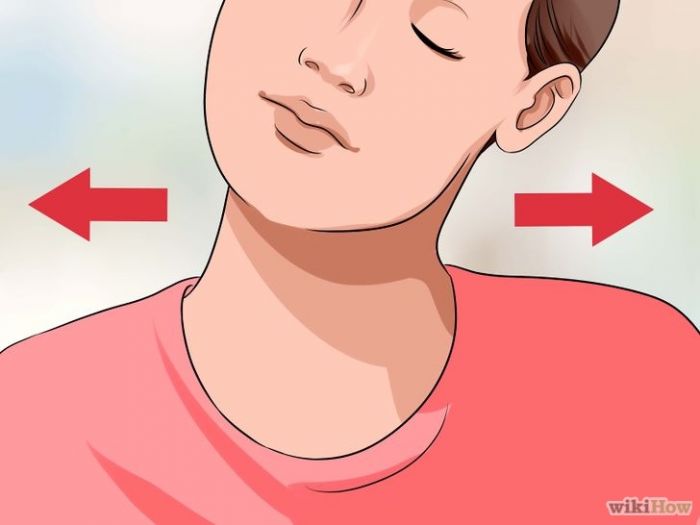
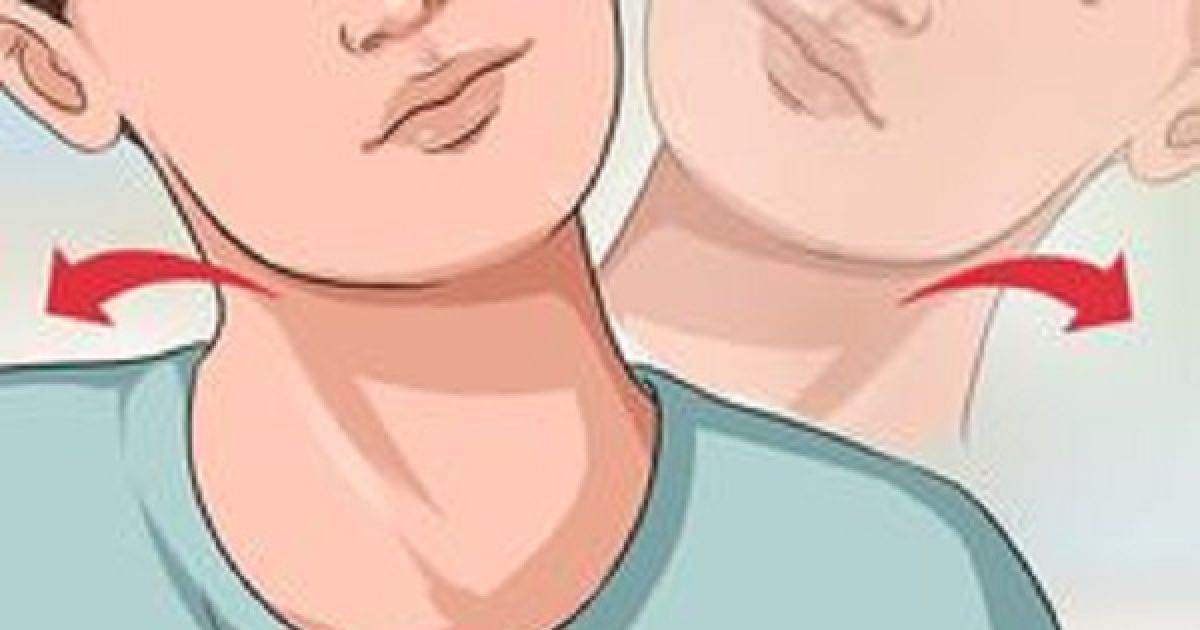
If it hurts on the left, rotate your head the to right. If it hurts on the right, rotate your head the the left by rolling your head back and forth, gradually getting closer to the shoulder.
#13
Continue relaxing your neck muscles by rotating your head in a circular motion. Pay a little more attention to areas that hurt.
#14 If you experience pain, stop immediately and rub your neck.
You should feel a crack as you totally release any tension in your neck.
#15 Understanding What Happens When You Crack Your Neck (Method 5)
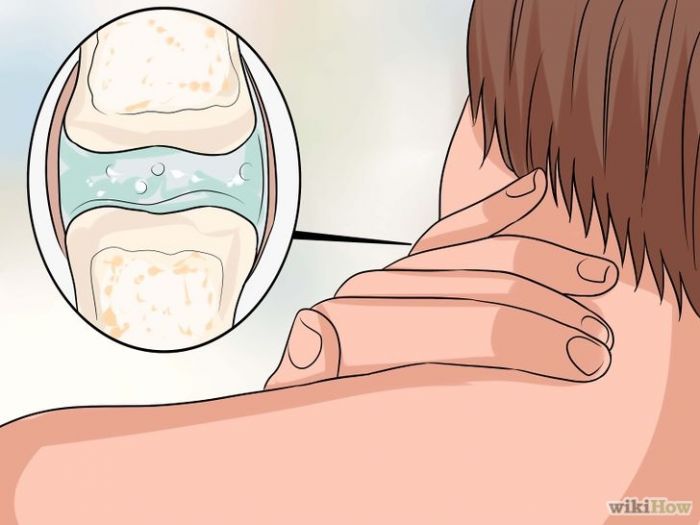
Understand that cracking signals a release of gas in the synovial fluid.
When you crack your knuckle or back or neck, your joint capsule stretches, forcing a release of oxygen, nitrogen and carbon dioxide.This forms a bubble of air, which then collapses on itself. This is what causes the audible pop we associate with cracking a joint.
#16 Realize that cracking joints will not lead to arthritis.
Although there are several other health risks associated with cracking your joints, and your neck specifically, arthritis is not one of them. Donald L. Unger cracked the joints of one hand for 30 years without ever cracking the joints of his other hand, casting doubts on the claim that joint cracking leads to arthritis.
#17 Know that cracking your back or neck is associated with relief, but only temporary relief.
If you repeatedly need to crack your neck in order to deliver relief to your neck, shoulders, and spinal area, there's probably a deeper issue that deserves medical attention. Separating the joints in the manner described above does provide temporary relief, but it's just that temporary.
People often find that in order to deliver the same amount of relief to the neck area, they have to crack the area more and more often. Cracking tends to stretch out the ligaments in the surrounding area, making them less stable.[6] Ligaments that are less stable are less likely to adequately support the weight of your head, leading to more pain.
#18 Understand that cracking your joints does not necessarily signal a spinal adjustment.
A lot of people will mistake the cracking sound for an actual adjustment. This is not necessarily the case (often, it's not the case). In order to get an adjustment, visit a licensed physical therapist or chiropractor.
#19
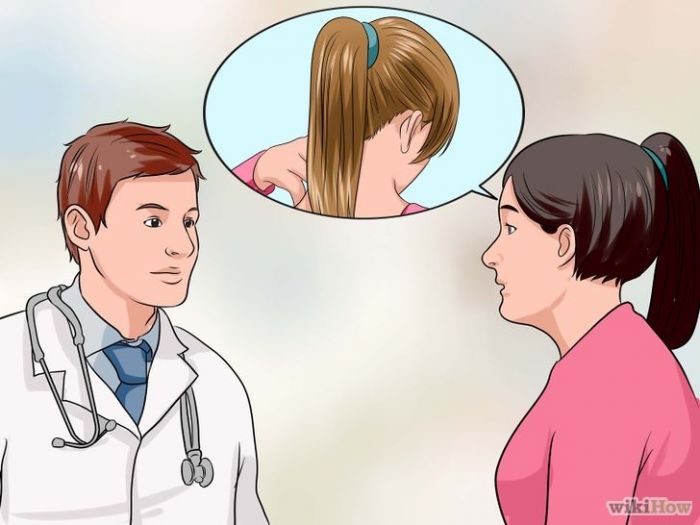
If you have any doubt about the efficacy of home treatment, or underlying symptoms that may be presenting pain or stiffness, see a doctor. It's better to be safe than sorry. Cracking your neck can result in a whole host of medical problems.