

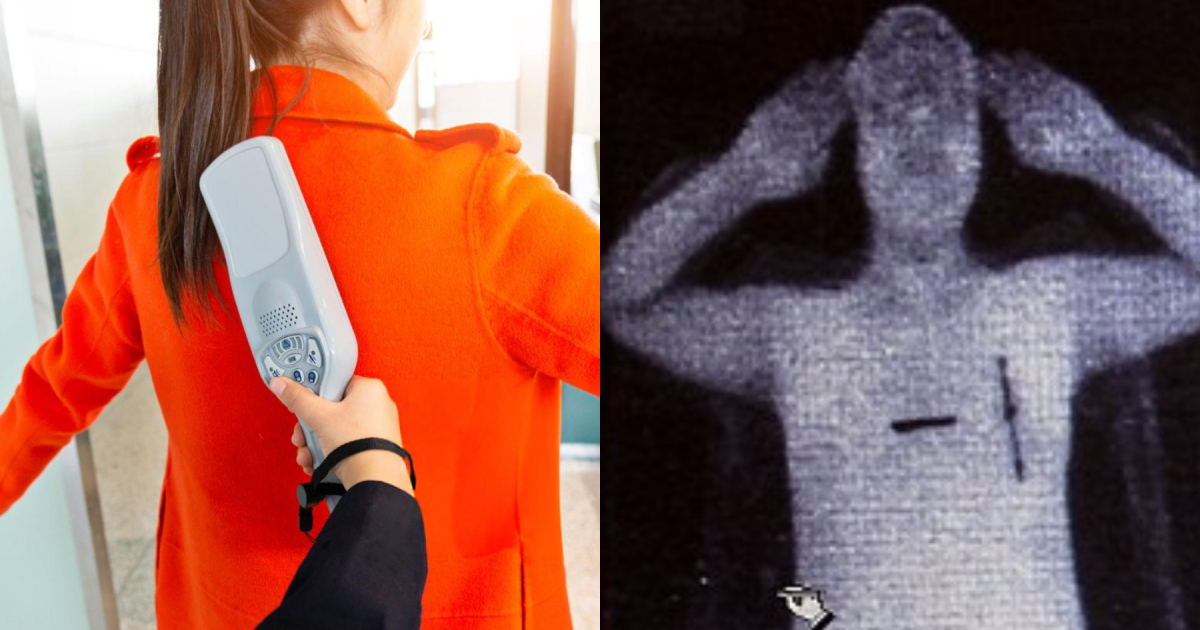
The Transportation Security Administration (TSA) made several attempts to resolve the issue, but after multiple efforts, they ultimately had to scrap the scanners entirely and switch to other options.
advertisement
Airports across the United States had to make a major change in their security scanners when it became clear just how much detail these x-rays were revealing.
The amount of exposure they showed was quite surprising and raised privacy concerns for many travelers.
If you’re someone who walks through airport security without that sudden rush of panic—wondering if, somehow, something suspicious has mysteriously appeared in your luggage—then you’re lucky!
A lot of people feel pretty on edge during that process. It’s often the most stressful part of a holiday, only made bearable by the thought of that Pina Colada waiting for you once you reach your beach destination.
Now, while today’s scanners might not pick up on your nerves, they used to show a lot more detail than most people would expect. In fact, they revealed so much that drastic changes were needed.
Before the significant overhaul in 2013, TSA used scanners developed by OSI Systems' Rapiscan division to screen passengers passing through airports.
These scanners were put into place after a failed terrorist attempt in 2009, where explosive materials were hidden in a passenger’s underwear.
advertisement
The scanners were designed to create a full-body infrared image for security personnel to examine.
On the surface, that might sound like a routine security measure. However, in practice, the images provided way more detail than what travelers were comfortable with.
What seemed like a basic screening process actually allowed security agents to see passengers almost entirely exposed, leading to a lot of discomfort among travelers.
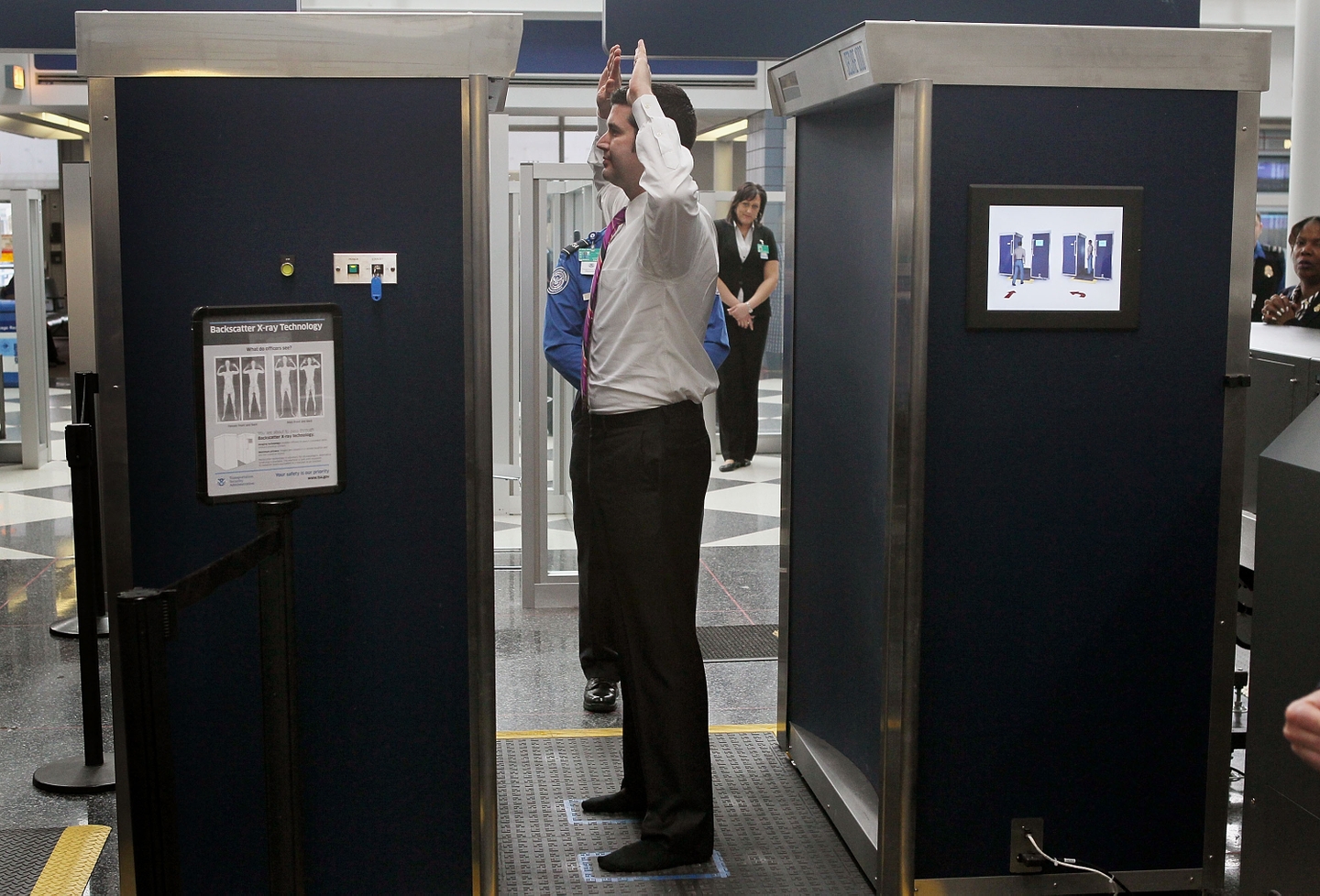
TSA's full body scanners had to be changed
Scott Olson/Getty Images
It’s safe to say that wasn’t the kind of start people were hoping for when going on vacation.
The controversy led TSA to request Rapiscan to create software that would fix the issue and make the images less revealing.
But, when Rapiscan later informed TSA that they wouldn’t be able to meet the June 2013 deadline, TSA realized they needed to find a solution quickly.
As a result, TSA decided to stop using the scanners altogether.
"TSA has strict requirements that all vendors must meet for security effectiveness and efficiency," the agency stated.
advertisement
"Due to its inability to deploy non-imaging Automated Target Recognition (ATR) software by the Congressionally-mandated June 2013 deadline, TSA has terminated part of its contract with Rapiscan.
"By June 2013 travelers will only see machines which have ATR that allow for faster throughput. This means faster lanes for the traveler and enhanced security. As always, use of this technology is optional."
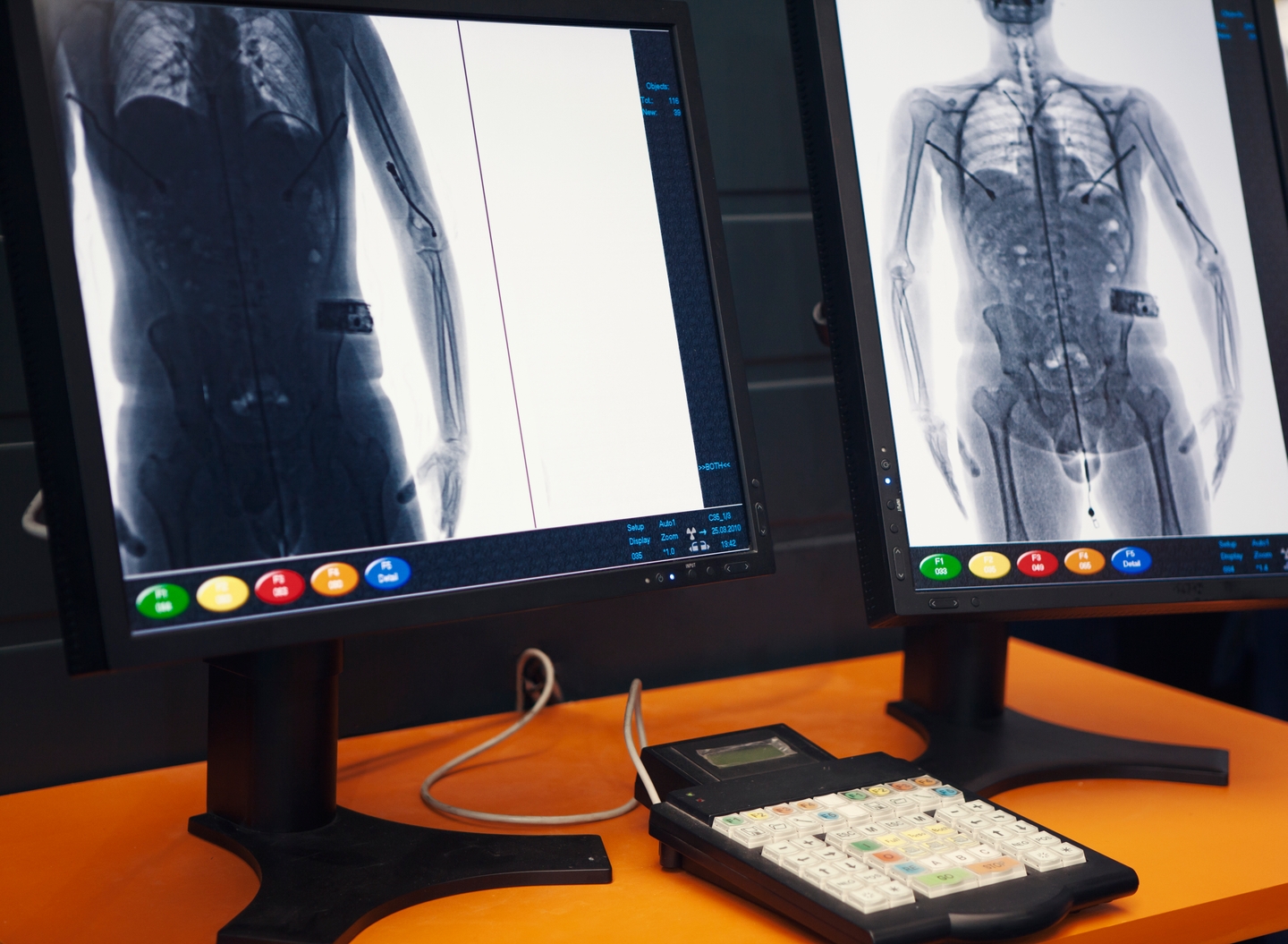
The scanners were showing up a bit more than everyone bargained for
Getty Stock Images/ Erlucho
advertisement
When the announcement was made, there were still 174 Rapiscan scanners being used in airports.
These machines were gradually phased out over the next few months and were replaced by new scanners from L-3 Communications.
Unlike the older models, these new scanners only displayed a generic outline of passengers, balancing privacy concerns while maintaining safety standards.