The Zika virus, transmitted by the aggressive Aedes aegypti mosquito, has now spread to at least 24 countries.
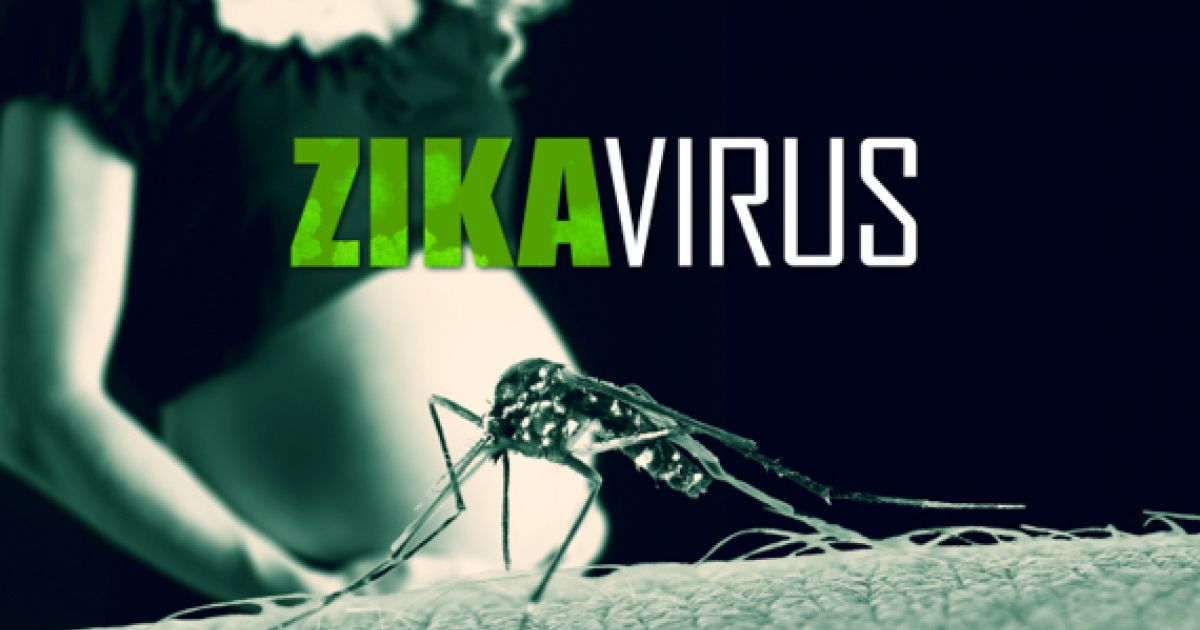
What You Need To Know About The Zika Virus
By
Editorial Staff in
Health and Fitness
On 28th January 2016
advertisement
#1 CDC Issues A Travel Alert
On January 15, the US Centers for Disease Control and Prevention issued a first-of-its-kind travel alert: American women of childbearing age, whether pregnant or not, were told to avoid countries where the Zika virus has been circulating. At the same time, women in countries that already have Zika outbreaks have been told to avoid getting pregnant.
#2 Zika Is A Tropical Disease
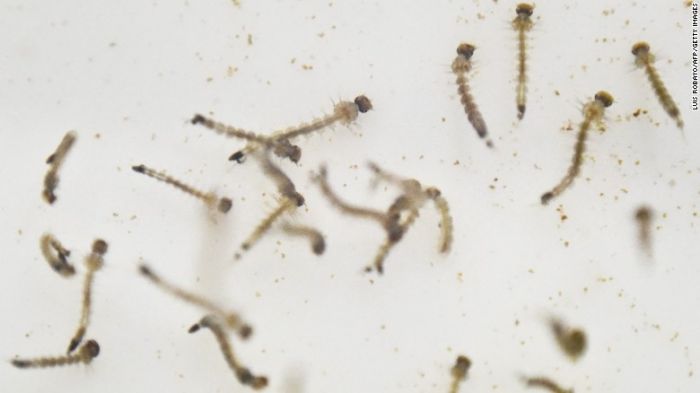
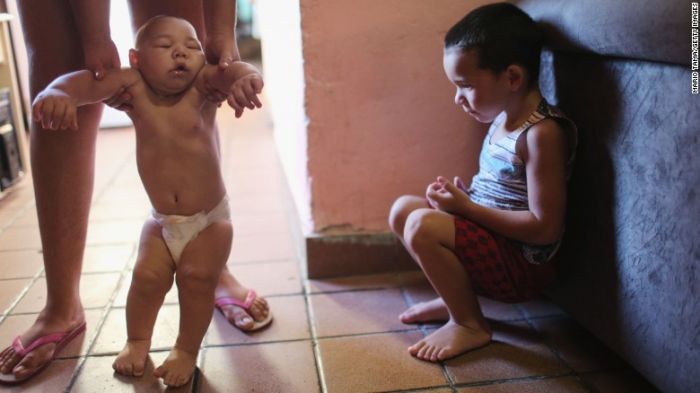
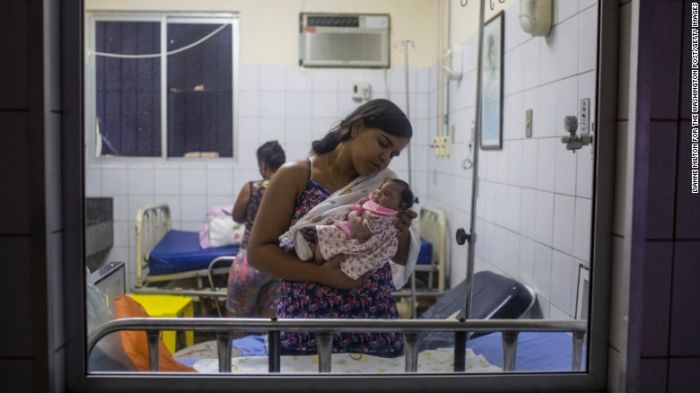
That's because Zika, a tropical disease carried from person to person by mosquitoes, has been linked to birth defects and deaths in newborns in Brazil.
Brazil has been battling the largest Zika outbreak yet, with more than a million people infected. But the virus has been identified in 20 other countries and territories in South and Central America and the Caribbean, including Colombia, El Salvador, Haiti, Honduras, Mexico, Venezuela, and Puerto Rico.
advertisement
#3 For Most People Zika Is Something New
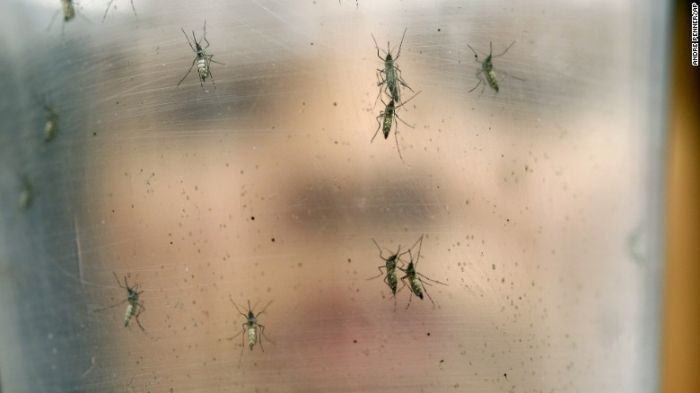
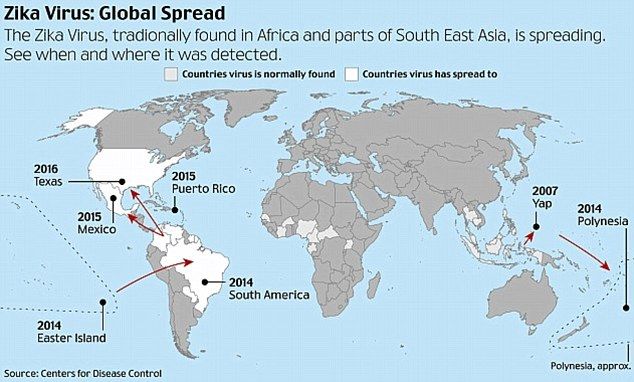
Until recently, few people had heard of Zika. As of 2013, it had never been recorded in the Western Hemisphere. By 2014, the virus made an appearance in the Americas, arriving in the Easter Islands, and then it showed up in Brazil.
Now it's spreading quickly throughout the Americas, and the World Health Organization warned that it's expected to reach every country in the Americas (except for Canada and Chile, where the mosquitoes that carry the virus don't live).

#4 The Virus Was Discovered in 1947 In Monkeys
Until recently, Zika was considered a very rare and seemingly benign virus. Though Zika was first discovered in 1947 (in the Zika forest in Uganda), it hasn't bothered humans much in all these years. "There have only been about 14 or 15 cases documented until 2007," said Dr. Marcos Espinal, the director of communicable diseases at PAHO (the regional World Health Organization). That's when the first big Zika outbreak was reported, in the Yap Island in Micronesia. Other Pacific Islands Fiji, Vanuatu have had periodic outbreaks since.
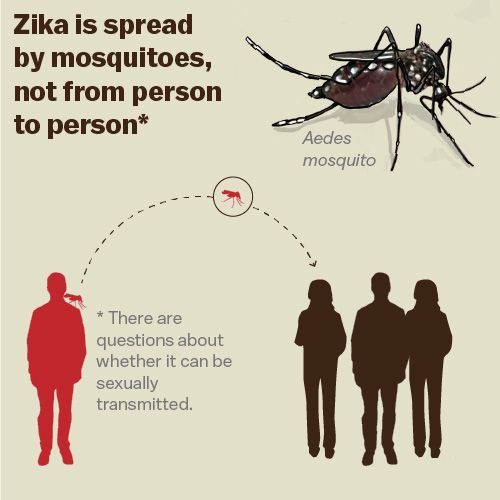
Researchers currently believe the Zika virus is spread mainly through mosquitoes. A mosquito bites an infected person, draws blood, and contracts the virus. When it then goes and bites another person, the virus spreads.
In other words, Zika is an arbovirus, passed to people by insects. (More narrowly, it's part of the flavivirus family, which includes West Nile, dengue, and yellow fever.)
advertisement
#5 Scientists Are Inspecting The Way The Virus Is Being Transmitted
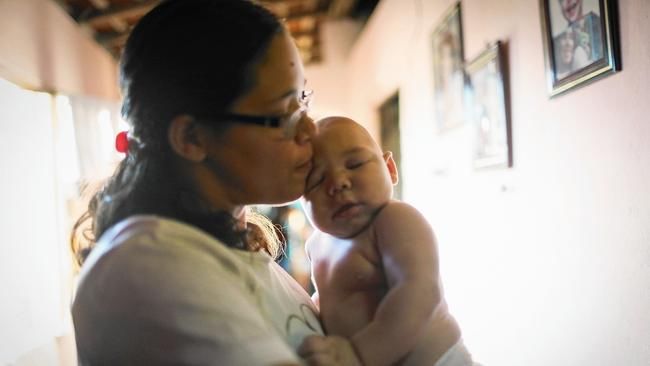
But mosquitoes aren't the only way to get the virus. There's some observational evidence from a couple of small studies that people infected with Zika can pass on the virus to others through sexual intercourse. Zika can also be transmitted through blood, and mother-to-fetus transmission has been documented throughout pregnancy.
advertisement
#6 Symptoms Include Rash, Headaches, And Joint Pain
Until recently, researchers didn't think Zika was all that worrisome. An estimated 80 percent of people don't even develop any symptoms after being infected with the virus.
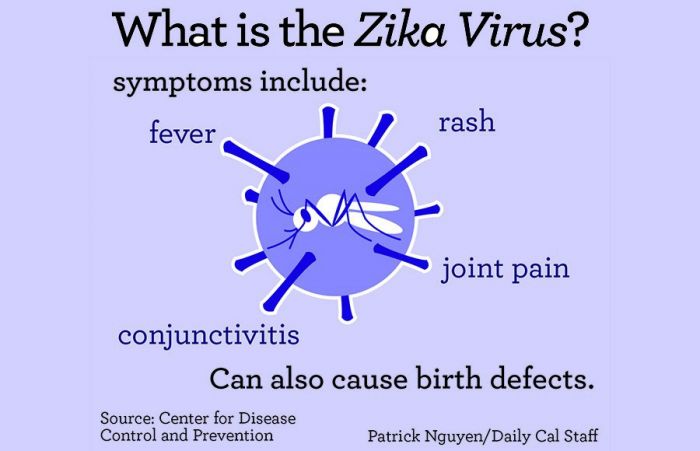
And for everyone else, the symptoms are usually mild a rash, headaches, pain in the joints and bones, and fever. These symptoms typically show up between three and 12 days after the initial mosquito bite, and then go away within a week. Hospitalization is uncommon, and death is rare.
But now scientists are wondering if they've underestimated the dangers of Zika.

advertisement
#7 Zika Is Being Linked To The Birth Defect Microcephaly
Over the past year, public health officials have found evidence that Zika may be linked to birth defects in newborns and neurological conditions in adults.
Consider Brazil: The country has seen an unusual surge of Zika cases over the past two years possibly after the virus arrived with World Cup travelers in 2014. Last year, more than 1.5 million people were affected.
advertisement
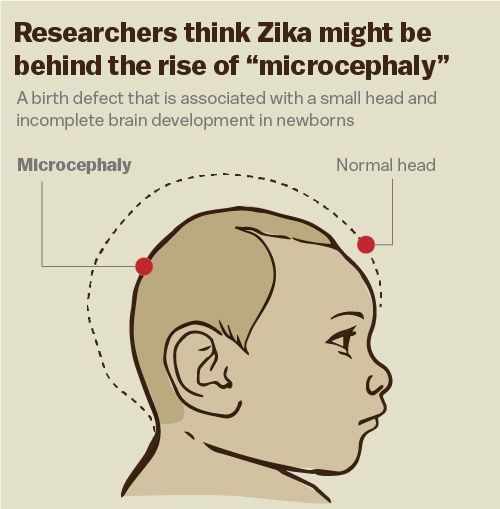
#8 Microcephaly Is Associated With Undeveloped Brains In Oversized Heads
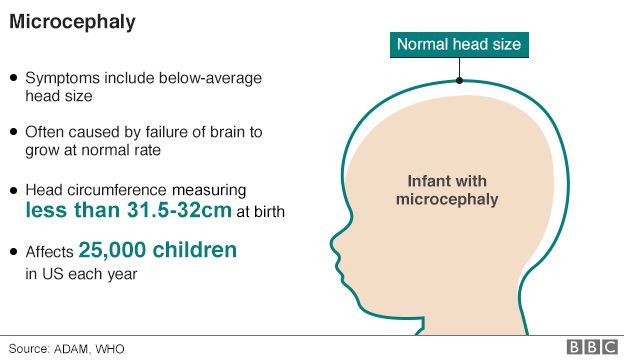
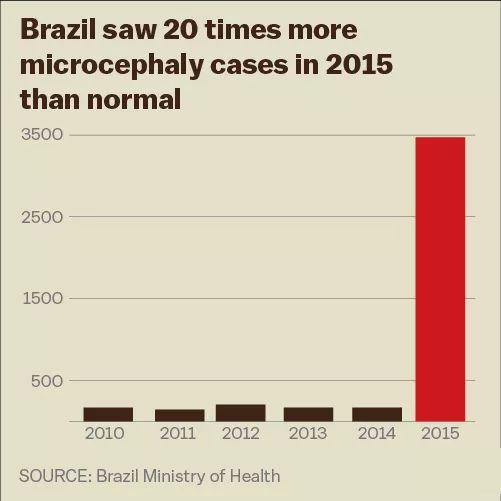
And over that same period, Brazil has seen more and more newborns born with microcephaly, a congenital condition that's associated with a small head and incomplete brain development. Normally Brazil gets several hundred cases a year, but since October 2015, health officials have documented more than 3,500 cases.
advertisement
#9 The CDC Is Finding Zika Virus Linked To Newborns With The Defect
Many experts now think the timing is no coincidence and that Zika is to blame for the rise in birth defects. At least, a lot of recent evidence is pointing in that direction. When Brazilian researchers studied the amniotic fluid in pregnant women carrying babies with microcephaly, they found Zika. In January, scientists at the CDC found Zika in the brains of two babies with microcephaly who died within 24 hours of being born. They also found evidence of Zika in two pregnancies that ended in miscarriage.
Analyses of previous outbreaks, such as one in the French Polynesian islands, revealed a rise in birth defects following the arrival of Zika virus.
advertisement
#10 Aside From Microcephaly, Zika Is Now Being Linked To Guillian-Barre Syndrome
The CDC has been careful to say it's not certain that Zika caused the birth defects and deaths. There may be other yet-to-be-discovered explanations. But experts think they have enough evidence to suggest a link, and that babies in the first trimester are particularly vulnerable to birth problems (though the risk can continue throughout the pregnancy). Scientists are still trying to quantify the exact risks involved.
Separately, researchers also think Zika can cause Guillain-Barré syndrome, a very rare neurological syndrome that can cause paralysis. According to a New York Times report, evidence of the link has been growing, as researchers scramble to learn more about what was, until last year, a very rare virus.
advertisement
#11 Outbreaks Are Expected As Weather Warms Up And People Are Being Advised Not To Travel
Because of the potential for birth defects, CDC issued travel guidance for pregnant American women and women of childbearing age who may become pregnant, warning them to avoid visiting places where the virus is currently circulating (the red areas of the Americas on the map).
Right now the list includes Barbados, Bolivia, Brazil, Colombia, Dominican Republic, Ecuador, El Salvador, French Guiana, Guadeloupe, Guatemala, Guyana, Haiti, Honduras, Martinique, Mexico, Panama, Paraguay, Puerto Rico, Saint Martin, Suriname, Venezuela and officials warn that more countries will be added soon.
advertisement
#12 There Is No Cure Or Vaccine So Precautions Need To Be Adhered To
There's no vaccine or medicine to prevent Zika, so simply avoiding mosquitoes in countries where the virus has been circulating is the best defense. The CDC also issued guidance on how to care for pregnant women during a Zika outbreak.
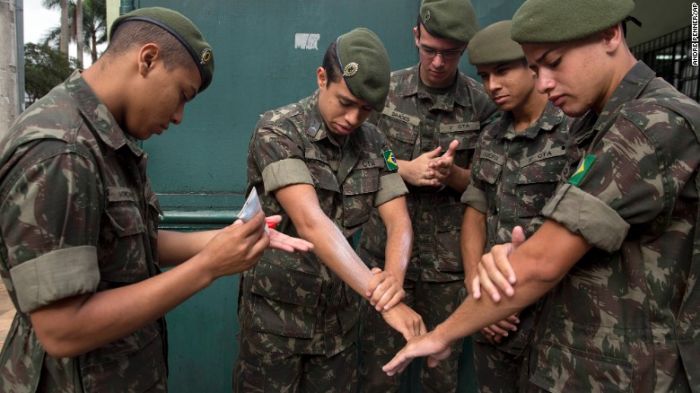
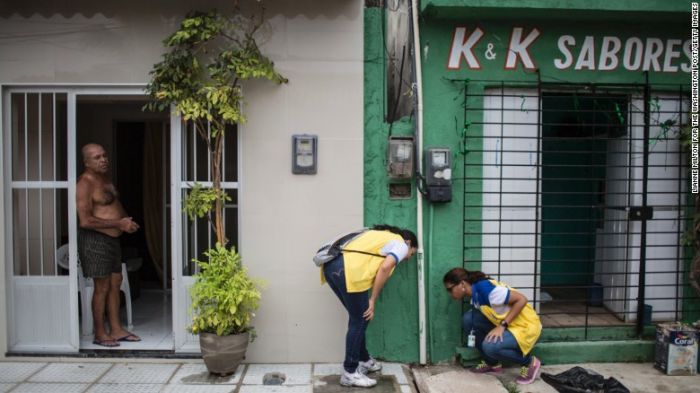
In addition, the CDC recommends that everyone traveling to areas with Zika virus take precautions to protect themselves wearing mosquito repellent, using screens to keep mosquitoes outside, wearing long pants and long-sleeved shirts, and making sure there's no standing water inside or outside the home.
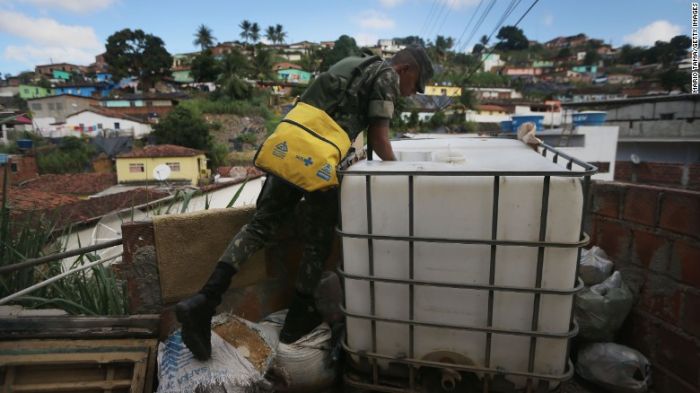
In Brazil they spray for mosquito's three times a day. And have the military assisting in the outbreak.
#13 There Have Been Zika Cases In The US Already
On January 15, Hawaii's Department of Health confirmed that a baby born in Oahu with microcephaly tested positive for Zika virus. DOH believes the mother contracted the infection while living in Brazil in May 2015. "Neither the baby nor the mother are infectious, and there was never a risk of transmission in Hawaii," health officials said in a statement. Meanwhile, pregnant women in Illinois and Florida, among other states, have tested positive for the virus. All cases so far were linked to travel in South America.

advertisement
#14 Latin American Countries Are Telling Women To Avoid Pregnancy Until 2018
Women in countries in Latin America and the Caribbean that have been hit with Zika have been told to simply avoid getting pregnant in some cases for two years.
Researchers think the virus can stay in a woman's body for about 12 days, but not everyone shows symptoms of Zika, and the link between asymptomatic women and the virus is unclear. For now, public health officials across Latin America are scrambling to figure out how to avoid potential birth defects caused by the virus, and telling women to avoid pregnancy.
#15 Other Mosquito Borne Viruses Are On The Rise As Well
The spread of Zika is part of an unnerving trend: Several mosquito-borne tropical illnesses have lately been spreading into regions of the world that have never experienced them.
A viral disease called chikungunya which had never appeared in the Western Hemisphere until 2013 has lately affected Central and South America, even making an appearance in Florida last year. (Its name comes from the Makonde language of Tanzania, where it was discovered in 1952; it means "that which bends up," referring to the contorted physique of a person afflicted by the virus.)
advertisement
#16 Multiplying Mosquito Populations Are Carrying Various Viruses Around The Globe
Dengue fever, known as "breakbone fever," has also seen new outbreaks in Puerto Rico, Florida, Gulf Coast states, and Hawaii all places that hadn't usually been affected. In 2015, Brazil reported nearly 1.6 million dengue cases, a big increase from 569,000 in 2014.
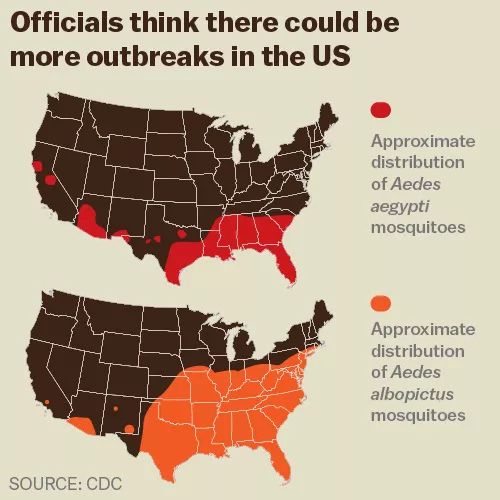
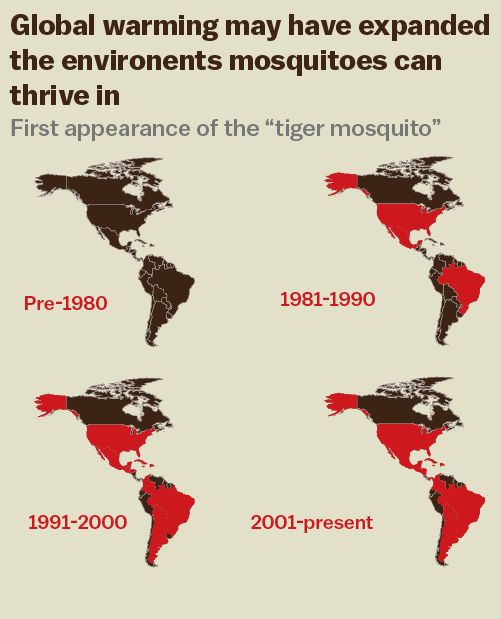
Zika, dengue, and chikungunya are all spread by a species of mosquito called Aedes (in particular the Aedes aegypti and Aedes albopictus mosquitoes). For reasons researchers don't understand, these mosquitoes have been more effective at bringing diseases to new places lately, affecting fresh populations that don't yet have the antibodies to fight off the viruses.
#17 Officials Are Predicting A Small Outbreak In Zika By The End Of This Year In The United States
Officials are predicting that Zika is likely to follow the same pattern as dengue fever in the United States reaching Puerto Rico first, followed by outbreaks in Florida, Gulf Coast states, and maybe Hawaii.
"It's spreading really fast," said Scott Weaver, the director of the Institute for Human Infections and Immunity at the University of Texas Medical Branch in Galveston. "I think [the Zika virus] is going to be knocking on the doorstep in places like Florida and Texas probably in the spring or summer."
advertisement
#18 The Virus Is Already Being Found In Puerto Rico, Cuba, And The US Virgin Islands
So far, local transmission of Zika virus has not been identified in the continental United States, but there have been cases in Puerto Rico and the Virgin Islands. And travelers returning to the US have tested positive for the virus. According to the CDC, between 2007 and 2014 a total of 14 returning US travelers tested positive for Zika virus. In 2015 and January 2016, at least eight US travelers have tested positive for Zika (the CDC is currently testing others).
Based on our experiences with the other mosquito-borne viruses, any outbreaks here should be small and local.
#19 If The Virus Isn't Stopped It Will Become An Outbreak
"Better housing construction, regular use of air conditioning, use of window screens and door screens and state and local mosquito control efforts helped to eliminate [widespread transmission of mosquito-borne infections like malaria and dengue] from the mainland," said Lyle Petersen, director of the CDC's division of vector-borne diseases, in a recent statement.
Whatever happens, you'll probably be hearing a lot more about Zika and these other viruses very soon. "As temperate areas in South America or the US become a little warmer, Aedes [mosquitoes] will be able to increase their distribution," added Texas's Weaver. "That will increase areas at risk for dengue, Zika, and chikungunya."
advertisement
#20 Prevention Is The Key To The Spread Of The Zika Virus By Controlling The Mosquito Population
Prevention involves reducing mosquito populations and avoiding bites, which occur mainly during the day. Eliminating and controlling Aedes aegypti mosquito breeding sites reduces the chances that Zika, chikungunya, and dengue will be transmitted. An integrated response is required, involving action in several areas, including health, education, and the environment. Currently 14 countries are on high alert and spraying for the mosquito's and asking women to be extra cautious. By the end of this Summer, the United States will begin a hyper regimen on the insects in states ranging from Florida to Texas.