

Belief, the brain, and the environment may all shape what people think they saw
Psychologist Explains Why Believers May Be More Likely To See Ghosts
By
maks in
Science and Technology
On 18th June 2026
advertisement
Ghost sightings may feel supernatural in the moment, but scientists say the experience can sometimes come from a mix of belief, the brain, and the environment around us.
One in five American adults says they have seen or been in the presence of a ghost, according to the Pew Research Center. Around 29 percent also say they have felt in touch with someone who has already died, a belief that has also shaped reports of loved ones contacting people from the afterlife.
In her book, "Science of the Supernatural," psychologist Melissa Maffeo argues that some supposed hauntings may be the brain misreading what is happening outside the body. Writing for Live Science, Maffeo does not claim to settle whether ghosts exist, but she does list three factors that can make paranormal experiences feel more likely.
Why ghost sightings can feel so real
The key point is that a person does not need to be lying or making something up to have a strange experience. A sound, shadow, body sensation, or moment of fear can feel very real when the brain is trying to explain it quickly.
That is why belief matters in this kind of research. If someone already thinks a place may be haunted, the brain may be more ready to connect odd sensations to ghosts rather than to sleep, stress, sound, or the environment.
Maffeo’s argument is less about mocking paranormal belief and more about asking how normal human perception can turn unclear signals into something that feels like a presence.
advertisement
Environmental signals can shape what people notice
Ghost hunters often use devices that measure electrical or magnetic activity, known as EMFs, when they investigate places believed to be haunted.
There is still no firm proof that humans can directly sense EMF levels in a room. Even so, some studies have shown that EMF levels fluctuate more in "haunted" areas, which is why the idea keeps coming up in paranormal research.
That does not mean EMF proves a ghost is present. It means some researchers have looked at whether changes in the environment could help explain why certain places feel strange to people.
In her new book, “Science of the Supernatural,” psychologist Melissa Maffeo argues that hauntings could be the brain misinterpreting the external world.
kinomaster – stock.adobe.com
Some experts have suggested that strong electromagnetic fields may affect temporal lobe activity. That part of the brain has been linked with odd sensations, time distortions, and hallucinations, which could lead someone to feel as if a ghost is nearby.
Infrasound may also play a role. This is very low-frequency sound, below 20 hertz, that people usually cannot hear, but it has been linked with irritability and higher cortisol levels.
"People might unknowingly be detecting changes in environmental stimuli, like electromagnetic fields. The question then becomes: Did the ghost cause the EMF, or did the EMF cause the ghost?" Maffeo wrote in Live Science.
advertisement
A 2009 study tried to test the idea by creating a "haunted house" through manipulated EMFs and infrasound. Participants reported strange experiences, including dizziness, ghostly presence, and dissociation, but those reports did not match the environmental changes.
The people who did report more unusual sensations were also the ones who said they already had a strong belief in the paranormal.
"On the one hand, there is a correlation between reportedly haunted places and EMF variability. And there are some indications that humans can detect magnetism. On the other hand, experimental manipulation of EMF did not relate to weird perceptions in a lab setting," said Maffeo.
advertisement
Belief may change how the brain fills in gaps
That finding matters because it points to expectation. When a person walks into a place thinking it may be haunted, they may pay closer attention to creaks, cold spots, shadows, or body sensations that they would ignore anywhere else.
The same feeling can happen in ordinary life too. If you are already nervous, a normal house sound at night can feel sharper, closer, or more meaningful than it would during the day.
In that sense, belief does not have to create the whole experience from nothing. It may shape how the brain explains a confusing moment once it happens.
advertisement
Brain mix-ups may create a sense of presence
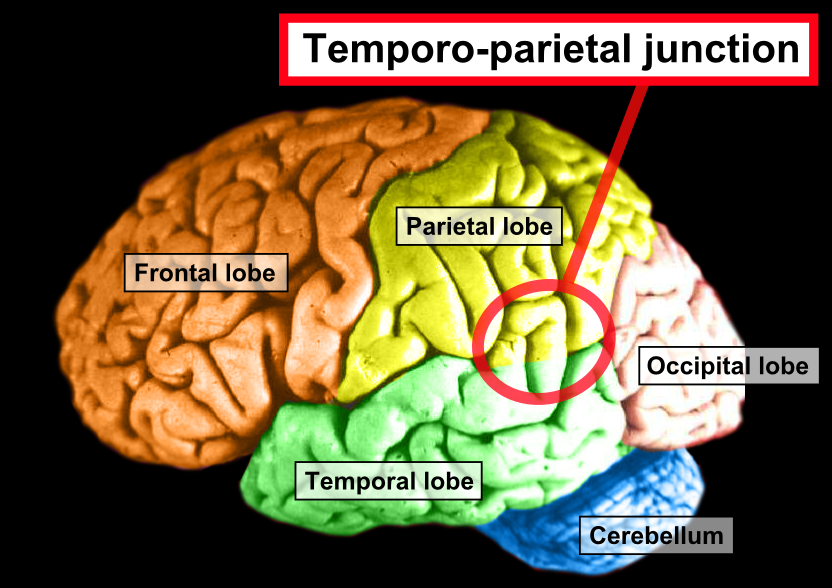
Maffeo also points to the temporoparietal junction, a brain region that helps people locate themselves inside their own bodies.
When activity in that area is disrupted, people can report strange sensations or misread what their body is experiencing.
She identifies sleep paralysis as one example of how a normal brain process can turn frightening when it happens at the wrong time.
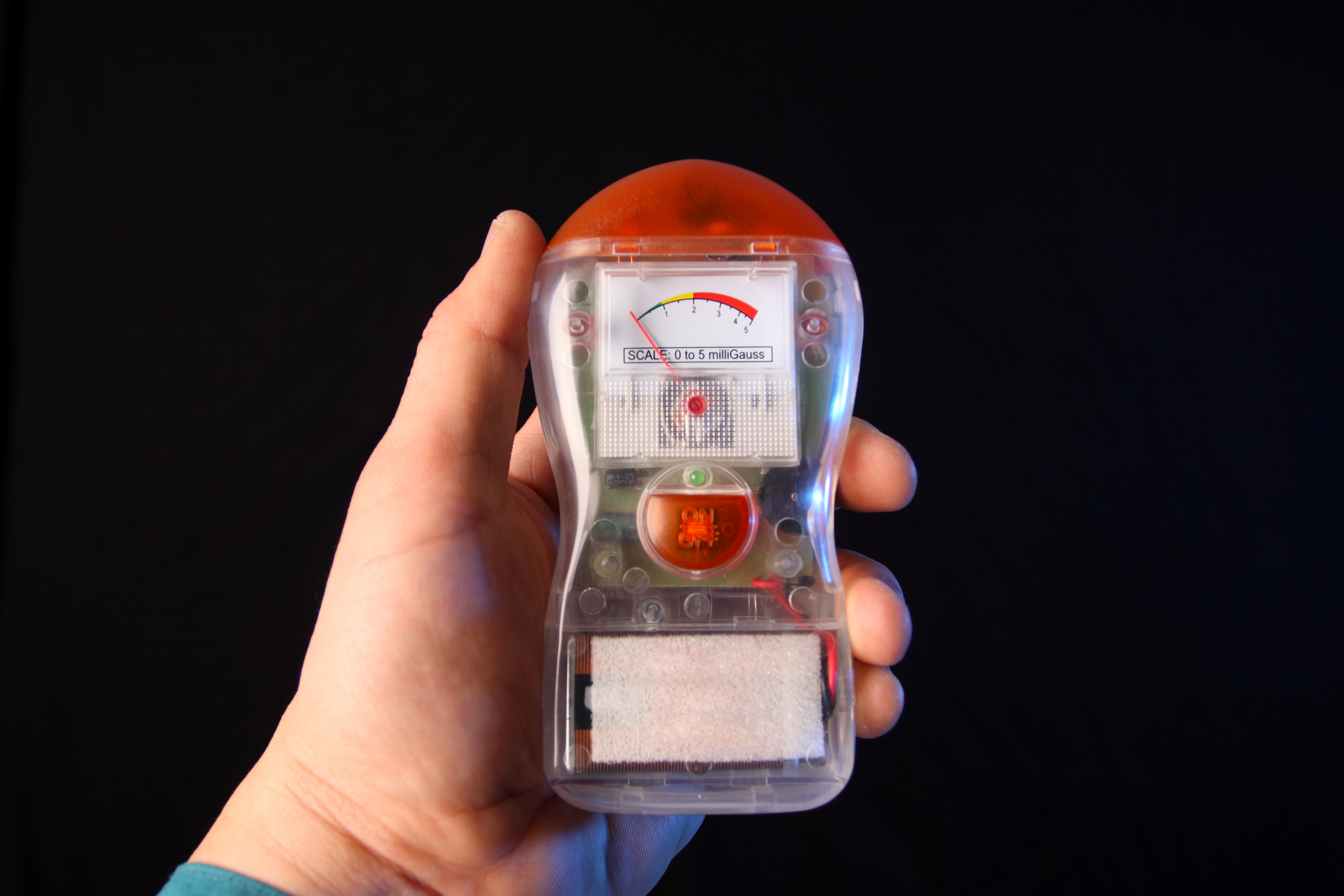
While there is no concrete evidence that humans can sense EMF in their environments, studies have shown that EMF levels fluctuate more in “haunted” areas.
Peter Kim – stock.adobe.com
advertisement
During REM sleep, the brain tells the muscles to stop moving so people do not act out their dreams. For some people, that paralysis continues for a short time after they wake up, creating a scary mismatch between the body and the brain.
"Most people respond to the missing sensory information with fear, which makes them more likely to experience the sights and sounds from their dreams as reality," said Maffeo.
Between 25% and 50% of Americans have experienced sleep paralysis at least once, according to WebMD. That makes it a common example of how a terrifying experience can feel paranormal even when it has a known sleep-related explanation.
advertisement
Why sleep paralysis is often linked to ghosts
Sleep paralysis can be so disturbing because the person may be awake enough to see the room, but still unable to move. Some people also report pressure on the chest, shadows, voices, or a sense that someone is standing nearby.
Those details match many old ghost stories and “night visitor” reports, which is one reason the experience is so often tied to supernatural beliefs.
For someone who already believes in ghosts, that brief window between dreaming and waking can feel like proof. For researchers, it shows how the brain can mix dream imagery with the real room around a person.
advertisement
Schizotypy may make paranormal experiences more likely
Maffeo also points to a growing body of research suggesting that people with certain personality traits may be more likely to believe in and perceive paranormal activity.
That does not mean everyone who believes in ghosts has a disorder. It means some traits can make unusual experiences feel more meaningful or easier to accept as supernatural.
advertisement
Magical thinking, disorganized behavior, distorted thoughts, and difficulty forming close relationships are part of a cluster of traits known as schizotypy. According to Maffeo, people with higher levels of these traits are more likely to believe in ghosts and report disembodiment or sudden sensory experiences.
People with higher schizotypy may also have more trouble drawing a clear line between themselves and other people.
In simple terms, belief can come before the experience. The more disconnected a person feels from their body, the more likely they may be to report something that feels paranormal.
advertisement
"Belief alone might not create a ghost, but belief combined with at least one haunted factor — environmental stimuli, neurological hiccups or psychological conditions — might be enough to make a ghost real," she said.
So the science does not need to prove that every ghost sighting is fake to explain why some people are more likely to have one. In many cases, the experience may come from belief meeting a strange sound, a sleep glitch, or a brain signal that feels impossible to explain in the moment.