

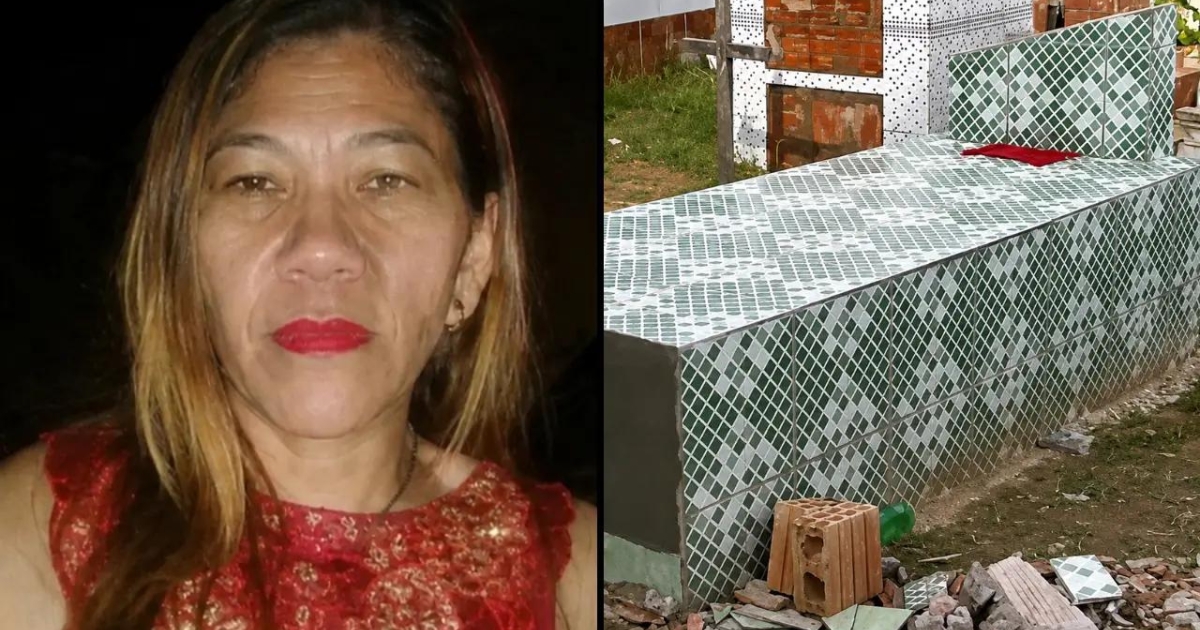
Rosangela Almeida dos Santos’ family claimed she may have been wrongly declared dead before burial
advertisement
The case of Rosangela Almeida dos Santos remains deeply unsettling years later, especially because her family believed she may have been buried while still alive.
Rosangela was 37 and lived in Riachao das Neves, a town in northeastern Brazil. What first appeared to be a sad death later became a disturbing burial mystery involving alleged sounds from a cemetery, claims of movement inside a sealed coffin, and details that left relatives convinced something had gone badly wrong.
Authorities later reached a different conclusion, but the story continued to spread because of the fear at the center of it: the idea that someone could wake up underground with no way out.
Why the case became so disturbing
The fear of being buried alive has appeared in old stories, films, and local rumors for generations. In Rosangela’s case, that fear became tied to real claims from people who said they heard noises coming from her tomb.
That is why the case traveled far beyond the town where it happened. It was not only about a disputed death. It was about whether signs inside the coffin could prove that something had been missed before the burial.
The details were serious enough for police to investigate, even though officials later said the evidence did not support the family’s worst fear.
advertisement
Rosangela was declared dead after a medical emergency
Punch NG reported that Rosangela had been taken to Hospital do Oeste in Barreiras, Brazil, after suffering severe fatigue, per Punch NG.
Medical records said she suffered two cardiac arrests before doctors declared her dead.
Her death certificate listed septic shock as the official cause of death, which is a life-threatening reaction to infection that can cause organs to fail.
Rosangela had reportedly dealt with health problems for much of her life. Relatives said she had fainting spells from childhood and regularly used anticonvulsant medication.
After her death, family members gathered for a wake before she was buried at Senhora Santana Cemetery on January 29, 2018.
At first, nothing seemed unusual to the family. That changed less than two weeks later, when reports from people near the cemetery turned a private tragedy into a story covered around the world.
advertisement
Why the timing mattered
The claim that noises were heard 11 days after the burial made the story even harder for relatives to process. By then, the funeral had already happened, and the family believed Rosangela had been laid to rest.
When people said they heard sounds from the tomb, the family was forced to face a terrifying possibility: that she may not have been dead when the coffin was sealed.
That timing also made it difficult to separate grief, rumor, and physical evidence. The longer a body remains buried, the harder it can be for families and investigators to interpret what they are seeing.
advertisement
Neighbors reported hearing terrifying sounds
Eleven days after Rosangela’s funeral, people living near the cemetery allegedly started hearing strange noises from her tomb.
Locals claimed they heard banging, groans, and what they believed may have been screams.
One resident, Natalina Silva, later told Brazilian media that she first thought children nearby were trying to frighten people with a prank.
advertisement
"When I got there right in front of the tomb, I heard banging from inside it," she recalled per the Irish Mirror.
"I thought the kids who play around the cemetery were playing a joke on me."
Then, Silva claimed she heard something that made the situation feel much more serious.
advertisement
"Then I heard her groan twice, and after those two groans she stopped."
The claims quickly spread through the town, and neighbors contacted Rosangela’s family about what they said they had heard.
Her relatives rushed to the cemetery to check the tomb for themselves, and what followed only made the case more disturbing.
advertisement
Family members opened the tomb
After hearing the reports from residents, Rosangela’s relatives decided to have the coffin taken out of the tomb.
Video from the cemetery showed a crowd forming while local men removed the heavy coffin from its burial place.
As word spread across the community, hundreds of people reportedly made their way to the site to see what was happening.
advertisement
When the coffin was opened, family members said they saw several details that alarmed them.
Rosangela’s mother, Germana de Almeida, told the Independent that her daughter’s body appeared to have injuries that were not there during the funeral, per the Independent.
Relatives claimed there were wounds on Rosangela’s hands and forehead.
advertisement
They also claimed the nails holding the coffin lid in place appeared to have come loose.
"She had tried to open the lid," Germana alleged.
"Even the nails that had been hammered in were loose. Her hands were injured, like she had been trying to get out."
advertisement
Family claimed there were scratches and blood inside the coffin
The family also said they found what they believed were signs of a struggle inside the coffin.
Several reports said scratches were allegedly visible inside the casket.
Relatives also claimed they saw traces of blood inside, which added to their belief that Rosangela may have tried to escape.
Cotton wool that had reportedly been placed in Rosangela’s ears and nostrils during funeral preparations was also said to have become dislodged.
Some family members claimed her body had shifted from the position it was in when she was first buried.
Those details convinced many of Rosangela’s loved ones that she may have regained consciousness after the funeral and moved inside the coffin.
advertisement
The thought that she may have woken underground and spent days trying to get out horrified her family and shocked the wider public.
It also made the case hard for people to ignore, because the claims touched on one of the most frightening possibilities imaginable after a burial.
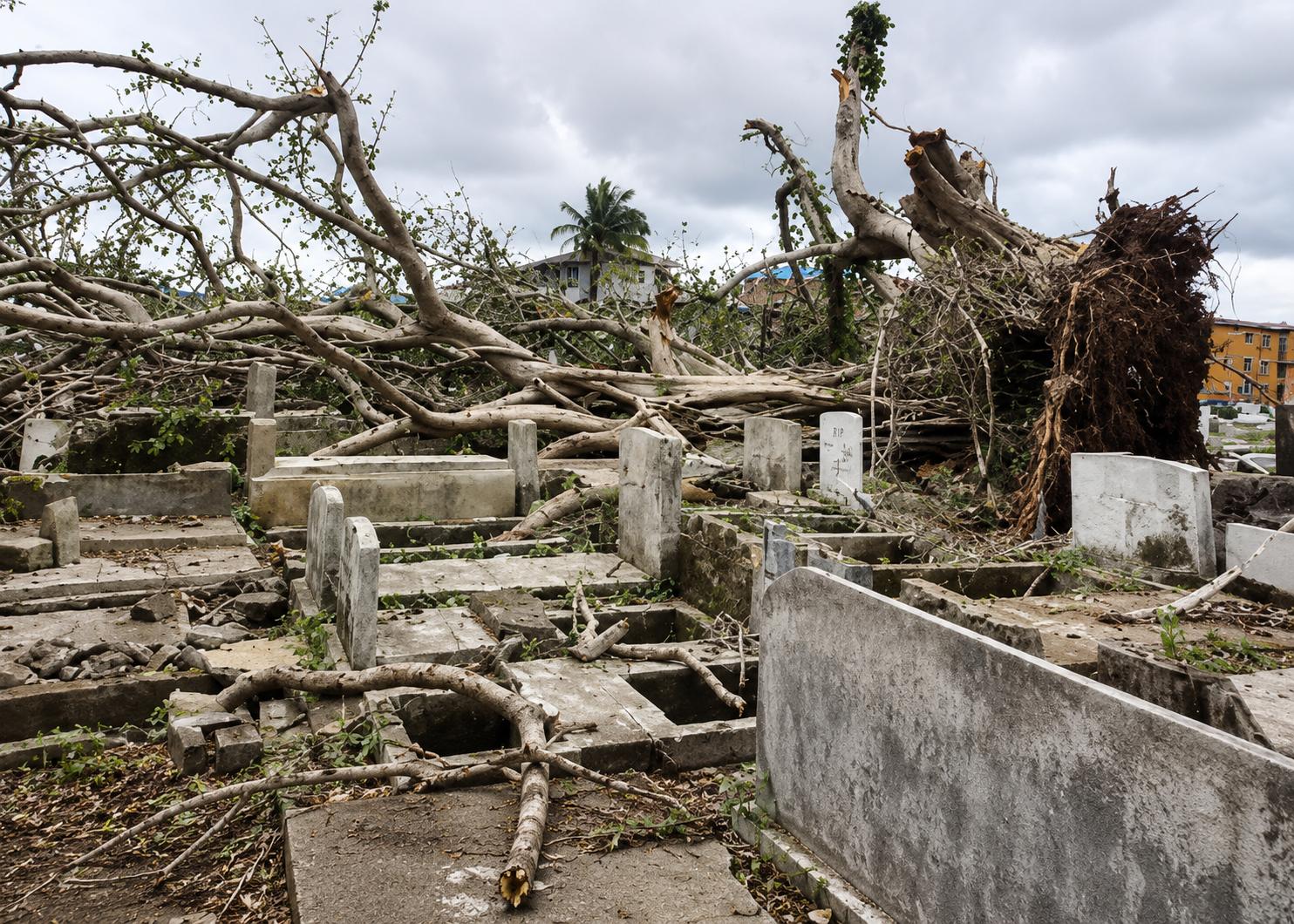
A woman who was buried alive 'spent 11 days trying to fight her way out of her coffin.'
Google Maps
Why the evidence was hard to judge
Claims about scratches, loose nails, body position, and blood were central to the family’s fears, but those details were also difficult for outsiders to assess without an official forensic finding.
In cases like this, investigators have to consider what may have happened before burial, during the funeral process, after burial, and during the opening of the tomb.
That does not make the family’s fear less painful. It simply explains why officials needed more than witness accounts and disturbing observations before concluding that Rosangela had been alive inside the coffin.
advertisement
Crowds gathered at the cemetery
As the story spread, large crowds reportedly gathered at Senhora Santana Cemetery.
One local resident, Ana Francisco Dias, told Brazilian television that hundreds of people showed up to witness the exhumation.
"There were more than 500 people who came here and packed the cemetery," she said.
"Everybody went to see."
Some people at the cemetery also claimed Rosangela’s body felt unusually warm when it was taken from the coffin.
That detail added more speculation, with some people seeing it as another sign that she may not have been dead when she was buried.
advertisement
Experts later warned that people should be careful with that kind of claim.
Body temperature can be affected by different environmental conditions, and warmth by itself is not proof that someone was alive inside a coffin.
Even with that caution, the claims moved quickly through online posts and international media coverage, keeping the story in public discussion long after the tomb was opened.
Authorities opened an investigation
After Rosangela’s family raised their concerns, police opened an investigation into the circumstances around her death and burial.
Officials spoke with relatives, witnesses, and others connected to the case.
Hospital do Oeste said it would cooperate with authorities and provide the medical information needed for the investigation.
advertisement
Investigators looked at whether there was any evidence that Rosangela had been wrongly declared dead before she was buried.
Police also examined the claims about screams, groans, and banging allegedly heard near the cemetery. At the same time, questions were raised about whether the people who opened the grave could face legal consequences for disturbing a burial site without permission.
The investigation drew heavy media attention in Brazil and beyond, partly because the family’s claims were so disturbing and partly because the official process needed to separate evidence from rumor.
Why officials had to separate claims from proof
The case put investigators in a difficult position because the public reaction was already intense by the time authorities reviewed the evidence.
A crowd had gathered, witness claims had spread, and relatives were convinced the coffin showed signs of a desperate struggle. But police still had to decide whether those claims proved Rosangela had survived burial.
That is why the final conclusion focused on evidence rather than the most frightening version of events.
advertisement
Officials reached a different conclusion
Despite the family’s painful suspicions, authorities later concluded there was no evidence that Rosangela had been buried alive.
Later reports said investigators believed many of the claims about screams and noises from the cemetery may have come from rumors.
Civil authorities maintained that Rosangela had died before she was buried and was not alive inside the coffin.
Rosangela’s family remained convinced that something was wrong, but officials did not find proof that she had survived underground for days.
Still, the case continued to hold people’s attention because of its eerie mix of witness claims, alleged injuries, loose coffin nails, and reports of blood inside the casket.
Whether seen as a tragic rumor, a frightening mystery, or a case shaped by grief and fear, it remains one of the most disturbing burial stories to spread from Brazil in recent years.