

It was thought for many years that diet could not influence arthritis. But research and clinical trials have now shown that this inflammatory disease can in fact be treated, as well as aggravated, through diet. Foods that may cause the most trouble for individuals with arthritis, which produces painful swelling of the joints, include those from the meat and dairy groups. Avoiding gluten may also be beneficial in controlling arthritis flareups.

Worst Foods For Arthritis And Joint Pain
By
Editorial Staff in
Health and Fitness
On 5th August 2017
advertisement
#1
Medication and physical conditioning are common ways to reduce joint pain. Now there’s growing evidence that “diet” should be added to that list.
Scientists are noticing a strong link between nutrition and pain. In particular, certain foods can lead to inflammation, a key cause of pain in many joint conditions like rheumatoid arthritis.

Here are foods that can cause knee, elbow, and other joint pain—and the tasty alternatives you should eat instead.
#2 Fried & Processed Foods
Researchers at the Mount Sinai School of Medicine examined disease prevention through diet. Findings showed that “cutting back on the consumption of fried and processed foods, such as fried meats and prepared frozen meals, can reduce inflammation and actually help restore the body’s natural defenses.”

What you can do: Cut down on the amount of fried and processed foods you consume, and include more vegetables and fruits in your diet.
advertisement
#3 White sugar and refined carbohydrates
Since high-glycemic foods can contribute to inflammation, cutting back on them can help arthritis suffers, Healthline noted. Likewise, reducing and foods with high levels of preservatives in your diet can also cut inflammation pain, the website said.

#4 Wheat and gluten
These foods are a major driver of inflammation and arthritis. Allergy or intolerance to wheat and gluten is incredibly common and joint pain is one of the most common manifestations of the immune response to these foods.
Even if you don’t feel you have an allergy or intolerance to these foods, they promote and aggravate arthritis because they increase intestinal permeability.
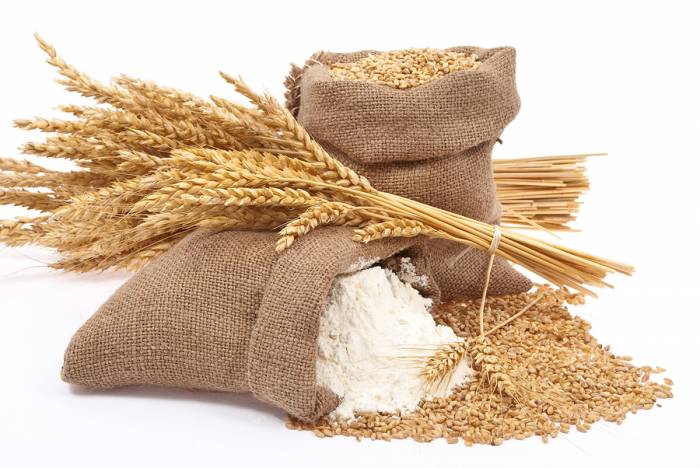
They have a scratchy and irritating effect on the delicate lining of your intestines. In this way they increase intestinal permeability. A great deal of research has linked leaky gut syndrome to joint pain. If your gut is excessively leaky, wastes, bacterial toxins and incompletely digested foods are able to gain entry to your bloodstream. The immune cells in your bloodstream form antibody complexes with these foreign invaders and these complex can lodge in the joints, creating inflammation and pain.
advertisement
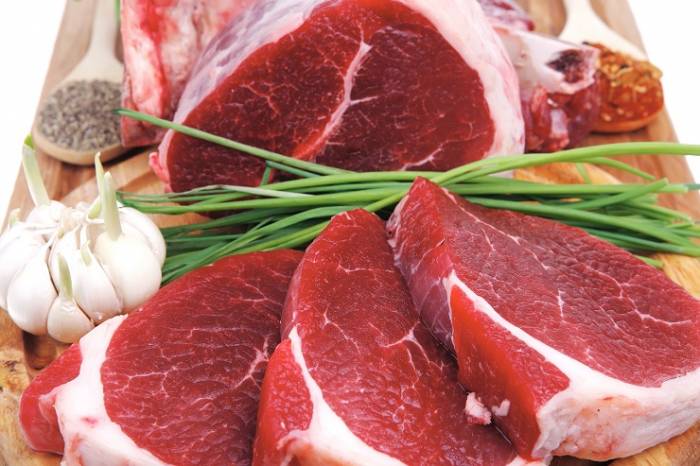
#5 Red meat
It contains relatively high levels of an omega-6 fatty acid called arachidonic acid, which may exacerbate pain and inflammation. A small quantity of good quality red meat can be beneficial, supplying good levels of nutrients such as iron; however, those with arthritis may benefit from sticking to one or two servings per week.
advertisement
#6 Alcohol
The effect of alcohol on rheumatoid arthritis is not clear-cut. Moderate alcohol consumption has actually been shown to decrease the risk for RA and slow its progression, according to a 2012 review of studies published in Rheumatic Disease Clinics of North America. A BMJ study published that year had similar findings: Women who drank more than three glasses of alcohol a week had half the risk for rheumatoid arthritis that teetotalers had. However, drinking too much alcohol can cause a spike in the body's levels of C-reactive protein (CRP), according to research published in Alcohol and Alcoholism in 2009.

CRP is a powerful signal of inflammation, and the study's findings indicate that overindulgence in alcohol could increase inflammation and be detrimental to RA.
advertisement
#7 Dairy products
Dairy products can also contribute to joint pain. The high level of protein casein in dairy products triggers inflammation and pain.
According to a report by the Physicians Committee for Responsible Medicine, this type of protein may even irritate the tissue around the joints.
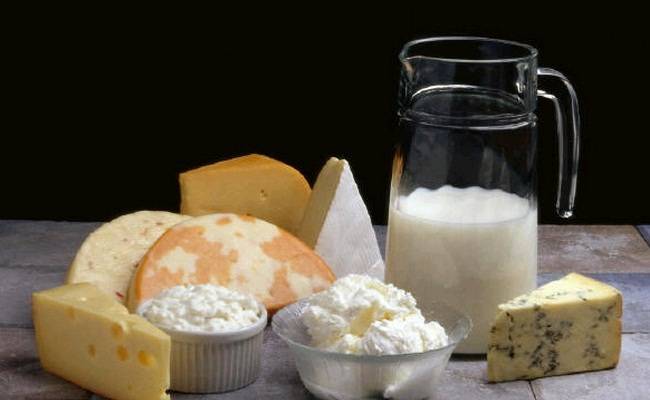
Even the saturated fats in full-fat dairy products like milk, butter and cheese can trigger adipose or fat-tissue inflammation, which in turn increases pain.
Avoid pasteurized dairy when suffering from joint pain or any other type of chronic pain. Instead, opt for soy milk, almond milk, tofu, margarine and other non-dairy products. You can even switch to a complete vegan diet.
advertisement
#8 Nightshade Vegetables
The nightshade vegetables are lesser-known offenders; however, for some people, eating any nightshade can cause excruciating pain and disability. This small family of vegetables contains a natural substance called solanine; when consumed, it can produce severe pain in the joints and the soft tissue, giving rise to arthritis and fibromyalgia flare-ups.
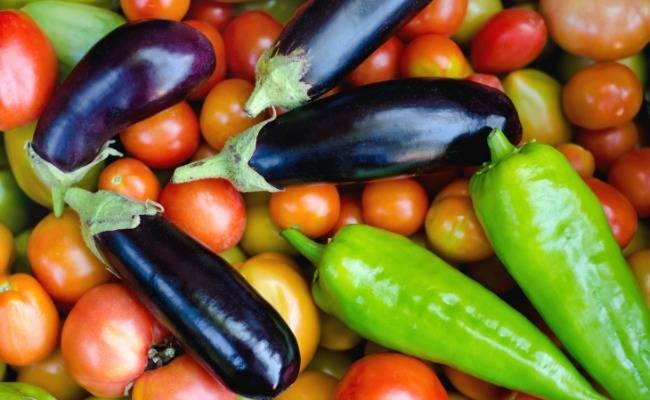
The nightshades include tomatoes, peppers, white potatoes, eggplant and tobacco. Because several of these vegetables are included in so many recipes, special attention must be given to eliminating them from the diet. Smokers suffering from arthritis might view the possible cause and effect relationship of tobacco on their condition.