Your Body Will Give You These 8 Signs A Month Before A Heart Attack
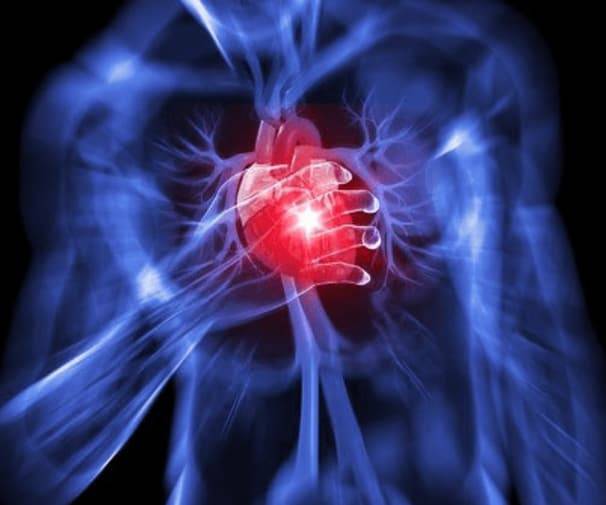
According to the American Heart and Stroke Association, heart disease and strokes are the number one leading cause of death around the world, most of which suffer from first-time or recurrent heart attacks. Heart attacks are the result of:
insufficient blood supply
caused by the blockage of a coronary artery
Over 700,000 people suffer from heart attacks each year and over 100,000 of those people do not recuperate. Although the data collected reveals a strikingly high number of cardiovascular diseases in recent years, there are a number of key symptoms that an individual will most likely experience well before a life threatening heart attack that can potentially save one's life.
Here are 8 crucial symptoms that are likely to occur one month before a heart attack that can improve one's survival rate when properly acknowledged.
More than 1 million Americans have heart attacks every year.
If we could identify the warning signs, we could address the underlying issues leading to heart attacks before they actually occur.
Luckily, your body has ways of warning you that you're heading for disaster.
Watch out for these eight symptoms. If you experience them, talk to your doctor as soon as possible.
1. Chest Pain
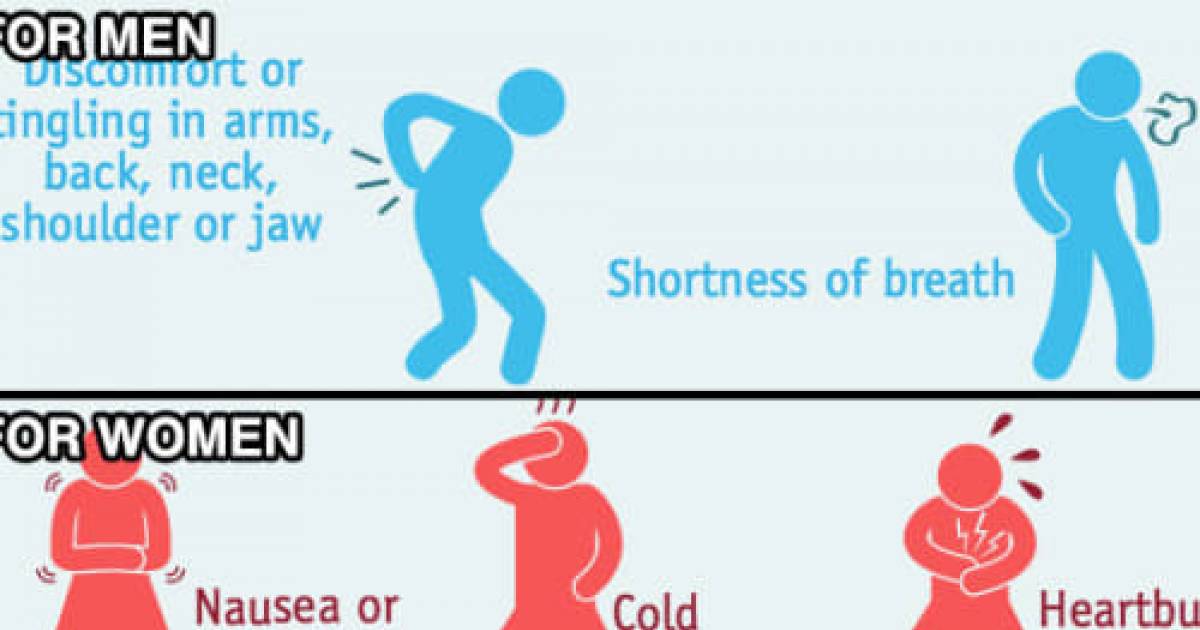
Pain is your body's natural warning system. If you experience tightness or pain in your chest, shoulders, arms, or back, talk to your doctor.
2. Persistent Fatigue
In the weeks leading up to a heart attack, blood flow in your body is restricted. That can cause serious fatigue.
3. Symptoms of the Common Cold or Flu
A lot of sufferers of heart attacks report that they experienced cold or flu symptoms in the days before a heart attack. If this is your only set of symptoms, you probably just have a cold. But if cold-like symptoms occur alongside other warning signs, it's time to call the doctor.
4. Muscle Weakness
The lack of adequate blood flow to your muscles can make them feel weak and tired.
5. Dizziness or Vertigo
When your veins and arteries aren't working properly, your brain won't get enough oxygen. That might manifest as episodes of dizziness or vertigo.
6. Cold Sweats
Cold sweats are never a good sign. Anxiety might be the cause, but if you have reasons to doubt your heart health, report cold sweats to a medical professional.
7. Indigestion and Heartburn
Lack of blood flow to your digestive system can cause indigestion, heartburn, and nausea. These symptoms might warn you that a heart attack is on its way. Call your doctor!
8. Difficulty Breathing Properly
Shortness of breath is a clear sign that something's going wrong in your body. That something might have to do with your heart.