10 astounding facts that mankind learned in 2013
#1
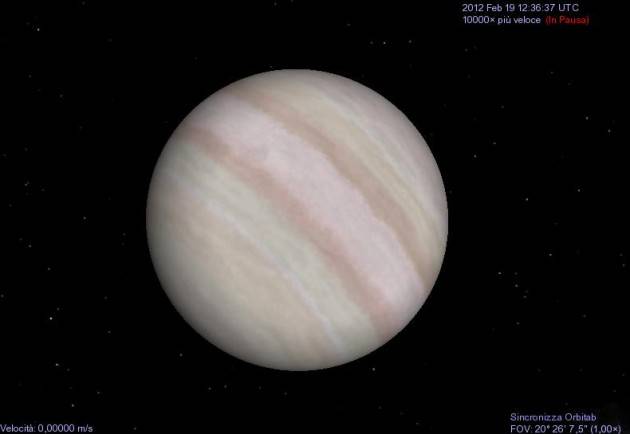
Planets WASP-17b, WASP-12b And Others Are More Exciting Than Indicated By Their Names
Planets orbiting in the immediate proximity of Solaristhe local centralized shiny thing that Earth is gravitationally pulled towardare all named after deities, which makes them seem far more enticing than names of Department of Motor Vehicles-like blandness.
But, while the discovery of planets like WASP-17b and WASP 12b seem like little more than the robotic cataloguing of giant circular rocks, they have atmospheres that indicate certain levels of aquatic presence.
With three other planets discovered bearing similar characteristics, some scientists feel optimistic about an approaching answer that has plagued mankind throughout the millenniaÂ
#2
Humans Have Been Living In the Amazon For A Long Time. The Amazon is one of Earth's most ecologically chaotic wondersspanning such great distances that there are still some villages of humans that have never had contact with modern civilization. Well, as it turns out, there is new evidence that suggests that humans have been in the Amazon for quite an extended period of time10,000 years in rough numerical terms.

#3
"Genetic Memory", Fans of Assassin's Creed: there may be more truth to Ubisoft's popular gaming franchise than previously assumed. Recently, studies showed that there might be a link to memories and DNAexplaining such irrational phobias, among other mysteries.
Â

#4
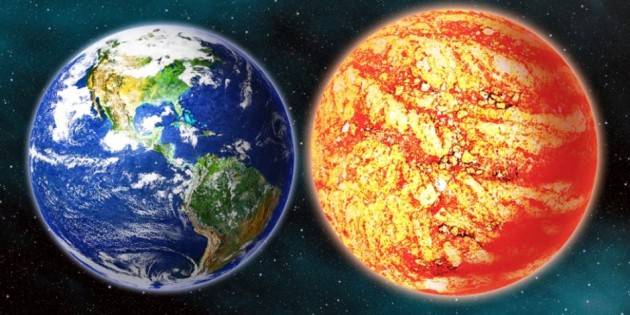
Planet Kepler-78b Exists. With each passing planetary observation, astronomers are finding that Earththe only planet known to man that houses intelligent lifejust isn't all that special. This is, most likely, the most heartbreaking planetary letdown ever since Pluto was demoted. In digression, Planet Kepler 78b is a planet with a very similaralbeit hottercomposition to Earth's.
#5
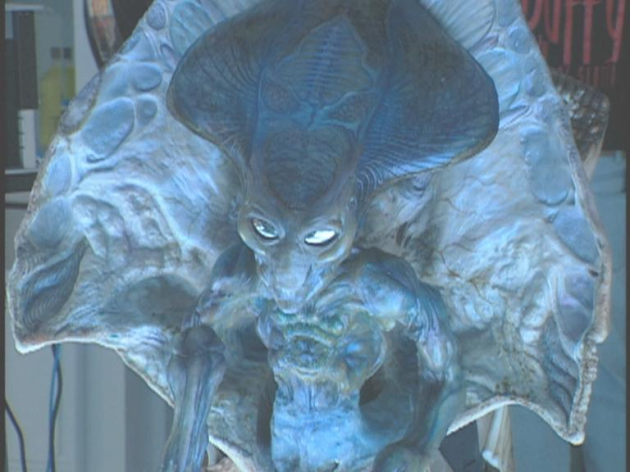
We're Pretty Close to Finding Some Aliens. Humans are on the precipice of finding other intelligent life, several scientists told to the United States Congress earlier in 2013. How close? Well, the optimistic parties in the group that briefed the gubernatorial gathering said that a close encounter of the Fourth Kind is only 10 years away. What's that mean? Well, it means that kids who dreamed of being Han Solo when they grew up may yet get their wish. Just stay away from massive blobs and bug-looking aliens whose name bears similarity to the word "greedy".
#6
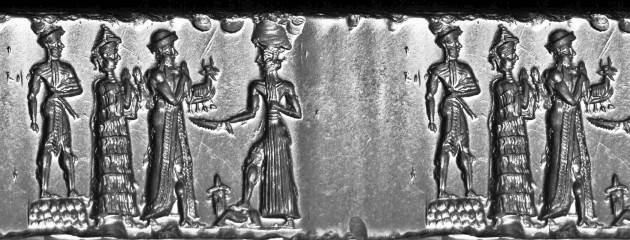
The Subterranean Ancient City of Ibu Exists. While the skies can capture imaginations and draw wonder as to what lies in their luminous embrace, people often forget that there is still much resting in the downward direction that is to be discovered. A former part of the Assyrian Empireaccording to sourcesthe newly unearthed ancient city of Ibu was home to palaces 3,000 years ago.
#7
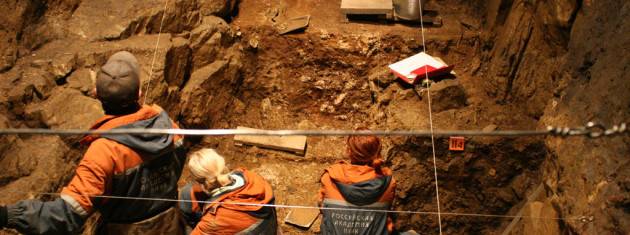
We Don't Know A Whole Lot About Human Origin. Surely one of the less scenic sights in the nation of Spain, the Sima de los Huesostranslating to pit of bones in Englishbears pretty appropriate nomenclature. Recovering a bone that dates back to 400,000 years ago, scientists assumed that they were examining the bone of a Neanderthal. As it turns out, the bone was likely of a Denisova hominina subspecies of human thought to reside in Siberia. The fact that Spainfor the geographically disinclinedis far from Siberia raises a plethora of questions about human origin and the interactions of our ancestors.
#8
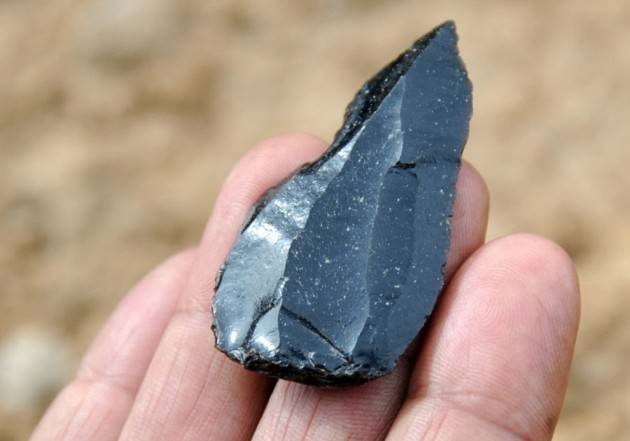
Spears, And Possibly Other Tools, May Have Predated Humans. One of human's ancestorsnamed Homo heidelbergensmay be more technologically advanced than previously examined. Discovered in Africa, the spear tip in question predates the first Homo sapiens by roughly 80,000 years. According to sources, this could cause modern paleontologists to rethink human origins and the intellects of our fossilized ancestors.
#9
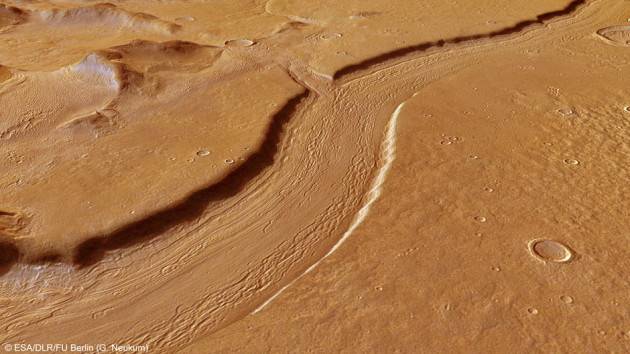
There Is Evidence Of Ancient Riverbeds Somewhere On Mars. The space-studying community's obsession with Mars has been in full effect for a few decadeslargely due to the speculative hypothesis that there was once life roaming planet's red surface. And, after decades of folly evidencesuch as a coincidental "face" structure being capturedit seems scientists are on the threshold of substantial backing for the aforementioned hypothesis. Captured on Mars were images that lead experts to believe are evidence of a dried riverbed that once fed a massive ocean.
#10
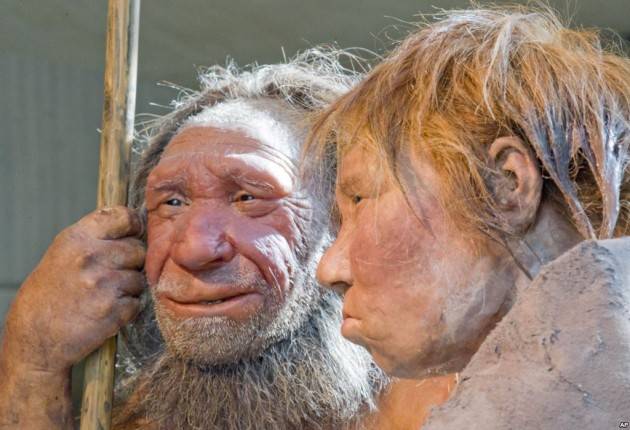
Neanderthals Were Slightly More Human Than Previously Thought. The common stereotype of Neanderthalscommonly referred to as "cavemen"are those found on the grating Geico commercials of yesteryear. However, perhaps the commercial cavemen of old had some previously unknown scientific backing against the constant derogatory remarks of incivility. In a recent cave excavation taking place in what is now Italyevidence was found of an orderly homea place with designated places to carry out certain tasks such as tool making and other prehistoric activities.