Not sure what an STD is? Read on to learn about the 10 most common misconceptions!
advertisement
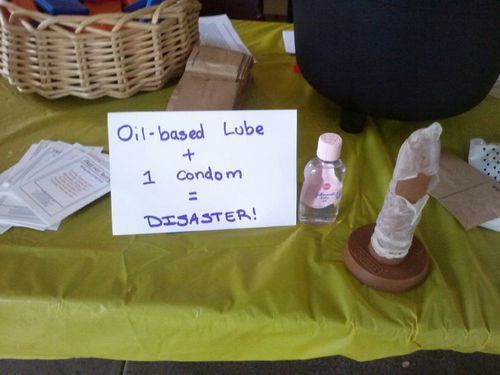
#1 Misconception: Oil And Water Based Lubricants Are Created Equal
Oil based lubricants weaken latex making it easier to break during play.
#2 Misconception: Besides AIDS, STD's Don't Kill You
There are some STD's that, while they don't kill you directly, can lead to cancer. Genital warts, caused by the Human Papillomaviruss, can cause cervical cancer in women.
advertisement
#3 Misconception: You Can't Catch An STD In A Steady Relationship
Unless you are with your partner 24/7. you never fully know what they're doing. If you suspect an STD, get checked out.

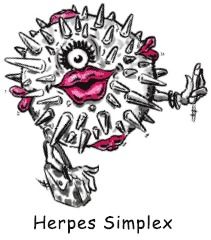
#4 Misconception: You Can't Catch Herpes If There Are No External Sores
Yes you can and will catch herpes even though you don't see sores. Some people only get sores inside and the exchange of fluids can spread the infection to you.
advertisement
#5 Misconception: You Can Tell If You Have An STD By Looking
Not all STDs have tell tale signs and even those that do, the signs are not always present. The best way to know is to see a doctor.

advertisement
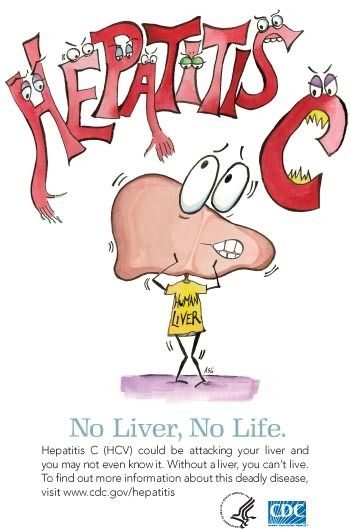
#6 Misconception: Hepatitis C Is Not Transmitted Sexually
Wrong. More people in the United States have Hepatitis C than HIV and 10% report having had sexual contact with another person with Hepatitis C.
advertisement
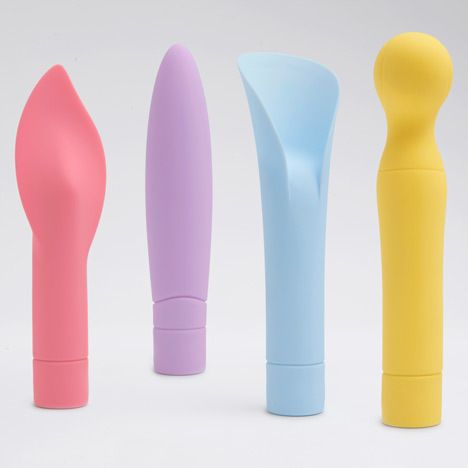
#7 Misconception: All Toys Are Safe
Sharing toys can spread infection. Use special cleaners that are sold specifically for that purpose.
advertisement
#8 Misconception: Condoms Protect Against STDs
Condoms are great at protecting against some STDs but not others such as herpes or syphilis. Areas that are not covered by the condom can touch and spread infection.

advertisement
#9 Misconception: There Are Only 3 Ways to Catch An STD
Most people think that they can only catch and STD via vaginal, oral or anal contact. This is incorrect. Mutual masturbation, hand jobs, and any other time ejaculation occurs or you come in contact with your partner's bodily fluids, can put you at risk.

advertisement
#10 Misconception: STD Is The Correct Term
The correct term is STI - Sexually Transmitted Infections. A disease is not always an infection, which most sexually transmitted viruses are.