10 Terrible Things Done To The Human Body But Would You Have To Die For IT
#1 Government-Sponsored Desecration
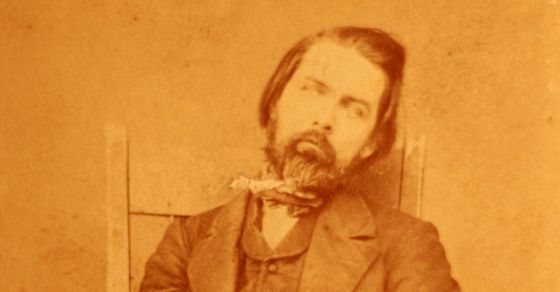
During the French Revolution, a decree was made that the tombs of the kings and queens of France should be destroyed, particularly those at the Basilica of Saint Denis. On October 12, 1793, a mob intent on destruction descended on it and other church grounds. One of the first coffins they came upon, though, was Henry IV's. Henry had been a popular king, and they treated his remains with a kind of curiosity, if not awe.

#2 Necrophilia
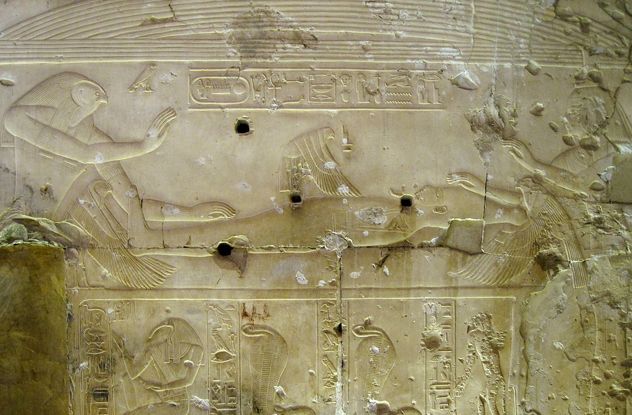
The Egyptian goddess Isis was said to have impregnated herself by using the severed penis of the murdered Osiris. Necrophilia was a common fear among ancient Egypt's upper classes. Embalmers had to wait a period of days before taking upper-class women's bodies, out of relatives' fears that they would use them as sexual playthings.
#3 Corpse Exhibitions
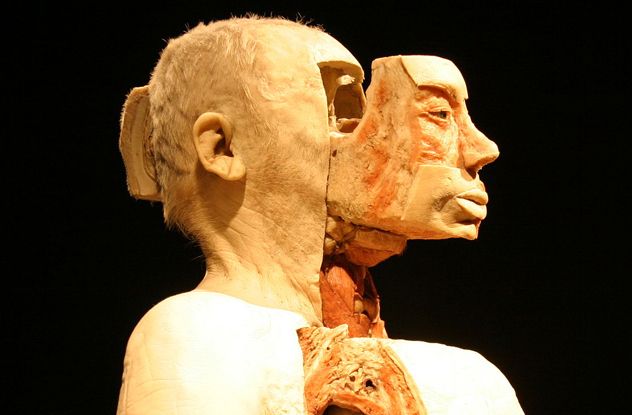
Several exhibitions in museums all over the world display the skinless, preserved bodies of human cadavers. They pose several ethical dilemmas. While promoters describe the exhibits as educational, other groups call them indecent. The archdiocese of Vancouver has called it an indignity to the human body. The superintendent of Vancouver schools set a district-wide ban in place in response to planned field trips to see one such exhibition, questioning the effect skinless corpses will have on children.
#4 Postmortem Photography
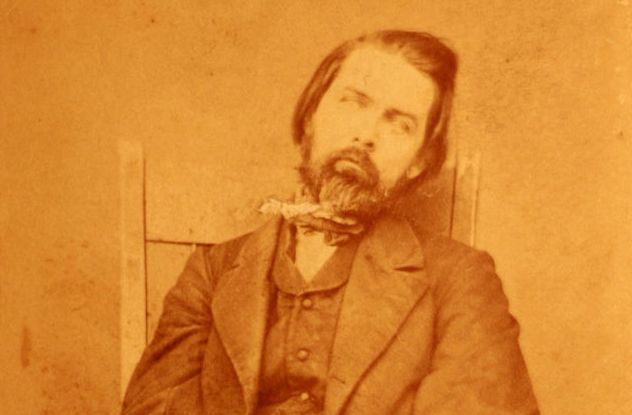
Postmortem photography boomed during the Victorian era, becoming a common practice only two years after the first daguerreotype method of photography became popular. Victorians sought to preserve their loved one's "shadow" as a way to commemorate their lives. Often, photographs of the deceased were family affairs. The deceased was dressed up and posed with family members around them as if still alive.
#5 Posthumous Parents
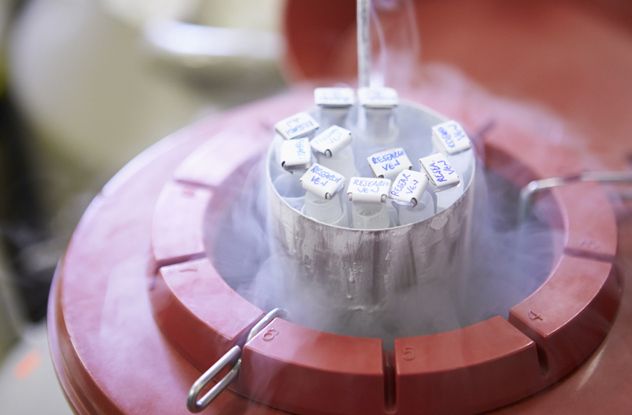
Sperm banks can freeze sperm almost indefinitely, which raises the possibility of having a child with someone who was donating and then died. Banks caution, however, about the limited success of sperm frozen for longer than 12 years. But while sperm donation is an accepted practice, reproductive material can also be culled from the recently deceased. While lending hope to some, it involves to a host of ethical dilemmas.
#6 Exploding Coffins
Corpses produce a host of gases as microorganisms break down the body. Some researchers even believe this corpse gas can be used to establish the time of death. These gases build up inside sealed coffins. If enough gas is produced inside a sealed container, the container will burst.

#7 Public Dissections
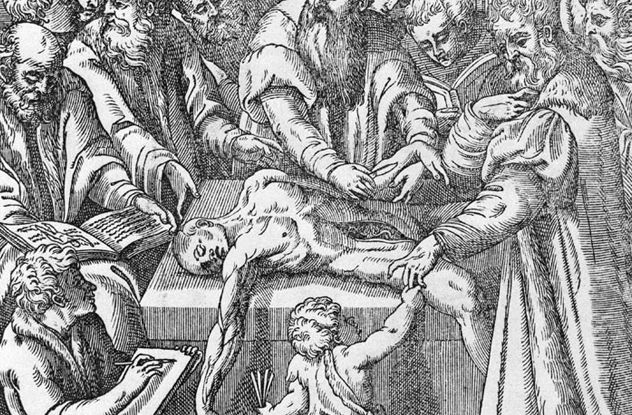
Public dissection was a common practice in Europe. The Murder Act in 1751 declared that all murderers be dissected after death, and this was a particularly strong deterrent to murder. At the time, public dissection was seen as the ultimate indignity. One young murderer condemned to dissection commented to a constable manning the gallows that his victim was better off than he. The constable agreed.
#8 Corpses Fly First Class
Airlines have a variety of ways to deal with in-flight deaths. Some airlines keep body bags onboard for just such occasions, and Singapore Airlines even has special cupboards for the corpses. Most airlines, though, have no facilities to hold the dead.

#9 Severed Heads: Alive?
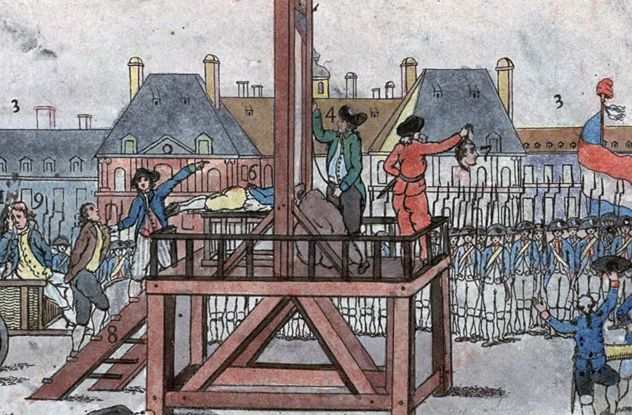
When the French started executing by guillotine, people became fascinated with the issue of whether severed heads live on for at least a few fleeting moments. Several experiments were done to determine if they did. Researchers pricked heads with needles, set ammonia solution under noses, and stung eyes with solution to get a reaction. One executioner, curious about the matter, had a condemned friend signal him if he still lived after the beheading. The head was reported to have winked.
#10 Corpse Wax
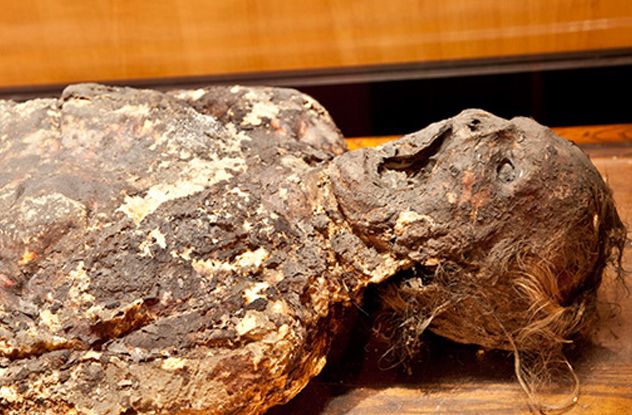
Adipocere, or corpse wax, is a fatty substance that occasionally forms during the decomposition of humans and animals. When a corpse is left in moist, airless conditions, corpse wax can encase the remains in a brittle shell. Corpses encased in adipocere are quite a hassle for the owners of graveyards because it prevents recycling grave plots. On the other hand, it can aid forensic scientists and archaeologists during autopsies of very old remains. In 1825, Italian physician Augustus Granville autopsied the well-preserved remains of a woman called Irtyersenu. His autopsy was as much a theatrical event as it was genuine science. To enhance the mood, Granville lit the lecture hall with candles made from what he believed to be a form of beeswax or bitumen used to preserve the body. Later studies showed that the wax was nothing of the sort. It was part of the remains of the unlucky corpse itself.