15 Bizarre Genetic Anomalies You Won’t Believe Are Real
#1 Geographic tongue
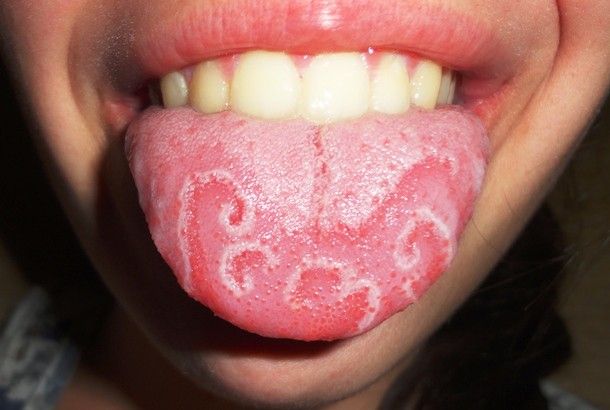
Known as erythema migrans or wandering rash of the tongue, the geographic tongue is a harmless condition characterized by areas of smooth, red depapillation which migrate over time. The disease got its name after the map-like appearance of the tongue. Affecting as much as up to 3% of the general population, it is one of the most common genetic anomalies.
#2 Diprosopus
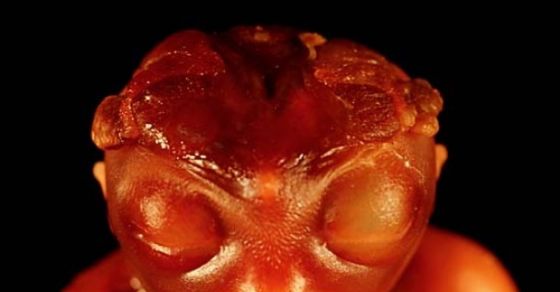
Diprosopus also known as craniofacial duplication is an extremely rare congenital disorder whereby parts (or all of the face) are duplicated. This anomaly is the result of abnormal activity by the protein named SHH (sonic hedgehog). You read that right. This protein is indeed named after Sonic the Headgehog. Note: The image above is a photoshopped image.

#3 Albinism
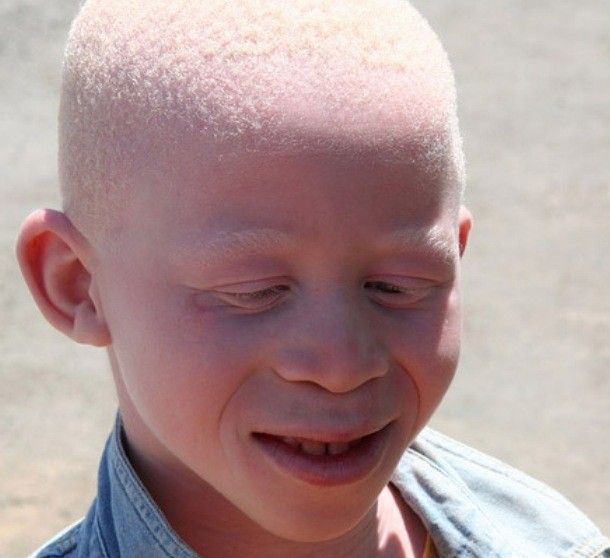
Albinism is a congenital disorder characterized by the complete or partial absence of pigment in the skin, hair and eyes. The disease itself doesn't cause mortality people afflicted with albinism are generally healthy but the lack of pigment blocking ultraviolet radiation increases the risk for skin cancers, visual defects and other problems. The occurrence of albinism is very rare though in the US and Europe, less than 5 out of 100,000 people suffer from this disorder.
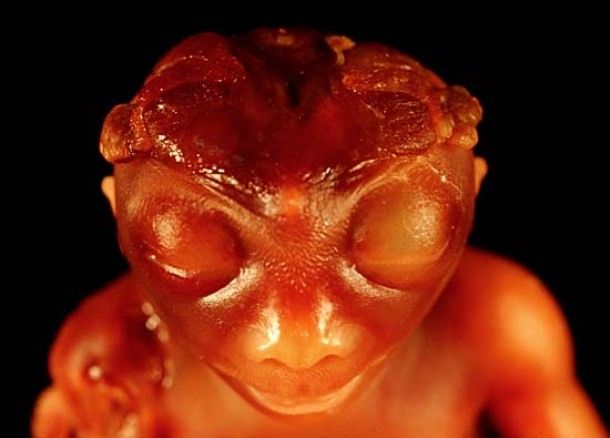
#4 Frog-like baby
In 2006, a neck-less baby with enormous eyeballs was born in Nepal. Born to a mother of two normal daughters, the baby suffered from anencephaly, a condition that is characterize by the absence of major portions of the brain, skull, and scalp.
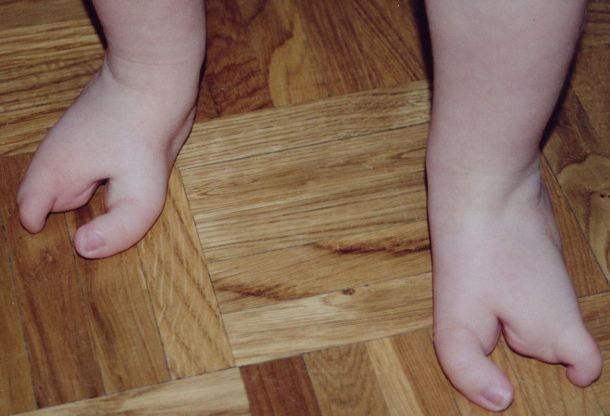
#5 Etrodactyly
Also known as split hand malformation, etrodactyly is a rare limb deformity that involves the deficiency of one or more central digits of the hand or foot. Hands and feet of people who suffer from this condition are often described as "claw-like" and may include only the thumb and one finger (usually either the little finger, ring finger, or a syndactyly of the two).
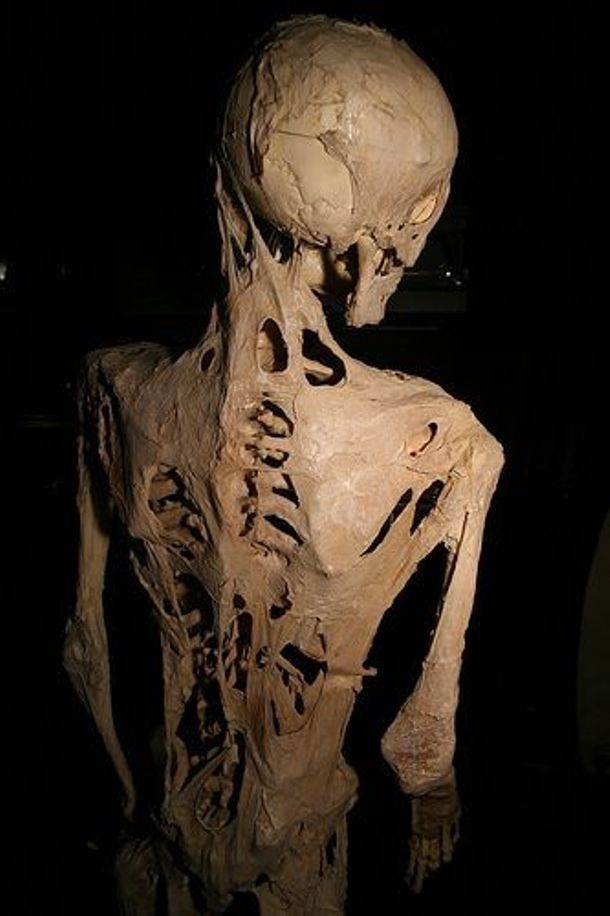
#6 Stone Man Syndrome
Officially known as Fibrodysplasia ossificans progressiva (FOP), Stone Man Syndrome (or Stone Man Disease), is an extremely rare disease of the connective tissue. In people who suffer from this disease, bone tissue grows where muscles, tendons, and other connective tissues should be, effectively restricting movement of the patients who, gradually, become living statues.
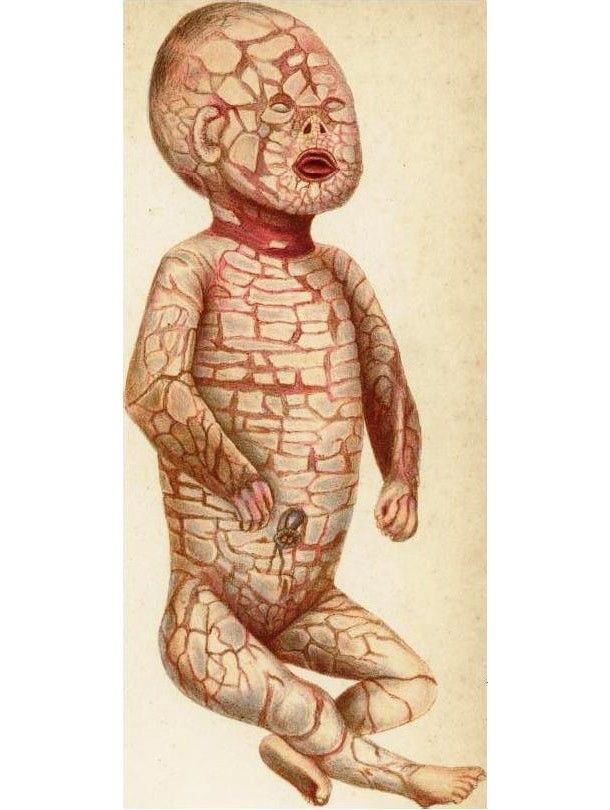
#7 Harlequin ichthyosis
Harlequin ichthyosis is a very rare and often fatal genetic skin disorder. Babies affected with Harlequin ichtyosis are born with extremely thick plates of skin with deep red fissures over their entire bodies.
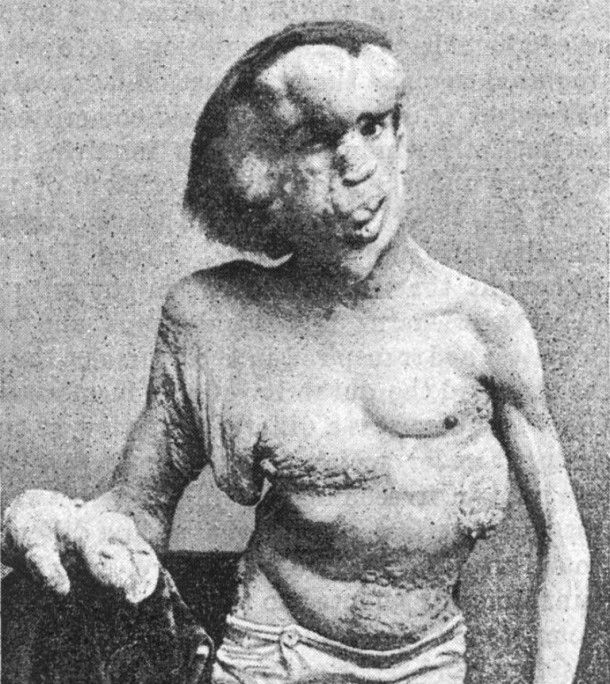
#8 The Elephant Man
Joseph Merrick (1862 1890) was an Englishman who, due to his genetic anomalies, was nicknamed The Elephant Man. His skin appeared thick and lumpy, he developed an enlargement of his lips, and a bony lump grew on his forehead. The exact cause of these anomalies is unknown, however, modern doctors suggest it was a combination of several diseases such as neurofibromatosis type I and Proteus syndrome.
#9 Three legs
Born in Sicily, Italy, Frank Lentini (1881 1966) was known for having three legs. His deformity was the result of a partially absorbed conjoined twin. The twin was attached to his at the base of his spine and consisted of a pelvis bone, a rudimentary set of male genitalia and a full-sized leg extending from the right side of his body, with a small foot attached to this extra knee. It is recorded that Lentini had 16 toes in total and 2 sets of functioning male sexual organs

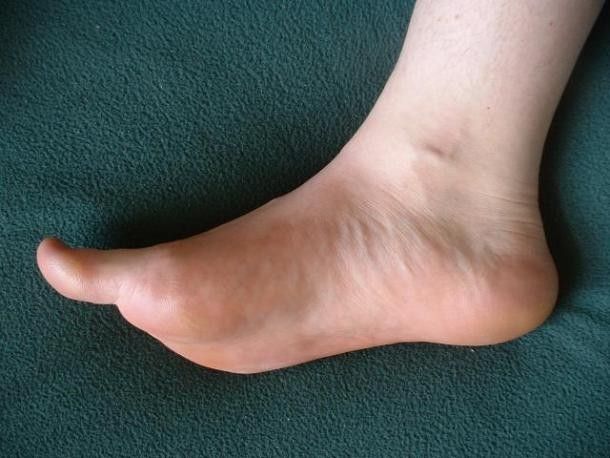
#10 Nipple on a foot
Having extra nipples is not as unusual as it may sound but a full-sized nipple on the sole of a foot is extremely unusual. According to the California-based Dermatology Journal, it is the first time a nipple has ever been discovered so far down somebody's body. The proud "owner" of this primacy is 26-year-old Lily Allen from Brazil.
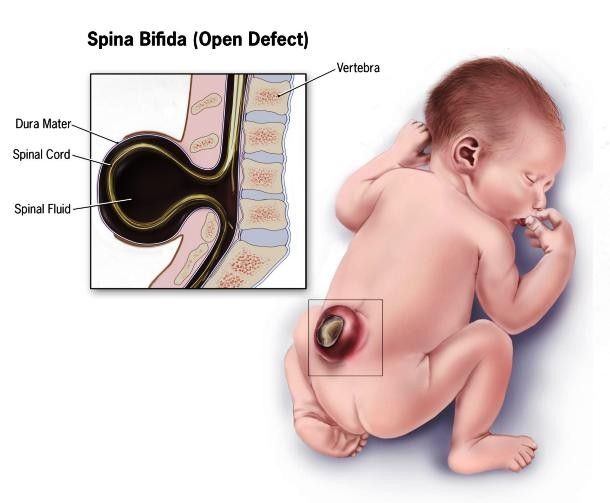
#11 Tailed man
Chandre Oram, an Indian tea estate worker from West Bengal, is famous for having a 33 cm (13 inch) long tail. Admired by many locals as an incarnation of Hanuman, a Hindu god, Oram was born with a malformation known as spina bifida.
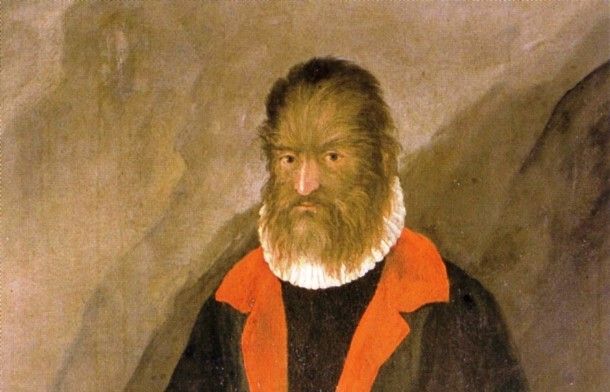
#12 Hypertrichosis
Commonly known as the Ambras Syndrome or Werewolf Syndrome, hypertrichosis is a genetic anomaly characterized by an abnormal amount of hair growth. People suffering from this disease have excessive hair on their back, arms, face and other body parts.
#13 Caudal regression syndrome
Occurring at a rate of approximately one in 25,000 births, caudal regression syndrome is a congenital disorder in which there is an abnormal fetal development of the lower spine. Johnny Eck, an American freak show/artist performer born without the lower half of his torso, is one of the most famous people afflicted with this rare anomaly.

#14 Spot boldness
One of the least serious disorders on this list, spot boldness (scientifically known as Alopecia areata) is a condition in which hair is lost from specific areas of the body.

#15 Gastroschisis
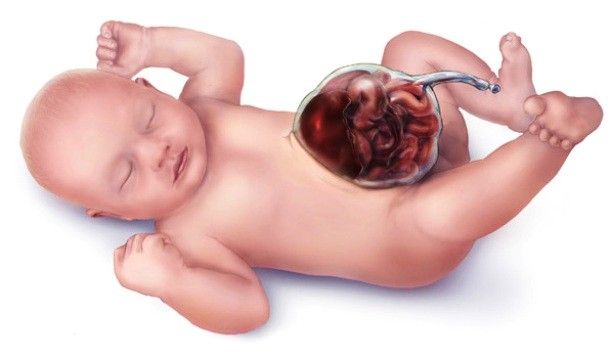
Gastroschisis is a congenital disorder characterized by a defect in the anterior abdominal wall through which the abdominal contents freely protrude. Typically, the abdomen encases the internal organs as the fetus ages, but sometimes, the abdominal wall doesn't do this correctly and some of the fetus's organs end up stuck outside its body. Although it sounds scary, these days, the survival rate of such condition is 90%.