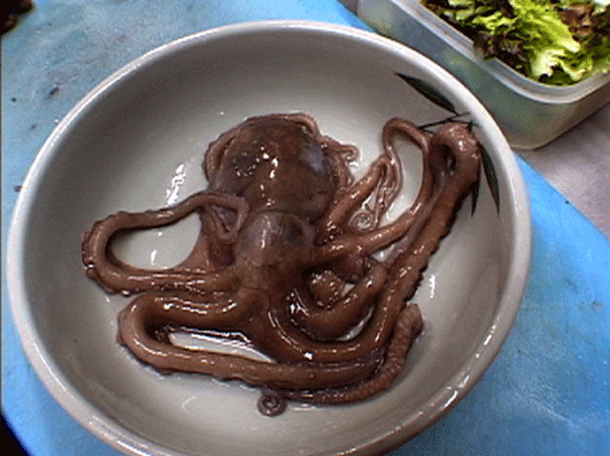
#1 Nakji
Very much like sannakji, this time the octopus is eaten whole. Like some of the other foods on this list though, it doesn't come without its dangers. The suckers on the octopus are known to stick to the tongue and mouth presenting a choking hazard. There are several deaths reported every year as a result.
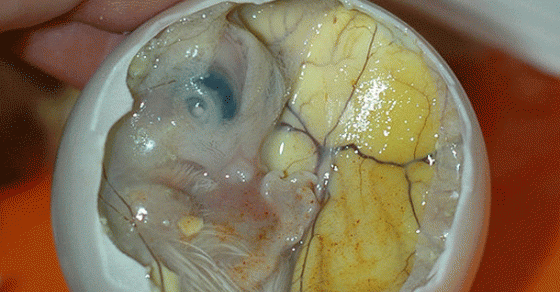
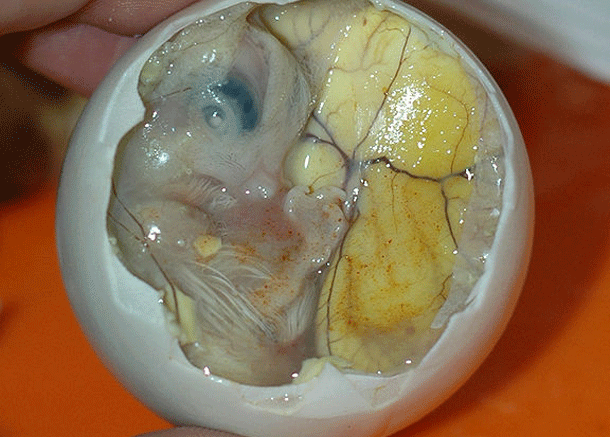
#2 Balut
Nothing more than a fertilized duck embryo, it is boiled alive and violathe rest is up to you. Eaten in South East Asia, the filipino word balut means "wrapped".
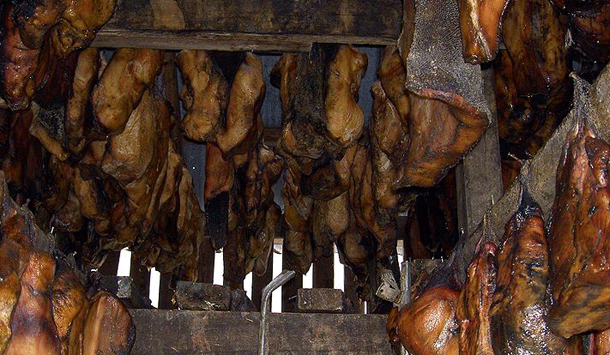
#6 Hakarl
Typically eaten in Iceland, they say that this fermented basking shark is an acquired taste. We believe the hype considering that Chef Anthony Bourdain of the Travel Channel described it as "the single worst, most disgusting and terrible tasting thing" he had ever eaten.
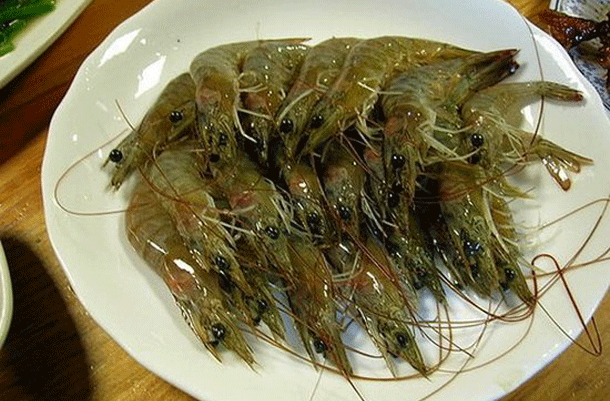
#4 Drunken Shrimp
A popular dish in parts of china where the shrimp are eaten alive but stunned in a strong liquor prior to consumption. This recipe is also popular in parts of the United States but it includes an intermediary step known as "cooking".
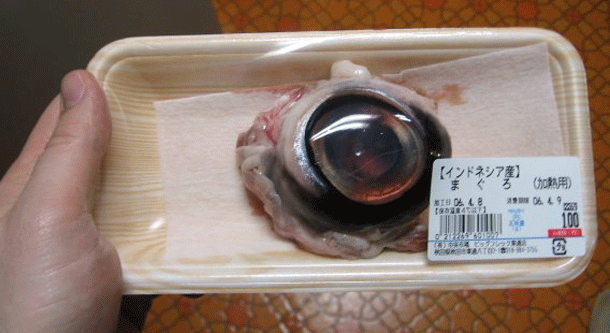
#5 Tuna Eyeball
Fairly cheap, these can be found in most Japanese grocery stores for about 1 USD. It tastes something like squid and should be boiled prior to consumption. Once again, don't forget to season.
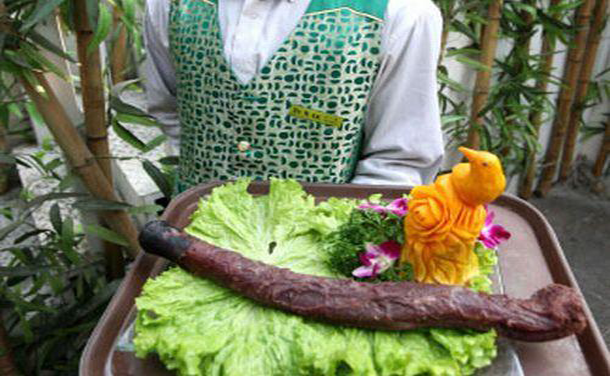
#6 Yak Penis
Someone was once quoted as saying "The Chinese eat anything with four legs, except tables. And everything that flies, except airplanes". Apparently so. Also known as "Dragon in the Flame of Desire" this dish is famously served in the Guolizhuang Restaurant of Beijing. Although it may seem strange to Western minds, many Chinese believe that it is good for your health, kind of like spinach.
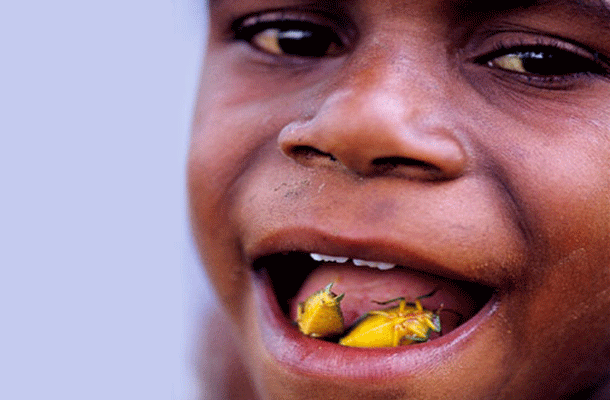
#7 Stinkbugs
In indonesia they love these little stinkers. Supposedly though, they taste like bitter sunflower seeds without the salt. Chew quickly.
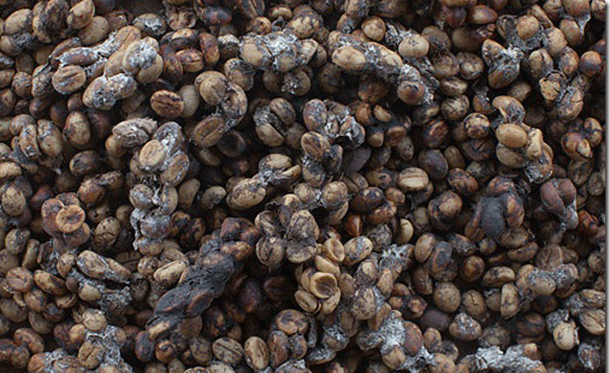
#8 Kopi Luwak
One of the worlds most expensive varieties of coffee it can reach up to 150 USD per pound. It is made from coffee berry beans that have been defecated by Civets, small mammals native to Southeast Asia.
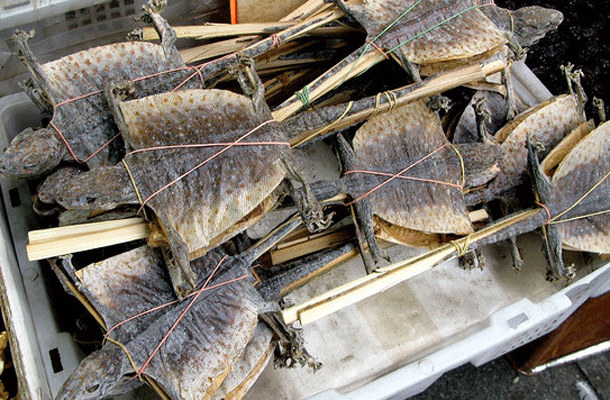
#9 Dried Lizards
In some Asian cultures these are used for soup and sometimes they are infused with alcohol to extract medicinal properties. The process, however, supposedly takes years.
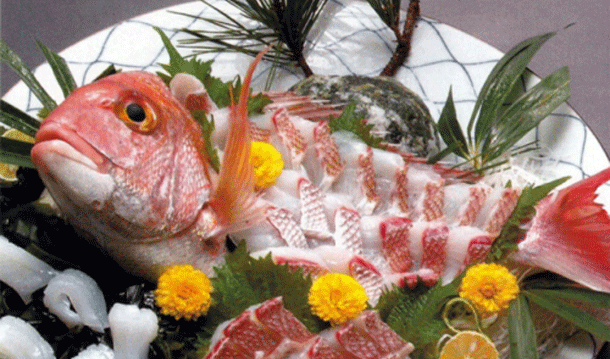
#10 Ikizikuri
As far as brutality is concerned, this dish is hard to beat. Having been banned in several countries including Australia and Germany it consists of the customer picking out the animal they would like to eat from a tank. The chef will then fillet it before their eyeswithout killing it. It is then served on a plate with its sliced flesh on top for decoration and its heart still beating. Alternatively, you can have the already filleted fish returned to the aquarium where it will swim around until you are ready for seconds.
#11 A-ping
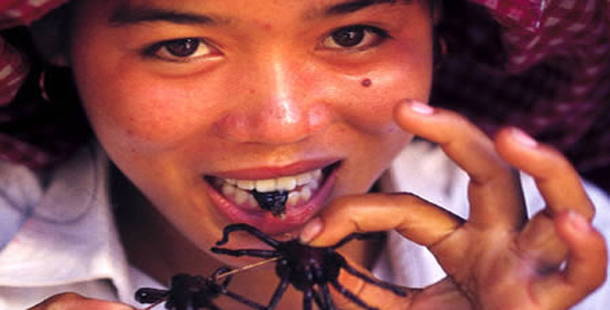
Considered a delicacy in Cambodia, it is said that fried tarantula first became popular during the food shortages under the brutal Khmer Rouge regime. After Pol Pat was ousted though, the fried tarantulas stuck around and Cambodians today eat them like candy.
#12 Surstromming
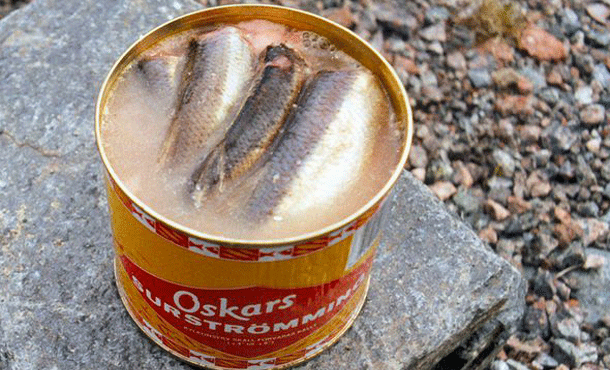
A northern swedish dish that consists of fermented baltic herring, it is usually sold in cans like the one above. While they are being shipped the cans sometimes bulge due to the ongoing fermentation. Recently, a study in Japan found that surstromming releases the most putrid odor of any food in the world. Somehow it makes sense that it's usually eaten outdoors.
#13 Rocky Mountain Oysters
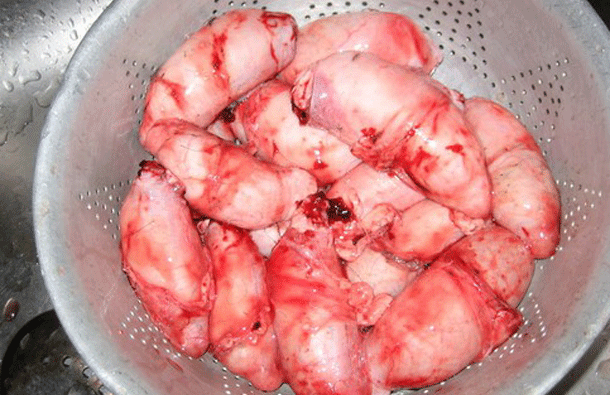
While them might be from the rocky mountains, they are certainly not oysters. They are actually bull-calf testicles peeled, flattened, and deep fried, yum.
#14 Ying-Yang Fish
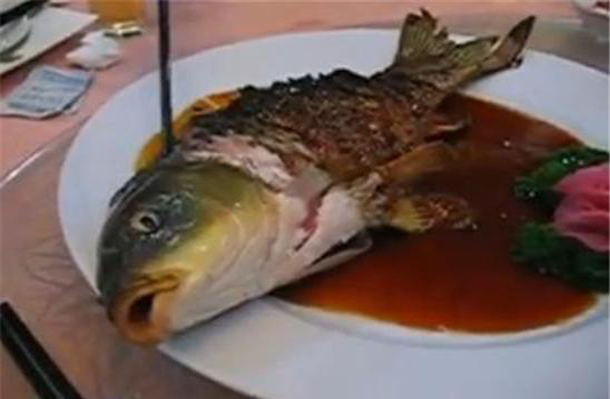
Also known as "dead and alive" fish it originated in Taiwan where it is now illegal to prepare. It has recently become popular in China after chefs figured out how to keep the fish alive as it is deep fried. Why would anyone do this? Supposedly to prove how fresh the fish is.
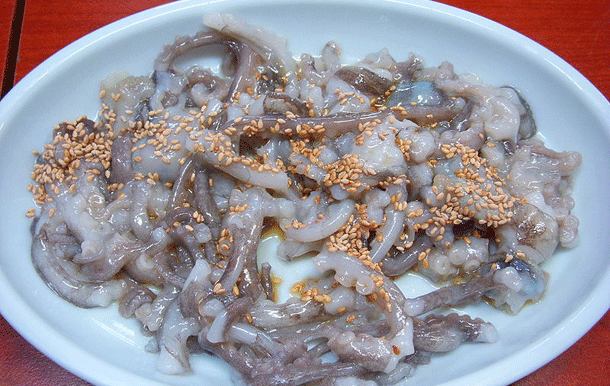
#15 Sannakji
Like many eastern foods, this one is served raw. Very raw. Just watch as the chef dismembers a small octopus before your eyes and seasons the pieces with sesame oil, if he can hit them that is, because many times they are still moving on the plate as you reach for your chopsticks.
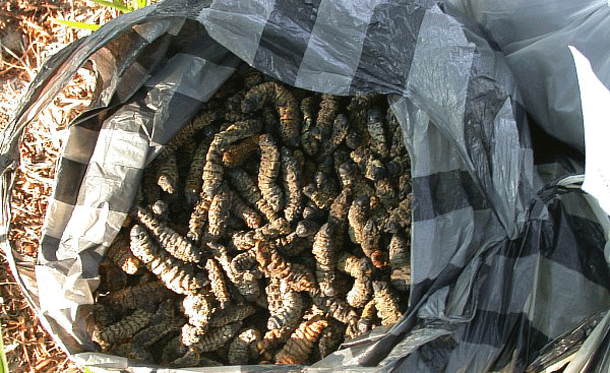
#16 Mopane
Generally found on Mopane trees (hence the name), this caterpillar is an important source of protein for millions of people in Africa. Typically they are dried out and eaten as a crispy snack.
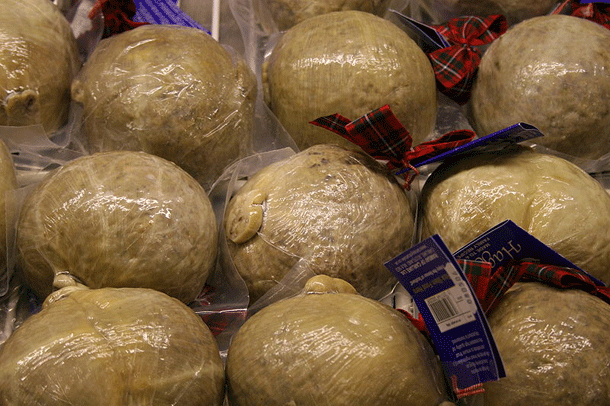
#17 Haggis
To make this Scottish meal all you need is a sheep. First, take out the heart, liver, and lungs. Then boil them in the stomach for about three hours. Don't forget the salt.
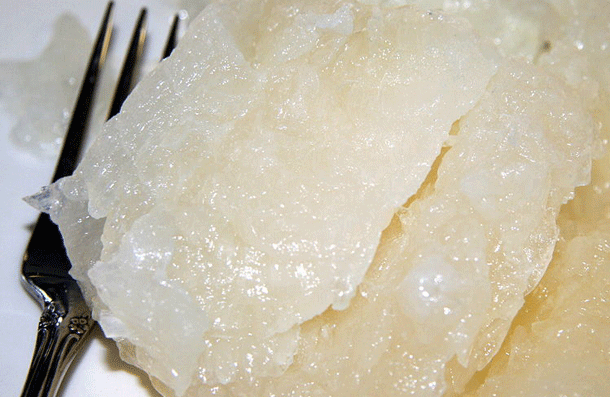
#18 Lutefisk
Usually eaten in Scandinavia this delicacy is made from aged stockfish and lye. Yes, lye. The corrosive alkaline substance also known as caustic soda is used to soak the fish for several days. After being removed from the lye the fish is so corrosive that it requires almost a week long bath of cold water just to become edible again.
#19 Fugu
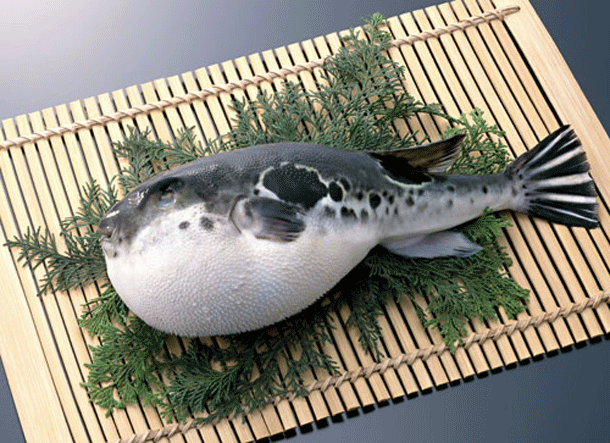
Fugu is Japanese for "pufferfish" and in case you didn't know, yes, they are poisonous. Japanese law strictly controls their preparation in restaurants and only highly trained chefs are allowed to handle them. They are so dangerous in fact that domestic preparation has been known to cause accidental death.
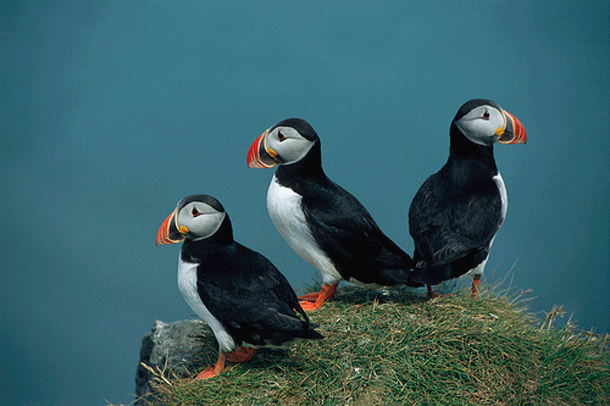
#20 Puffin Heart
The puffin is a species of Auk that inhabits the northern hemisphere and its heart is considered a delicacy in Iceland. We spared you the picture but next time you see a cute little puffin on the side of the road just try to imagine yourself snapping its neck and ripping out its innards. Heartless.